Wyoming’s North Platte River Fishing Guide
Trying to navigate the vast and incredible fishing opportunities in Wyoming can feel like deciphering an ancient map, especially when you hear whispers of legendary rivers but aren't quite sure where to start or what to expect. Many anglers dream of trophy trout but get overwhelmed by the sheer size of the state and the specialized knowledge needed for each river. This comprehensive guide is designed to cut through that confusion, giving you an intimate, detailed look at everything you need to know to successfully fish Wyoming's iconic North Platte River, from its famous stretches to its often-overlooked gems.
Why the North Platte River is a Legendary Fishery
The North Platte River isn't just another pretty waterway in Wyoming; it's a living legend among anglers worldwide. For decades, it has consistently produced some of the most impressive trout in North America, earning its reputation as a true blue-ribbon fishery. But what exactly sets it apart from countless other rivers? It's a combination of unique hydrology, robust conservation efforts, and the sheer abundance of healthy, hard-fighting fish that call its waters home.
A Rich History of Trophy Trout
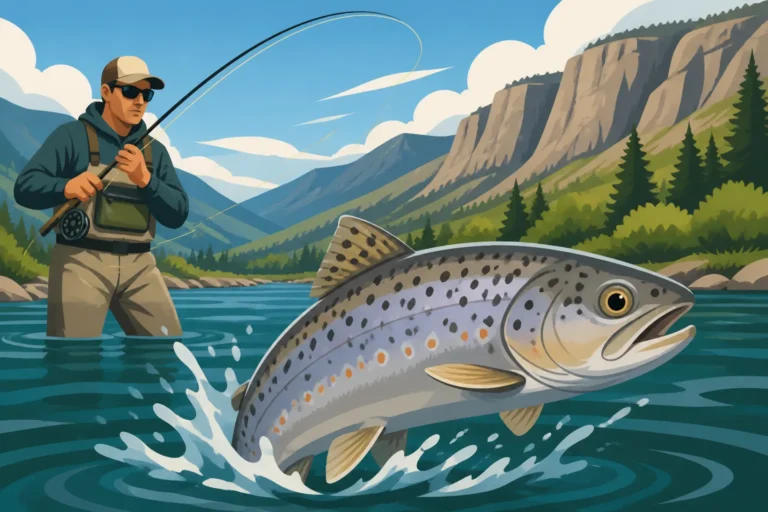
The North Platte's fame isn't accidental. Its journey from a high-mountain stream to a sprawling reservoir system and then back into a magnificent tailwater fishery has created an unparalleled environment for trout growth. The river’s cool, consistent water temperatures, rich aquatic insect life, and ample forage opportunities provide the perfect conditions for trout to thrive and reach truly massive sizes. We're talking about browns and rainbows that routinely push the 20-inch mark, with genuine monsters over 10 pounds caught every season. This legacy of trophy fish isn't just a marketing ploy; it's a testament to the river's ecological health and the dedication of anglers and wildlife management alike. For many, a trip to the North Platte isn't just about catching fish; it's about connecting with a piece of angling history and testing their skills against truly wild, powerful trout.
Diverse Ecosystems and Water Conditions
One of the most fascinating aspects of the North Platte River is its incredible diversity. It’s not a monolithic waterway; rather, it’s a collection of distinct ecosystems, each with its own character, challenges, and rewards. From its headwaters high in Colorado, the river carves its way through canyons, meanders across open plains, and fills vast reservoirs before emerging as a renowned tailwater. This means that within a relatively short driving distance, you can experience dramatically different fishing environments. You might be nymphing in a deep, powerful current in the morning and then dry fly fishing a placid, willow-lined section in the afternoon. This variety keeps things interesting and demands a versatile approach from anglers, making it a constant learning experience. The various dams along its course play a crucial role, creating the cold, nutrient-rich tailwaters downstream that are so conducive to prolific insect hatches and large fish.
Abundant Public Access
One common frustration for anglers in many states is finding good public access, especially on renowned rivers where private land often dominates the banks. Thankfully, the North Platte River is an exception. While there are private sections, Wyoming Game and Fish Department (WGFD) has worked hard to secure and maintain numerous public access points, fishing easements, and boat launches along key stretches. This means that whether you prefer to wade, float, or fish from the bank, you’ll find opportunities without having to trespass or pay hefty fees. Popular access points often include designated parking areas, restrooms, and clear signage. It’s still essential to always be aware of property lines and respect private landowners, but the abundance of public access makes planning a trip much less stressful. You can spend more time focusing on your cast and less time worrying about where to put in or take out.
Key Fishing Sections of the North Platte River
The North Platte River is a long and winding waterway, but certain sections stand out for their exceptional fishing. Understanding the characteristics of each will help you tailor your trip to your preferences and target species. From the world-famous "Miracle Mile" to the wild stretches near Pathfinder, each segment offers a distinct angling experience.
The Miracle Mile: A Mecca for Big Trout
Ah, the Miracle Mile. Even its name conjures images of epic battles with giant trout. This legendary stretch, located between Seminoe Reservoir and Pathfinder Reservoir, is arguably the most famous section of the North Platte. It's not actually a mile long; it's closer to eight miles of challenging, powerful water renowned for producing some of the largest trout in Wyoming. Here, you'll find an incredible density of both rainbow and brown trout, many of which are truly massive. The river here flows through a more rugged canyon environment, characterized by deep runs, swift riffles, and intricate structure. Access can be a bit challenging, often requiring a high-clearance vehicle for some of the dirt roads, and the wading can be tough due to the strong currents and slippery rocks. However, the reward for the effort is often a fish of a lifetime.
Anglers primarily target this section with fly fishing techniques, with heavy nymph rigs being incredibly effective. Streamers are also a popular choice, especially for enticing the larger, predatory brown trout. During the fall, the Miracle Mile experiences an incredible spawning run of brown trout from Seminoe Reservoir, offering a chance at truly monstrous fish. If you're looking for a guided experience to navigate these waters, many local outfitters list their services on platforms like FishingBooker, specializing in this iconic section. Remember, it's a powerful river, and safety should always be your top priority. Always check the current streamflows before heading out. For more in-depth information, check out our guide on The Miracle Mile Stretch of Wyoming's North Platte River.
Gray Reef: Tailwater Trophy Factory
Just downstream from Alcova Reservoir, near Casper, lies the Gray Reef section of the North Platte. This tailwater fishery is another absolute gem, offering a completely different but equally rewarding experience from the Miracle Mile. The Gray Reef is characterized by its consistent cold water temperatures, rich aquatic insect life, and relatively stable flows, all thanks to the upstream dam. This stability creates a true "trout factory," with an astonishing number of fish per mile. While the average size might be slightly smaller than the behemoths of the Miracle Mile, Gray Reef still holds plenty of trophy-sized rainbows and browns, and the sheer numbers make for incredible fishing.
Gray Reef is particularly famous for its prolific hatches throughout the year, making it a dry fly angler's paradise when conditions are right. However, nymphing is the bread and butter here, with various patterns imitating midges, caddis, and mayflies being highly effective. Access to Gray Reef is generally easier than the Miracle Mile, with well-maintained roads and numerous public access points for both wade and float fishing. It's also a fantastic year-round fishery, with excellent opportunities even in the depths of winter. Many guides operate here, offering float trips that allow anglers to cover a lot of water and hit prime holding spots. To learn more about this incredible fishery, consult our detailed article on Fishing Gray Reef on Wyoming's North Platte River.
Fremont Canyon: Wild and Scenic
Nestled between Alcova Reservoir and the Gray Reef section, Fremont Canyon offers a unique and visually stunning fishing experience. This deep, rugged canyon is often overlooked by anglers rushing to the more famous sections, but it holds its own secrets. The river here is narrower, with sheer rock walls rising dramatically from the water, creating a truly wild and scenic backdrop for your fishing adventure. Due to the challenging terrain, access into Fremont Canyon can be limited and often requires a hike, adding to its allure for those seeking solitude and a true wilderness feel.
The fish in Fremont Canyon are typically wild and feisty, primarily rainbow and brown trout. While not known for the sheer numbers of Gray Reef or the consistent giants of the Miracle Mile, the quality of the fish and the breathtaking scenery more than make up for it. Fly fishing is the predominant method here, with nymphing being effective in the deeper runs and pools, and dry flies working well during hatches. Spin fishing with small spinners or jigs can also be productive. Be prepared for some serious wading and scrambling over rocks, and always prioritize safety in this rugged environment. If you're looking for a less crowded, more adventurous experience, Fremont Canyon should definitely be on your radar. Discover more about accessing this stunning area in our guide to Fremont Canyon Fishing Access in Wyoming.
Alcova Reservoir and Afterbay: Mixed Bag Opportunities
Before the North Platte transforms into the legendary Gray Reef tailwater, it flows into Alcova Reservoir. This large body of water offers a completely different kind of fishing experience, focusing on warmwater species alongside trout. Alcova is a popular destination for those looking for a diverse catch, from hefty rainbow and brown trout to walleye, yellow perch, and even some smallmouth bass. The reservoir itself is known for its trolling opportunities for trout and its deeper waters for walleye.
Downstream from the dam, immediately below Alcova Reservoir, lies the "Afterbay." This section, while short, is incredibly productive, acting as a transition zone between the still waters of the reservoir and the flowing river of Gray Reef. The Afterbay sees a concentration of trout, often holding over from the reservoir or moving up from Gray Reef. It's an excellent spot for bank fishing or a short float, offering consistent action, especially for rainbow trout. Bait fishing can be very effective here, particularly for families or beginners. It's a great option for a more relaxed fishing day with diverse opportunities. For more details on this versatile area, check out Alcova Reservoir and Afterbay Fishing Spots in Wyoming.
Pathfinder Reservoir: Untamed Waters
Further upstream from Alcova and Seminoe lies Pathfinder Reservoir, another massive impoundment of the North Platte. This reservoir is known for its vast, open waters and a fishery that's often less pressured than its downstream counterparts. Pathfinder is home to a robust population of rainbow and brown trout, but it’s particularly famous for its potential to produce trophy lake trout (Mackinaw). These deep-water predators can grow to immense sizes in Pathfinder, challenging even the most experienced anglers.
Fishing Pathfinder typically involves boat fishing, with trolling being a popular method for covering water and targeting lake trout at various depths. Bank fishing is also possible, especially in the numerous coves and along the shoreline access points. Due to its size and often remote nature, Pathfinder offers a true sense of solitude. While it may not have the same "fish per mile" reputation as the tailwaters, the sheer size and wildness of the fish here make it a compelling destination for those willing to explore. This is definitely a spot where you want good mapping and navigation tools. Uncover more about fishing this expansive body of water in our article on Pathfinder Reservoir Fishing Access Points in Wyoming.
Here's a quick comparison of these key North Platte River sections:
| Section | Primary Species | Primary Techniques | Access Difficulty | Best Known For | Key Characteristics |
|---|---|---|---|---|---|
| Miracle Mile | Rainbow, Brown Trout | Fly Fishing (Nymphs, Streamers) | Moderate (dirt roads, wading) | Trophy Brown Trout, Fall Spawners | Rugged canyon, powerful currents, high fish density |
| Gray Reef | Rainbow, Brown Trout | Fly Fishing (Nymphs, Dry Flies), Spin Fishing | Easy (paved roads, boat ramps) | Consistent Action, Prolific Hatches | Tailwater, stable flows, high fish count, year-round fishing |
| Fremont Canyon | Rainbow, Brown Trout | Fly Fishing (Nymphs, Dry Flies) | Difficult (hiking required) | Scenic Beauty, Wild Fish | Deep canyon, limited access, solitude, challenging wading |
| Alcova Reservoir | Rainbow, Brown, Walleye, Perch | Trolling, Spin Fishing | Easy (boat ramps, developed recreation) | Diverse Species, Family-Friendly | Large reservoir, power boating, warm water species |
| Alcova Afterbay | Rainbow, Brown Trout | Spin Fishing (Bait, Lures), Fly Fishing | Easy (short walk) | Consistent Action, Beginner-Friendly | Short tailwater, bridge access, easy wading |
| Pathfinder Reservoir | Rainbow, Brown, Lake Trout | Trolling (boat), Spin Fishing | Moderate (dirt roads, remote) | Trophy Lake Trout, Solitude | Vast, open reservoir, deep water, less crowded |
Prime Species to Target on the North Platte
When you hear "North Platte River," your mind immediately goes to trout, and for good reason! This river system is a haven for several prized salmonid species, each offering a unique challenge and reward to the angler. Knowing what you're likely to encounter in different sections and at various times of the year can significantly improve your success.
Rainbow Trout: The North Platte's Bread and Butter
Rainbow trout are the undisputed stars of the North Platte, especially in the famous tailwater sections like Gray Reef. These acrobatic, hard-fighting fish are abundant throughout the river system and are often the first species anglers encounter. They thrive in the cold, oxygen-rich waters and grow to impressive sizes, with 16-20 inch fish being common and larger specimens certainly not out of the question. Rainbows on the North Platte are opportunistic feeders, meaning they'll readily take a variety of flies and lures, making them a fantastic target for both fly and spin anglers.
Their diet primarily consists of aquatic insects (midges, caddis, mayflies), small crustaceans, and baitfish. During spring and early summer, they are particularly aggressive, eagerly chasing streamers or crushing dry flies during prolific hatches. In the colder months, they often stack up in deeper pools and runs, making nymphing the most effective technique. Keep an eye out for their distinctive pink stripe and silvery flanks, hallmarks of a healthy North Platte rainbow.
Brown Trout: The Elusive Giants
While rainbow trout provide consistent action, the brown trout of the North Platte are often the target of anglers seeking true trophy fish. These cunning, powerful predators are known for their beautiful golden-brown hues, aggressive nature, and often elusive behavior. They grow to truly exceptional sizes in the North Platte, with fish exceeding 25 inches and pushing double-digit weights being a real possibility, particularly in the Miracle Mile and certain stretches of Gray Reef.
Brown trout are more solitary and territorial than rainbows, often holding in prime ambush points like undercut banks, deep pockets, or around submerged structure. They are voracious eaters, preying on smaller fish, crayfish, and large insects. The fall is prime time for brown trout, as they undertake their spawning migrations. During this period, large male browns become incredibly aggressive, making them more susceptible to large streamers and articulated flies, especially those imitating baitfish. However, even outside the spawn, targeting browns requires patience, stealth, and often a willingness to cast larger, heavier flies or lures into their lairs. Catching a North Platte brown trout is a badge of honor for many anglers.
Cutthroat Trout and Hybrids: Native and Unique
While less dominant in numbers than rainbows and browns, cutthroat trout hold a special place in Wyoming's angling heritage, including sections of the North Platte. The Yellowstone cutthroat trout is Wyoming's state fish, and while many sections of the North Platte are far from their native ranges, some cutthroat influence can be found. More commonly, you might encounter "cutbows" – natural hybrids between rainbow and cutthroat trout. These fish display characteristics of both species, often showing the vibrant colors of a rainbow with the distinctive orange or red "cut" mark under the jaw that gives cutthroats their name.
These hybrids are often found in areas where both rainbow and cutthroat populations intermingle, sometimes in the upper reaches of the river system or in areas with specific stocking programs. They fight with the vigor of a rainbow and can grow to respectable sizes. Targeting them often involves similar techniques to rainbows, but their presence adds an extra layer of excitement and a touch of Wyoming's native fish heritage to your North Platte fishing experience. Being able to identify a true cutthroat or a cutbow adds to the richness of your outing.
Essential Techniques and Gear for North Platte Anglers
Fishing the North Platte River demands adaptability. What works in one section might be completely ineffective in another, and even within the same stretch, conditions can change rapidly. Having a solid understanding of fundamental techniques and the right gear will set you up for success.
Fly Fishing Strategies
The North Platte is undeniably a world-class fly fishing destination, and mastering a few key strategies will dramatically improve your catch rates.
Nymphing Techniques: This is, without a doubt, the most consistently productive method on the North Platte, especially in the tailwater sections like Gray Reef and the Miracle Mile. Trout spend the vast majority of their time feeding on nymphs, larvae, and pupae on or near the riverbed.
- Indicator Nymphing: This involves suspending one or two weighted nymphs under a strike indicator (a fancy bobber, if you will). The key is achieving a dead drift, allowing your flies to tumble naturally with the current at the trout's feeding depth. Focus on seams, current breaks, and the heads and tails of pools. Common North Platte nymphs include various patterns of Pheasant Tails, Hare's Ears, Caddis Larvae, RS2s, Zebra Midges, and two-bit hookers.
- Euro Nymphing/Tightline Nymphing: For those looking for a more direct connection to their flies and improved sensitivity, Euro nymphing is gaining popularity. This method uses longer rods, specific lines, and often heavier, jig-style nymphs to maintain contact with your flies without an indicator. It's incredibly effective in faster, deeper water where traditional indicator rigs struggle. Our guide on Nymphing Techniques for Wyoming Tailwaters can give you a deeper dive into these methods.
Dry Fly Fishing: While nymphing catches more fish, nothing beats the thrill of a trout rising to a dry fly. The North Platte experiences robust insect hatches throughout the year, offering incredible dry fly opportunities.
- Matching the Hatch: The golden rule of dry fly fishing. Pay attention to what's hatching on the water – size, color, and silhouette. Common hatches include midges (year-round), Blue-Winged Olives (BWO's in spring and fall), caddis (late spring/early summer), and various terrestrials like grasshoppers and ants (mid-summer).
- Presentation is Key: A drag-free drift is paramount. Cast upstream of the feeding fish, allowing your fly to float naturally over its lie. Longer, lighter leaders and precise casts are essential. For specific tips on how to approach surface feeding trout, especially on this river, check out Dry Fly Fishing on the North Platte River.
Streamer Fishing: For targeting the North Platte's largest brown trout, especially during the fall spawn or on overcast days, streamer fishing is incredibly effective.
- Aggressive Presentation: Unlike nymphs and dry flies, streamers are fished actively. Cast across or downstream and strip them back in erratic movements, imitating a baitfish or leeches. This predatory presentation can trigger aggressive strikes from trophy browns.
- Fly Selection: Woolly Buggers, Sculpzillas, Sex Dungeons, and various baitfish imitations in olive, black, brown, and white are popular choices. Don't be afraid to go big; large flies often equal large fish.
Spin Fishing Approaches
While fly fishing dominates the narrative, spin fishing can be incredibly effective and is a fantastic way for beginners or those less comfortable with a fly rod to enjoy the North Platte.
Lures for Trout: Spinners and spoons are classic choices for trout and work well in many sections of the North Platte.
- Spinners: Mepps Aglia, Panther Martin, and Blue Fox Vibrax spinners in sizes #1 to #3 are consistently productive. Colors like silver, gold, and copper, often with a fluorescent accent, are good starting points. Cast upstream and retrieve at a pace that keeps the blade spinning, focusing on runs, riffles, and pool edges.
- Spoons: Small Kastmasters, Daredevils, and Phoebe spoons can also entice aggressive strikes. Their erratic wobble imitates injured baitfish.
- Jigs: Small marabou jigs or soft plastic swimbaits rigged on jig heads can be deadly, especially when worked along the bottom in deeper water or near structure. Our guide to the Best Lures for Wyoming Rainbow Trout has more excellent suggestions.
Bait Fishing: Where legal (always check regulations for specific sections), natural baits can be very effective, especially for stocked trout or in slower, deeper pools.
- PowerBait and Worms: These tried-and-true baits are simple to use and often irresistible to trout. Rig them on a small hook with a sliding sinker to allow for natural presentation.
- Corn or Salmon Eggs: Small pieces of corn or salmon eggs can be effective, particularly for rainbow trout. Use a small hook and fish them near the bottom.
Wading vs. Floating: Navigating the River
Deciding whether to wade or float the North Platte depends on the section you're fishing, your skill level, and the time of year.
- Wading: Many sections of the North Platte, particularly Gray Reef, offer excellent wading opportunities. Wading allows you to thoroughly fish specific runs, pools, and pockets, covering water at your own pace.
- Pros: Cost-effective, allows for focused fishing, good for stealthy approaches.
- Cons: Limited range, can be physically demanding, difficult in high flows or deep sections.
- Safety: Always wear a wading belt, use a wading staff for stability, and be aware of slippery rocks and strong currents. Neoprene or Gore-Tex waders are essential for comfort and safety in the cold water.
- Floating: For covering more water and accessing otherwise unreachable spots, floating the North Platte in a drift boat or raft is often the preferred method, especially on sections like the Miracle Mile and Gray Reef.
- Pros: Covers vast stretches, accesses prime water, less physically demanding, guides can handle the rowing.
- Cons: Requires a boat (or a guide), shuttle logistics, can be expensive.
- Considerations: If you're going with a guide, they'll handle all the equipment and navigation, allowing you to focus solely on fishing. If you're floating yourself, ensure you have proper safety gear, know the river, and understand the put-in and take-out points.
Navigating Regulations and Seasons on the North Platte
Fishing successfully on the North Platte means more than just knowing how to cast; it also means understanding and adhering to the specific rules and seasonal nuances that govern this complex river system. Wyoming Game and Fish Department (WGFD) works tirelessly to manage the fishery, and their regulations are designed to protect and enhance the trout populations.
Understanding Water-Specific Rules
One of the most crucial aspects of fishing the North Platte is recognizing that regulations are not uniform across the entire river. Different sections, particularly the famous tailwaters, often have specific rules that vary significantly from statewide regulations. Ignorance of these rules is not an excuse, and violations can lead to hefty fines and even loss of fishing privileges.
- Catch-and-Release vs. Harvest: Many prime sections of the North Platte, particularly the Miracle Mile and Gray Reef, are managed under strict catch-and-release rules for certain species or sizes to protect trophy populations. Always check the specific regulations booklet for the section you intend to fish. Our article on Catch-and-Release Rules on Wyoming Waters provides excellent best practices for handling fish properly.
- Barbless Hooks: In several key stretches, including parts of the North Platte, barbless hooks are mandatory. This regulation is specifically designed to minimize harm to fish, making catch-and-release more effective by reducing tissue damage. Ensure all your flies and lures have barbless hooks, or pinch down the barbs on your existing hooks before you hit the water. This is particularly important on stretches that see heavy angling pressure. For example, specific stretches of the North Platte, like those below Gray Reef Dam, have these requirements. For detailed information on these specific rules, refer to Barbless Hook Requirements on the North Platte River.
- Bait Restrictions: Certain areas may prohibit the use of natural baits, often to prevent the introduction of invasive species or to protect wild trout populations that might be more susceptible to injury from bait hooks. Always confirm bait allowances before you go.
- Two-Pole Limitations: While some waters allow for two rods with a special permit, many prime trout fisheries like the North Platte sections might restrict you to one rod. Again, consult the regulations.
Best Times of Year to Fish
The North Platte River offers year-round fishing opportunities, but each season presents different conditions and challenges, as well as unique rewards.
- Spring (March-May): As runoff begins (typically May-June depending on snowpack), water levels can rise, and clarity can decrease. However, early spring (March-April) before significant runoff can offer fantastic fishing, especially on Gray Reef, with strong midge and BWO hatches. This is also a great time to target pre-spawn rainbows.
- Summer (June-August): Post-runoff, summer offers stable flows and warmer temperatures, leading to prolific caddis and terrestrial hatches. Early mornings and late evenings are often best during the heat of summer. Wading can be excellent, and float trips are popular. This is a popular time for visitors, so expect more company.
- Fall (September-November): Many consider fall the absolute prime time to fish the North Platte. Water temperatures cool, fish become more active, and the brown trout embark on their spectacular spawning runs, offering opportunities for truly massive fish. Streamer fishing is exceptional, and BWO hatches can be strong. The autumn colors against the canyon walls are also breathtaking. For a comprehensive look at how seasonality affects the fishing, see our post on the Best Time of Year to Fish the North Platte River.
- Winter (December-February): Don't overlook winter! While temperatures drop, the tailwater sections of the North Platte remain open and fishable. Midges are the dominant food source, and slow, deep nymphing can be incredibly productive. You'll often find fewer anglers on the water, offering a peaceful and rewarding experience for those willing to brave the cold. Ice fishing is also popular on the upstream reservoirs like Alcova and Pathfinder.
Licenses, Conservation Stamps, and Permits
Before you even think about putting a line in the water, you need to be properly licensed. Wyoming has specific requirements for residents and nonresidents, and failing to obtain the correct permits can lead to fines.
- Wyoming Fishing License: Everyone aged 14 and older needs a fishing license. These can be purchased online through the WGFD website, at authorized license vendors (like sporting goods stores or some gas stations), or through outfitters. Licenses are available for different durations (annual, daily, 5-day consecutive). For nonresidents, the costs vary, and understanding your options is key. Our article on the Wyoming Fishing License Guide for Nonresidents provides a detailed breakdown of costs and requirements.
- Wyoming Conservation Stamp: In addition to your fishing license, most anglers 14 years and older are required to purchase a Wyoming Conservation Stamp. This stamp contributes directly to habitat projects and wildlife management across the state. There are a few exemptions, so it's always good to confirm if you need one. You can learn exactly what it covers and who needs it in The Wyoming Conservation Stamp and What It Covers.
- Park Permits: If your North Platte adventure takes you into any designated national parks or tribal lands, remember that additional permits may be required. For example, fishing on the Wind River Indian Reservation requires a tribal permit, not just a state license.
- Carrying Your License: Always have your license (physical or digital copy accepted) and conservation stamp on you while fishing. Game Wardens frequently patrol popular sections of the North Platte, and they will check.
Planning Your North Platte Fishing Adventure
A successful fishing trip to the North Platte requires more than just knowing where the fish are; it demands careful planning, from choosing whether to go guided to packing the right gear and knowing where to stay.
Choosing a Guided Trip
For many, especially first-time visitors or those looking to maximize their chances at trophy fish, a guided trip on the North Platte is an invaluable investment.
- Benefits of a Guide:
- Expert Knowledge: Guides know the river intimately – where the fish are holding, what they're eating, and the most effective techniques for current conditions. They navigate the complex regulations and safety considerations.
- Equipment Provided: Most guides provide high-quality rods, reels, and flies/lures, eliminating the need for you to buy or travel with extensive gear.
- Access: Guides often have the necessary permits and equipment (like drift boats) to access prime water that might be difficult for an unguided angler.
- Instruction: For beginners, a guide can provide invaluable casting instruction, knot tying tips, and general angling education.
- Logistics: They handle shuttles, lunch, and other day-of logistics, allowing you to focus purely on fishing.
- What to Look For in a Guide: Look for guides with strong reputations, extensive experience on the North Platte, and proper licensing. Ask about their cancellation policies, what's included in the price (lunch, drinks, flies), and group size limits. Websites like FishingBooker are excellent resources for finding reputable local outfitters and reading reviews from other anglers. Booking well in advance, especially for peak seasons, is crucial as the best guides fill up quickly. Many guides specialize in specific sections, like those offering Guided Trips on Wyoming's North Platte Miracle Mile.
- Cost: Guided trips vary in price depending on whether it's a half-day or full-day trip, and if it's a wade or float trip. Expect to pay a few hundred dollars per person, with gratuity (15-20%) being customary for a good experience.
Essential Gear and Supplies
Even if you're going with a guide, there are some personal items you'll want to bring to ensure your comfort and safety.
- Clothing: Dress in layers! Wyoming weather can change rapidly. Quick-drying, breathable fabrics are ideal. In colder months, thermal layers, a warm hat, and gloves are non-negotiable. Rain gear is always a good idea, regardless of the forecast.
- Waders and Boots: If wading, quality waders (neoprene for cold weather, breathable for warmer) and sturdy wading boots with good ankle support are essential. Felt soles or studded rubber soles provide the best grip on slippery river rocks.
- Sun Protection: The Wyoming sun at altitude is intense. Bring a wide-brimmed hat, sunglasses (polarized are a game-changer for spotting fish and reducing glare), and high SPF sunscreen.
- Water and Snacks: Stay hydrated! Even on a cool day, physical exertion at altitude can lead to dehydration. Bring plenty of water and some easy-to-eat snacks to keep your energy up.
- Camera: You'll want to capture those trophy fish and stunning landscapes.
- Small Backpack: For carrying your essentials, especially if wading.
- First-Aid Kit: For minor cuts, blisters, or emergencies.
Lodging and Local Amenities
The North Platte River flows through or near several towns that offer a range of lodging, dining, and other amenities to support your fishing trip.
- Casper: As Wyoming's second-largest city, Casper is a natural hub for fishing the Gray Reef and surrounding areas. It offers numerous hotels, motels, restaurants (from fast food to fine dining), sporting goods stores, fly shops (like the Ugly Bug Fly Shop or North Platte River Fly Shop), and all the services you might need. It’s a convenient base for day trips to the river.
- Alcova: Closer to the river, Alcova offers more rustic lodging options, including cabins and campgrounds around Alcova and Pathfinder reservoirs. It’s a great option for those who want to be right on the water and prefer a more secluded experience.
- Campgrounds: Numerous public campgrounds are available along the North Platte, particularly around the reservoirs and in sections like the Miracle Mile (e.g., at the BLM's Diabase campground). These often fill up quickly during peak season, so reservations are highly recommended.
- Fly Shops: Local fly shops are invaluable resources. They provide up-to-the-minute reports on hatches, water conditions, and effective patterns. They also sell licenses, tackle, and often have experienced staff who can offer advice or recommend guides. Don't hesitate to stop in and support these local businesses.
Conservation and Responsible Angling on the North Platte
The North Platte River is an extraordinary fishery, and its continued health depends on the responsible actions of every angler. Being a good steward of the resource ensures that future generations can enjoy the same incredible fishing experiences we do today.
Protecting the Fishery
Our primary responsibility as anglers is to minimize our impact and protect the fish and their habitat.
- Catch and Release Best Practices: Where catch-and-release is required or preferred, handling fish with care is paramount.
- Minimize Fight Time: Land fish quickly to reduce stress.
- Keep Fish in Water: Avoid removing fish from the water as much as possible, especially larger ones. Their gills are adapted for water, and exposure to air can cause severe damage.
- Wet Hands: Always wet your hands before touching a fish to protect its protective slime coat.
- Barbless Hooks: As mentioned, barbless hooks facilitate quick and easy hook removal, reducing injury.
- Gentle Release: Support the fish gently in the current until it swims away under its own power. Never throw or drop a fish back into the water.
- Pack It In, Pack It Out: Leave no trace. Take out everything you bring in, including all trash, broken line, and discarded bait containers. Do not litter.
- Clean, Drain, Dry: If you're using a boat or even just waders, always clean, drain, and dry your equipment between different bodies of water. This helps prevent the spread of Aquatic Invasive Species (AIS) like zebra mussels, which could devastate the North Platte ecosystem.
- Report Violations: If you witness poaching, pollution, or other illegal activities, report them to the Wyoming Game and Fish Department.
Respecting Private Land and Public Access
While the North Platte offers abundant public access, there are still stretches that run through private land. It's vital to know where you are and respect private property rights.
- Stay on Public Easements: If you are on a public access easement, ensure you stay within the designated boundaries. These easements are granted for specific purposes (like fishing or floating) and typically only cover the riverbed and a narrow strip of land along the bank.
- Closed Gates: Never open a closed gate unless clearly marked as public access. Always close gates behind you to prevent livestock from escaping.
- Road Etiquette: Drive carefully on unpaved access roads, especially during wet conditions. Pull over to allow others to pass.
- Be a Good Neighbor: Minimize noise, avoid disturbing livestock, and be respectful of landowners and other anglers. A friendly wave and a courteous attitude go a long way in maintaining positive relationships and ensuring continued public access.
By following these principles of conservation and respect, we can all contribute to preserving the incredible North Platte River fishery for countless seasons to come.
Disclaimer
The information provided in this guide is for general informational purposes only and is subject to change. Fishing regulations, seasons, and access points on the North Platte River are set by the Wyoming Game and Fish Department (WGFD) and can be updated annually or even seasonally. Always consult the most current official Wyoming Fishing Regulations booklet or the WGFD website before heading out on your trip. It is the angler's responsibility to understand and comply with all applicable laws and regulations.