What Trout Species Are Stocked in Wind River High Lakes
Figuring out which fish species call those stunning, crystal-clear high-alpine lakes of Wyoming's Wind River Range home can feel like a bit of a mystery, especially when you’re planning a strenuous hike in. You’ve put in the effort to reach these remote gems, and knowing what you might find at the end of that trail can make all the difference. This guide will take you deep into understanding the unique trout species the Wyoming Game and Fish Department stocks in these incredible waters, helping you prepare for a truly rewarding backcountry fishing adventure.
The Special World of Wyoming's High-Altitude Fisheries
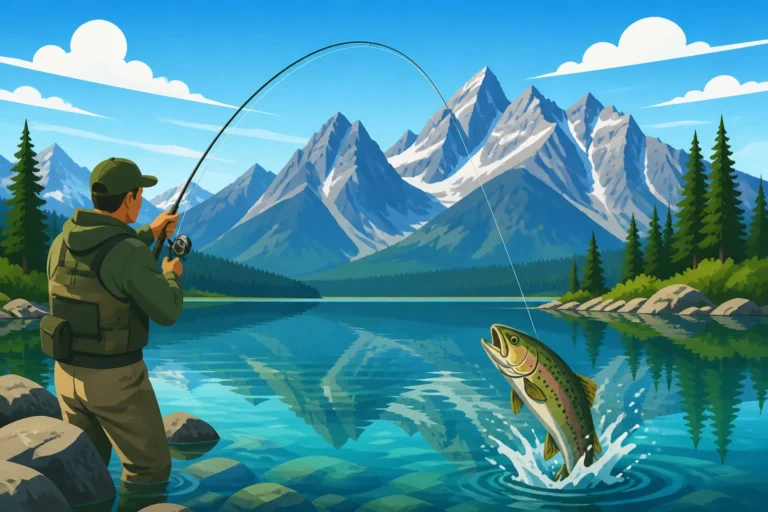
There’s something truly magical about fishing in Wyoming’s high-alpine lakes. The air is crisp, the views are breathtaking, and the silence is profound. But these aren't your typical roadside ponds or easily accessible reservoirs. We're talking about lakes often above 9,000 or even 10,000 feet, nestled in cirques carved by ancient glaciers, where the growing season is short and the water is frigid for much of the year. It's a challenging environment, both for the fish that live there and the anglers determined to reach them.
The Wyoming Game and Fish Department (WGFD) plays a crucial role in maintaining these unique fisheries. Without their efforts, many of these lakes, naturally barren due to extreme conditions or geological barriers that prevent fish migration, would simply hold no fish at all. Their stocking program is a marvel of logistics and ecological understanding, designed to provide incredible angling opportunities in some of the most pristine wilderness areas in the lower 48.
Why Stock Remote Mountain Lakes?
You might wonder why anyone would go to the trouble of stocking fish in lakes that are so difficult for people to access. The answer lies in both opportunity and ecology. Many high-alpine lakes are naturally fishless because they lack suitable spawning habitat or are cut off from other fish-bearing waters by waterfalls, rapids, or sheer elevation. Without intervention, these beautiful bodies of water would remain devoid of fish, missing out on the chance to provide a unique recreational experience.
By stocking these lakes, the WGFD creates diverse fishing opportunities, allowing anglers to target specific species in a pristine, uncrowded setting. It’s also about distributing fishing pressure. When you have more fishable waters, anglers can spread out, reducing impact on heavily used areas. Moreover, these stocked populations often provide a critical food source for other wildlife, contributing to the broader mountain ecosystem, even if the primary goal is recreational fishing.
The Logistics of "Flying Fish"
Getting fish into these remote high-altitude lakes is no small feat. Forget about trucks and boats; the vast majority of fish stocked in the Wind River high lakes arrive by air. This truly spectacular process often involves small planes or, more commonly, helicopters. WGFD personnel carefully load young trout, often mere fingerlings, into specialized tanks of oxygenated water.
Once airborne, these aircraft fly over the designated lakes, and the fish are released from a low altitude, free-falling into their new homes. It sounds intense, but these tiny fish, usually only 1-3 inches long, are incredibly resilient. They hit the water with a splash, and their small size combined with the surface tension helps them survive the drop. It's an efficient, if dramatic, method to seed lakes that would otherwise be inaccessible. This incredible process ensures that even the most secluded tarns can offer a fantastic fishing experience.
Key Trout Species Calling Wind River High Lakes Home
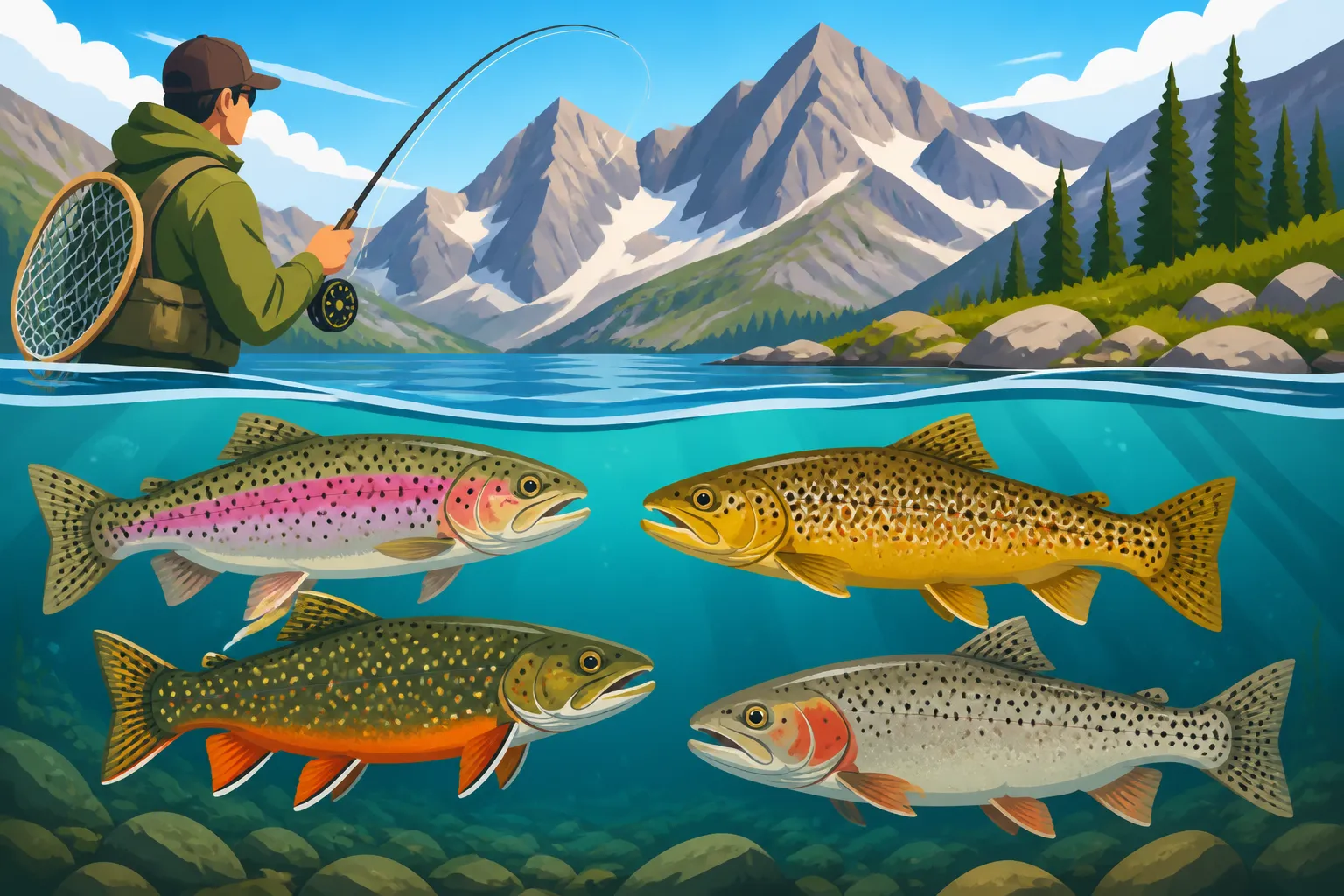
Now, let’s get down to the brass tacks: what kind of trout can you expect to find after all that hiking? The Wyoming Game and Fish Department is very strategic about what they stock where, considering water temperature, food availability, and potential impacts on native species. In the high-alpine environments of the Wind River Range, you'll primarily encounter a few hardy and visually stunning trout species.
| Species | Common Size (High Lakes) | Identifying Features | Preferred Habitat/Notes |
|---|---|---|---|
| Golden Trout | 8-16 inches | Brilliant golden flanks, red lateral stripe, parr marks often remain, no spots below lateral line. | Highest elevation lakes, clear cold water, rocky bottoms, often thrive where other species struggle. |
| Cutthroat Trout | 10-18 inches | Red/orange slash marks under jaw, typically dark spots, may have less vibrant colors than golden. | Widespread across elevations, including high lakes; native subspecies like Yellowstone Cutthroat. |
| Brook Trout | 6-12 inches | Greenish-brown back with worm-like vermiculations, red/orange belly with white leading edge on fins. | Tolerant of cold, low-nutrient water; can overpopulate and stunt in smaller lakes. |
| Rainbow Trout | 10-16 inches | Pink/red lateral stripe, small black spots covering body. | Less common in highest, most remote lakes but occasionally stocked; hardy, fast-growing. |
Golden Trout: The Jewel of the High Country
If you're making the trek to the highest, most secluded lakes in the Wind River Range, you're likely dreaming of catching a Golden Trout. These fish are truly magnificent, renowned for their stunning, brilliant gold flanks, often adorned with a reddish lateral stripe and parr marks that can persist into adulthood. Their bellies are a vibrant orange-red, and they typically have no spots below their lateral line. They are often considered one of the most beautiful trout species in North America, and catching one in its native or near-native habitat is an unforgettable experience. You can dive deeper into their unique characteristics in our guide on Golden Trout Fishing in Wyoming.
Golden Trout thrive in the clear, cold, highly oxygenated waters of extreme high-altitude lakes. They’ve evolved to survive in these harsh environments, often feeding on aquatic insects and zooplankton. While originally native to California's Sierra Nevada, they were extensively introduced to suitable high-mountain lakes across the West, including many in Wyoming's Wind River Mountains, specifically because these lakes were naturally barren and presented a perfect, isolated habitat for them to flourish.
Cutthroat Trout: Wyoming's Native Icons
Another prominent species in the Wind River high lakes is the Cutthroat Trout. In Wyoming, this can include several subspecies, with the Yellowstone Cutthroat being particularly iconic, especially on the eastern side of the Winds that drain into the Yellowstone River system, and the Snake River Fine-Spotted Cutthroat on the western slopes that drain into the Snake River. The defining feature of any Cutthroat is the distinctive red or orange "slash" mark found on the underside of their lower jaw, which gives them their name. Beyond that, their coloration can vary, from silvery-bronze to darker olive-green, usually with small, dark spots scattered across their body. Our article on Identifying a Yellowstone Cutthroat Trout provides great detail.
Cutthroat are resilient and adaptable, making them excellent candidates for stocking in many high-country waters. They are a keystone species in many Western ecosystems, and the WGFD places a high priority on conserving and propagating native populations. While Golden Trout might occupy the very highest, most barren lakes, Cutthroat often do well in slightly lower-elevation alpine lakes and connecting streams, where they might have more access to diverse food sources and even limited spawning habitat.
Brook Trout: Hardy and Abundant
While perhaps not as glamorous as Goldens, Brook Trout are a very common and often abundant species in many of Wyoming’s high-alpine lakes. Originally native to eastern North America, these char were widely introduced across the West, proving incredibly hardy and adaptable to cold, clear mountain waters. You can easily identify a Brook Trout by its distinctive worm-like (vermiculated) pattern on its olive-green back and sides, often with scattered red spots surrounded by blue halos. Their lower fins typically have a white leading edge, followed by black and then orange or red. Learn more about them in our guide to Brook Trout Fishing in Wyoming.
Brook Trout are often stocked because of their hardiness and ability to thrive in challenging conditions. However, their prolific breeding can sometimes be a double-edged sword. In smaller, isolated high-alpine lakes with limited food resources, Brook Trout populations can quickly explode, leading to stunted growth. You might catch many small Brookies in such a lake, while in others with more robust food supplies, they can grow to respectable sizes. They are a fun, aggressive fish to catch, even if they sometimes run a bit small.
Rainbow Trout: Less Common in the Highest Reaches
While Rainbow Trout are one of the most widely stocked and popular game fish in Wyoming's more accessible waters, they are less commonly found in the very highest, most remote lakes of the Wind River Range compared to Goldens or Cutthroats. However, they may still be stocked in certain high-elevation lakes that can sustain them, particularly those at slightly lower altitudes or with more consistent food sources. Rainbows are known for their iridescent pink or red lateral stripe running down their sides and their uniformly small, dark spots over their entire body, including their tail fin.
The WGFD chooses species based on ecological fit. While Rainbows are incredibly hardy and fast-growing, Goldens and Cutthroats are often preferred for the unique, sensitive environments of the highest alpine lakes due to their specific adaptations or native status. If you do find Rainbows in a high lake, they tend to be feisty fighters and a rewarding catch.
Planning Your High-Lake Fishing Adventure
Knowing what species are stocked is just one piece of the puzzle. Fishing these remote waters requires careful planning and a good understanding of the challenges involved. The Wind River Range is truly wild, and while the fishing can be exceptional, it demands respect and preparation.
Researching Specific Lake Stocking Data
The best resource for understanding which species are stocked in specific high-alpine lakes is the Wyoming Game and Fish Department website and their regional offices. They often publish stocking reports or maintain databases that can tell you exactly what species were stocked in a particular lake and when. This can be invaluable for targeting your preferred species. Don't rely solely on old anecdotes; stocking plans can change, and what was true a decade ago might not be today. A quick call to the Pinedale or Lander WGFD regional office can often yield a wealth of up-to-date information.
Remember that these are true backcountry trips, often involving multi-day hikes. Access points can be challenging, but places like the trailheads near Dubois can lead to some incredible helicopter-stocked waters. For those interested in how these efforts link up, our article on How to Reach the Helicopter-Stocked Lakes Near Dubois might be useful. If you're overwhelmed by the planning, or looking for local insights, consider checking platforms like FishingBooker, where many Wyoming guides offer trips that might include or be adjacent to these high-alpine experiences. They often have intimate knowledge of what's biting where, even if they don't go to the highest lakes.
Essential Gear and Techniques for High-Altitude Fishing
Packing light and smart is crucial for high-alpine trips. You’ll be carrying everything on your back, so every ounce counts. For fishing, a lightweight spinning rod or a multi-piece fly rod is ideal. You’ll want to be prepared for both dry fly opportunities, especially during hatches, and nymphing or small spinner/lure presentations for deeper fish. Small, high-density lures like Kastmasters or small Mepps spinners work well for both Goldens and Brookies, while tiny parachute Adams, stimulators, or various nymphs can be deadly for Cutthroat and Goldens on a fly rod.
Remember that these fish often see very little pressure, so they can be quite eager to bite. Clear, fluorocarbon leaders are a good idea in the crystal-clear water. Beyond fishing gear, be sure to bring appropriate clothing for rapidly changing mountain weather, navigation tools, first-aid, and plenty of water or a reliable filtration system. For a comprehensive list, check out What to Bring for a Backcountry Fishing Trip.
Embracing the Challenge of High-Elevation Lakes
Fishing high-elevation lakes isn't just about catching fish; it's about the entire experience. The journey itself is a significant part of the adventure. You'll be surrounded by unparalleled natural beauty, from towering granite peaks to expansive wildflower meadows. These waters often offer stunning views and solitude that are hard to find anywhere else. For more on navigating these unique environments and maximizing your angling success, read our guide on How to Fish Wyoming's High-Alpine Lakes.
Exploring the High-Elevation Lakes in the Wind River Mountains opens up a world of discovery. While the physical exertion is real, the reward of casting your line into a sapphire-blue lake, with only the sound of the wind and the occasional marmot for company, is truly unparalleled. And when you hook into a brightly colored golden or a spirited cutthroat, it’s a moment that will stay with you long after you’ve descended back to civilization. For the serious backpacker-angler, some of the Best Backpacking Fishing Lakes in the Wind Rivers are waiting to be explored.
Preserving These Unique and Fragile Fisheries
The pristine nature of the Wind River high lakes and their inhabitants makes them incredibly special, but also quite fragile. As anglers, we have a profound responsibility to ensure these unique fisheries remain healthy for future generations. Our actions in the backcountry have a direct impact on the delicate balance of these ecosystems.
Practicing Responsible Angling in Sensitive Ecosystems
When fishing in these remote environments, adherence to catch-and-release best practices is paramount, especially for native species like Cutthroat and the prized Golden Trout. Use barbless hooks, handle fish minimally with wet hands, and release them quickly and carefully. Avoid dragging fish onto dry rocks or disturbing delicate shoreline vegetation. You can find excellent guidelines in our article on Catch and Release Best Practices for Trout. The goal isn't just to catch a fish, but to ensure that fish can thrive and reproduce.
Beyond direct fish handling, remember to leave no trace. Pack out everything you pack in, including all trash and fishing line. Be mindful of human waste and follow Leave No Trace principles strictly. These areas are wilderness for a reason, and maintaining that wild character is up to all of us. If you're considering a more structured trip or learning ethical practices from a pro, many guides listed on platforms like FishingBooker are passionate about conservation and can teach you these skills on their trips in more accessible areas, which you can then apply to your high-lake adventures. These platforms are excellent for finding reputable guides for Hiring a Fishing Guide in Wyoming.
Disclaimer
Please remember that fishing regulations, stocking programs, and access information can change. Always consult the official Wyoming Game and Fish Department website or local offices for the most current rules and conditions before planning any fishing trip. Be aware of weather conditions, practice wilderness safety, and always respect private property and tribal lands.