Where the Green River Meets Flaming Gorge Dam
For anglers heading to Wyoming, the sheer scale of the fishing opportunities can be overwhelming, especially when you're trying to pinpoint a specific, legendary spot like where the Green River pours out of Flaming Gorge Dam. It's easy to get lost in maps and regulations, wondering where to even start. This guide is designed to cut through that confusion, giving you a detailed look at this incredible tailwater fishery and everything you need to know to plan a successful, memorable trip.
The Unique Fishery Below Flaming Gorge Dam
The Green River, as it emerges from the depths of Flaming Gorge Reservoir, transforms into one of the most celebrated tailwater fisheries in the American West. It's a place where the water runs clear and cold year-round, creating a perfect environment for robust trout populations. This isn't just another river; it's a meticulously managed ecosystem that consistently delivers incredible angling experiences, drawing dedicated fishers from all corners of the country.
A Tailwater Trout Heaven
What exactly makes a "tailwater" fishery so special? Well, when a river flows out from the bottom of a large dam, like Flaming Gorge, the water released maintains a remarkably consistent temperature. Unlike free-flowing rivers that experience dramatic swings with seasons and weather, this stable thermal regime provides ideal conditions for aquatic insects to thrive, creating a perpetual buffet for trout. The Green River below Flaming Gorge is no exception. This steady environment means a consistent food supply, which in turn leads to healthy, fast-growing fish.
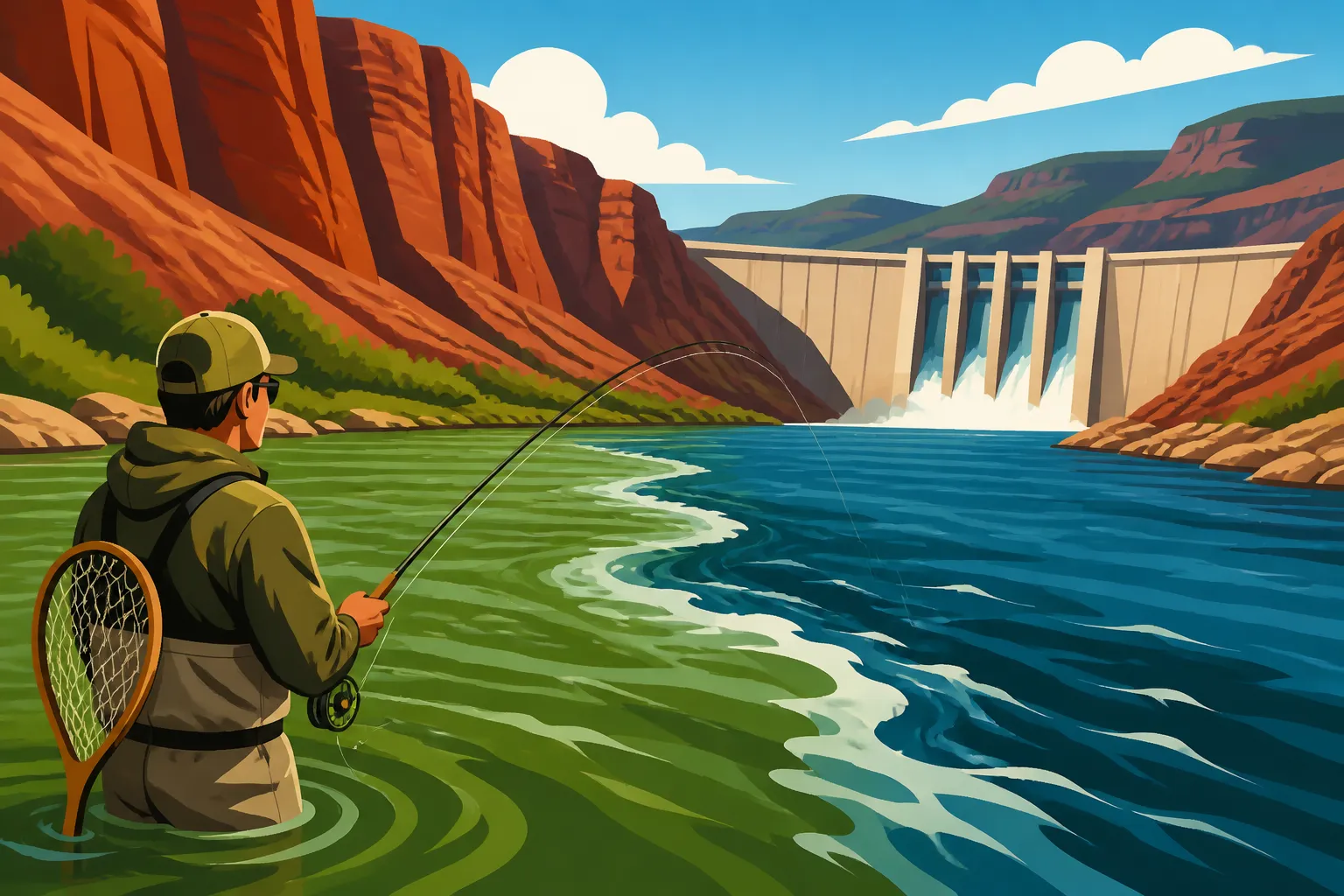
The first few miles below the dam are particularly renowned for their gin-clear water and prolific insect hatches. Here, the Green carves its way through stunning red rock canyons, offering not just world-class fishing but also breathtaking scenery. The consistent flow and nutrient-rich waters make for a vibrant ecosystem where everything from tiny midges to larger stoneflies find a home, supporting a diverse and abundant trout population. It's truly a trout haven, a place where you can often see fish actively feeding in the crystal-clear currents, offering exciting sight-fishing opportunities. For an even deeper dive into this unique environment, check out our guide on the Best Tailwater Fishing Below Flaming Gorge Dam.
Fish Species You'll Encounter
While the Green River below Flaming Gorge Dam is primarily a trout fishery, it's not just a one-species show. You'll find a fantastic mix of cold-water species, each offering a different challenge and reward.
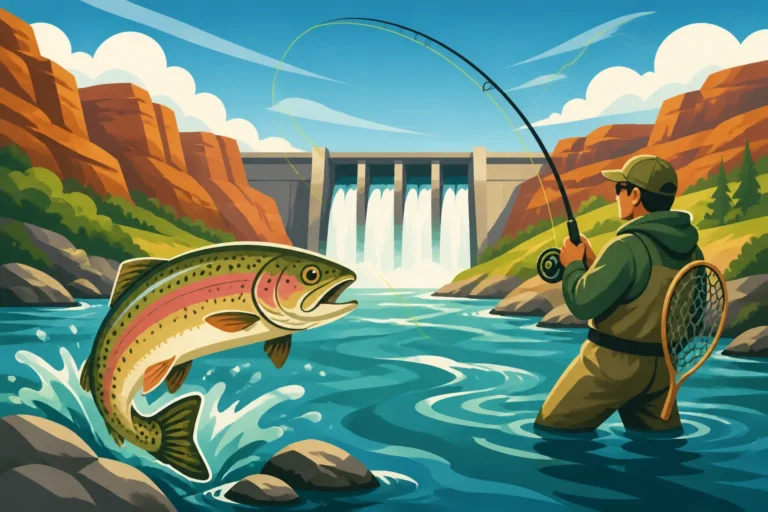
The stars of the show are undoubtedly the Rainbow Trout. These vibrant, hard-fighting fish thrive in the nutrient-rich water and can grow to impressive sizes here. You'll find them throughout the tailwater, often eager to rise to a well-presented dry fly or aggressively strike a nymph. Then there are the Brown Trout, known for their cunning and impressive size. While perhaps not as numerous as the rainbows in certain stretches, landing a large, aggressive brown from the Green is a badge of honor for many anglers. They often lurk in deeper pools and undercuts, requiring a bit more stealth and a heavier presentation.
You'll also encounter Cutthroat Trout, including native populations and sometimes those that have migrated down from the reservoir. These beautiful, often colorful fish with their distinctive red "cut" marks under the jaw are a joy to catch. While less common in the immediate tailwater than rainbows and browns, their presence adds to the ecological diversity. In the wider Flaming Gorge Reservoir itself, which the Green River feeds, other species like Lake Trout (Mackinaw), Kokanee Salmon, and Smallmouth Bass are abundant, but for the river directly below the dam, it's mostly about the trout. Each of these species contributes to the area's reputation as a diverse and prolific fishing destination. To learn more about specific trout species, you might be interested in our guides on Rainbow Trout Fishing in Wyoming and Brown Trout Fishing in Wyoming.
Understanding Access and Regulations
Fishing the Green River below Flaming Gorge Dam isn't just about knowing where the fish are; it's also about understanding how to access the water responsibly and adhering to the specific regulations that protect this precious resource. This section will help you navigate both, ensuring a smooth and legal fishing adventure.
Key Access Points and Boat Ramps
One of the great things about the Green River below the dam is the variety of access options. For those who prefer to float the river, there are several well-maintained boat ramps and put-in/take-out points. The most popular float trip starts right below the dam at the Little Hole boat ramp. This is a primary access point for drift boats and rafts, offering a beautiful float through the canyon. Further downstream, you'll find Indian Crossing, another popular access point, particularly for shorter floats or for those looking to fish specific stretches. Keep in mind that these access points can get busy, especially during peak season, so plan accordingly.
For wade anglers, there are numerous opportunities, particularly in the upper stretches near the dam and at various pull-offs along the river. Areas like the A Section (directly below the dam) and the Little Hole area offer excellent wading, though always be mindful of private property boundaries and respect signage. The water can be swift and cold, so appropriate wading gear is essential. Whether you're planning a float or a wade trip, understanding the river's sections and typical float times will greatly enhance your experience. While you're in the area, you might also want to explore the wider Wyoming's Flaming Gorge Reservoir Fishing Guide for other angling opportunities.
Essential Fishing Regulations
Wyoming, like all states, has a comprehensive set of fishing regulations designed to conserve its fisheries. While general state regulations always apply, specific waters like the Green River below Flaming Gorge often have special provisions. It's absolutely crucial to consult the current Wyoming Game and Fish Department (WGFD) regulations booklet before you cast a line. This isn't just good practice; it's a legal requirement, and ignorance is no excuse for a violation.
Key regulations to watch out for on the Green River tailwater often include:
- Barbless Hooks: Many stretches of the Green River require the use of barbless hooks, particularly in the upper, more heavily managed sections. This regulation is vital for the health of the fish, allowing for easier, less damaging catch-and-release.
- Special Bag and Possession Limits: Limits for trout species can vary significantly from general state limits. There might be specific size restrictions (e.g., only one trout over 16 inches) or reduced daily limits for certain species in certain sections.
- Catch-and-Release Only Areas: Some sections might be designated as strictly catch-and-release to protect spawning populations or trophy fisheries.
- Approved Artificial Lures/Flies Only: Bait fishing is often restricted or prohibited in blue-ribbon trout waters like this tailwater. Always verify what is permissible.
Fines for violations can be steep, and you don't want your memorable fishing trip to end with an unpleasant encounter with a game warden. Always have your Wyoming Fishing Regulations Every Angler Should Know booklet handy, either a physical copy or the digital version on your phone. And of course, make sure you have a valid Wyoming fishing license! Our guide on Where and How to Buy a Wyoming Fishing License can help you with that.
Techniques for Success on the Green River Tailwater
Successfully fishing the Green River below Flaming Gorge Dam requires a blend of adaptability and specific techniques tailored to this rich tailwater environment. Whether you're a seasoned fly angler or prefer spin fishing, understanding the most effective approaches will greatly increase your chances of a memorable catch.
Fly Fishing Strategies
For many, fly fishing is the quintessential way to experience the Green River. The consistent flows and abundant insect life make it a fly angler's paradise, offering diverse opportunities from sub-surface nymphing to exhilarating dry fly action.
- Nymphing: This is hands down the most consistently effective technique on the Green River, especially when fish aren't actively rising. Trout spend the vast majority of their time feeding subsurface on aquatic insect larvae and pupae. A multi-nymph rig, often with a strike indicator, allows you to imitate these insects drifting along the bottom. Key patterns include various sizes of Midges (Zebra Midges, Mercury Midges), Baetis/Blue-Winged Olive nymphs, PMD nymphs, Caddis larvae (Rock Worms), and sometimes even larger Stonefly nymphs. Varying your weight and leader length to get your flies into the correct feeding zone is crucial. Learning about Fly Fishing Techniques for Wyoming Trout Streams will give you a solid foundation for this river.
- Dry Fly Fishing: When the hatches are on, dry fly fishing on the Green is an absolute spectacle. Watching a large trout slowly sip your tiny imitation off the surface is pure magic. Strong hatches of Midges, Blue-Winged Olives, Pale Morning Duns (PMDs), and Caddis occur at different times of the year. Pay attention to the water for rising fish and try to "match the hatch" with your fly selection. Even if no hatch is apparent, sometimes an attractor pattern like a large hopper or a Chernobyl Ant can entice a curious fish.
- Streamer Fishing: For those looking to target larger, more aggressive brown trout, streamer fishing can be incredibly effective. These patterns imitate baitfish like sculpins, dace, or juvenile trout. Fishing streamers requires a more active retrieve, stripping the line to give the fly movement. This technique is often best in lower light conditions, during overcast days, or when the water is slightly off-color.
Spin Fishing Approaches
While fly fishing often takes center stage, spin fishing can be incredibly productive on the Green River, especially for beginners or those who prefer this method. The key is to use appropriate tackle and techniques that respect the river's clear water and resident fish. For tips on getting started, refer to our guide on Spin Fishing Techniques for Beginners.
- Lures: Small, inline spinners (like Panther Martins, Mepps, or Rooster Tails) in silver, gold, or black can be highly effective, especially when cast into riffles or deeper runs. Small spoon lures or mini crankbaits that mimic baitfish are also excellent choices. Focus on natural colors or those with subtle flashes. Cast upstream or across-stream and retrieve at a pace that keeps the lure just above the bottom, allowing it to tumble and flash enticingly.
- Jigging: Small marabou jigs or soft plastic grub jigs, often tipped with a piece of PowerBait or a scented attractant, can be incredibly productive. These are excellent for fishing deeper pools or slower runs where trout might be holding. Use a light jig head that allows for a natural drift with the current, or jig it gently along the bottom.
- Bait Fishing (with caution): While bait fishing is restricted or prohibited in many prime trout sections of the Green River below the dam, if you are in a section where it's allowed, traditional baits like PowerBait, worms, or salmon eggs can work. Always check the regulations explicitly, as many sections only allow artificial lures and flies. When permitted, try drift fishing bait under a float or weightless presentations in slower water.
Regardless of your chosen method, remember that presentation is key in the clear waters of the Green. Use light line, make quiet approaches, and avoid heavy splashes. The fish here are often pressured, so subtlety goes a long way.
Planning Your Trip and Hiring a Guide
A successful fishing trip to the Green River below Flaming Gorge Dam requires a bit of planning, especially if you're traveling from afar. From understanding the best times to visit to deciding whether a guide is right for you, preparation can make all the difference.
Best Seasons and Conditions
The Green River tailwater is often touted as a year-round fishery, and for good reason! Thanks to that consistent water temperature from the dam, it rarely freezes over completely, making it accessible even in winter. However, each season offers a different experience and specific challenges.
- Spring (April-June): This is a prime time as the weather warms up, and insect hatches become more prolific. Blue-Winged Olives, Caddis, and midges can create fantastic dry fly opportunities. Runoff from tributaries can sometimes color the water, but the dam-controlled main stem usually remains clear. This is also when the fish are often very active after the long winter.
- Summer (July-August): Long, warm days make for pleasant fishing. Early mornings and late evenings are often best for dry fly action, as midday can be slow. Terrestrial patterns like hoppers and ants become effective as they fall into the river. The river can see more recreational traffic (rafters, kayakers) during this time.
- Fall (September-November): Many anglers consider fall to be the absolute peak season. Water temperatures are perfect, browns begin their spawning rituals (often making them more aggressive), and large hatches of midges and BWO's continue. The autumn colors of the canyon walls are also spectacular. This is a great time to target trophy browns with streamers. For a broader overview of seasonal changes, check out Wyoming Fishing Seasons Month by Month.
- Winter (December-March): Don't dismiss winter! While colder, the solitude and potential for large trout can be incredible. Nymphing with tiny midge patterns is the go-to technique, as fish hold in deeper, slower water. It requires specialized gear and patience, but catching a big trout on a winter's day is deeply rewarding. Our guide on the Best Winter Fishing Technique Below Flaming Gorge Dam has more detailed tips.
Always check the current flow rates from the dam, as significant changes can impact fishing conditions and safety, especially for float trips. The Bureau of Reclamation usually provides this information online.
Why a Guided Trip Might Be Right For You
For a fishery as renowned and intricate as the Green River below Flaming Gorge Dam, hiring a local guide can be an absolute game-changer, especially if it's your first time. A professional guide offers invaluable expertise that can transform a good trip into an unforgettable one.
- Local Knowledge: Guides spend hundreds of days on the water each year. They know exactly where the fish are holding, what they're eating, and what flies or lures are working right now. This kind of up-to-the-minute intelligence is almost impossible to replicate on your own.
- Instruction and Techniques: If you're new to fly fishing, or want to hone specific techniques like nymphing or reading the water, a guide can provide personalized instruction. They'll teach you casting tips, knot tying, and how to present your fly effectively in different currents.
- Gear and Equipment: Most guided trips include all necessary gear, from high-quality rods and reels to waders and flies. This saves you the expense and hassle of bringing or buying your own, making the trip much more accessible.
- Safety and Navigation: The Green River can have powerful currents and is often float-fished. Guides are trained in river safety and expert boat handling, allowing you to relax and focus on fishing. They also know the best access points and can arrange shuttles.
- Maximizing Time: With a guide, there's no wasted time figuring things out. You'll be put on fish quickly and efficiently, maximizing your valuable time on the water.
If you're considering a guided experience, platforms like FishingBooker are excellent resources for finding reputable, licensed guides operating on the Green River. You can browse different outfitters, read reviews, and find a guide that matches your specific preferences and budget. This takes the guesswork out of booking, ensuring you connect with experienced professionals who can provide a top-notch outing. Whether you're a seasoned angler seeking a trophy or a beginner hoping to catch your first trout, a guide can significantly enhance your experience. Learn more about the benefits of a guided trip in our article on Hiring a Fishing Guide in Wyoming.
| Feature | Fly Fishing | Spin Fishing |
|---|---|---|
| Primary Target | Trout (Rainbow, Brown, Cutthroat) | Trout (Rainbow, Brown, Cutthroat) |
| Gear Required | Fly rod, reel, line, leaders, tippet, flies | Spin rod, reel, monofilament/braid, lures, bait* |
| Best Techniques | Nymphing, Dry Fly, Streamer | Lures (spinners, spoons), Jigs, Bait* |
| Learning Curve | Moderate to High | Low to Moderate |
| Stealth Required | High (especially for clear water and wary fish) | Moderate to High |
| Seasonality | Excellent year-round, especially during hatches | Excellent year-round, versatile for different conditions |
| Cost of Entry | Moderate to High | Low to Moderate |
| Common Patterns/Lures | Midges, BWO Nymphs, Caddis, Hoppers, Sculpins | Inline Spinners, Small Spoons, Marabou Jigs, PowerBait* |
| Key Advantage | Mimics natural insects precisely, highly engaging | Versatility, ease of casting, effective for beginners |
| Regulation Note | Often preferred/required in specific areas | *Check regulations carefully for bait restrictions |
Disclaimer
Please remember that fishing regulations, conditions, and fish behavior can change. Always consult the official Wyoming Game and Fish Department (WGFD) website or current regulations booklet for the most up-to-date and accurate information before planning or embarking on your fishing trip. Stay safe, respect the environment, and practice ethical angling.