Best Rod and Reel Combo for a Beginner
One of the biggest hurdles for anyone looking to get into the wonderful world of Wyoming fishing is figuring out where to start with gear. It can feel totally overwhelming, walking into a sporting goods store or browsing online, staring at walls of rods and reels, not knowing what any of it means. If you're a beginner, or even if you're looking to introduce a friend or family member to the joy of casting a line in our beautiful state, you need a straightforward, effective rod and reel combo that won't break the bank or intimidate you. This guide is all about helping you pick that perfect first setup so you can focus on the fun part: catching fish!
Why Your First Rod and Reel Combo Matters (and What to Avoid)
When you're just starting out, the temptation might be to grab the cheapest rod and reel combo you can find, thinking it's "good enough." Or, conversely, you might feel pressured to invest in high-end gear that promises to make you a pro overnight. Both approaches can lead to frustration and actually hinder your learning and enjoyment. Your first combo should be a tool that fosters success, not creates unnecessary obstacles.
The Pitfalls of "Any Old Rod"
I've seen it countless times: eager beginners show up with a rod that's either too stiff, too flimsy, or has a reel that jams every other cast. This isn't just annoying; it makes learning proper casting techniques almost impossible. Imagine trying to learn to drive in a car with a finicky clutch and sticky brakes – you'd quickly get discouraged! A rod that's too heavy or long for small streams, or a reel that constantly backlashes, can turn a peaceful day on the water into a battle with your equipment. You want gear that feels like an extension of your arm, not a clumsy appendage. A poorly matched rod and reel can mean tangled lines, missed bites, and ultimately, a less enjoyable experience, which is the last thing we want when introducing someone to Wyoming's incredible fishing. It's about finding that sweet spot of functionality and ease of use.
Key Features to Prioritize for New Anglers
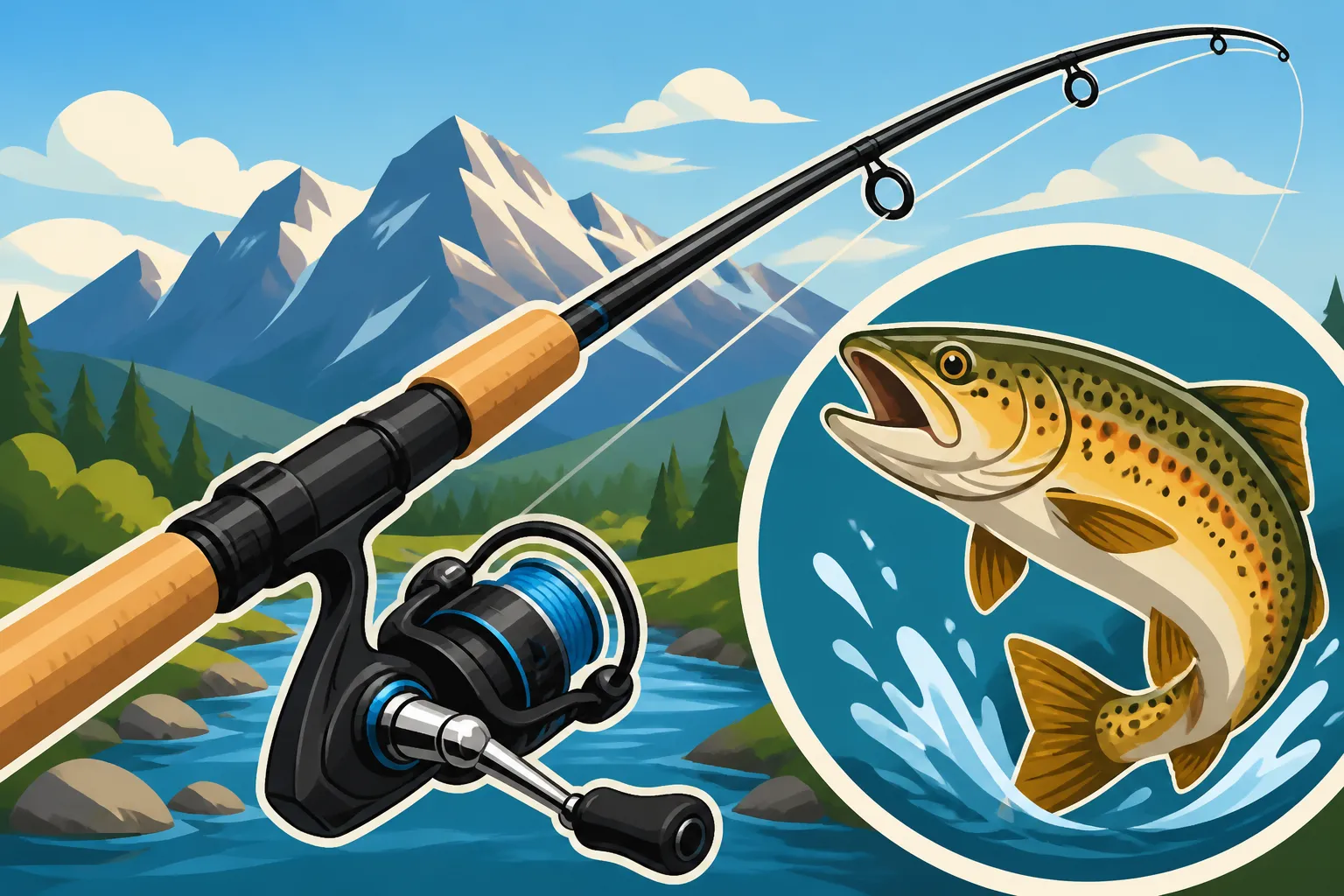
So, what should you really look for? Simplicity, versatility, and durability are your best friends. You want a setup that's forgiving, meaning it's easy to cast, handles a variety of lures or baits, and can withstand a few bumps and drops (because let's be real, it happens!). An ideal beginner combo will have a moderate action rod, which bends easily enough to help with casting but still has enough backbone to fight a decent fish. The reel should be smooth, with an easy-to-use drag system, and pre-spooled with decent quality line if possible. Don't worry about hyper-specialized features right now; focus on a balanced, comfortable setup that feels good in your hands. This foundation will allow you to develop good habits and enjoy your time on the water, whether you're targeting the native Yellowstone Cutthroat Trout or enjoying some Rainbow Trout Fishing in Wyoming.
Spinning Combos: The Beginner's Best Friend for Wyoming Waters
For the vast majority of new anglers, especially those looking to fish Wyoming's diverse waters, a spinning rod and reel combo is the absolute way to go. It’s far more user-friendly than a baitcaster, significantly more versatile than a spincast, and offers a much better learning curve for developing casting skills.
Understanding Rod Action and Power for Versatility
When you hear "rod action" and "rod power," it might sound like technical jargon, but it's really quite simple and crucial for a beginner.
- Rod Action refers to where the rod bends. For beginners, a moderate-fast or moderate action rod is often ideal. This means the rod bends mostly in the upper half or third, which makes casting lighter lures or baits much easier and provides more "give" when a fish strikes, reducing the chance of pulling the hook. It's forgiving and helps you feel what's happening at the end of your line. A fast action rod, which bends only at the very tip, can be harder to cast for new anglers and may pull hooks more easily.
- Rod Power refers to the rod's strength or backbone. For general Wyoming trout fishing, a light or medium-light power rod is typically perfect. It's strong enough to handle most trout you'll encounter in streams and smaller lakes but sensitive enough to feel those subtle bites. A rod that's too heavy (like a medium or medium-heavy) will be overkill for most trout and make smaller fish feel like nothing.
Think about it this way: if you're trying to cast a light fly or a small spinner into a meandering creek, a moderate-fast, medium-light rod will load up with minimal effort, sending your presentation exactly where you want it. This versatility is key when you're just starting, as you'll likely be experimenting with different techniques, from Spin Fishing Techniques for Beginners to simple bait presentations. Many reputable brands offer excellent beginner combos on platforms like Amazon, making it easy to compare options and read reviews before committing.
Matching Your Reel Size and Line to Wyoming's Trout
The reel on your spinning combo needs to complement the rod and the fish you're after. For most trout fishing in Wyoming, a reel in the 1000 to 2500 series (sometimes labeled as 10, 20, or 25) is a fantastic starting point. These reels are compact, lightweight, and hold enough line for typical trout encounters without being bulky.
- Reel Size: A 1000-series reel is great for smaller streams and lighter lures, while a 2500-series offers a bit more line capacity and cranking power for larger fish or slightly bigger waters. For a true all-around beginner setup, a 2000-series reel often hits that sweet spot.
- Line: For trout, 4 to 8-pound monofilament line is a great choice. Monofilament (mono) is easy to tie, has good stretch (which helps cushion powerful runs from a fish), and is relatively inexpensive. Don't go too heavy on the line; lighter line is less visible to fish and allows for better casting distance with lighter lures. Many beginner combos come pre-spooled with decent mono, which is a huge plus for new anglers. This saves you the hassle of spooling line yourself and gets you on the water faster. You'll want to check the line regularly for nicks and abrasions, especially if you're fishing rocky riverbeds.
For example, if you're planning a trip to a spot known for decent-sized browns or rainbows, say the North Platte River (where you'll need to know about Barbless Hook Requirements on the North Platte River), a 2500-series reel with 6-pound test line would be a confidence booster. For smaller creeks teeming with Brook Trout Fishing in Wyoming, a 1000-series with 4-pound test would be a more delicate, stealthy approach.
Spincast Combos: A Simpler (But Limited) Alternative
While spinning combos are generally superior for learning and versatility, it's worth mentioning spincast combos, especially for very young children or those who struggle with fine motor skills. Spincast reels are incredibly simple to operate: you press a button, cast, and crank. There’s no bail to flip, and tangles are far less common than with spinning reels for absolute beginners.
However, their simplicity comes with significant limitations. Spincast reels typically have less precise drag systems, don't cast as far, and are much less suitable for lighter lures or baits. They also offer less sensitivity, making it harder to feel subtle bites. For an adult or older child truly wanting to learn to fish and progress, a spinning combo will provide a better foundation. But if you're introducing a very young child to fishing, like those Do Kids Need a Fishing License in Wyoming? (they often don't below a certain age), a spincast might be the perfect entry point, allowing them to experience the thrill of a fish on the line without the initial frustration of more complex casting. Once they get the hang of it, they can easily transition to a spinning setup. You can often find decent, inexpensive spincast options on Amazon as well, often bundled with beginner tackle kits.
Top Considerations for Your First Wyoming Fishing Adventures
Once you have a general idea of the type of combo you're looking for, there are a few more practical considerations that will enhance your beginner fishing experience in Wyoming. It's not just about the rod and reel; it's about the whole package that makes your outing smooth and enjoyable.
Balancing Affordability with Durability
You don't need to empty your wallet to get a good beginner rod and reel combo. In fact, many excellent, reliable options are available at very reasonable price points. Look for combos in the $50-$100 range. At this level, you can find setups that offer a good balance of quality components, smooth operation, and durability. Brands like Ugly Stik, Shimano, and Penn often have fantastic entry-level combos that perform well and stand the test of time.
- Don't Go Too Cheap: While saving money is great, ultra-cheap combos (under $30) often come with flimsy rods, sticky reels, and poor-quality line that will quickly frustrate you. These are often made with cheap plastics and metal components that corrode quickly, especially if you're not diligent about cleaning them.
- Consider a Reputable Brand: Even in their beginner lines, established fishing brands tend to use better materials and have superior quality control. A combo from a known brand, even if it's their budget offering, is usually a safer bet than a no-name brand. Reading customer reviews, especially on sites like Amazon, can give you a lot of insight into the real-world performance and longevity of a particular combo.
- Look for Sales: Keep an eye out for seasonal sales. Sometimes you can snag a mid-range combo for the price of a budget one, offering even better value.
Remember, you're investing in an experience. A reliable combo will make your first few trips much more pleasant, encouraging you to keep fishing. Think about it like this: you're planning to explore some beautiful areas, perhaps some Fishing Spots Inside Grand Teton National Park or just a local pond; you want gear that works, not gear that fights you.
Essential Accessories to Complement Your Combo
A rod and reel combo is just the start! To truly be prepared for your Wyoming fishing adventures, you'll need a few essential accessories. These aren't just extras; they're crucial for safety, convenience, and success.
- Tackle Box & Lures/Bait: A small tackle box with a few basic lures (like spinners or small spoons) and some bait (worms, powerbait) is a must. For beginners, simple, effective lures are better than complex ones. Make sure you're aware of any bait restrictions for specific waters, as some areas in Wyoming have strict rules. You can find excellent starter kits that include a small box and an assortment of proven trout lures.
- Needle Nose Pliers or Hemostats: Absolutely essential for removing hooks from fish (and sometimes from yourself!). This is critical for practicing Catch-and-Release Rules on Wyoming Waters and for the safety of both you and the fish.
- Stringer or Cooler: If you plan to keep your catch, a stringer to keep fish alive in the water or a small cooler with ice is necessary to keep them fresh. Knowing How to Fillet a Trout for the First Time is also a great skill to learn!
- Fishing License: Don't forget this! Every angler 14 years or older needs a Wyoming Fishing License Guide for Nonresidents or a resident license. Even if you're just trying it out, it's a legal requirement. You can usually pick these up at local sporting goods stores or often purchase them online before you go.
- Sun Protection: Sunglasses, a hat, and sunscreen are crucial. Wyoming sun can be intense, even on cloudy days, and polarized sunglasses will help you see into the water, potentially spotting fish or structure.
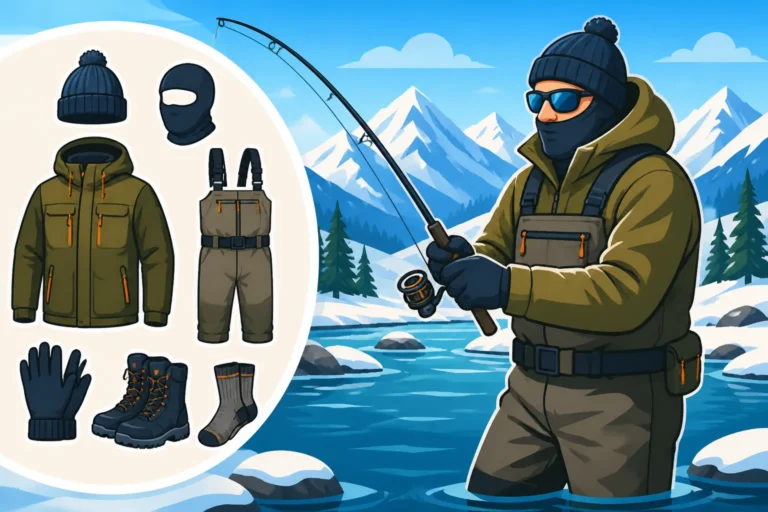
- Appropriate Clothing: Dress in layers. Wyoming weather can change on a dime. Even in summer, mornings can be chilly, and afternoons can be hot. Good waterproof footwear is also a wise choice if you plan on wading.
Building up your gear collection little by little is part of the fun of fishing. Start with the basics, and you can add more specialized items as you gain experience and discover what kind of fishing you enjoy most. Many of these essential items can be found conveniently on Amazon alongside your rod and reel combo, allowing for a one-stop shopping experience.
Learning the Ropes: Practice Makes Perfect
Having the right gear is a huge step, but the real secret to enjoying fishing is practice. Don't expect to be a master caster on your first outing, and that's perfectly okay!
- Start Simple: Begin by practicing your casting in an open yard or a local park (away from people, of course!). Focus on a smooth, controlled motion rather than trying to hurl your lure as far as possible. This builds muscle memory and confidence.
- Go with a Mentor: If possible, go fishing with an experienced angler. They can offer tips, show you how to tie knots, and help you troubleshoot common issues. There are also many local fishing clubs and even Family-Friendly Guided Fishing Trips in Wyoming that can provide instruction.
- Read Up: The Wyoming Game and Fish Department provides incredible resources, including their annual fishing regulations booklet, which details everything from How Bag and Possession Limits Work in Wyoming to specific water rules. Reading this will make you a more informed and responsible angler. You might also find helpful articles about How to Read Water When Trout Fishing or What to Bring for a Family Fishing Day to further enhance your preparedness.
- Embrace the Process: Fishing isn't just about catching fish; it's about being outdoors, enjoying nature, and the peaceful challenge of it all. There will be days when the fish aren't biting, and that's part of the experience. Learn to enjoy the quiet, the scenery, and the simple act of casting. Every outing, whether you catch a trophy or nothing at all, is a learning opportunity.
The table below offers a simple comparison of different beginner combo types to help visualize your options:
| Combo Type | Best For | Pros | Cons | Ideal Target Fish in Wyoming |
|---|---|---|---|---|
| Spinning | General purpose, learning, versatility | Easy to cast, versatile, good sensitivity, wide range of lures | Can get line twist if not careful, requires some practice for accuracy | Trout, Perch, Bass |
| Spincast | Absolute beginners, young children | Extremely simple to use, few backlashes, quick to learn basics | Limited casting distance, poor drag, less versatile, lower sensitivity | Small Trout, Panfish |
| Baitcaster | Experienced anglers, heavy lures, precision | High accuracy, powerful drag, excellent for heavy cover | Difficult to learn, prone to backlashes, not recommended for beginners | Larger Bass, Pike, Walleye |
By focusing on a reliable spinning combo, practicing your cast, and embracing the learning process, you'll be well on your way to countless rewarding hours on Wyoming's beautiful waters. Tight lines!
Disclaimer
This article is for general informational purposes only and does not constitute professional advice. Laws, prices and regulations vary by location and change over time. Consult a qualified professional for guidance on your specific situation.