What Gear to Pack for a Backcountry Fishing Trip
The idea of slipping away into Wyoming's vast wilderness, with nothing but your pack and a fishing rod, sounds like pure bliss, doesn't it? But then reality hits: how on earth do you decide what to pack for a backcountry fishing trip when every ounce counts and forgetting one crucial item could ruin your adventure? It's a common dilemma, feeling overwhelmed by the sheer volume of gear options while knowing you need to be self-sufficient miles from the nearest road. This guide is here to untangle that knot, offering a realistic, comprehensive breakdown of the essential gear you need to pack for a safe, successful, and truly unforgettable fishing journey into Wyoming's wild heart.
Essential Fishing Gear for Backcountry Success
Venturing into the backcountry with a fishing rod is about minimalism and efficiency. You can't just bring your whole tackle box or every rod you own. The key is to select gear that performs reliably, is lightweight, and serves multiple purposes if possible. Every item needs to earn its place in your pack, especially when you're trekking through high-altitude terrain or navigating dense timber. It’s a challenge to balance readiness with practicality, but with the right choices, you'll be well-equipped without feeling like a pack mule.
Rods, Reels, and Line Choices
When it comes to your fishing rod, the days of strapping a full one-piece rod to the outside of your backpack are largely over, and for good reason—they're just too prone to snapping on the trail. For backcountry fishing, a multi-piece rod is an absolute game-changer. Look for a 4-piece, 6-piece, or even an ultra-compact 7-piece rod that breaks down into a small, manageable section that can easily fit inside your pack. This protects your rod from snags, falls, and accidental damage, which is incredibly important when you're miles from the nearest outfitter. A medium-light action rod, typically in the 3-5 weight range for fly fishing or 6'6" to 7' for spinning, offers enough versatility to handle everything from feisty brook trout in a small stream to a larger cutthroat in a high mountain lake.
Your reel should match your rod in both weight and durability. A lightweight, reliable reel that balances well with your rod will make casting and fighting fish less fatiguing. For fly anglers, a simple click-and-pawl or a basic disc drag reel is perfectly sufficient for most high-country trout. Spin fishermen will want a small, smooth spinning reel with a good drag system. When it comes to line, consider a main line that is strong enough to handle potential snags and a variety of fish sizes, but not so heavy it limits your casting ability. For fly fishing, a weight-forward floating line is almost always the best choice for the diverse conditions you'll encounter. Spin fishermen might opt for 4-8 pound monofilament or fluorocarbon, or even a braided line with a fluorocarbon leader for added sensitivity and abrasion resistance. Remember, you can always lighten your leader or tippet if conditions demand it.
Don't forget the importance of bringing a small amount of spare line or tippet, just in case you experience a major tangle or break-off. High-alpine environments can be harsh, with sharp rocks and thick brush, and a little extra insurance goes a long way. Many experienced backcountry anglers prefer to bring a compact setup that can handle various techniques, allowing them to switch from dry flies to nymphs, or from spinners to bait, without needing to carry multiple rods and reels. Researching the specific lakes you plan to visit can also help tailor your choices; for instance, some deep lakes might hold larger Lake Trout (Mackinaw) that require slightly heavier gear than a typical mountain brook trout stream. For more insights on the types of fish you might encounter, check out our guide on What Trout Species Are Stocked in Wind River High Lakes.
Tackle and Lures: Less is More
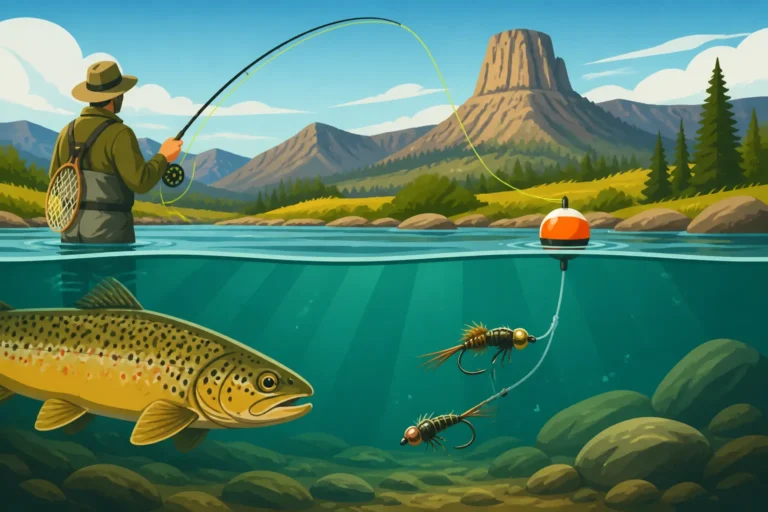
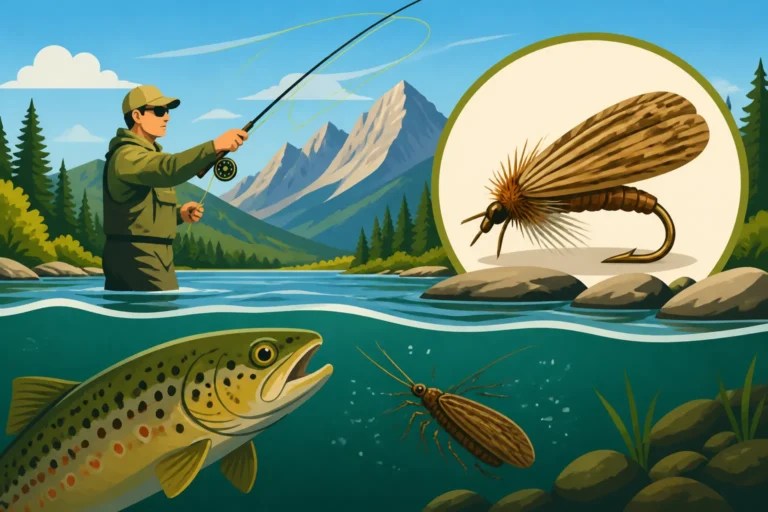
This is where many anglers, myself included, have gone wrong in the past. The temptation to bring every "secret weapon" lure or fly pattern is immense. However, when every ounce means more effort on the trail, you learn quickly that versatility trumps quantity. Instead of a bulging tackle box, think about a small, compact fly box or a tiny utility case that fits in a vest pocket or the lid of your pack. Fill it with a carefully curated selection of proven patterns and lures. For fly anglers, this often means a good assortment of generalist dry flies (like Elk Hair Caddis, Adams, Parachute Adams), nymphs (Pheasant Tail, Hare's Ear, Prince Nymph), and a few small streamers or woolly buggers. These patterns imitate a wide range of insects and baitfish, covering most situations you'll encounter in Wyoming's high country.
Spin fishermen should focus on a handful of versatile lures that have a good track record with trout. Small inline spinners (Mepps, Panther Martin), spoons (Kastmaster, Little Cleo), and maybe a few small jerkbaits or soft plastics can cover a lot of ground. Consider the colors carefully; often, natural tones work best, but a few brighter options can be great for off-color water or aggressive fish. Don't forget the essential terminal tackle: a small container of split shot or tungsten weights, a few strike indicators, extra leaders and tippet in varying strengths, and a selection of small swivels and snaps if you use them. You can find excellent, lightweight, and waterproof tackle organization options on Amazon that are specifically designed for minimal packing.
The real trick is to bring what you know works, not just what you hope works. Experimentation is fun, but in the backcountry, you want reliable producers. If you're targeting specific species, tailor your selection. For instance, if you're hiking to an isolated lake known for large golden trout, you might lean into tiny nymphs and small dry flies, as these fish often feed on specific, smaller invertebrates. Our guide on Golden Trout Fishing in Wyoming has more details on this. Before you go, check recent fishing reports if possible, but ultimately, trust your instincts and stick to a core set of offerings that give you confidence.
Waders and Footwear
The decision to bring waders on a backcountry trip is often a personal one, heavily influenced by the conditions of the water you plan to fish and your tolerance for cold. For many high-country streams and shallow lake edges, quick-drying hiking pants or shorts paired with river shoes might be sufficient, especially in summer. However, if you plan to fish deeper rivers or spend extensive time wading in cold mountain runoff, lightweight, breathable chest waders can be a godsend. Modern waders are far lighter and more packable than older models, but they still add significant bulk and weight. If you opt for waders, ensure they are well-repaired and waterproof before you leave; a leaky wader in the backcountry is miserable.
Regardless of whether you bring waders, your hiking footwear is absolutely critical. This isn't the place to skimp. Invest in sturdy, waterproof hiking boots that are well broken-in and provide excellent ankle support. You'll be traversing uneven terrain, possibly crossing rocky streambeds, and relying on these boots to keep your feet comfortable and protected for miles. Pair them with quality wool or synthetic hiking socks to wick away moisture and prevent blisters. Bringing one or two extra pairs of socks is always a good idea. If you decide against waders, consider bringing a separate pair of lightweight, quick-drying water shoes or wading sandals for stream crossings or wading shallow sections. Your hiking boots can then stay dry, which is essential for comfort and preventing foot issues over multiple days.
Nothing saps morale faster than wet, cold feet or debilitating blisters in the middle of a multi-day hike. Spend time selecting and testing your footwear well in advance. Consider waterproof gaiters if you anticipate wet trails or heavy dew. These will keep debris out of your boots and offer an extra layer of protection against moisture. Remember that elevation changes and varied terrain mean your feet will be working hard. Take care of them, and they'll take care of you.
Beyond the Rod: Crucial Camping and Safety Equipment
Backcountry fishing isn't just about catching fish; it's about self-reliance in the wild. When you're miles from civilization, your camping and safety gear become just as important as your fishing tackle. Wyoming's mountains can be unforgiving, with sudden weather changes, challenging navigation, and potential wildlife encounters. Planning for these eventualities means carrying gear that keeps you safe, warm, and hydrated, allowing you to focus on the fishing and the beauty around you. This category is non-negotiable for a truly responsible and enjoyable trip.
Shelter and Sleep Systems
Your shelter is your refuge from the elements, and in Wyoming's high country, the elements can be fierce and unpredictable. A lightweight, three-season (or even four-season, depending on the time of year and elevation) backpacking tent is usually the most practical choice. Look for models that offer a good balance of durability, storm-worthiness, and low weight. Tents designed for backpacking often pack down incredibly small and are relatively quick to set up, which is a blessing after a long day of hiking and fishing. Alternatively, some ultralight enthusiasts might opt for a tarp and bivvy setup, which is even lighter but requires more skill and comfort with exposure to the elements.
Your sleeping bag and pad are equally important for a good night's rest, which is crucial for multi-day trips. Even in the height of summer, high-altitude nights in Wyoming can drop below freezing. Choose a sleeping bag rated for temperatures at least 10-15 degrees Fahrenheit colder than the lowest temperature you anticipate, just to be safe. Down-filled bags offer the best warmth-to-weight ratio, but synthetic options are more affordable and perform better if they get wet. Pair your sleeping bag with a comfortable and insulating sleeping pad. Inflatable pads offer superior comfort and warmth but can be punctured, so a repair kit is a must. Closed-cell foam pads are virtually indestructible but bulkier and less comfortable. Getting quality sleep directly impacts your energy levels and enjoyment on the trail and by the water.
When selecting a campsite, always choose a durable surface, away from water sources (at least 200 feet), and be mindful of potential rockfall or dead trees. Practice Leave No Trace principles diligently. A good shelter and sleep system aren't just about comfort; they're about survival if unexpected weather rolls in, turning a pleasant evening into a challenging one. For guidance on when you might face these colder temperatures, our Wyoming Fishing Seasons Month by Month guide can be very helpful in planning.
Navigation and Communication
In the backcountry, your smartphone might as well be a paperweight when it comes to communication or reliable navigation. Cell service is practically non-existent in many of Wyoming's remote areas. Therefore, robust navigation tools are paramount. Always carry a physical, waterproof map of the area you'll be exploring, along with a reliable compass, and know how to use them. While paper maps are old school, they don't run out of battery. Complement these with a dedicated GPS device or a reliable GPS app on your phone (download maps beforehand!), but never rely solely on your phone's battery. A portable power bank is also a wise addition for charging small electronics.
For communication, especially in emergencies, a satellite messenger device like those offered by Garmin InReach or Zoleo is an absolute game-changer. These devices allow you to send and receive text messages, track your progress, and, most importantly, send an SOS signal to emergency services, even when you're far from cell towers. This isn't just a convenience; it's a critical safety tool that could save your life or someone else's. Many individuals purchase these from Amazon before a big trip to test them out. Before heading out, make sure to leave a detailed itinerary with a trusted friend or family member, including your planned route, expected return date, and emergency contact information. This is one of the simplest yet most effective safety precautions you can take for any backcountry trip.
Consider carrying a small, loud whistle in case you need to signal for help or alert wildlife to your presence. While direct communication with the outside world might be limited, being able to pinpoint your location and alert others to an emergency can drastically reduce response times and improve outcomes. For further details on responsible outdoor practices, our Fishing Wyoming's Wilderness and Backcountry Lakes resource offers additional insights.
First Aid and Emergency Preparedness
A comprehensive first aid kit is non-negotiable for any backcountry trip. You're your own first responder out there. Your kit should be tailored to the duration of your trip and the number of people in your party, but at a minimum, it should include items for cuts, scrapes, blisters, sprains, insect bites, and allergic reactions. Don't forget any personal medications you or anyone in your group might need, along with a few days' extra supply. Pain relievers, anti-diarrhea medication, and allergy pills are always smart additions. Knowing how to use everything in your kit is just as important as having it.
Beyond basic first aid, think about general emergency preparedness. A reliable headlamp (with extra batteries!) is essential for navigating camp or dealing with emergencies after dark. A multi-tool with a knife, pliers, and other handy functions can get you out of a bind. Fire-starting supplies, even if you don't plan to have a campfire, are vital. Waterproof matches, a lighter, and a fire starter cube can mean the difference between warmth and hypothermia in a sudden cold snap. And, of course, in Wyoming, bear spray is a must-have, carried in an easily accessible holster, not buried in your pack. Knowing how to use it safely and effectively is crucial.
Water is life, especially in the backcountry. While you'll be near pristine mountain streams and lakes, always assume that water needs to be purified. A reliable water filter, purification tablets, or a UV purifier are essential. Carry at least one day's worth of water capacity, plus your purification system. Sun protection is also critical at higher altitudes; a wide-brimmed hat, sunglasses, and high-SPF sunscreen will protect you from intense UV rays. Pack layers of clothing appropriate for various weather conditions, as temperatures can fluctuate wildly throughout the day. For advice on handling and releasing your catch responsibly, refer to our guide on Catch and Release Best Practices for Trout.
Packing Smart: Strategies for Lightweight and Efficient Hauls
You've got your essential gear list, but fitting it all into a comfortable pack and ensuring it's accessible and protected is an art form. Backcountry travel demands a thoughtful approach to packing. It's not just about what you bring, but how you bring it. Being efficient with your packing can significantly reduce fatigue on the trail, prevent gear damage, and ultimately make your fishing experience far more enjoyable. Nobody wants to be struggling with an unbalanced, heavy pack when there's an incredible trout stream just around the bend.
Weight Reduction Techniques
Every single ounce truly matters when you're carrying everything on your back for multiple days. The first rule of weight reduction is to weigh everything you plan to take. You'll be surprised at how quickly small items add up. Start by replacing heavy, bulky items with their lighter, more compact counterparts. For instance, swap that heavy glass coffee mug for a titanium one, or a bulky sleeping bag for a compressible down version. Consider multi-use items: a bandana can be a pot holder, head covering, or towel; trekking poles can double as tent poles for some ultralight shelters. Many anglers find great ultralight options available on Amazon by searching for "backpacking fishing gear."
Another fantastic technique is to repackage consumables. Get rid of bulky packaging for food items, toiletries, and even your first aid supplies. Transfer toothpaste to a smaller tube, divide snacks into daily portions, and leave behind anything that isn't absolutely essential for safety or comfort. For items like tent stakes or even your cooking pot, consider if you really need the heaviest duty option, or if a lighter version will suffice. Evaluate every item and ask yourself, "Do I truly need this, or is there a lighter alternative, or can I do without it entirely?" This disciplined approach, while sometimes feeling restrictive, is what allows you to cover more ground with less effort and less strain on your body.
Don't forget to trim weight from your fishing gear itself. Do you need a large, heavy landing net, or will a small, lightweight folding net (or even none at all, practicing careful hand-landing) suffice? Can you leave the heavy leader wallet at home and just bring a few spools of tippet? These small decisions accumulate and can make a noticeable difference in your overall pack weight, especially on extended trips to remote spots like the Best Backpacking Fishing Lakes in the Wind Rivers.
Organizing Your Pack
A well-organized pack is a happy pack, and a happy pack makes for a happy hiker. Proper loading of your backpack is key to comfort and stability on uneven trails. Generally, you want to put heavy items (like food and water) close to your back and roughly between your shoulder blades. Lighter, bulkier items (like your sleeping bag and spare clothes) can go at the bottom, helping to absorb shock and provide a comfortable base. Items you'll need frequently throughout the day—such as snacks, water bottles, a map, compass, and rain gear—should be easily accessible in exterior pockets or the top lid of your pack.
Utilize dry bags and stuff sacks to compartmentalize your gear and protect it from moisture. This not only keeps your essentials dry during a sudden downpour or an accidental fall into a stream but also helps keep your pack tidy and makes it easier to find what you need without rummaging through everything. Color-coded stuff sacks are particularly useful for quickly identifying where different categories of gear are stored (e.g., blue for clothes, red for food, green for fishing tackle). Consider a rain cover for your entire pack, even if your pack is "water resistant"; true waterproofing is vital in unpredictable mountain weather.
When you're packing, remember to distribute weight evenly. An unbalanced pack will pull on one shoulder or throw you off balance, especially on tricky terrain. Pack it tight to prevent items from shifting around as you move. A well-packed backpack feels like an extension of your body, allowing you to move freely and comfortably, focusing on the incredible scenery and the fishing opportunities that await, rather than a nagging discomfort from poorly distributed weight.
Food and Water Planning
Fueling your body properly is just as important as your gear when you're expending significant energy in the backcountry. Your food choices need to be high in calories, lightweight, non-perishable, and easy to prepare. Dehydrated backpacking meals are an excellent option for dinners, offering a full, hot meal with minimal weight and effort. For breakfast, instant oatmeal, granola, or dehydrated eggs work well. Snacks throughout the day—nuts, energy bars, dried fruit, jerky—are crucial for maintaining energy levels. Plan your meals carefully, portioning out exactly what you'll need for each day to avoid carrying excess weight.
Water is perhaps the single most critical item. Always carry enough water to get you to your next known reliable water source. Given Wyoming's abundance of streams and lakes, you'll likely find plenty of water, but it must be purified. A reliable water filter (like those from Sawyer or Katadyn) is often the preferred method for its speed and effectiveness. Back-up purification tablets are a wise addition in case your filter clogs or breaks. Remember, even crystal-clear mountain water can harbor giardia or other pathogens. Staying hydrated prevents fatigue, headaches, and other potential issues that can quickly turn an enjoyable trip into a struggle.
Don't forget electrolytes, especially if you're sweating a lot or if the weather is warm. Powdered drink mixes or electrolyte tablets can be added to your water to replenish essential minerals. When preparing and consuming food, practice excellent wilderness hygiene: wash your hands, clean your cooking area, and pack out all trash, including food scraps. Leaving no trace of your visit is part of respecting the wild spaces you enjoy. Understanding How to Read Water When Trout Fishing can also help you identify potential safe water sources while out on the streams.
Backcountry Fishing Trip Checklist
| Item Category | Essential Items | Why It's Essential | Weight Saving Tip |
|---|---|---|---|
| Fishing Gear | 4-piece+ fishing rod (fly or spin) | Packability, protection on trail | Choose graphite over fiberglass; shorter length if applicable. |
| Lightweight reel, matching line | Balanced setup, easy casting | Basic, reliable model; less line backing if appropriate. | |
| Small assortment of versatile flies/lures | Covers varied conditions/species; minimal weight | Only proven patterns; small, compact tackle box. | |
| Leaders, tippet, split shot, indicators | Essential terminal tackle | Repackage into tiny Ziploc bags; bring only necessary sizes. | |
| Pliers/hemostats | Hook removal, line cutting | Small, multi-tool size; choose aluminum/titanium. | |
| Small net (optional) | Landing fish safely | Collapsible, lightweight rubber net. | |
| Navigation & Safety | Waterproof map, compass | Non-electronic navigation backup | Laminate your own map to save weight. |
| GPS device or phone with downloaded maps | Primary navigation tool | Enable low-power mode on phone; bring power bank. | |
| Satellite messenger (Garmin InReach, Zoleo) | Emergency communication, tracking | Essential safety item; check subscription plans. | |
| Headlamp w/ extra batteries | Night navigation, camp tasks, emergencies | Choose lightweight LED model; lithium batteries last longer. | |
| First aid kit, personal meds | Self-treatment for injuries/illness | Custom-build your kit with only what's needed; repackage meds. | |
| Fire starter (matches, lighter, fire steel) | Emergency warmth, cooking | Lightweight ferro rod; waterproof matches in small container. | |
| Whistle, bear spray (and holster) | Signaling, wildlife deterrent | Essential safety items, carry easily accessible. | |
| Shelter & Sleep | Lightweight backpacking tent or tarp/bivy | Protection from elements | Share tent with partner; use trekking poles as tent poles. |
| Sleeping bag (appropriate temp rating) | Warmth for cold nights | Down insulation for best warmth-to-weight; choose appropriate temp rating. | |
| Sleeping pad | Insulation, comfort | Inflatable ultralight pad or cut-down closed-cell foam. | |
| Clothing & Footwear | Hiking boots (broken-in, waterproof) | Trail support, protection | Ensure they are well-maintained to avoid carrying repair kit. |
| Wading shoes or extra socks (if not using waders) | Stream crossings, camp comfort | Lightweight mesh water shoes. | |
| Quick-drying layers (base, mid, outer) | Adaptability to weather, moisture management | Merino wool or synthetic; avoid cotton. | |
| Rain jacket and pants | Crucial for sudden storms | Lightweight, packable waterproof-breathable shell. | |
| Hat (sun/warmth), gloves | Protection from sun, cold | Lightweight wide-brimmed hat; thin fleece gloves. | |
| Kitchen & Water | Water filter/purifier | Safe drinking water | Gravity filter or squeeze filter. |
| Water bottles/bladder (2L+ capacity) | Carrying and collecting water | Lightweight plastic bottles; collapsible bladder. | |
| High-calorie, lightweight food | Sustained energy | Dehydrated meals; repackage snacks into Ziplocs. | |
| Lightweight cook system (stove, pot, fuel, spork) | Hot meals, drinks | Minimalist stove (alcohol or canister); titanium pot; spork. | |
| Personal Items | Sunscreen, insect repellent | Protection from sun and bugs | Small, travel-sized containers; head net if bugs are bad. |
| Toiletries (toothbrush, toothpaste) | Basic hygiene | Cut bristles off toothbrush; small squeeze tube of toothpaste. | |
| Toilet paper, trowel, hand sanitizer | Leave No Trace waste disposal | Small roll of TP (core removed); lightweight plastic trowel. | |
| Small towel (quick-dry) | Drying off, camp chores | Ultralight microfiber towel. |
Disclaimer
This article is for general informational purposes only and does not constitute professional advice. Laws, prices and regulations vary by location and change over time. Consult a qualified professional for guidance on your specific situation.