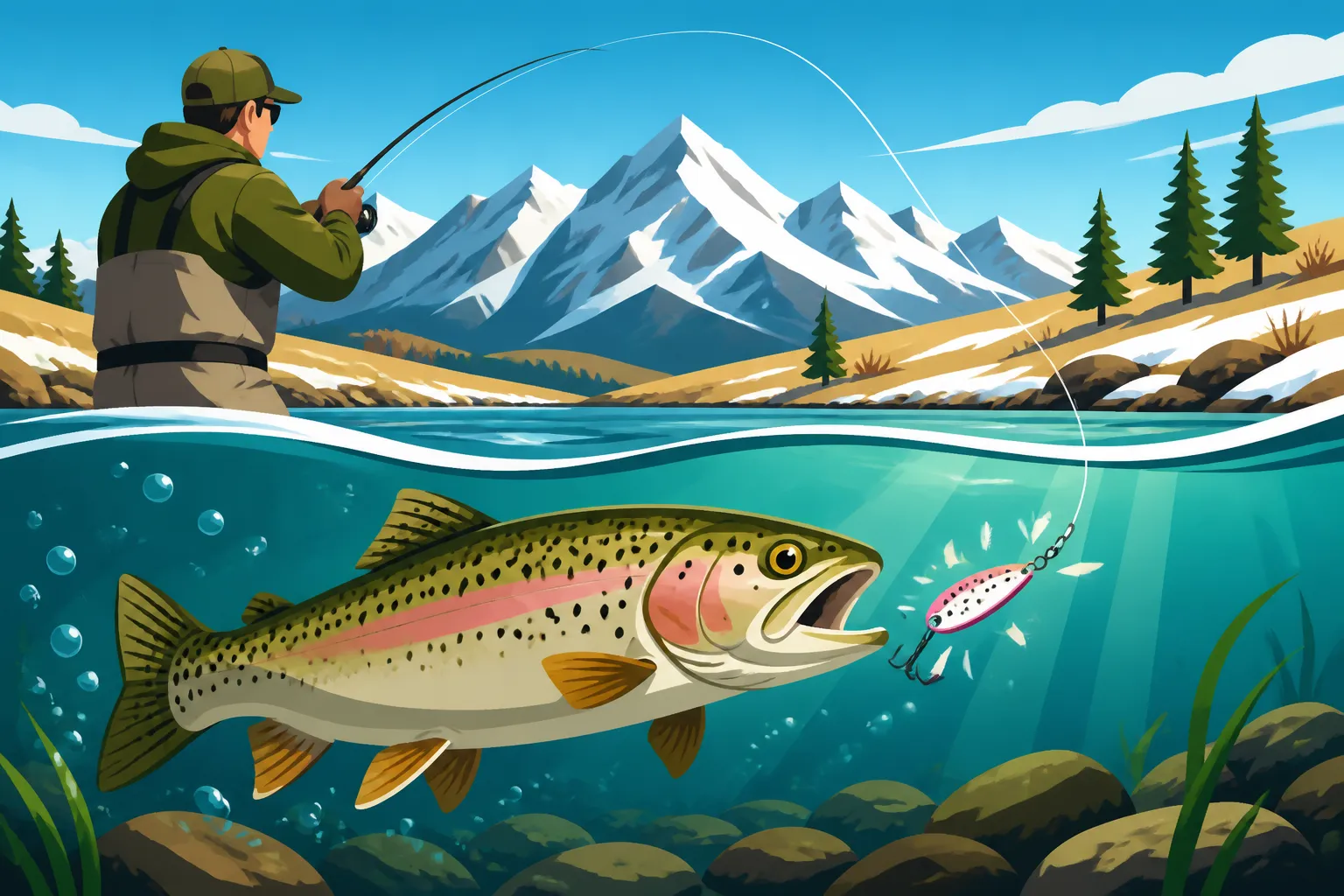
Best Early Spring Technique for Stocked Trout
Oh, early spring fishing in Wyoming! It’s a time of year that holds so much promise, isn't it? The snow is melting, the days are getting longer, and we're all itching to get back out on the water. But let's be real, those first few outings can be incredibly frustrating, especially when you're targeting those newly stocked trout. They're often lethargic in the cold water, and they don't always behave like their wild cousins. This guide is all about cutting through that early season puzzle, giving you the best techniques to land those eager, fresh-from-the-hatchery fish in Wyoming's still-chilly waters.
Understanding Stocked Trout in Early Spring
Fishing for stocked trout in early spring is a different ballgame than chasing wild, wary fish in the peak of summer. These fish have just been introduced to a new, vast world, and their behavior is heavily influenced by their upbringing and the cold conditions they now face. Understanding these nuances is key to filling your stringer or simply enjoying a productive day on the water.
Why Stocked Trout Behave Differently
Think about it: most stocked trout, especially rainbow trout, spend their early lives in a hatchery environment. They're accustomed to being fed on a schedule, usually with commercial pellets, and they don't have to work hard to find food. This means they often lack the innate hunting instincts of wild fish. When they're first released into a lake or pond, they're not instinctively chasing after insects or actively ambushing prey. They're looking for an easy meal, something that smells and tastes familiar.
In early spring, this "hatchery habit" is even more pronounced. The cold water slows down their metabolism, making them less inclined to expend a lot of energy pursuing a moving target. They're often concentrated in areas where they were released, or they'll seek out the most comfortable water temperatures and depths. They're less wary of predators and human presence than wild fish, making them more susceptible to certain fishing methods. This is where your technique can really shine, capitalizing on their conditioning rather than fighting against it.
Early Spring Water Conditions in Wyoming
Wyoming in early spring means cold water, plain and simple. Even if the sun is shining brightly, the lakes and reservoirs are still thawing out, and rivers are often swollen with snowmelt. This cold water significantly impacts trout metabolism, making them sluggish. They're less likely to chase a fast-moving lure and more likely to hold in deeper, slower areas where they can conserve energy. The runoff can also affect water clarity, especially in rivers.
You might find yourself dealing with varying water clarity depending on the body of water. Some lakes might be crystal clear, while others, especially those fed by snowmelt-heavy streams, could be a bit murky. Trout in clear water can be spooky, requiring a more subtle approach, while those in slightly off-color water might respond well to baits with strong scent and vibrant colors. As for the rivers, it's worth checking conditions, as When Runoff Usually Ends on Wyoming Rivers can vary significantly year to year, and high, fast water can make fishing challenging.
Where Wyoming Stocks Fish
The Wyoming Game and Fish Department does an incredible job of stocking fish across the state, ensuring ample opportunities for anglers. In early spring, these stocking efforts often focus on more accessible lakes, ponds, and slower-moving river sections. These are typically places that are easy for the public to access, making them perfect for families and beginners alike. You'll find stocked trout in small community ponds in towns like Casper, Cheyenne, and Laramie, as well as larger, easily accessible reservoirs and river sections.
The goal is often to provide immediate fishing opportunities, so these locations are usually chosen for their accessibility and ability to hold fish, even in cooler temperatures. These spots are often well-known and can be found through local resources or by consulting the Game and Fish Department's stocking reports. Keeping an eye on How to Find Recently Stocked Wyoming Waters is a smart move, as fresh stock means fresh opportunities. Always remember to check Where to Find Current Wyoming Fishing Regulations for any specific rules related to these waters.
The Go-To Technique: PowerBait and Still Fishing
For early spring stocked trout, especially those just out of the hatchery, nothing beats the effectiveness of still fishing with PowerBait. It’s a method that capitalizes directly on their upbringing, offering them a familiar meal in an easy-to-find package.
Why PowerBait Excels for Stocked Trout
PowerBait is practically a cheat code for newly stocked trout, and there's a good reason why. It's designed to mimic the pelleted food they grew up eating in the hatchery. It comes in a dizzying array of vibrant colors that appeal to a trout’s visual senses, and more importantly, it's packed with strong scents that they associate with food. The dough and nugget forms also have buoyancy, which allows your bait to float just off the bottom, putting it right in their strike zone and making it incredibly easy for them to spot and inhale.
Think about it: a trout that's used to pellets falling from above will naturally look for food hovering in the water column. PowerBait, when rigged correctly, sits perfectly suspended, waving tantalizingly in front of them. Popular colors like chartreuse, rainbow, and white can be incredibly effective, especially in cold or slightly murky water where a bit of visual pop can make all the difference. The scent trail it leaves also acts as a beacon, drawing in lethargic fish that might not otherwise notice your offering.
Setting Up Your Still Fishing Rig
Setting up a still fishing rig for PowerBait is wonderfully simple, which is another reason it's perfect for early spring and even for beginners. You don't need fancy gear, just a reliable spinning rod and reel. Spool it with 4-6 lb test monofilament line, which offers a good balance of strength and nearly invisible presentation. The most common setup involves a sliding sinker, a small swivel, and a leader.
Here's a breakdown:
- Main Line: Run your main line through an egg sinker (1/8 to 1/4 ounce is usually plenty, depending on current/wind).
- Swivel: Tie your main line to one end of a small barrel swivel. This stops the sinker and prevents line twist.
- Leader: To the other end of the swivel, tie a length (12-24 inches) of 4 lb fluorocarbon or monofilament leader. Fluorocarbon is great because it's virtually invisible underwater.
- Hook: At the end of your leader, tie on a small, sharp bait hook, typically a size 10 or 12 treble hook, or a single salmon egg hook if you prefer. These small hooks are easily concealed by PowerBait.
- PowerBait: Mold a pea-sized amount of PowerBait around your hook, completely concealing it. Make sure it forms a round, buoyant ball. You can find a fantastic selection of PowerBait colors and forms on sites like Amazon, making it easy to experiment.
Cast your rig out, let the sinker settle to the bottom, and then reel in any slack until your line is taut. The sliding sinker allows the fish to pick up the bait without feeling the weight, giving them time to commit. Some anglers also like to use a small bobber, especially in shallower water or when targeting areas closer to the surface. Just make sure the bobber is sensitive enough to show those light early spring bites.
Finding the Right Spot and Patience
Once your rig is set up, finding the right spot is crucial. In early spring, trout often congregate in areas that offer a bit of thermal refuge or easy access to what little food might be available. Look for deeper holes, points that jut out into the water, and areas near inflows (like small feeder streams or culverts) where water temperatures might be slightly warmer or nutrients are washing in. Often, simply fishing off a public dock or a well-trodden bank can be productive, as these are often popular stocking points.
Patience is your best friend with this technique. Cast out, set your rod in a holder or on a bank stick, and simply wait. Resist the urge to constantly reel in and re-cast. Let the bait do its job, slowly releasing its scent and attracting fish. If you haven't had a bite after 15-20 minutes, try reeling in and casting to a slightly different spot, perhaps a few yards to the left or right, or a bit further out. Remember, trout are still sluggish, so their bites might be subtle. Watch your rod tip closely for any twitch or bend, or if using a bobber, for any slight dip or movement.
Secondary Techniques: Spinners and Worms
While still fishing with PowerBait is often the most reliable method for early spring stocked trout, having a few alternative techniques in your arsenal can significantly increase your success, especially as the water warms slightly or if you encounter more active fish. Spinners and natural worms are excellent choices to round out your approach.
Spinners for Active Stocked Trout
When the sun has been out for a few days, or if you're fishing later in the morning or early afternoon when the water has warmed a degree or two, some stocked trout might become more active. This is when spinners truly shine. Their flashing blades and vibrations can mimic small baitfish or energetic insects, triggering an aggressive strike response that still-fishing might not provoke. They're also fantastic for covering more water and searching for fish that might be scattered or slightly more on the move.
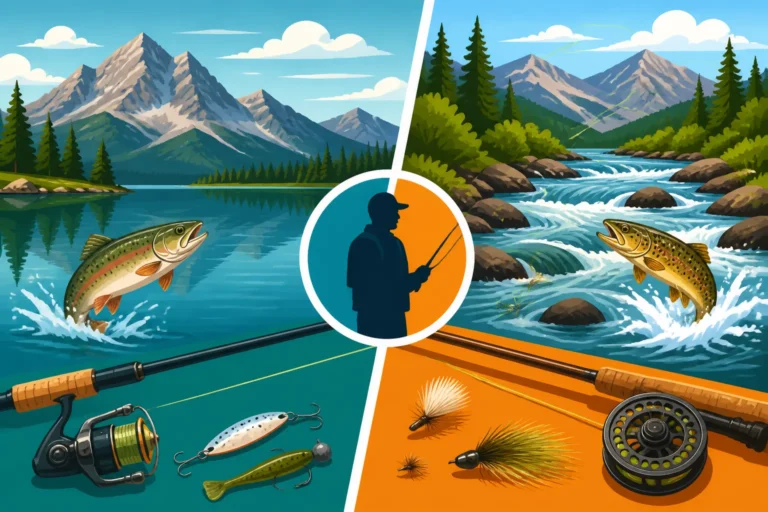
Classic inline spinners like Rooster Tails, Mepps Aglias, or Panther Martin are absolute staples for trout. For early spring, consider sizes from 1/16 to 1/8 ounce. Colors like silver, gold, and white are always good choices, but don't shy away from vibrant patterns with orange, chartreuse, or even black spots, which can be very visible in cooler or slightly off-color water. The key is to retrieve them slowly enough to keep the blade spinning but fast enough to prevent them from snagging on the bottom. Try varying your retrieve speed and depth until you find what the fish prefer. If you’re looking for more options, Best Lures for Wyoming Rainbow Trout has some great suggestions that work wonderfully in these conditions. When picking up new spinners, I often check Amazon for multi-packs to get a variety of colors and sizes.
The Timeless Appeal of Worms
Sometimes, the simplest approach is the best, and you can't get much simpler, or more effective, than fishing with natural worms. Worms are an irresistible, natural food source for nearly all fish, including newly stocked trout. They offer a combination of natural scent, texture, and subtle movement that can entice even the most finicky or lethargic fish.
For early spring stocked trout, small pieces of a nightcrawler or garden worm threaded onto a small hook (size 10 or 12, a light wire Aberdeen hook works well) can be incredibly effective. You can fish them just like PowerBait with a slip-sinker rig, allowing them to sit on the bottom, or suspend them under a small bobber in shallower areas. The natural squirming action of a live worm is often enough to grab a trout's attention, and the powerful scent trail it leaves in the cold water can be a major draw. While PowerBait might appeal to their hatchery conditioning, a real worm taps into their primal instincts. For more insights on this tried-and-true method, check out Best Bait for Freshly Stocked Rainbow Trout.
Gear, Safety, and Ethical Angling in Early Spring
Early spring fishing in Wyoming is a beautiful experience, but it comes with its own set of challenges, particularly concerning weather and water conditions. Being properly prepared and practicing responsible angling is paramount for a safe and enjoyable trip.
Essential Early Spring Gear
Beyond your rod, reel, and tackle, your personal gear choices in early spring can make or break your trip. Wyoming weather is famously unpredictable, and a sunny morning can quickly turn into a snowy, windy afternoon. Dressing in layers is absolutely non-negotiable. Start with a moisture-wicking base layer, add insulating mid-layers like fleece, and top it off with a waterproof and windproof outer shell. Avoid cotton next to your skin, as it loses all insulating properties when wet.
Don't forget warm, waterproof gloves and a good hat that covers your ears. Insulated, waterproof boots are essential, as you'll likely be walking on wet ground or standing near chilly water. A thermos full of hot coffee, tea, or cocoa can be a morale booster and a lifesaver on a cold day. Hand warmers tucked into pockets can also provide much-needed relief. Checking the forecast right before you leave, and even while you’re out, is always a smart move. You can find some excellent deals on all kinds of warm, waterproof layers and fishing accessories on Amazon to ensure you're ready for anything Mother Nature throws your way.
Cold Water Safety and Conditions
The biggest safety concern in early spring is cold water. Even if the air temperature feels mild, the water itself can be dangerously cold, posing a significant risk of hypothermia if you accidentally fall in. Always be aware of your surroundings, especially if you're fishing near slippery banks or uneven terrain. If there's still ice around, even seemingly sturdy patches, it's best to avoid it unless you are specifically prepared for ice fishing. If you're ever considering lingering ice, it's vital to know How Thick Ice Needs to Be to Fish Safely.
Always tell someone where you're going and when you expect to return. Consider bringing a dry bag with an extra set of clothes, just in case. If you're wading, ensure your waders are in good condition and wear a wading belt to minimize water intrusion in case of a fall. The water flow in rivers can also be significantly higher and faster due to snowmelt, making wading treacherous in areas that might be easy to cross later in the summer. Always respect the power of cold, moving water.
Catch and Keep vs. Catch and Release
When targeting stocked trout in early spring, especially rainbows, many anglers choose to keep their catch, and for good reason. Stocked fish are often placed in waters to provide immediate angling opportunities and are generally intended for harvest. Keeping a few fresh trout for a delicious meal is one of the great joys of fishing! However, it's crucial to be mindful of regulations.
Always double-check the specific bag and possession limits for the waterbody you are fishing. These limits can vary widely, and understanding How Bag and Possession Limits Work in Wyoming is essential to avoid violations. If you do plan to release fish, even stocked ones, handle them with care. Wet your hands before touching them, minimize their time out of water, and release them gently. Knowing Catch and Release Best Practices for Trout ensures that any fish you return to the water have the best chance of survival. Also, be aware that many stocked trout will have a fin clip, often an adipose fin clip, which is a common practice to differentiate them from wild populations. Understanding What a Clipped Adipose Fin Means can be an interesting part of your angling experience.
Early Spring Stocked Trout Techniques at a Glance
To give you a quick reference point for planning your early spring outing, here's a table summarizing the best techniques for stocked trout.
| Technique | Best Conditions | Bait/Lure Examples | Pros | Cons |
|---|---|---|---|---|
| Still Fishing | Cold water, lethargic fish | PowerBait (dough, nuggets), corn, salmon eggs | Mimics hatchery diet, high scent appeal | Passive, less engaging, requires patience |
| Spinners | Slightly warmer water, active fish | Rooster Tails, Mepps Aglia, Panther Martin | Covers water, triggers aggressive strikes | Less effective on very cold, sluggish fish |
| Natural Worms | All conditions, natural appeal | Nightcrawlers, garden worms, mealworms | Universal attraction, strong natural scent | Can attract smaller, non-target fish |
| Small Jigs (tipped) | Cold water, suspended fish | 1/32-1/16 oz tube jigs or marabou jigs tipped w/ bait | Can target specific depths, subtle action | Requires more active presentation |
Remember, early spring fishing is all about adapting to the conditions and the unique behavior of stocked trout. By understanding their tendencies and utilizing these proven techniques, you'll greatly increase your chances of a successful and enjoyable day on Wyoming's beautiful waters!
Disclaimer
This article is for general informational purposes only and does not constitute professional advice. Laws, prices and regulations vary by location and change over time. Consult a qualified professional for guidance on your specific situation.