Best Time to Catch a Trophy Brown Trout in Wyoming
Every angler who's ever cast a line in Wyoming dreams of that monster brown trout, the one that makes your reel scream and your heart pound. But let's be real, these elusive giants aren't just lurking under every rock, waiting to be caught. Catching a truly trophy-sized brown trout in Wyoming takes more than luck; it demands strategy, patience, and knowing when and where to focus your efforts. This guide will dive deep into the specific times and conditions that give you the absolute best shot at hooking into the brown trout of a lifetime across the Cowboy State.
Understanding the Trophy Brown Trout Mindset in Wyoming
Before we talk about timing, let's understand what makes a brown trout "trophy-sized" and how their behavior dictates our approach. In Wyoming, a true trophy brown trout is often considered anything over 20 inches, with some anglers pushing that into the mid-20s or even higher, especially in famed waters like the North Platte. These are old, wise fish that have survived countless fishing seasons, evaded predators, and learned to be incredibly opportunistic.
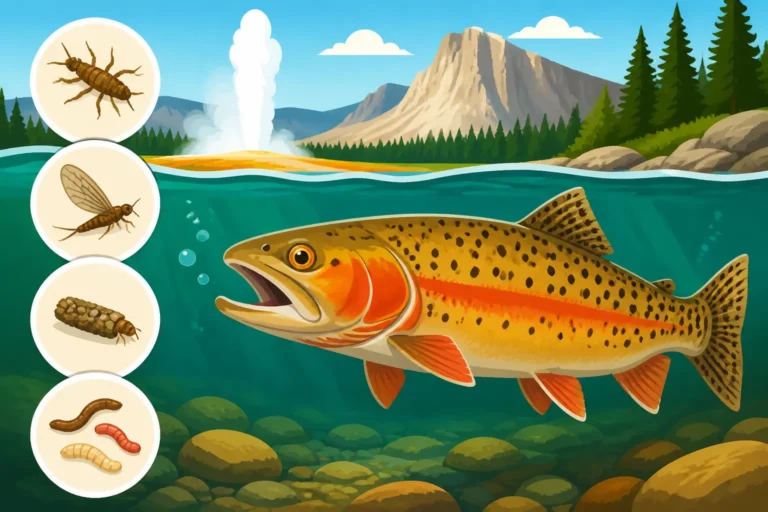
Their diet shifts as they grow. While smaller browns might feast on insects, the big boys are looking for a substantial meal. Think baitfish, crawfish, even smaller trout or rodents. This predatory nature is key to understanding when and how to target them. They're not always actively feeding, but when they are, they're looking for a big payoff. Water temperature, available forage, and most crucially, their spawning cycles, all play significant roles in their accessibility and aggression. Knowing the life cycle of Brown Trout Fishing in Wyoming is your first step toward success.
Fall: The Undisputed Prime Season for Wyoming Trophy Browns
If you're serious about catching a trophy brown trout in Wyoming, circle the months of September, October, and sometimes even into early November on your calendar. This is, without a doubt, the golden window. Why? It all comes down to the brown trout's annual spawning ritual.
The Pre-Spawn Feed: Bulking Up for the Battle
As the days shorten and the water temperatures begin to drop from their summer highs, typically starting in mid-September, brown trout enter a furious pre-spawn feeding frenzy. They need to pack on calories and build up energy reserves for the intense physical demands of spawning. This is when they become incredibly aggressive, more willing to chase down larger meals, and often less wary than at other times of the year.
Rivers like the North Platte, particularly famous sections like the Miracle Mile and Gray Reef, see a significant migration of large brown trout from reservoirs upstream into the river to begin their spawning journey. These fish are on the move, actively hunting, and competing for prime feeding lies. This aggressive behavior makes them particularly susceptible to larger streamer patterns or even large plugs and spinners if you're spin fishing. You'll want heavy-duty leaders and lines because when these fish hit, they hit hard, and they fight dirty. When preparing for your trip, consider checking Amazon for durable waders and appropriate fly or spin gear for these powerful fish.
The Spawning Run: Aggression and Territoriality
As October progresses and peaks, the actual Fall Spawning Runs for Wyoming Brown Trout get into full swing. Brown trout move into shallower, gravelly areas of rivers and streams, known as redds, to lay their eggs. During this time, male brown trout become incredibly territorial and aggressive towards anything they perceive as a threat to their redd or a potential competitor. They're often seen battling each other, flashing their vibrant colors, and generally being less cautious.
While targeting actively spawning fish on redds is generally discouraged due to ethical concerns about disturbing the spawn, the sheer aggression of these fish means they'll often strike at anything that drifts by, sometimes even out of pure instinct or territorial defense rather than hunger. However, fish that are near redds, waiting their turn, or still moving upstream, are fair game and often still feeding voraciously. Understanding How Water Temperature Changes Wyoming Trout Behavior is crucial here, as colder water triggers their spawning instincts.
Post-Spawn Recovery: Still Hungry, Less Pressured
After the peak of the spawn, usually in late October and early November, many brown trout are exhausted but still incredibly hungry. They've expended massive amounts of energy and are looking to recover by continuing to feed heavily before winter sets in. This post-spawn period can also be excellent, as some of the fishing pressure might have subsided, and the fish are still in an aggressive feeding mode. They'll be moving back into deeper pools and slower runs, seeking refuge and prime feeding lanes. You might find great opportunities to catch some of the biggest browns of the year during this time, though they may not be as brightly colored as during the height of the spawn.
Beyond Fall: Other Opportunities for Big Brown Trout
While fall is king for trophy browns, it's not the only time you can connect with a giant. Smart anglers know how to exploit other seasonal patterns.
Late Winter and Early Spring: The Overlooked Window
Believe it or not, late winter and early spring, before the peak of runoff, can offer some fantastic trophy brown trout fishing, especially on tailwaters below dams. These waters, like parts of the Green River below Flaming Gorge Dam or the North Platte, maintain more consistent temperatures year-round, preventing them from freezing over entirely and keeping trout active.
During this period, brown trout that have recovered from the fall spawn are often incredibly hungry and looking for larger meals. Insect hatches can be sparse, so fish are more likely to respond to large nymph patterns, stoneflies, or even streamers that mimic baitfish. The key is to fish deep and slow, concentrating on areas with structure, current breaks, and slower, deeper pools. It's often a colder, tougher grind, but the rewards can be monumental. The lack of crowds can also be a huge advantage.
Summer Evenings and Low Light: Opportunistic Hunters
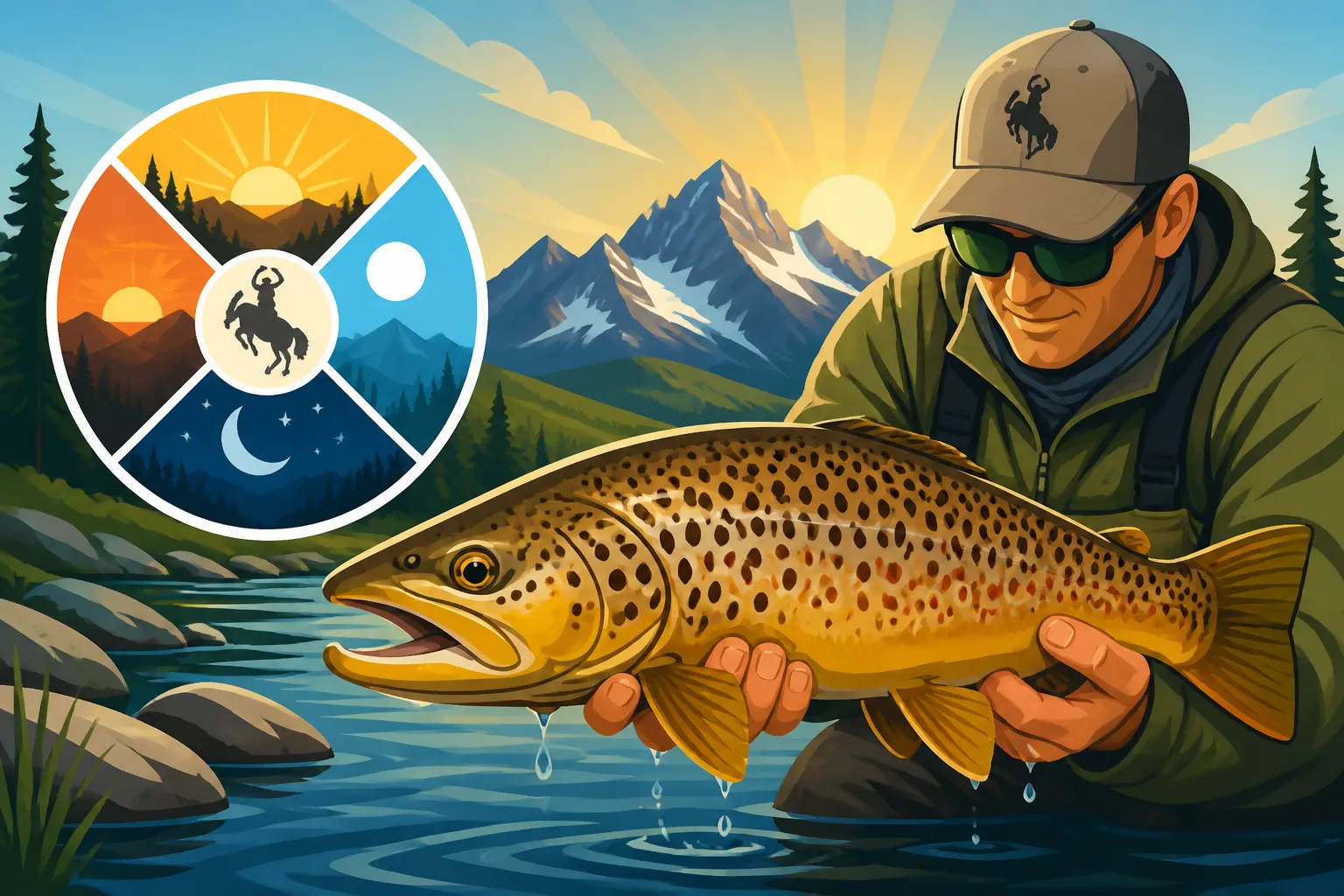
Summer can be challenging for trophy brown trout, as warmer water temperatures often make them less active during the day. However, big browns are primarily nocturnal or crepuscular hunters. As the sun dips below the horizon in the evenings or before it fully rises in the mornings, these fish often move into shallower water to feed aggressively.
Think about fishing large terrestrial patterns like hoppers and chernobyl ants near grassy banks, or stripping big streamers through deeper pools and runs as darkness falls. During summer, look for cooler water sections, like spring creeks or tailwaters, where the water temperature remains more stable. This is also a great time to experiment with night fishing, using large mouse patterns or dark streamers, which can be incredibly effective for targeting truly enormous, wary browns that won't show themselves in daylight. How to Fish for Trout at Dawn vs Dusk is a technique that shines here.
Gear and Tactics for Pursuing Wyoming's Giant Browns
To consistently land trophy brown trout, you need the right tools and techniques. These fish are strong, savvy, and will test your gear to its limits.
Fly Fishing Strategies
For fly anglers, streamers are your bread and butter when targeting trophy browns. Patterns like the Woolly Bugger, Sex Dungeon, articulated Buggers, and other baitfish imitations in olive, black, brown, or white can be incredibly effective. The key is to strip them aggressively, mimicking a fleeing baitfish. Also, don't overlook large nymph patterns, especially stoneflies, fished deep under an indicator or on a Euro Nymphing rig. Understanding Streamer Fishing for Wyoming Brown Trout will dramatically increase your odds.
You'll generally want a heavier rod, typically a 6 or 7-weight, to handle larger flies and subdue powerful fish. A strong leader and tippet (1X or 2X) are essential. Many anglers also use sink-tip lines to get their streamers down quickly in deep, fast water. When stocking up on materials or flies, you can often find a wide selection of patterns and tying supplies on Amazon.
Spin Fishing Techniques
Spin anglers have a fantastic advantage with their ability to cast heavier, larger lures that perfectly imitate baitfish. Large crankbaits, jerkbaits, heavy spinners, and even soft plastic swimbaits rigged on jig heads can be deadly. Look for lures that dive to the depth where the fish are holding and have a realistic action. Colors mimicking local baitfish (perch, smaller trout) or crawfish are often excellent.
Heavy-action spinning rods with braided line (20-30 lb test) and a fluorocarbon leader (10-15 lb test) are recommended. Focus your casts on structure: fallen trees, large rocks, undercut banks, and current seams. Work your lures slowly through these areas, varying your retrieve to entice a strike. Sometimes, a slow, steady retrieve is all it takes; other times, erratic jerks and pauses are key.
Reading the Water and Persistence
Trophy brown trout are masters of their environment. They hold in prime ambush points where they can expend minimal energy while waiting for food to come to them. Look for deep pools, undercut banks, large submerged rocks, logjams, and the seams where fast water meets slower water. These are classic holding lies for big fish. Reading Riffles and Runs on Wyoming Trout Streams teaches you to spot these key areas.
One of the biggest factors in catching a trophy brown is persistence. You might make hundreds of casts without a single bump. But that one perfect cast, with the right presentation, at the right time, can connect you with the fish of a lifetime. Don't be afraid to experiment with different depths, retrieve speeds, and patterns until you unlock the bite.
Ethical Angling and Conservation
Remember, trophy brown trout are a precious resource. Practice proper Catch-and-Release Rules on Wyoming Waters and handle these fish with care. Minimize their time out of water, use wet hands, and ensure they are fully revived before release. A proper release ensures these magnificent fish can continue to grow and spawn, contributing to Wyoming's incredible fisheries for generations to come.
Choosing Your Trophy Brown Trout Destination
Wyoming boasts several world-class brown trout fisheries. While the specific locations can vary, certain rivers and reservoirs consistently produce big browns.
- North Platte River: The Miracle Mile and Gray Reef sections are legendary for their large brown trout, especially during the fall spawn. Access can be a mix of public and private, so always check regulations and access points.
- Green River: Below Flaming Gorge Dam, the Green River is a fantastic tailwater fishery, offering year-round opportunities for large browns, particularly with streamers and nymphs.
- Snake River: In the Jackson Hole area, the Snake River also holds respectable brown trout, though often overshadowed by its cutthroat population. The lower reaches can produce some impressive fish.
- Flaming Gorge Reservoir: This massive reservoir, shared with Utah, is known for its giant lake trout, but it also holds some truly immense brown trout, often caught by trollers targeting deep structure.
- Boysen Reservoir: Another large reservoir, Boysen can kick out some impressive browns, particularly near the inlet and outlet areas, especially during their migratory periods.
| Season | Best Months | Brown Trout Behavior | Recommended Techniques | Chance for Trophy | Notes |
|---|---|---|---|---|---|
| Fall | September, October, early November | Peak pre-spawn feeding, aggressive spawning, territorial defense, post-spawn recovery. Most accessible and vulnerable. | Large Streamers, Big Nymphs, Plugs, Jerkbaits. | Highest | The absolute best time. Focus on river migrations from reservoirs. Ethical considerations for actively spawning fish on redds. Often crowded in popular spots. |
| Late Winter | December (late), January, February, March | Post-spawn recovery, lethargic but opportunistic feeding. Seeking deep, slow water. | Deep Nymphing, Slow Streamer Strips, Heavy Jigging, Bait (where legal). | Medium-High | Less pressure, but can be cold and slow. Tailwaters are key. Persistence and accurate depth presentation are vital. Requires durable cold-weather gear from Amazon. |
| Spring | April, May (pre-runoff) | Increased activity with warming water, still recovering from winter. Runoff can make fishing difficult later in spring. | Streamers, Large Nymphs, Emergers. | Medium | Target before runoff swells rivers. Good for active fish, but can be feast or famine. Check When Runoff Usually Ends on Wyoming Rivers. |
| Summer | June, July, August (especially low light) | Primarily nocturnal/crepuscular feeding. Seeking cool water and deep cover during the day. | Large Terrestrials (evenings), Streamers (dawn/dusk/night), Deep Trolling. | Medium | Best at dawn, dusk, or night. Focus on cooler tailwaters or high-elevation lakes. Day fishing in warm water is tougher but possible with deep tactics. |
No matter when you decide to pursue that dream brown trout, remember that Wyoming offers some of the most spectacular scenery and incredible fishing in the country. Prepare well, fish hard, and respect the resource. Your next cast could be the one that connects you with a true Wyoming legend.
Disclaimer
This article is for general informational purposes only and does not constitute professional advice. Laws, prices and regulations vary by location and change over time. Consult a qualified professional for guidance on your specific situation.