When Kokanee Show Up in the North Platte River
There's nothing quite like the thrill of targeting a specific species in Wyoming's vast and diverse waters, and for many anglers, the Kokanee salmon hold a special, elusive charm. You might spend countless hours wondering about the best time to intercept these vibrant fish, especially when your sights are set on the legendary North Platte River. It can be frustrating to plan a trip, only to find you've missed their fleeting appearance. This guide is dedicated to shedding light on exactly when Kokanee salmon typically make their highly anticipated run into the North Platte, offering insights into their behavior, the conditions that trigger their migration, and how you can best prepare to experience this unique fishing opportunity.
The Elusive Kokanee Salmon of Wyoming's North Platte System
Before we dive into when they show up, it's really helpful to understand who we're talking about. Kokanee salmon are not your typical year-round river residents in the North Platte. They're a fascinating species with a very specific life cycle that dictates their presence in river systems.
A Dive into Kokanee Biology and Habitat
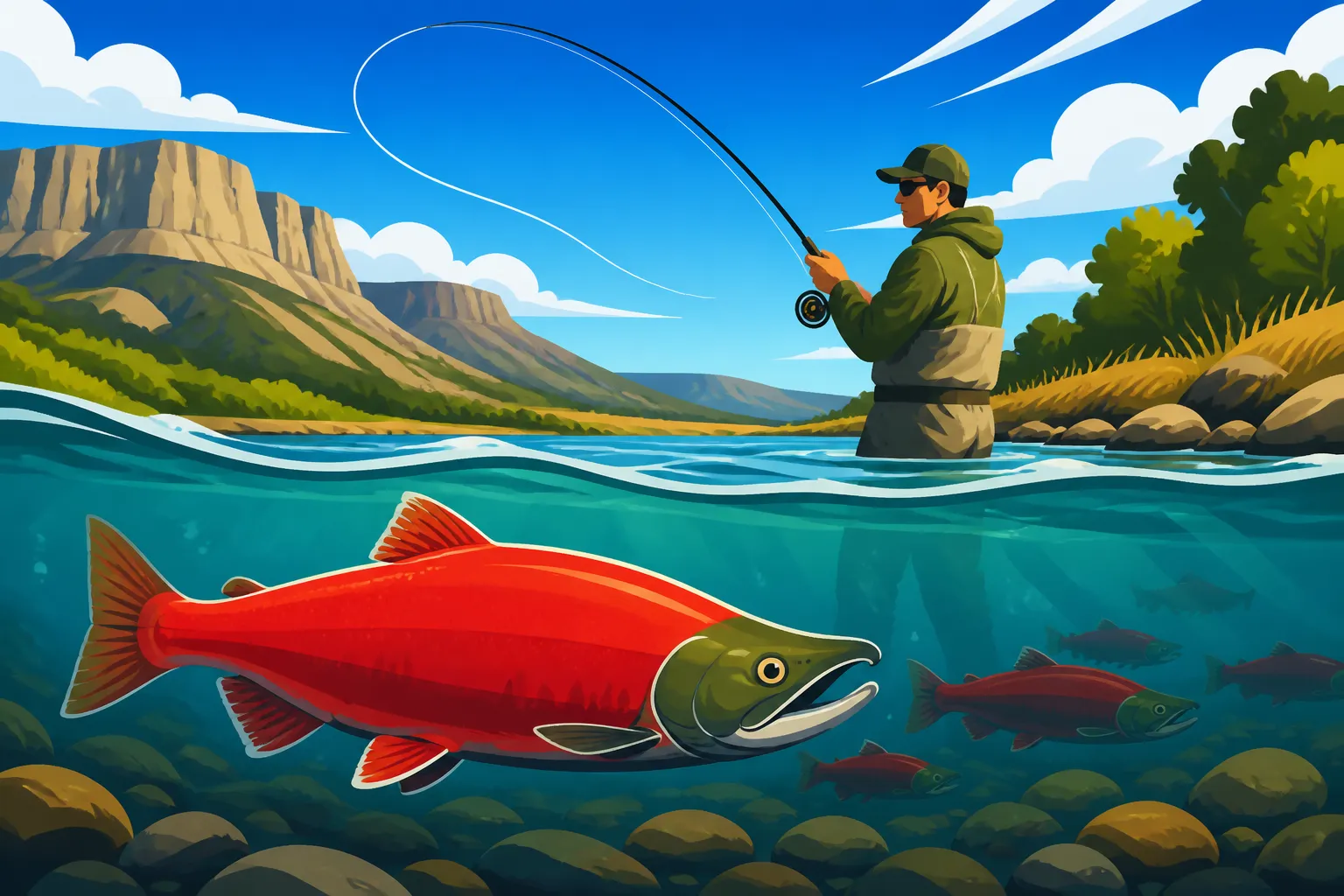
Kokanee salmon are actually landlocked sockeye salmon. They don't migrate to the ocean like their anadromous relatives, but instead complete their entire life cycle in freshwater. In Wyoming, this typically means they live out their lives in large, cold-water reservoirs. These fish are strikingly beautiful, with a silvery sheen when they're feeding in open water, transforming into a brilliant red and orange with distinct green heads as they approach their spawning phase.
They are plankton feeders for most of their lives, cruising deep, open waters, which makes them a challenge to target outside of their spawning run. What's truly unique and a bit bittersweet about Kokanee is their semelparous nature – they spawn once and then die. This biological imperative drives their entire migration into the river systems, making their appearance a truly seasonal event. Their typical lifespan is around three to four years, culminating in that final, dramatic journey.
The Reservoir Connection: More Than Just a River
The key to understanding when Kokanee "show up" in the North Platte is recognizing that this river isn't their permanent address. The Kokanee that enter the North Platte River system primarily originate from large, deep reservoirs that are part of the larger North Platte drainage. Think of reservoirs like Seminoe Reservoir, Pathfinder Reservoir, and Alcova Reservoir. These vast bodies of water provide the deep, cold, nutrient-rich environments where Kokanee thrive for most of their lives.
When it's time to spawn, these mature Kokanee leave the relative safety and abundance of the reservoirs and instinctively seek out flowing water – the very river systems that feed or are connected to those reservoirs. This means that while you might fish the Wyoming's North Platte River Fishing Guide year-round for trout, targeting Kokanee requires a shift in focus to a very specific window when these migratory fish are present. Without these interconnected reservoirs, the North Platte wouldn't see the Kokanee runs it does, making their journey a testament to the intricate hydrology of the region.
Pinpointing the Prime Time: When Kokanee Enter the North Platte
Now for the million-dollar question: when do these vibrant fish actually make their move into the river? It's not an exact date on the calendar, but rather a window of opportunity driven by their natural life cycle and environmental cues.
The Spawning Migration Window: Late Summer to Early Fall
Generally speaking, the most reliable time to find Kokanee salmon making their spawning run into the North Platte River is from late summer through early fall. This typically means you're looking at the months of August, September, and into October. This period marks the culmination of their life cycle, as they leave the deep waters of the reservoirs and head upstream to reproduce.
During this time, the fish undergo incredible physiological changes, developing their distinctive red coloration and, for the males, a pronounced kype (hooked jaw). They are driven by an instinct to find suitable gravel beds for spawning. While individual fish might start trickling in earlier or later, the peak of the run, when you have the best chance to encounter good numbers of these salmon, usually falls within September. Think of it as a natural spectacle that unfolds as the leaves begin to turn in the high country, adding another layer of beauty to a Wyoming fishing trip.
Environmental Triggers and Annual Variations
Like all wild animals, Kokanee salmon are highly tuned to their environment, and a few key factors can influence the exact timing and intensity of their spawning run each year. It's not a set-in-stone date, and understanding these variables can significantly improve your chances of being in the right place at the right time.
- Water Temperature: This is perhaps the most critical trigger. As reservoir waters begin to cool in late summer and early fall, it signals to the mature Kokanee that it's time to move. A sudden cold snap or a prolonged period of warm weather can slightly shift the onset of the run. Ideal temperatures for their migration are usually in the 40s to low 50s Fahrenheit.
- Flow Rates and Reservoir Levels: The amount of water flowing into the river from the reservoirs, often influenced by dam releases or natural precipitation, can also play a role. Higher flows can sometimes encourage fish to move upstream more aggressively, while very low water might delay or concentrate them in specific areas. Similarly, the water levels in the connected reservoirs can impact how easily they find the river's entrance.
- Daylight Hours: The shortening of daylight hours in late summer is a consistent cue that guides many species, including Kokanee, towards their spawning behaviors. This photoperiod change is a reliable, immutable signal for the fish, even if water conditions vary.
Because of these variables, it's always a good idea to check current conditions and fishing reports. The Wyoming Game and Fish Department is an invaluable resource, often providing updates on species movements and local conditions. You can also glean insights from local tackle shops or even fishing forums. Sometimes, a guide service found through platforms like FishingBooker will have real-time, on-the-water knowledge that can be incredibly useful.
Navigating the River: Where to Find Spawning Kokanee
Knowing when the Kokanee are in the North Platte is only half the battle; the other half is knowing where to look for them once they've entered the river system. Their behavior changes significantly during the spawn, and they'll concentrate in specific types of water.
Key River Sections and Access Points
When Kokanee leave the deep, open water of their reservoir homes and enter the North Platte, they're looking for clean, flowing water with suitable gravel beds for spawning. This usually means you'll find them in certain key stretches of the river, particularly those immediately below the dams of the associated reservoirs.
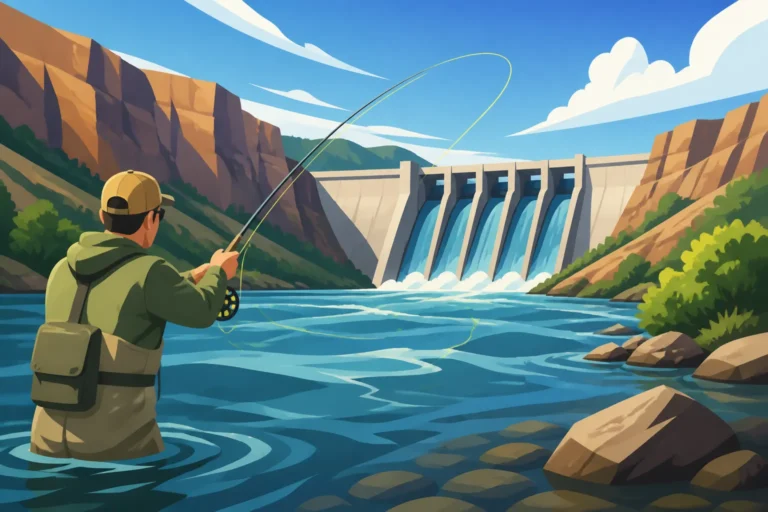
- Below Seminoe, Pathfinder, and Alcova Dams: These areas are prime locations. The tailwaters below these dams often provide consistent flows and cooler water, creating ideal conditions for spawning migrations. As Kokanee exit the reservoirs and begin their upstream journey, these sections are natural choke points where they concentrate. For instance, the river sections leading into and out of Alcova Reservoir, particularly where it connects to the main North Platte, can be productive.
- Confluence Zones: Pay close attention to areas where smaller, clean-flowing tributaries or feeder streams enter the main North Platte, especially within the general vicinity of the reservoirs. While the main spawning is often in larger river sections, these smaller veins can sometimes draw fish, or at least indicate holding areas.
- Specific North Platte Stretches: While Kokanee are primarily a reservoir fish that migrates into the North Platte, it’s worth noting that the famous stretches like the Fishing Gray Reef on Wyoming's North Platte River and the Fishing the Miracle Mile Stretch of Wyoming's North Platte River are known for their exceptional trout fishing. During the Kokanee run, some of these sections may see transient Kokanee, particularly downstream from the dams. However, the density will be highest closer to their reservoir origins. It's important to differentiate this from the general trout fishery these stretches are known for.
Accessing these areas often means using public lands or designated fishing access points. Always check maps and local regulations for legal access, as some stretches may be private or require specific permits. A good fishing map, often available from the WGFD or local tackle shops, will highlight these access points.
Reading the Water for Kokanee Runs
Once you're in a promising section of the North Platte, it's crucial to understand how to "read the water" specifically for spawning Kokanee. Their behavior is different from resident trout, and they'll often hold in different types of water.
- Shallow, Gravelly Riffles and Runs: This is where the magic happens. Kokanee will seek out areas with clean, fist-sized gravel where there's a consistent, moderate flow of oxygenated water. These are their preferred spawning grounds. Look for areas with a clean, light-colored bottom, not silty or muddy. They will often be visible in these shallower areas, actively fanning their redds (nests).
- Deep Pools Adjacent to Spawning Areas: Before or after actively spawning, Kokanee might stage or rest in deeper pools or runs immediately upstream or downstream from prime spawning riffles. These deeper sections offer cover and a place to conserve energy. If you see active fish in a riffle, chances are there are more holding in the nearby deeper water.
- Current Seams and Eddies: Like all salmonids, Kokanee appreciate a break from the main current. Look for them holding in current seams, behind large rocks, or in the soft water of eddies, particularly on their journey upstream. They're conserving energy for their final, strenuous act.
During the peak of the run, the fish can be quite concentrated. While observing them, remember that their primary goal is spawning, not feeding. Their vibrant colors make them more visible, but also indicate they are near the end of their lives. Ethical angling practices are paramount during this sensitive time.
Techniques and Ethics for Catching North Platte Kokanee
Targeting Kokanee during their spawning run requires a slightly different approach than typical trout fishing. It's less about matching the hatch and more about eliciting a strike from a fish driven by instinct, not hunger.
Lures, Baits, and Fly Patterns That Get Bites
Because spawning Kokanee are no longer actively feeding in the traditional sense, anglers often need to entice a "reaction strike." This means using presentations that irritate or provoke them.
- Bright Colors are Key: Think pinks, reds, oranges, and chartreuse. These colors are often associated with eggs or territorial displays, triggering an aggressive response from the salmon. Small jigs, spinnerbaits, or spoons in these vibrant hues can be highly effective. The popular Kokanee "rig" often involves a dodger or flasher ahead of a short leader with a small spoon or scented lure.
- Scented Baits and Soft Plastics: Adding scent to your lures or using soft plastic baits that mimic eggs can also be very productive. PowerBait or similar products in egg-mimicking colors are often used. The scent can draw attention and make the fish hold onto the lure a bit longer, giving you time to set the hook.
- Fly Fishing Approaches: For fly anglers, bright egg patterns, small squirmy wormies, or flashy streamer patterns in pink, red, or orange can be effective. Nymphing rigs with multiple egg patterns or small, flashy nymphs are common. Remember, the goal isn't necessarily a feeding take, but a reaction. Ensure your flies are small enough not to cause injury to the fish if they are accidentally foul-hooked.
- Trolling vs. Casting: While Kokanee are moving upriver, the majority of the "showing up" in the river is casting or jigging. Trolling is more common in the reservoirs for actively feeding Kokanee. However, slow-trolling near the mouths of rivers where Kokanee are congregating before entering can sometimes be productive. When they are in the river, casting from shore or wading into appropriate areas is the primary method.
It's important to check the local regulations for specific restrictions on bait, lure types, or hook configurations, as these can vary by river section or season.
Understanding Regulations and Responsible Angling Practices
Fishing for spawning Kokanee comes with a significant ethical responsibility. These fish are at the end of their life cycle, and their successful spawning is vital for the future of the fishery.
- Know the Regulations: Before you even cast a line, thoroughly familiarize yourself with Wyoming Fishing Regulations Every Angler Should Know. Kokanee often have specific daily and possession limits, which can be found in the Understanding Wyoming's Daily Bag Limits by Species section of the current regulations. In many areas, particularly during the spawn, snagging (intentionally hooking a fish anywhere other than the mouth) is strictly prohibited and carries stiff penalties.
- Respect Spawning Fish: While legal to target, consider the impact of repeatedly catching fish that are actively spawning. If you're harvesting, do so responsibly within your limits. If you're practicing catch and release, handle the fish as little as possible, keep them in the water, and release them quickly to minimize stress. Spawning fish are already under immense stress, and proper handling ensures they have the best chance to complete their reproductive cycle.
- Check for Closures and Special Rules: Sometimes, certain sections of rivers or specific tributaries may have temporary closures or special restrictions to protect spawning aggregations. Always check Where to Find Current Wyoming Fishing Regulations and any in-season emergency closures announced by the WGFD, which might be critical for protecting vulnerable populations.
- Clean, Drain, Dry: When moving between different water bodies, especially if fishing multiple reservoirs or river sections that might hold Kokanee, always practice "Clean, Drain, Dry" to prevent the spread of aquatic invasive species. This protects all Wyoming's fisheries, including the Kokanee.
By being informed and responsible, you can enjoy the unique experience of fishing for North Platte Kokanee while contributing to the health and sustainability of this incredible resource.
Planning Your North Platte Kokanee Adventure
A successful Kokanee trip to the North Platte is all about timing, preparation, and knowing where to get the best information.
Essential Gear and Trip Preparation
Beyond your fishing tackle, having the right gear for a Wyoming fall fishing trip is crucial. The weather can change in an instant, and being unprepared can quickly turn an exciting outing into a miserable one.
- Layered Clothing: Mornings can be frosty, even in September, while afternoons might warm up considerably. Pack moisture-wicking base layers, insulating mid-layers, and a waterproof/windproof outer shell. A good hat and gloves are often indispensable.
- Waders and Boots: If you plan on wading, quality waders and sturdy wading boots are a must. The North Platte can have strong currents and slippery rocks. A wading staff can also provide extra stability.
- Navigation Tools: Whether it's a GPS device, a reliable smartphone app with offline maps, or physical maps, know where you're going and how to access public fishing areas. Cell service can be spotty in some remote areas.
- Safety Gear: Always tell someone where you're going and when you expect to return. Carry a first-aid kit, plenty of water, snacks, and extra layers. If you're going into more remote areas, consider bear spray and knowledge of how to use it, especially if you're in prime habitat.
- Cooler for Your Catch: If you plan to keep your Kokanee (within legal limits, of course!), bring a cooler with ice to preserve the quality of the fish. Kokanee are excellent table fare, with rich, orange meat.
Don't forget the small but mighty details: polarized sunglasses to spot fish and read the water, sunscreen, and insect repellent. Given the variable nature of when these fish appear, planning a flexible schedule can also be beneficial, allowing you to adapt to real-time reports and conditions.
Leveraging Resources: Guides, Reports, and Local Knowledge
One of the best ways to ensure a successful Kokanee trip, especially given their seasonal and somewhat unpredictable nature, is to tap into local knowledge.
- Wyoming Game and Fish Department (WGFD): Their website and regional offices are goldmines of information. They provide weekly fishing reports, detailed regulations, and often have specific updates on spawning runs for species like Kokanee. Their staff are experts on local fisheries and conservation efforts, including managing species like Kokanee Salmon in Pathfinder Reservoir. Checking the Wyoming Fishing Seasons Month by Month is a great start.
- Local Tackle Shops: These are often the pulse of the local fishing scene. The folks behind the counter usually have the most up-to-date information on what's biting, where, and when. They can also provide insights into specific river conditions that might not be in official reports.
- Fishing Guides: For a truly educational and potentially more successful experience, consider Hiring a Fishing Guide in Wyoming. Guides who specialize in the North Platte system will have an intimate knowledge of Kokanee behavior, preferred spawning areas, and the most effective techniques. They also often have the gear and boats to access prime spots safely and efficiently. Services like FishingBooker can help you find and book reputable local guides who know the ins and outs of the North Platte Kokanee run. They can be invaluable for pinpointing that narrow window when the salmon are most abundant.
- Online Forums and Social Media: While taking information with a grain of salt, local fishing groups on social media or dedicated online forums can provide real-time updates and discussions among anglers. Just remember to be respectful and share information responsibly.
By combining thorough preparation with reliable, up-to-date local information, your chances of experiencing the exciting Kokanee salmon run on the North Platte River will be significantly enhanced. Whether you're a seasoned angler or a curious beginner, this unique Wyoming fishing opportunity is well worth the planning.
Disclaimer
Please note that fishing regulations, seasons, and access points can change. Always consult the most current Wyoming Game and Fish Department regulations and local advisories before planning your fishing trip. This guide is for informational purposes only and does not supersede official regulations.