Public Fishing Access on the Snake River Near Jackson
Oh, the Snake River near Jackson! It’s a place that calls to the soul of every angler, but navigating where you can actually get to the water, especially for public fishing, can feel like trying to solve a cryptic puzzle sometimes. Between private lands, national park boundaries, and the sheer wildness of it all, finding those coveted access points can be a real headache. This guide is here to untangle that knot, offering a clear roadmap to the best public fishing access points along the Snake River in the iconic Jackson Hole area, ensuring you spend less time searching and more time casting.
The Untamed Allure of the Snake River Near Jackson
The Snake River, as it winds its way through Jackson Hole, is more than just a waterway; it's a living, breathing ecosystem, renowned worldwide for its stunning scenery and incredible fishing opportunities. But what makes this particular stretch so special, and why is understanding its character so crucial for finding those prime public spots?
The Iconic Fishery and Its Native Treasures
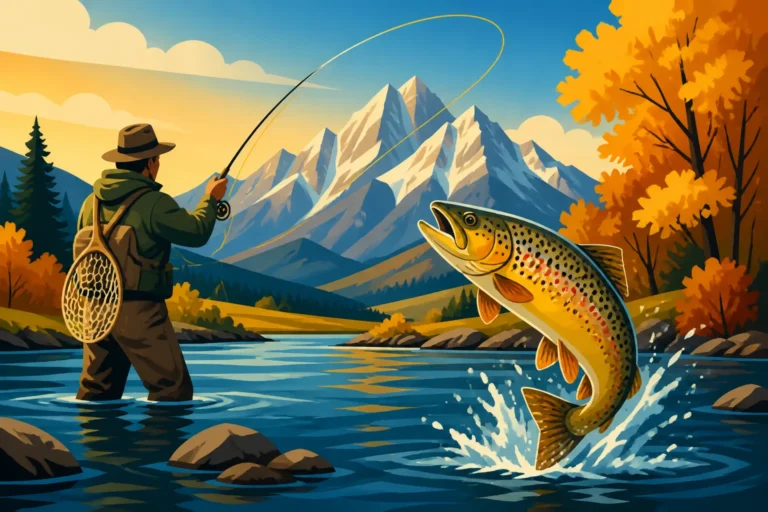
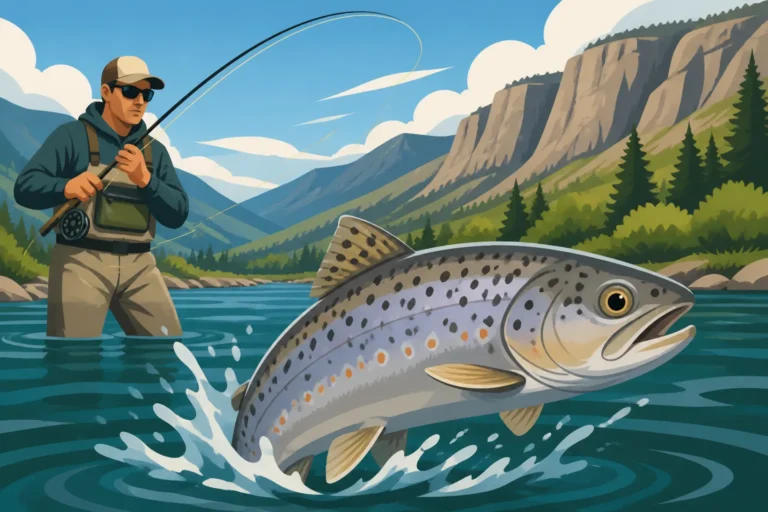
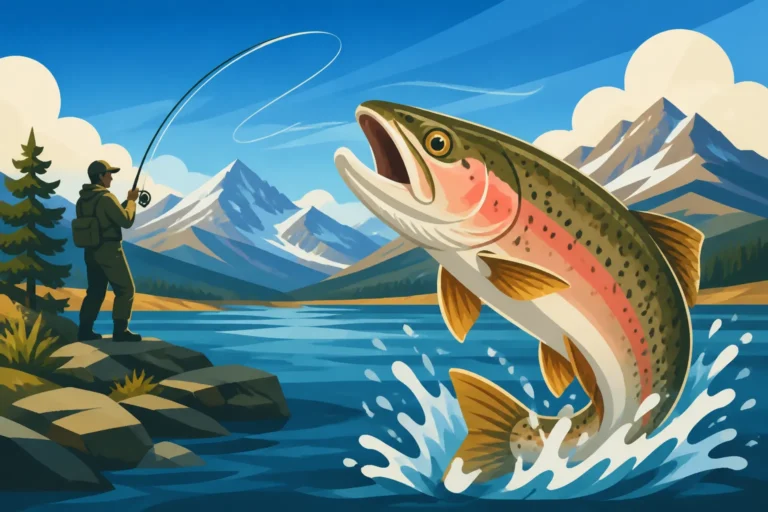
When we talk about fishing the Snake River near Jackson, we're primarily talking about the chance to tangle with the magnificent native Snake River Fine-Spotted Cutthroat Trout. These aren't just any trout; they're a genetically unique subspecies, perfectly adapted to the river's cold, clear, and oxygen-rich waters. Their vibrant colors and aggressive takes on a fly or lure make them a truly sought-after prize. Beyond the cutthroat, you might also encounter a few Rainbow Trout, or even Brown Trout, especially in the lower reaches, though the cutthroat is truly the star here.
What truly sets the Snake River apart is its raw, untamed beauty. As it flows through Grand Teton National Park and vast tracts of National Forest and BLM land, you're not just fishing; you're immersed in a quintessential Wyoming wilderness experience. Towering peaks, dense forests, and the occasional sighting of wildlife like elk, moose, or even bears, are all part of the package. This incredible natural setting means that while the fishing itself is fantastic, the overall experience of being in such a pristine environment is equally, if not more, rewarding. It’s this combination of healthy native fish populations and breathtaking scenery that makes the public access points here so valuable and often, so busy.
Navigating Seasonal Shifts and River Dynamics
Understanding the Snake River's seasonal rhythm is absolutely paramount to successful fishing and finding the best access points. This isn't a static fishery; it's constantly changing, influenced by snowmelt, weather patterns, and the lifecycle of its fish. Generally, the season here runs from late spring through fall, with unique opportunities and challenges in each phase.
Spring brings runoff, often peaking in late May or early June. During this time, the river swells with snowmelt, becoming high, fast, and often murky. Many of the traditional access points for wading or bank fishing can become completely inaccessible or too dangerous to navigate. It's a challenging time for anglers, but dedicated float fishers might still find success in certain slower pockets or tributaries. The fish, while still present, are hunkered down, feeding opportunistically on larger, subsurface prey. Knowing when to expect these conditions can save you a wasted trip. For a general overview of when to expect these changes, check out our guide on Wyoming Fishing Seasons Month by Month.
As summer progresses, the river levels drop, and the water clears, revealing prime holding lies and making many more public access points available for wade fishing and easier boat launches. This is often the most popular time to fish, with abundant insect hatches driving the cutthroat to feed eagerly on the surface. Fall sees the water cool, hatches become less prolific, but the cutthroat remain active, often putting on weight before winter. This can be an excellent time for targeting larger fish with streamers. Being aware of these natural cycles helps you plan your trip, choose the right gear, and most importantly, know which public access points will be most effective and safely reachable.
Key Public Access Points Along the Snake River
The Snake River system around Jackson offers a diverse array of public access, from well-maintained boat ramps within Grand Teton National Park to more primitive pull-offs on National Forest land. Each spot offers a slightly different experience and caters to different types of fishing. Finding your ideal public fishing access on the Snake River near Jackson often comes down to what kind of experience you're after.
Grand Teton National Park Access Points
Fishing within Grand Teton National Park is an absolute privilege, offering some of the most stunning backdrops imaginable. However, it also comes with specific regulations and designated access points. You'll need a Wyoming fishing license, and often a park entrance fee or pass. Importantly, all fishing within the park is catch-and-release for cutthroat trout, and only artificial lures or flies are permitted. Always check the park's specific regulations before heading out. For a detailed look at park fishing, explore our guide on Fishing Spots Inside Grand Teton National Park, Wyoming.
One of the most popular access points is Deadman's Bar, located off the main park road. This spot is a well-known put-in and take-out for drift boats and rafts, offering a wide, gravel bar that's also popular for bank fishing, particularly in lower water. The river here can be quite braided, creating diverse holding water for cutthroat. You'll find plenty of parking, restrooms, and clear signage. Further north, Moose Landing (often just called "Moose" or "Canoe Launch") offers another boat launch, typically for smaller craft or as a take-out point for shorter floats. It's easily accessible and provides good bank access to some slower, deeper pools, often productive early or late in the day. The views of the Tetons from these spots are simply unparalleled, making the journey as memorable as the fishing. Keep in mind that during peak season, these spots can get very busy, especially with float trips.
Another notable area, though less about direct river access for fishing and more for scenic views that overlook river habitat, is Oxbow Bend. While not a primary fishing access, its iconic reflective waters offer stunning photo opportunities and glimpses of wildlife. The main river channel isn't easily accessible for wading here, but it's an important wildlife corridor. For actual fishing, continue to designated river access. Pacific Creek Landing, near Moran Junction, is another public boat launch and offers good access to a different section of the river as it exits the park's northern reaches. This section can be quite braided and offers excellent opportunities for finding pockets of feeding fish. These park locations are typically well-maintained and clearly marked, but respect for wildlife and park rules is paramount.
Bridger-Teton National Forest and Bureau of Land Management Access
Outside of Grand Teton National Park, the Snake River flows through vast stretches of public lands managed by the Bridger-Teton National Forest and the Bureau of Land Management (BLM). These areas often provide a more rustic, less regulated feel than the national park, though state fishing regulations always apply. Many of these access points are popular for both wading and for launching drift boats or rafts, allowing anglers to cover miles of prime water.
The Wilson Bridge area, located just southwest of Jackson, is a prime example of accessible public land. Here, the river meanders through the valley, offering various pull-offs and designated fishing access points on both sides of the bridge, on National Forest and BLM land. You'll find numerous spots to park your vehicle and walk down to the river for wade fishing. The currents here can be swift, so careful wading is essential. This area is also a popular put-in for many commercial and private float trips, so expect some company, especially during peak summer months. It's a fantastic spot for targeting Snake River Cutthroat with both dry flies and nymph rigs. Just be sure to always keep an eye out for private property boundaries, which are usually well-marked.
Further south of Jackson, near the community of Hoback, you'll find other public access points, though they can be less defined. The South Park Wildlife Habitat Management Area (WHMA) managed by Wyoming Game and Fish, for instance, offers some opportunities for bank access and serves as a wildlife refuge. While fishing might not be the primary focus of all WHMAs, some do offer designated access. The areas around Astoria Hot Springs also have nearby public access points along the Snake River, often accessible via small dirt roads or trails. These areas can be a bit more rugged and less developed, so a 4×4 vehicle might be beneficial, especially after rain. These public lands offer a true sense of exploration and can often lead to less crowded water, particularly if you're willing to walk a bit. Remember that a valid Wyoming fishing license and a Wyoming Conservation Stamp are always required when fishing these public lands. If you're unsure about the cost of a stamp, you can find details in our guide on the Wyoming Conservation Stamp Cost.
Wyoming Game and Fish Public Access Areas
Beyond the national parks and national forests, the Wyoming Game and Fish Department (WGFD) plays a crucial role in maintaining and expanding public access to fishing waters across the state, including the Snake River. They manage specific access areas and easements designed to provide anglers with legal, designated entry points. These WGFD-managed sites are typically well-signed and often include amenities like parking, restrooms, and sometimes even boat launches.
While many of the most popular Snake River access points near Jackson fall within National Park or National Forest jurisdiction, WGFD works in cooperation with these agencies, and also maintains its own sites further downriver or on tributaries. For instance, the WGFD often secures fishing easements along private land, allowing public access along a designated strip of riverbank. These easements are vital for ensuring that anglers can access prime stretches of water that would otherwise be off-limits. They are always clearly marked, and it is imperative to stay within the boundaries of the easement to avoid trespassing.
Checking the WGFD website or their official fishing access maps is an invaluable resource for discovering these lesser-known or recently updated public access points. They often provide detailed information on specific locations, available amenities, and any special regulations for that particular stretch of water. For a general understanding of these crucial resources, reading our guide on Reading the Wyoming Fishing Regulations Booklet can be incredibly helpful as the booklet often includes maps and detailed access information. These WGFD areas, whether independently managed or in cooperation with federal agencies, are cornerstones of public fishing opportunities on the Snake River and throughout Wyoming.
Navigating Regulations and Etiquette for Snake River Fishing
Fishing the Snake River near Jackson comes with an important responsibility to understand and adhere to the local regulations and an unwritten code of etiquette. The river's health and the quality of the fishing experience depend on every angler doing their part. It's not just about avoiding fines; it's about protecting a truly special resource for generations to come.
Understanding Snake River Specific Regulations
The Snake River, especially within Grand Teton National Park and certain designated sections, has very specific rules designed to protect its native Snake River Fine-Spotted Cutthroat Trout. It’s absolutely critical to be familiar with these before you even tie on your first fly. One of the most common and important regulations is the barbless hook requirement. This means you must pinch down the barbs on all your hooks, whether you're fly fishing or spin fishing. This greatly reduces injury to fish, making catch-and-release much more effective.
Another key regulation, particularly within Grand Teton National Park, is the catch-and-release only rule for cutthroat trout. This means every single cutthroat you catch must be immediately and carefully released. In some other sections of the Snake River outside the park, there might be a "one over 16 inches" rule, meaning you can keep one cutthroat over 16 inches, but otherwise, they are still catch and release. However, the most conservative approach, especially in such a valuable fishery, is often to practice catch-and-release universally. For a deeper dive into these rules, including the differences between daily and possession limits, check out our guide on How Bag and Possession Limits Work in Wyoming. Always consult the most current Wyoming Fishing Regulations Every Angler Should Know booklet, available online and at license vendors, as regulations can change annually. The section specifically detailing New Snake River Trout Limits Near Jackson Lake Dam is particularly important if you plan to fish that area.
Respecting Private Property and Fellow Anglers
While this guide focuses on public access, the Snake River also flows through significant private land holdings. It is absolutely crucial to be aware of and respect private property boundaries. Always look for "No Trespassing" signs or fenced areas. Public access easements, granted by landowners, will be clearly marked, and it's your responsibility to stay within those designated corridors. Trespassing, even accidentally, can lead to fines and, more importantly, can jeopardize future public access opportunities by straining landowner relations.
Beyond property lines, river etiquette is vital for a harmonious fishing experience. The Snake River, especially popular sections, can see a lot of angler traffic, both from wade fishers and drift boats. If you're wading, try to give other anglers ample space. Don't crowd someone's fishing spot, especially if they were there first. For float trips, give wade anglers a wide berth and avoid floating directly through their water if possible. Communication goes a long way; a friendly wave or acknowledgment can prevent misunderstandings. Similarly, at boat ramps, be efficient with your launch and retrieval to avoid holding up others. We all share this amazing resource, and a little courtesy ensures everyone has a great time on the water.
Conservation and Invasive Species Prevention
The health of the Snake River fishery is paramount, and every angler has a role to play in its conservation. Protecting the native Snake River Fine-Spotted Cutthroat Trout from disease and competition is a top priority for Wyoming Game and Fish. A key part of this is preventing the spread of aquatic invasive species (AIS), which can devastate an ecosystem. The mantra is "Clean, Drain, Dry." Before moving your boat, waders, or gear from one water body to another, thoroughly clean off all mud, plant matter, and debris. Drain all water from your boat, livewells, and waders. Finally, allow everything to completely dry, ideally for five days or more, before using it in another river or lake.
Beyond AIS, responsible angling practices are essential. Always handle fish with wet hands to protect their protective slime coat. Minimize the time a fish is out of the water, especially during warm weather. Use a rubber net if possible, as it's gentler on fish fins and scales than knotty nylon. If you're practicing catch-and-release, make sure the fish is strong and can swim away on its own before letting it go. Never discard fishing line, bait containers, or any trash in or near the river. Pack out everything you pack in. These small actions collectively make a huge difference in preserving the Snake River as a world-class fishery. For more on protecting our waters, review the general Catch-and-Release Rules on Wyoming Waters.
Essential Gear and Tips for Fishing the Jackson Stretch of the Snake
Equipping yourself properly and knowing a few key tips can dramatically enhance your experience fishing the Snake River near Jackson. This river presents unique challenges and opportunities, and being prepared means more time enjoying the spectacular scenery and less time fumbling with gear.
Recommended Tackle and Techniques
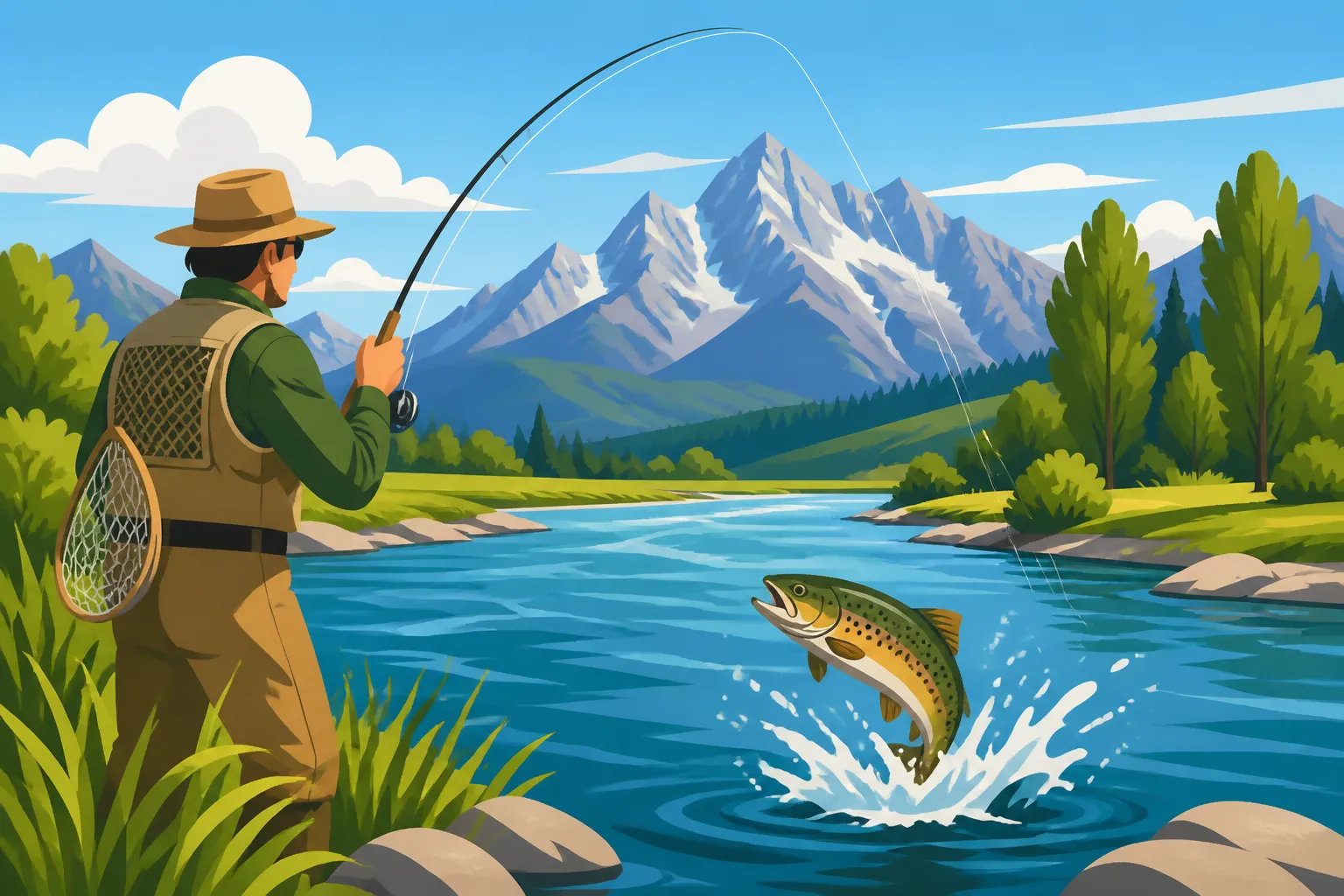
For most anglers hitting the Snake River near Jackson, fly fishing is the quintessential experience. The river's strong native cutthroat population is incredibly responsive to well-presented flies. A good all-around fly rod for this river would be a 9-foot, 5 or 6-weight rod, which offers enough backbone to handle the often-windy conditions and fight strong fish, while still being delicate enough for accurate presentations. If you're new to the sport, consider our guide on Best Fly Rod Weight for Wyoming Trout Streams. For flies, having a selection of dry flies that imitate local insects is crucial, such as various Caddis patterns (Elk Hair Caddis), Mayfly patterns (Parachute Adams), and terrestrial patterns (Hoppers, Chubby Chernobyls) for summer and fall. Nymphing under an indicator with patterns like Prince Nymphs, Hare's Ears, and small stoneflies can be highly effective when fish aren't rising. Streamers, like Woolly Buggers or articulated patterns, are excellent for prospecting deeper runs or targeting larger, more aggressive cutthroat and brown trout. Our guide on Fly Fishing Techniques for Wyoming Trout Streams offers more specific details.
While fly fishing is dominant, spin fishing can also be very effective, especially for beginners or those who prefer it. A light-to-medium action spinning rod with 6-8 pound test line is ideal. Small spinners (like Mepps Aglias or Panther Martins in sizes 1-3), small spoons, or soft plastic baits mimicking worms or minnows can all entice strikes. Always remember that within Grand Teton National Park, only artificial lures are allowed, so live bait is out. Regardless of your preferred method, always choose gear that is appropriate for the size of fish and the strong currents of the Snake River. Having a good pair of polarized sunglasses is also non-negotiable for spotting fish and reading the water.
Safety and Preparedness on the River
The wild beauty of the Snake River comes with inherent risks, and being prepared for various scenarios is critical. First and foremost, wading safety cannot be overstated. The Snake River's currents can be powerful and deceptive, and the riverbed can be rocky and slippery. Always wear sturdy wading boots, preferably with felt or studded soles for better grip. A wading staff is a truly invaluable tool for maintaining balance and testing depth, especially in unfamiliar water. If the water looks too fast or too deep, err on the side of caution and find an easier crossing or a different spot. Never wade alone if possible, and always let someone know where you're going and when you expect to return.
Beyond the river itself, you are in prime bear country. Both grizzly and black bears inhabit the Jackson Hole area. Carry bear spray, know how to use it, and keep it easily accessible. Make noise while hiking to avoid surprising a bear. Store food properly, preferably in bear-resistant containers or hung from a tree, away from your camp. Weather in Wyoming can change in an instant, even in summer. Be prepared for sudden thunderstorms, hail, or a drop in temperature. Layered clothing, including waterproof outerwear, is essential. A small first-aid kit, extra water, snacks, and a way to communicate (like a fully charged cell phone, though service can be spotty, or a satellite messenger) are always wise additions to your pack. For more insights on dressing for the elements, consider our guide on What to Wear on a Wyoming Guided Fishing Trip, even if you're going solo.
Hiring a Guide for a Better Experience
For those new to the Snake River, or even seasoned anglers looking to maximize their time and learn the nuances of this complex river, hiring a local fishing guide can be an incredibly smart move. A professional guide brings a wealth of knowledge about current river conditions, hot spots, effective flies and techniques, and safety protocols. They often have the necessary permits to float through specific sections, opening up access that might be difficult for individual anglers without their own drift boat. They can also teach you river etiquette and help you identify fish species like the unique cutthroat.
Guides often provide all the necessary gear, from rods and reels to flies and tackle, simplifying your packing and ensuring you have the right tools for the job. They're also expert instructors, perfect for refining your casting technique or learning new methods specific to the Snake River. Platforms like FishingBooker can be an excellent resource for finding reputable, licensed guides operating in the Jackson Hole area. You can compare different outfitters, read reviews, and find a guide whose expertise matches your fishing goals, whether you're targeting trophy fish or simply want a scenic float trip. For more information on what to expect, explore our comprehensive guide on Hiring a Fishing Guide in Wyoming to learn about costs, what's included, and how to choose the right fit for your adventure.
| Public Snake River Access Point | Primary Fishing Method | Best For | Amenities | Notes |
|---|---|---|---|---|
| Deadman's Bar (GTNP) | Float, Wade, Bank | Cutthroat, Scenery | Parking, Restrooms, Boat Ramp | Can be crowded; GTNP regulations apply. |
| Moose Landing (GTNP) | Float, Wade, Bank | Cutthroat, Scenery | Parking, Boat Ramp | Good for shorter floats; GTNP regulations apply. |
| Pacific Creek Landing (GTNP) | Float, Wade | Cutthroat, Braided water | Parking, Boat Ramp | Further north in GTNP; can be remote. |
| Wilson Bridge Area (BTNF/BLM) | Wade, Float, Bank | Cutthroat, Accessibility | Parking, Some pull-offs | Popular, watch for private property. |
| South Park WHMA (WGFD) | Bank | Wildlife viewing, Limited Fishing | Parking, Wildlife focus | Check WGFD for specific fishing access. |
Disclaimer
Please remember that fishing regulations, access points, and river conditions can change. Always consult the latest Wyoming Game and Fish Department regulations and Grand Teton National Park advisories before heading out. Safety in bear country is paramount, and responsible angling practices help preserve this incredible resource for everyone.