Ice Fishing in Wyoming: A Complete Guide
Stepping onto a vast, frozen lake in Wyoming might seem daunting at first glance. The biting wind, the endless expanse of white, and the sheer thought of drilling a hole through solid ice can feel like a challenge reserved only for the most seasoned adventurers. Many anglers wonder if it's truly worth braving the elements, or if they'll even catch anything in such frigid conditions. This comprehensive guide is here to assure you that not only is Wyoming's ice fishing scene incredibly rewarding, but it's also entirely accessible with the right knowledge, gear, and a healthy respect for safety. We’ll cover everything you need to know to confidently hit the hardwater and experience the unique thrill of winter angling in the Cowboy State.
Embracing the Winter Wonderland: Why Ice Fish in Wyoming?
There's something undeniably magical about ice fishing in Wyoming. While the fair-weather anglers have packed up their gear and retreated indoors, a dedicated community of hardwater enthusiasts finds solace and excitement on the state's frozen lakes and reservoirs. It’s a completely different experience from summer fishing, often offering unique challenges and equally unique rewards. You might be surprised at how active fish can be under the ice, and the serene quiet of a winter landscape is a perfect backdrop for a peaceful day, or an exciting derby with friends.
The Unique Appeal of Hardwater Angling
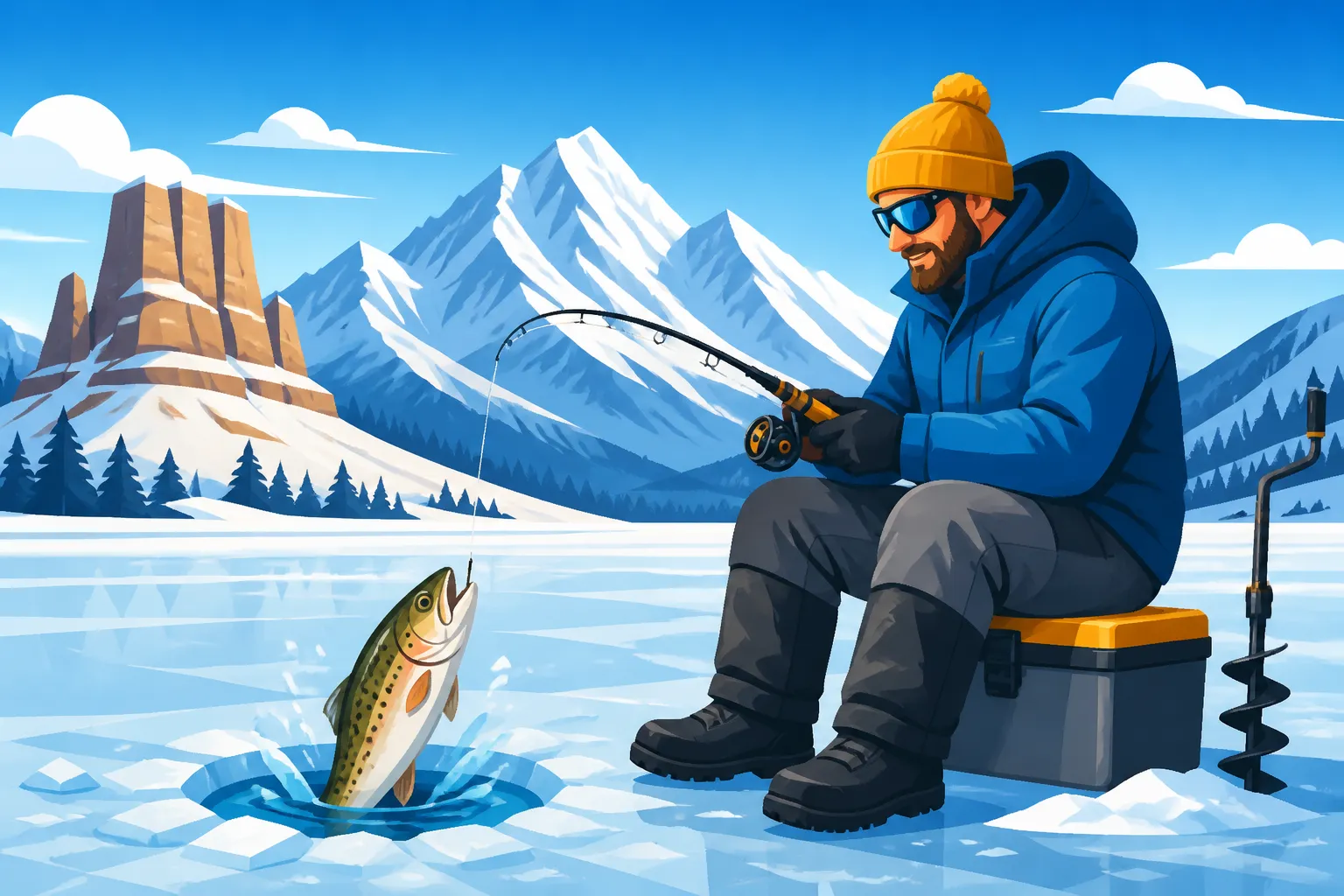
For many, ice fishing is more than just a way to catch fish; it’s a winter tradition, a chance to connect with nature in its most stark and beautiful form. Imagine the crisp winter air, the solitude broken only by the crackle of a small heater in your shelter, and the sudden, exhilarating tug on your line. It’s a primal thrill, a test of patience, and a wonderful way to escape the hustle and bustle. The accessibility is also a huge draw. Unlike summer boating, which often requires specific launch sites and extensive gear, ice fishing can often be done with a bucket, an auger, a rod, and a healthy walk out onto the ice.
Beyond the tranquility, there’s a real sense of community that often forms on the ice. You’ll find families huddled together, friends sharing stories and coffee, and experienced anglers eager to offer advice or even share a tip-up. It's a sport that fosters camaraderie, whether you're battling a stubborn auger or celebrating a trophy catch. Plus, there's a certain satisfaction that comes from mastering a craft that fewer people attempt.
Target Species and Winter Opportunities
Wyoming's diverse fisheries don't shut down when the ice forms; many species become even more accessible and active. You might be surprised at the variety you can target. Lake trout, for example, often move into shallower water in early winter, making them more available to ice anglers than during the warmer months when they retreat to the depths. These powerful fish offer an incredible fight, and landing a Wyoming State Record Lake Trout through an ice hole is a badge of honor.
Walleye, known for their delicious fillets, are another popular target, especially in reservoirs like Boysen. Their schooling behavior in winter can lead to incredible action once you locate them. You'll also find plenty of rainbow trout, brown trout, and cutthroat trout, particularly in smaller lakes and ponds. Perch, often overlooked, provide consistent action and are fantastic table fare, making them a favorite for families and beginners. Even species like burbot (ling), a unique freshwater cod, become a primary target for specialized night fishing during the colder months, offering a truly distinctive angling experience. You can learn more about What Fish You Can Catch Ice Fishing in Wyoming in a dedicated guide.
Gearing Up for the Cold: Essential Ice Fishing Equipment
One of the biggest hurdles for new ice anglers is figuring out what gear they actually need. The thought of buying everything can feel overwhelming, but it doesn't have to be. While specialized equipment can certainly enhance your experience, you can start with the basics and build up your arsenal over time. The key is to prioritize safety and comfort in Wyoming's often extreme winter conditions.
Staying Warm: Layering and Outerwear
This is perhaps the most critical aspect of successful and enjoyable ice fishing. Cold penetrates quickly, and once you're chilled, the fun factor plummets. The secret weapon against Wyoming's biting winter winds and sub-zero temperatures is layering. Forget the bulky single coat; think multiple thin layers that trap warm air and can be adjusted as your activity level or the weather changes.
Start with a moisture-wicking base layer (think synthetics or merino wool) that pulls sweat away from your skin. Cotton is a definite no-go here, as it retains moisture and will make you colder. Next, add an insulating mid-layer, like a fleece jacket or down vest. Your outer shell should be waterproof, windproof, and breathable. Many ice anglers swear by specialized ice fishing suits (like those from Striker Ice or Clam) which often have built-in flotation for safety, ample pockets, and reinforced knees. Don't forget a warm hat that covers your ears, insulated gloves or mittens (often a combination of both – thin gloves for handling fish and thick mittens for warmth), and insulated, waterproof boots with good traction. Layers allow you to adapt. If you’re drilling holes or walking a long distance, you might shed a layer; when sitting still in the shelter, you’ll want them all on. For a detailed breakdown, check out What to Wear Ice Fishing in Wyoming.
On-Ice Necessities: Augers, Shelters, and Heaters
These are your game-changers for comfort and efficiency on the ice. An auger is non-negotiable for drilling holes. They come in manual, cordless electric, and gas-powered options. Manual augers are cheapest and lightest, perfect for occasional use or thin ice, but they can be a real workout on thicker ice. Cordless electric augers, powered by rechargeable lithium-ion batteries, are increasingly popular for their quiet operation and efficiency, though they come with a higher price tag. Brands like ION and Eskimo are highly regarded. Gas augers are powerful and drill quickly through thick ice, but they are heavier, noisier, and require fuel.
Ice shelters provide critical protection from the wind and cold. Hub-style shelters are popular for their quick setup and spacious interiors, while flip-over shelters attach to a sled and deploy instantly, making them ideal for mobile anglers. Many shelters are insulated, which makes a huge difference in retaining warmth. Pairing your shelter with a small, portable heater (like those from Mr. Heater) can turn a frigid outing into a cozy escape. Always ensure proper ventilation when using a propane heater inside a shelter to prevent carbon monoxide buildup.
Rods, Reels, and Terminal Tackle for Ice Fishing
Ice fishing setups are distinct from open-water gear. Rods are much shorter, ranging from 24 to 36 inches, allowing you to fish comfortably inside a shelter or close to the hole. They come in various actions, from ultra-light for panfish to heavy for large lake trout. Match your rod to the species you’re targeting. Reels are typically small spinning reels, but inline reels are also gaining popularity, especially for jigging small lures, as they reduce line twist.
For line, a low-stretch monofilament or fluorocarbon is common, often in lighter test weights (2-8 lb for most trout and panfish, up to 20 lb or more for big lake trout). Braid can also be used, especially in deeper water, with a fluorocarbon leader for stealth. Terminal tackle includes a wide array of specialized ice fishing jigs, spoons, and soft plastics. Micro jigs tipped with a maggot or wax worm are deadly for panfish and smaller trout. Spoons like the Swedish Pimple or Kastmaster are excellent for jigging larger trout and walleye. Scented soft plastics can be very effective, too. Don't forget pliers, a small tackle box, extra line, and a bucket to carry your gear and your catch. For a comprehensive list, check out our Ice Fishing Gear Checklist for Wyoming Lakes.
Safety First: Navigating Wyoming's Frozen Waters Responsibly
Ice fishing in Wyoming can be an incredibly rewarding experience, but it demands respect for the environment and strict adherence to safety protocols. The majestic beauty of a frozen lake can quickly turn dangerous if you're not prepared or if you underestimate the risks. This is not a place for guesswork; always prioritize safety over a potential catch.
Ice Thickness and What It Means for Safety
The cardinal rule of ice fishing is: no ice is 100% safe. However, certain thickness guidelines are widely accepted. The Wyoming Game and Fish Department (WGFD) and other safety organizations provide recommendations, but these are general guidelines, and conditions can vary widely even across a single body of water. Early ice and late ice are notoriously unpredictable. Pressure ridges, currents, and springs can create weak spots where the ice is much thinner than the surrounding area.
Here’s a general guideline for minimum ice thickness, but always check conditions yourself and exercise extreme caution:
| Activity | Minimum Ice Thickness | Notes |
|---|---|---|
| Foot travel | 4 inches | Clear, solid ice. Double check every step. |
| Snowmobile/ATV | 5-7 inches | Distribute weight, avoid crowding. |
| Small car/truck | 8-12 inches | Rarely recommended, use extreme caution. |
| Medium truck | 12-15 inches | Very risky, avoid if possible. |
It’s crucial to understand that these numbers refer to clear, hard, black ice. Snow-covered or "white" ice is much weaker and requires significantly more thickness for the same level of safety. Always drill test holes as you venture out, especially when on a new body of water or in an unfamiliar area. Keep an eye out for changes in ice color or texture, and listen for creaking or groaning sounds, which could indicate stress on the ice. Never fish alone if possible, and always inform someone of your plans and expected return time. Knowing How Thick Ice Needs to Be to Fish Safely is paramount.
Emergency Preparedness and What to Carry
Even with the utmost caution, accidents can happen. Being prepared for an emergency on the ice could save your life or someone else's. Ice picks are a non-negotiable item, worn around your neck, ready to be deployed. If you fall through, these can help you pull yourself back onto the ice. A throw rope or rescue bag should also be part of your kit, useful for helping others without putting yourself at risk.
Beyond ice-specific tools, carry a basic survival kit: a whistle, waterproof matches or a lighter, a small first-aid kit, a headlamp, and high-energy snacks. A fully charged cell phone is a good idea, but don't rely on it entirely, as service can be spotty in remote Wyoming locations and cold temperatures can drain batteries quickly. Dress in layers, as discussed, and consider bringing an extra set of dry clothes in a waterproof bag, just in case. When fishing further from shore or in remote areas, a GPS device or a mapping app on your phone can help you navigate, especially if visibility drops due to snow. For more on this, our guide on Auger and Shelter Basics for Wyoming Ice Fishing also touches upon essential safety gear.
Understanding Wyoming's Ice Fishing Regulations
Just like open-water fishing, ice fishing in Wyoming is governed by specific rules set by the Wyoming Game and Fish Department. These regulations are designed to protect fish populations and ensure fair chase. Before you even head out, you'll need a valid Wyoming fishing license. It's important to remember that Do You Need a Wyoming Fishing License to Ice Fish? is a common question, and the answer is yes, the same license applies. You also need to be aware of the daily bag and possession limits, which can vary by species and even by specific body of water. Some waters might have special restrictions, such as catch-and-release only, or limitations on bait use.
A crucial regulation for ice fishing is regarding the number of rods you can use. Typically, you can use two fishing poles or rods, but you’ll need to purchase a Two-Pole Fishing Stamp if you want to use more than one. Always check the current year’s regulations booklet, which you can find online or at any license vendor. Ignorance of the law is not an excuse for violations, and penalties can include hefty fines and even loss of fishing privileges. Pay particular attention to rules about leaving lines unattended, as this is often prohibited. Being knowledgeable about these regulations ensures a legal and responsible outing.
Prime Locations: Best Ice Fishing Lakes and Reservoirs in Wyoming
Wyoming is a vast state, and its diverse geography offers an impressive array of ice fishing opportunities, from massive reservoirs to pristine high-mountain lakes. Knowing where to go is half the battle, and some spots consistently produce excellent winter action for a variety of species. However, always confirm current ice conditions and regulations for your chosen destination before heading out.
High-Yield Reservoirs for Walleye and Lake Trout
When it comes to big fish and consistent action, Wyoming's larger reservoirs are often the go-to spots for ice anglers. These expansive bodies of water hold substantial populations of game fish, offering the chance at trophy catches.
Boysen Reservoir, located near Shoshoni, is a perennial favorite, especially for walleye and crappie. As the ice thickens, walleye tend to congregate in certain areas, often around submerged structure or points. Anglers here often use jigging spoons tipped with minnow heads or small crankbaits. Perch and ling (burbot) are also popular targets. If you're wondering Is There Ice Fishing at Boysen Reservoir?, the answer is a resounding yes, and it’s a premier destination. The reservoir's vastness means there's plenty of room, but it also means finding the fish can take some effort. Look for areas with current, such as near the Wind River inlet or the dam, as these can concentrate baitfish and predatory species.
Further south, Flaming Gorge Reservoir offers incredible opportunities for giant lake trout (Mackinaw) and kokanee salmon. While much of the Gorge is in Utah, the Wyoming sections, particularly around Buckboard Crossing and the Antelope Flat area, freeze over reliably. Lake trout often suspend over deep water or cruise along structure, and ice anglers use large tube jigs or spoons, often tipped with sucker meat. Kokanee salmon can be found schooling, and they respond well to small jigs and spoons in pinks and oranges. Due to the size and depth of Flaming Gorge, specialized electronics are almost a must for locating fish.
Glendo Reservoir and Keyhole Reservoir in eastern Wyoming are also excellent choices for walleye, crappie, and perch, providing great options for those on the eastern side of the state. These reservoirs can be very productive throughout the ice season, with anglers focusing on main lake points, submerged humps, and old creek channels.
Mountain Lakes for Trout and Panfish
For those who prefer a more serene setting or who are targeting different species, Wyoming's mountain lakes offer a different kind of ice fishing adventure. These lakes, often nestled in stunning winter landscapes, are typically managed for various trout species and sometimes panfish.
Lake Hattie, near Laramie, is a popular spot for rainbow trout and brown trout, with occasional catches of splake. It's a relatively easy-access lake that freezes well. Anglers here often use small jigs or spoons, frequently tipping them with PowerBait, mealworms, or wax worms. The action can be fast, making it a great spot for beginners or those looking for consistent bites.
In the Wind River Mountains, while many high-alpine lakes are inaccessible in winter, some lower-elevation mountain lakes and reservoirs remain popular. Fremont Lake near Pinedale, for instance, offers opportunities for lake trout and brook trout. These waters provide a quieter experience, often with breathtaking snowy vistas. However, access might require snowmobiles or cross-country skis, adding to the adventure. When targeting these mountain lakes, focusing on traditional trout baits and small spoons can be very effective.
Community Ponds and Beginner-Friendly Spots
For families, beginners, or those just looking for a quick and easy outing, Wyoming offers numerous smaller ponds and lakes that are regularly stocked and freeze quickly. These spots are often managed specifically for ice fishing, making them ideal for a low-pressure day on the ice.
Many of Wyoming's "Kids Fishing Ponds" are excellent for ice fishing, offering easy access and a high likelihood of catching rainbow trout or perch. These ponds, often found near towns like Casper, Cheyenne, or Gillette, provide a fantastic introduction to the sport without the need for extensive travel or specialized equipment. They are perfect places to teach children the ropes of ice fishing, often having picnic tables and restroom facilities nearby.
Always check the WGFD website for specific regulations and stocking schedules for these community ponds. They are often subject to different rules regarding bait or limits. Learning How to Find Fishable Ice on a Wyoming Reservoir often starts with these smaller, more predictable bodies of water, which are perfect for honing your ice safety and fishing skills before venturing onto larger, more challenging lakes.
Mastering the Techniques: Strategies for Success on the Ice
Ice fishing isn't just about drilling a hole and dropping a line. While that can sometimes work, employing specific techniques and using modern tools can dramatically increase your success rate. Understanding how fish behave under the ice and how to present your bait effectively are crucial skills for any Wyoming hardwater angler.
Jigging and Deadsticking for Different Species
These are the two most fundamental ice fishing techniques, often used in conjunction with each other.
Jigging involves actively working a lure to entice a strike. This is particularly effective for aggressive fish like walleye, perch, and active trout. The action can vary:
- Aggressive Jigging: Lift your rod tip sharply 6-12 inches, then let the lure fall on a semi-slack line. Repeat this every few seconds, pausing at the bottom. This mimics a fleeing baitfish or insect.
- Subtle Jigging: A gentler approach, often involving slight quivers or small lifts of 1-2 inches. This is better for finicky fish or when targeting panfish.
- Pounding: Rapidly tap the rod butt with your finger or hand to create a vibration that travels down the line to the lure. This can be very effective at calling fish in.
The type of jig or spoon you use will depend on the species and depth. Small tear-drop jigs for panfish, spoons like a Northland Forage Minnow for trout and walleye, and larger tube jigs for lake trout are common. Tipping your jig with a live bait (minnow head, wax worm, maggot) almost always increases its effectiveness by adding scent and natural action.
Deadsticking, on the other hand, is a passive technique. It involves setting up a second rod (where legal, with a two-pole stamp) with bait, often still or very slowly moving, and leaving it largely unattended. A common setup involves a small hook with live bait (like a minnow or nightcrawler) or a PowerBait egg, suspended just off the bottom or at a target depth. This is excellent for less active fish or those that prefer a stationary presentation, such as larger trout or sometimes even walleye. You might use a bobber or simply watch the rod tip for subtle bites. Many anglers will actively jig one rod while deadsticking another, offering fish two different presentations simultaneously. This strategy can be particularly effective in finding what the fish prefer on a given day. Our guide on Best Ice Fishing Jigs for Wyoming Trout offers excellent specific lure recommendations.
Electronics: Sonar and Underwater Cameras
In modern ice fishing, electronics are no longer a luxury but a powerful tool that significantly increases your chances of success.
A flasher sonar (like those from Vexilar or Marcum) is arguably the most important piece of ice fishing electronics. It provides real-time, instantaneous feedback on what's directly beneath your hole. You'll see your lure, bait, and any fish that come into the transducer's cone. This allows you to adjust your presentation based on how fish are reacting – are they ignoring it? Chasing it? You can see their movements and fine-tune your jigging action accordingly. Understanding your flasher takes practice, but once mastered, it’s an invaluable tool for locating fish, determining depth, and observing their behavior.
GPS units (either handheld or integrated into fish finders) are incredibly helpful for navigating to specific fishing spots, marking productive holes, and finding your way back to your vehicle, especially in whiteout conditions. Many anglers use them to revisit successful spots from previous trips or to navigate to known structure that was identified during open-water fishing.
Underwater cameras offer a fascinating, direct view of the underwater world. While not as practical for quickly locating fish as a flasher, they are fantastic for confirming species, checking how fish are reacting to your lure, identifying subtle structure, and simply observing aquatic life. They're also a huge hit with kids, allowing them to watch fish swim up to the bait. Brands like Aqua-Vu and MarCum make popular ice fishing cameras. Using these electronics can greatly enhance your understanding of the fishery and improve your angling prowess.
Reading the Ice: Locating Fish and Structure
Unlike open water, where you can often see visible structure, ice fishing requires a different approach to "reading the water" below. However, many principles of open-water fishing still apply. Fish, even under the ice, relate to structure and changes in depth.
Bottom contours and structure: Fish often congregate around drop-offs, humps, points, old creek channels, and weed lines. If you have a map of the lake or reservoir from summer fishing, use it to identify these areas. If not, your flasher will help you find depth changes and even display some bottom features. Walleye, for example, often relate to breaks and points, while lake trout might suspend over deep water or cruise along shelves.
Baitfish concentrations: Predators follow their food. If you can locate schools of baitfish (which will show up as a "cloud" or "band" on your flasher), larger game fish are likely nearby. Sometimes, an aggressive jigging technique is used specifically to attract baitfish, which in turn draws in larger predators.
Oxygen levels: In some shallow, stagnant ponds with heavy snow cover, oxygen levels can deplete, pushing fish to areas with more flow or open water (if any). While less common in larger, well-oxygenated Wyoming lakes, it's something to be aware of. Look for areas where springs or inlets provide fresh water.
Trial and error: Don't be afraid to move! If you're not getting bites after 15-20 minutes in one spot, drill new holes, even if it's just 20-50 feet away. Sometimes a slight change in depth or proximity to a feature is all it takes. Many successful ice anglers will drill a dozen or more holes, checking each one with their flasher before deciding where to set up their shelter. This systematic approach, combined with good electronics, is the key to unlocking consistent success on Wyoming’s frozen waters.
Wyoming's Ice Fishing Season: When to Go and What to Expect
The ice fishing season in Wyoming is a dynamic period, constantly shifting with the weather and the specific body of water. Understanding these phases – early, mid, and late ice – can significantly impact your success and safety. Each phase presents unique opportunities and challenges, making the sport ever-evolving throughout the winter months.
Early Ice: The First Opportunities
This is often the most anticipated time of the year for dedicated ice anglers. Early ice typically forms in late November to early December, depending on elevation and weather patterns. Smaller, shallower lakes and ponds will freeze first, offering the earliest opportunities. Larger, deeper reservoirs like Flaming Gorge or Boysen may not be safe until later in December or even January. You can find more specific information on When Ice Fishing Season Starts in Wyoming from the WGFD.
What to expect:
- Thinner, but often clearer ice: This means more caution is needed, as mentioned in the safety section. However, clear ice allows more light penetration, which can make fish more active.
- Aggressive fish: Fish often remain active and opportunistic as they adjust to their new, frozen environment. Many species, particularly lake trout and walleye, will move into shallower areas to feed, making them more accessible than during mid-winter.
- Less pressure: Since fewer anglers are willing to venture out on thinner ice, you often have prime spots to yourself.
- Prime time for big trout: Larger brown and rainbow trout can be very aggressive in early ice conditions before they settle into deeper patterns.
Techniques: Focus on mobile fishing, drilling many holes, and using aggressive jigging presentations to cover water and locate active fish. Small spoons and jigs tipped with live bait are highly effective.
Mid-Season: Prime Conditions and Challenges
Mid-season, typically from January through February, is when the ice is generally at its thickest and most stable, offering the safest conditions for venturing out. This is also when most ice fishing derbies and events take place.
What to expect:
- Thickest ice: This allows for safer travel, even with snowmobiles or ATVs (where allowed).
- More snow cover: Snow acts as an insulator, reducing light penetration and making the ice less clear. This can make fish more lethargic or move them to different depths. You might need to focus on low-light periods or use brighter lures.
- Less aggressive fish: As the season progresses, fish can become more selective and less active. You may need to scale down your presentations and use more subtle jigging movements.
- Higher fishing pressure: With safer ice, more anglers will be out, especially on popular lakes. Finding less pressured spots can become more challenging.
Techniques: Electronics become even more critical during mid-season to locate schools of fish and discern their activity levels. Subtle jigging with smaller lures, often tipped with live bait, can be key. Deadsticking becomes increasingly effective for less active fish. Don't be afraid to experiment with different depths and presentations. Sometimes, a slight change in lure color or size can make all the difference.
Late Ice: The Final Push and Safety Considerations
Late ice, typically spanning March and sometimes into early April, is a period of transition as the ice begins to break up. This can be a very productive time for fishing, but it is also the most dangerous. Knowing When Ice Fishing Season Ends in Wyoming is critical, not just for regulations but for personal safety.
What to expect:
- Dangerous ice conditions: The ice becomes honeycombed and rotten, losing its structural integrity even if it appears thick. Large cracks can form, and open water can appear seemingly overnight. Extreme caution is paramount; if in doubt, stay off the ice.
- Renewed fish activity: As sunlight penetrates the ice more easily and snow melts, water temperatures rise slightly, triggering a surge in fish activity. Many species begin to feed heavily in preparation for spawning.
- Shallow water action: Fish often move into shallower bays and shorelines, especially for species like perch and crappie that are preparing for their spawn. Larger trout and walleye can also be very active.
Techniques: This is a prime time for aggressive jigging with brighter, flashier lures, mimicking the increased activity of baitfish. Focus on shallow water near inlets or areas where snowmelt creates current. Always have a spud bar to test the ice ahead of you, and wear flotation outerwear. This is a time for experienced anglers who understand the risks and know how to read deteriorating ice. If you are new to ice fishing or unsure about ice conditions, it is best to err on the side of caution and wait for open water season.
Beyond the Catch: Ice Fishing Culture and Community in Wyoming
Ice fishing in Wyoming is more than just a solitary pursuit; it’s a vibrant community, a chance to gather with friends and family, and an opportunity to enjoy the unique winter landscape. From competitive derbies to the simple pleasure of sharing a warm meal on the ice, the social and cultural aspects are a significant part of the experience.
Local Events and Derbies
Wyoming plays host to several popular ice fishing derbies throughout the winter, offering a fun, competitive, and social aspect to the sport. These events bring together anglers of all ages and skill levels, often featuring prizes for the biggest fish, heaviest stringers, or even specific species. Derbies are fantastic opportunities to learn from more experienced anglers, discover new techniques, and share stories with fellow enthusiasts.
For example, the Boysen Ice Fishing Derby is a major event held annually, drawing hundreds of participants to target walleye, crappie, and other species. These derbies often have dedicated areas, designated weigh-in stations, and strict rules that highlight ethical angling practices. Even if you don't enter, observing a derby can be a fascinating experience and a great way to see how the pros approach hardwater fishing. Keep an eye on the Wyoming Game and Fish Department's event calendar or local fishing club announcements for dates and locations. These events are not just about competition; they foster a strong sense of community among winter anglers.
Respecting the Environment and Fellow Anglers
Just as in any outdoor activity, responsible behavior is crucial for preserving Wyoming's beautiful fishing resources and ensuring everyone has an enjoyable experience.
- Leave No Trace: Pack out everything you pack in, including bait containers, discarded fishing line, and any trash. It’s disheartening to see litter on the ice or, worse, exposed as the ice melts in the spring.
- Proper Fish Handling: If you’re practicing catch and release, handle fish gently with wet hands, minimize their time out of the water, and release them quickly. For fish you intend to keep, dispatch them humanely and store them properly to maintain meat quality.
- Respectful Angling: Give other anglers space, especially if they’ve clearly established a spot or are using a shelter. Keep noise levels down, and be mindful of your auger noise. A simple wave or friendly greeting goes a long way in fostering a positive atmosphere on the ice.
- Ice Safety Awareness: As we've discussed, ice safety is paramount. Be aware of your surroundings, test ice conditions, and never assume an area is safe because someone else is there. If you see someone in distress, be prepared to help or call for assistance. This collective responsibility ensures that Wyoming's ice fishing remains a safe and cherished tradition.
Delicious Rewards: Cooking Your Winter Catch
One of the most satisfying aspects of ice fishing is taking home a fresh catch to enjoy. Fish caught in cold water often have firm, clean-tasting flesh, making them particularly delicious. Whether you’ve landed a mess of perch, a few feisty rainbow trout, or a prized walleye, preparing your winter catch can be the perfect end to a successful day.
Perch are fantastic pan-fried. Their flaky, mild white meat is superb when lightly breaded with cornmeal or seasoned flour and fried quickly until golden brown. Walleye are renowned for their delicate, almost sweet flavor and firm texture. They are excellent baked, broiled, or fried. Many anglers consider walleye to be one of the best-tasting freshwater fish. Trout are incredibly versatile. Smaller rainbows can be pan-fried whole, while larger ones are delicious baked with lemon and herbs, or even smoked.
Remember to properly clean and store your fish shortly after catching them to maintain freshness. Keep them on ice or in a cold environment until you can process them. There are countless recipes available, but sometimes the simplest preparations are the best, allowing the natural flavor of the cold-water fish to shine through. Sharing a meal of freshly caught fish with family and friends is a cherished part of the ice fishing tradition and a wonderful way to celebrate your success on Wyoming’s frozen waters.
Disclaimer
The information provided in this guide is for general informational purposes only and is not intended as legal or safety advice. Ice conditions in Wyoming can be extremely dangerous and change rapidly. Always exercise extreme caution, verify ice thickness and safety on your own, and consult the most current Wyoming Game and Fish Department regulations before engaging in any ice fishing activity. The author and publisher assume no responsibility for any loss, injury, or damage incurred as a result of using this information. Your safety is your responsibility.