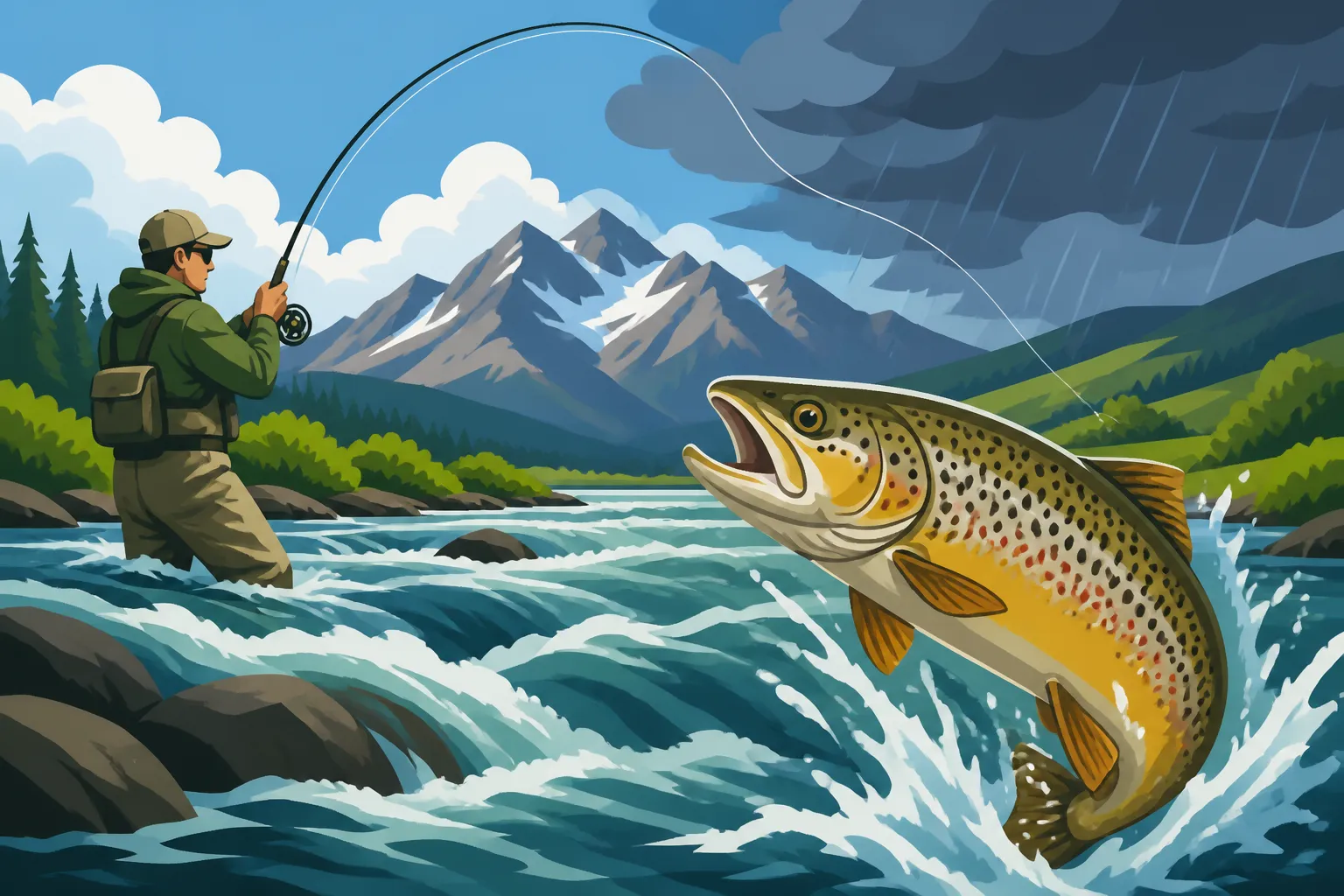
Fishing Wyoming’s Runoff Season
Ah, Wyoming runoff season. It's that time of year when your favorite trout stream transforms into a raging, chocolate-milk torrent, and you might feel like hanging up your waders until July. We’ve all been there, standing on the bank, watching debris rush by, wondering if any fish could possibly survive, let alone bite. But don't despair! This comprehensive guide is here to equip you with the knowledge, strategies, and gear you need to not just survive, but thrive during Wyoming's challenging yet surprisingly productive runoff.
Understanding Wyoming's Runoff Cycle
Before we dive into tactics, let's chat about what runoff actually is and why it feels like Mother Nature is playing a cruel joke on anglers. Simply put, runoff is the period when accumulated winter snowpack in the mountains begins to melt rapidly, swelling our rivers and streams. It's a natural, vital process for the ecosystem, but it certainly throws a wrench into our fishing plans if we're not prepared.
The Science Behind the Surge: Snowpack and Temperature
You see, Wyoming's mountains are incredible snow-catchers. During the winter, feet upon feet of snow pile up, holding a massive amount of water. As spring progresses and temperatures warm, especially with those sudden spikes we often get in May and June, that snow begins to melt. The amount of snow (snowpack) directly correlates to how intense and prolonged the runoff will be. A heavy snow year means a big, drawn-out runoff. Less snow, and it might be a quicker, less dramatic event.
This process is largely driven by temperature. Nights below freezing can slow the melt, giving the rivers a slight reprieve, but consecutive warm, sunny days and mild nights turn the mountainside into a giant water faucet. The water rushes down, carrying sediment, organic matter, and nutrients, transforming clear, inviting flows into powerful, turbid forces. It's like the mountains are exhaling all the winter's accumulated moisture in one big, watery breath.
Typical Timing and Regional Variations
While there's no exact date on the calendar, Wyoming's runoff generally kicks into high gear from mid-May through late June, sometimes even into early July in higher elevations or heavy snow years. However, this isn't a statewide blanket event. The timing and severity vary wildly depending on where you are in the state.
For instance, rivers fed by lower elevation snowpacks or those coming out of plains areas might see an earlier, quicker runoff. The North Platte River, particularly the stretches below dams like those forming Pathfinder or Alcova reservoirs, can behave very differently than a free-flowing river. Often, these tailwater fisheries remain clear and fishable even when other rivers are blown out because the dams regulate water releases. Meanwhile, iconic freestone rivers like the Snake River in Jackson Hole, or the Green River in the western part of the state, will swell dramatically, reflecting the massive snowmelt from the surrounding mountain ranges. Rivers in the Big Horn Mountains or the Wind River Range often have a later, more prolonged runoff due to their higher elevations. It's always a good idea to check local conditions and river gauges, which we’ll discuss more later. You might even want to check resources like "Wyoming Fishing Seasons Month by Month" to get a general idea, but remember, runoff is highly dynamic.
The Angler's Dilemma: Challenges of Runoff
Let's be honest, runoff can feel like an impossible challenge. You've been dreaming of that first big trout of the season, only to find the river looks like a chocolate shake and moves like a freight train. It's discouraging, to say the least, but understanding why it's so challenging is the first step to overcoming it.
Navigating Murky Waters and Reduced Visibility
The most immediate and obvious challenge is the sheer lack of visibility. When the water is opaque with sediment, fish can't see your perfectly tied dry fly or your subtle nymph. Their world shrinks, and they rely more on scent, vibration, and opportunistic feeding. This isn't just about them seeing your bait; it's also about you seeing them, or more importantly, seeing the riverbed. Wading can become incredibly dangerous when you can't see what's under your feet – a sudden drop-off or a hidden boulder can quickly turn a fun outing into a serious safety concern.
This reduced visibility also means that fish don't have to be as wary. They're feeling a bit more secure under the cover of the cloudy water, which can actually be an advantage if you can present your offering effectively. It forces us to think differently, to shift our tactics from sight fishing or delicate presentations to more aggressive, attention-grabbing methods.
Battling High Flows and Strong Currents
Beyond the murk, the sheer volume and speed of the water during runoff can be intimidating and even dangerous. Fast currents make casting accurately a struggle. Your flies or lures might not get down to the fish before being swept away. The force of the water can pull your line, creating drag and unnatural presentations. If you're a fly angler, a perfect mend becomes a wrestling match with the river.
For bait and spin casters, maintaining bottom contact is a constant battle against the current. You'll need heavier weights or larger, more aerodynamic lures to sink through the fast water. High flows also push fish into specific holding lies where they can conserve energy, meaning you need to know where to find these quieter spots to have any chance. Wading in these conditions requires extreme caution; even a gentle current can become powerful enough to knock you off your feet, especially in deeper water.
Debris and Obstacles: More Than Just Water
It’s not just water rushing down the river; it's everything else too. Tree branches, logs, leaves, grass, and all sorts of organic matter get dislodged and swept downstream. This can wreak havoc on your gear, constantly snagging your line, fouling your flies, and making it nearly impossible to get a clean drift or retrieve. Imagine making a perfect cast, only for a tumbleweed of grass to immediately cling to your hook. Frustrating, right?
This debris isn't just an annoyance; it can be a serious safety hazard for anyone on the water, whether wading or in a boat. Large logs or entire trees can become submerged or partially submerged, creating strainers that are incredibly dangerous. Boaters need to be extra vigilant, and wading anglers must constantly scan the water upstream for anything large heading their way. Sometimes, the sheer volume of debris makes fishing simply unfeasible in certain stretches.
Finding Fishable Water During Runoff
Okay, so runoff is challenging. We've established that. But here's the good news: there are always fishable waters in Wyoming, even when the rivers are raging. It just takes a shift in perspective and a bit of detective work to find them. You won't be hitting your usual spots, but new opportunities emerge.
Tailwaters: The Runoff Havens
If there's one silver lining during runoff, it's Wyoming's incredible tailwater fisheries. These are the river sections immediately below dams and reservoirs. Because the water released from the dam comes from deep within the reservoir, it's often significantly clearer and more stable in temperature than the snowmelt-fueled freestone rivers. The dams act as massive sediment filters and flow regulators, offering a sanctuary for fish and anglers alike.
The North Platte River below Gray Reef Dam and Miracle Mile is a prime example. While the upper sections of the North Platte might be unfishable, the Gray Reef and Miracle Mile often offer excellent conditions during peak runoff. The fish here are accustomed to consistent flows and clear water, and they feed actively. Other great tailwaters include the Green River below Fontenelle Dam and the Bighorn River below Boysen Dam. These spots become immensely popular during runoff, and for good reason. Be prepared for company, but also for some of the best fishing you'll find when everything else is blown out. This is where Nymphing Techniques for Wyoming Tailwaters often shine brightest.
Lake and Reservoir Strategies
Don't forget about Wyoming's vast network of lakes and reservoirs! While rivers are churning, stillwaters often remain clear and offer a fantastic alternative. Fish in lakes aren't affected by the same high-flow, turbid conditions that plague rivers. In fact, the influx of runoff can actually benefit stillwaters by bringing in fresh nutrients and cooler water, which can stimulate fish activity.
Focus on areas where tributaries flow into the lake. While the main river might be muddy, the edges where it meets the lake can create plumes of slightly warmer, nutrient-rich water that attracts baitfish and, consequently, game fish. Trolling with spoons or crankbaits can be incredibly effective for targeting trout and kokanee salmon in these larger bodies of water, especially where the water begins to clear a bit. In smaller lakes, look for shallow coves, points, and areas with submerged structure. Fish will often move closer to the banks in the slightly warmer, calmer water. Techniques like Trolling Techniques for Wyoming Reservoirs become vital here.
Seeking Tributaries and Spring Creeks
Sometimes, the best strategy is to think small. Look for smaller tributaries or spring creeks that flow into the larger, blown-out rivers. These smaller waters often clear faster than the main stem, or they might be fed by groundwater and springs, meaning they remain relatively clear even when major rivers are muddy. Fish from the main river will frequently seek refuge in these clearer, calmer waters, especially near the mouths of these tributaries. They're looking for a break from the current and a chance to feed in less stressful conditions.
Accessing these smaller creeks might involve a bit more hiking or exploring, but the reward can be finding untouched, actively feeding fish. Be mindful of private property when exploring these smaller streams. Always check land ownership maps and respect posted signs. These often hidden gems can be incredibly productive during periods of high water, offering a peaceful escape from the turbid chaos of the main river.
Essential Gear Adjustments for Runoff Season
Fishing during runoff isn't just about changing your location; it's about changing your gear. What works in clear, low-flow conditions often won't cut it when the river is a raging torrent. You need to beef up your tackle, choose different terminal gear, and prioritize safety with your wading attire.
Rods, Reels, and Lines for High Water
For fly anglers, this isn't the time for your delicate 3-weight rod. You'll want a heavier setup, typically a 6 or 7-weight rod, which has the backbone to cast heavier flies, sink-tip lines, and larger indicators, and to fight strong fish in fast currents. Your reel should have a smooth drag system and enough backing, because when a trout grabs your fly in high water, it’s going to run hard. Using a heavier fly line, or even a sink-tip or full sinking line, is crucial for getting your flies down through the powerful current to where the fish are holding near the bottom.
Spin fishermen will also benefit from a slightly heavier action rod, perhaps a medium-heavy spinning or casting rod, capable of handling heavier lures and weights. Your reel should be spooled with stronger line, at least 8-10 pound test mono or fluorocarbon, or even 20-30 pound braided line with a fluorocarbon leader. The added strength helps you battle fish and retrieve snagged lures from the debris and current. The goal here is power and control, not finesse.
Wading Safety and Apparel Considerations
Safety is paramount during runoff. This means your wading gear is more critical than ever. Always wear sturdy, felt-soled or aggressively-studded wading boots for maximum traction on slippery, unseen riverbeds. A wading belt is non-negotiable; it helps prevent water from filling your waders should you take a tumble, which can be life-saving. Many anglers also opt for a wading staff, which provides an extra point of contact and helps you feel for submerged obstacles or sudden drop-offs. You can find excellent options on Amazon, which offers a wide range of reliable wading staffs and studded boots.
Layering your clothing is always smart in Wyoming, but especially so during runoff. The water can be frigid, even if the air is warm. Wear synthetic layers under your waders to stay warm if you get wet, and always have a waterproof jacket. Consider a personal flotation device (PFD) if you're wading in particularly strong currents or unfamiliar waters. Never, ever wade alone in high water. Always have a buddy, and know your limits. Remember, no fish is worth risking your life over. Knowing What to Wear Ice Fishing in Wyoming can even give you some ideas for layering in cold runoff conditions.
Lure and Fly Selection for Low Visibility
When water visibility is low, fish rely less on sight and more on vibration, profile, and scent. This means your typical natural-colored flies and lures might be ignored. It's time to go big and bright!
For fly anglers, think large, dark, and heavily weighted nymphs and streamers. Woolly Buggers, articulated streamers, sculpin patterns, and stonefly nymphs in black, olive, brown, or even purple are excellent choices. Add a bead head or wrap with lead wire to get them down quickly. Consider adding a bit of scent, like Pro-Cure, to your flies. This enhances their appeal to fish that are relying on smell.
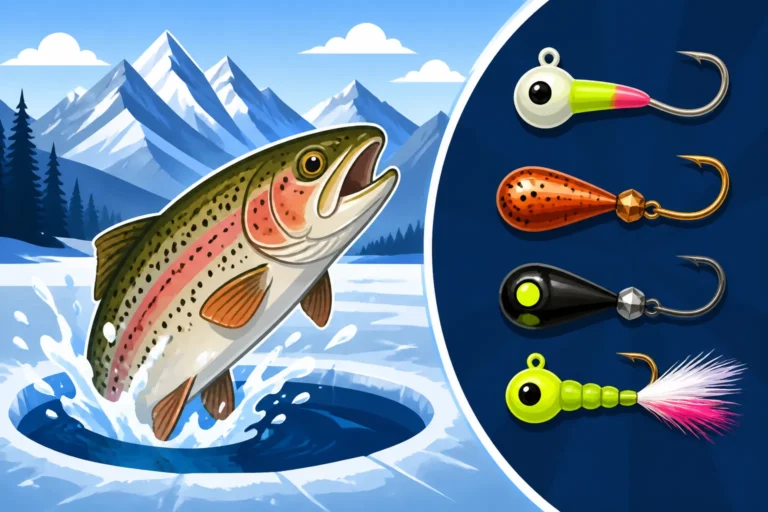
Spin fishermen should gravitate towards flashy, noisy, or vibrantly colored lures. Bright-colored crankbaits, spinnerbaits with large blades, and jigs tipped with scented plastics or bait are highly effective. Colors like chartreuse, orange, bright pink, or even white can stand out in murky water. Larger profiles are also key, as they create more vibration and are easier for fish to detect. Think about a larger Rapala crankbait or a Mepps Aglia spinner. You might also want to check out "Best Lures for Wyoming Rainbow Trout" for specific ideas.
Effective Techniques for Runoff Fishing
Now that you've got the right gear, let's talk about how to actually fish these challenging conditions. Runoff fishing requires a complete shift in technique, focusing on getting your offering deep, making it noticeable, and covering water effectively.
Deep Nymphing and Indicator Rigs
For fly anglers, nymphing becomes the bread and butter during runoff. Fish are often hugging the bottom, seeking refuge from the strong currents and waiting for dislodged food. Your job is to get your nymphs down to them, quickly and effectively. This means using plenty of weight – often more than you'd think.
A common setup is a heavy indicator rig: a large, buoyant indicator, split shot (sometimes a lot of it) added to your leader, and one or two large, heavy nymphs. Tungsten bead-head nymphs like Pat's Rubber Legs, Girdle Bugs, or Prince Nymphs are excellent choices. The indicator helps you detect subtle takes, while the weight ensures your flies sink to the strike zone. You'll need to mend your line aggressively to avoid drag and allow your flies to drift naturally, or as naturally as possible, in the fast current. Focus on slower seams, eddies, and the edges of the main current where fish expend less energy. This is a crucial application of Nymphing Techniques for Wyoming Tailwaters.
Streamer Fishing: Big Meal, Big Fish
When the water is high and off-color, fish become opportunistic predators. They're looking for a substantial, easy meal that presents itself in the turbulent water. This is where streamer fishing truly shines. Streamers imitate baitfish, sculpins, or leeches, all of which are on the menu for hungry trout.
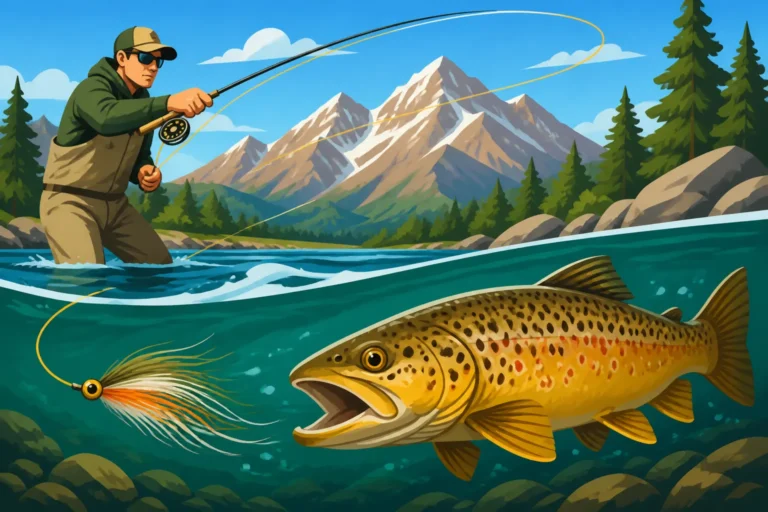
Cast large, articulated streamers in dark colors (black, olive, brown, purple) or flashy colors (white, chartreuse) across and slightly upstream, then strip them back with varying retrieves. The key is to impart action and make them look like a struggling baitfish. A faster, more aggressive strip in the current can mimic a fleeing meal, while a slower, more erratic retrieve might suggest an injured one. Don't be afraid to add scent to your streamers, especially during low visibility. This technique can often entice the biggest fish in the river, as they're the ones willing to expend energy for a substantial meal. Streamer Fishing for Wyoming Brown Trout will give you some excellent patterns and tactics to consider.
Spin Fishing Tactics for Turbulent Water
Spin fishermen have a distinct advantage in runoff conditions due to the ability to cast heavier lures and cover water quickly. The goal remains the same: get your lure down to the fish and make it noticeable.
Use heavier spinning gear and line, as mentioned earlier. Cast crankbaits, spinnerbaits, or heavy jigs with soft plastics upstream or across the current, letting them sink and then working them back with a slow, steady retrieve. The current will help impart action to your lure. Focus on lures that produce strong vibrations or have bright, contrasting colors. Spoon lures, especially those with hammered finishes that flash and wobble, can also be very effective. Try to "read the water" for slower sections, eddies, and current breaks where fish are likely to be holding. Cast into these areas and let your lure sink before starting your retrieve. Don't be afraid to experiment with retrieve speed and depth until you find what triggers a bite.
Species-Specific Strategies for Runoff
While trout are often the primary target in Wyoming, runoff opens up opportunities for other species. Different fish react to high, turbid water in different ways, so tailoring your approach can lead to more success.
Targeting Trout in High Flows
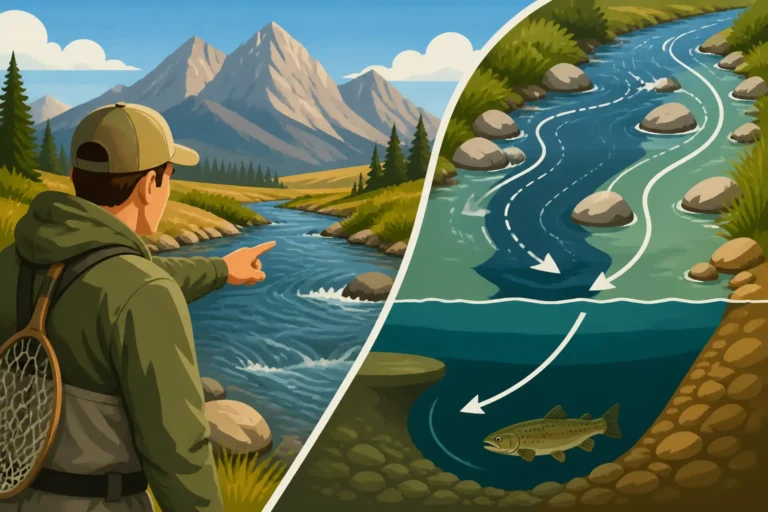
Trout, especially brown trout and large rainbow trout, are incredibly resilient and adaptable. They don't just disappear during runoff; they simply adjust their behavior and location. During high flows, trout will move out of the main, fast current and seek refuge in slower, more predictable water. This means focusing your efforts on:
- Seams: The boundary where fast current meets slower water. Trout will often sit just inside the slower water, waiting for food to be swept by in the main current.
- Eddies and Backcurrents: These are natural holding lies where trout can rest and ambush food without expending too much energy. Cast into the eddy and let your lure or fly drift out towards the main current.
- Bankside Structure: Overhanging branches, undercut banks, and large boulders near the shore create natural current breaks and provide cover. These are prime locations for trout to hide.
- Tributary Mouths: As mentioned, the influx of clearer, possibly warmer water from a tributary can be a magnet for trout seeking refuge from the main river.
- Deep Pools: While fast on the surface, deep pools often have slower currents near the bottom, offering a comfortable holding spot. Get your flies or lures deep into these areas.
Remember, trout are still feeding, but they're not going to chase food far in strong currents. Your presentation needs to be accurate, getting your offering right into their strike zone without making them work too hard for it.
Warmwater Species Opportunities Walleye, Bass, Perch
While trout fishing dominates much of the attention in Wyoming, runoff can be an excellent time to target warmwater species in the state's many reservoirs and lakes. These species are often less impacted by the turbidity that affects trout in rivers, and sometimes they even thrive on the influx of nutrients.
Walleye: Reservoirs like Boysen, Glendo, and Keyhole can offer fantastic walleye fishing during runoff. Walleye are ambush predators that rely heavily on scent and vibration, making them less deterred by murky water. They often congregate near areas where new water is flowing in, bringing in nutrients and baitfish. Try jigging with scented soft plastics or live bait (where legal), or slow-trolling crankbaits that mimic baitfish. Look for drop-offs, submerged humps, and points. The turbidity can actually make them more aggressive as they feel more secure. This is a great time to apply Jigging for Walleye at Boysen Reservoir.
Smallmouth Bass: Found in waters like Flaming Gorge Reservoir and Glendo, smallmouth bass are feisty fighters. They'll often move into rocky areas and points, especially those with some current near where runoff enters the lake. Cast crankbaits, spinnerbaits, or tube jigs that mimic crayfish or baitfish. Their strong sense of lateral line detection means they can easily find your lure even in cloudy water.
Perch: Yellow perch are abundant in many Wyoming lakes and reservoirs and are a fantastic target for family fishing, especially when rivers are high. They're often found in schools in shallower bays or near weed beds. Use small jigs tipped with bait like mealworms, waxworms, or pieces of nightcrawler. They bite readily and are delicious table fare.
These warmwater species can provide a fun and productive alternative when river trout are being particularly finicky during runoff.
Safety First: Mitigating Risks During High Water
I can't stress this enough: safety during runoff is not a suggestion, it's a requirement. The river is a powerful force, and conditions can change rapidly. Respect the water, understand its dynamics, and always err on the side of caution.
Understanding River Flows and Predicting Changes
Before you even leave the house, check current river conditions. The Wyoming Game and Fish Department website and USGS streamflow gauges are invaluable resources. These provide real-time data on river levels, flow rates (measured in cubic feet per second, or CFS), and water temperature. Learning to interpret these graphs is crucial. A rapidly rising graph indicates a surge in runoff, while a steady or falling graph suggests more stable or clearing conditions.
Pay attention to weather forecasts, particularly mountain temperatures and rainfall. Warm nights and sunny days will exacerbate melt and raise river levels. Heavy rain can quickly turn a fishable stream into a raging torrent, even if the snowmelt itself has peaked. Knowing How Wyoming Sets In-Season Emergency Closures can also help you understand why certain areas might become temporarily off-limits. Plan your trip for days when flows are stable or dropping, if possible. If you arrive at the river and it looks significantly higher or muddier than reported, or if you simply don't feel comfortable, turn around. There will always be another day to fish.
Wading Safety and Companion Fishing
I mentioned this before, but it bears repeating: never wade alone during high water. Having a fishing buddy is your best safety net. They can help you out of a tough spot, throw you a rope, or go for help if needed. Before you step into the water, identify your entry and exit points. Plan your route, looking for slower, shallower sections.
Here are some critical wading tips:
- Test the Bottom: Use your wading staff to probe the riverbed ahead of you. Feel for deep spots, loose rocks, or sudden drop-offs.
- Shuffle Your Feet: Don't lift your feet high. Shuffle them along the bottom to maintain contact and stability.
- Face Upstream: Always face upstream when wading. This allows you to see incoming debris and to brace against the current, which hits the broad side of your leg.
- Know Your Limits: If the water feels too strong or too deep, it probably is. Don't push it. There's no shame in turning back or finding a safer spot to bank fish.
- Wear a Wading Belt: This is mandatory. It seals your waders at your waist, preventing them from filling with water and dragging you down if you fall.
- Communicate: If you're with a buddy, communicate constantly about conditions, potential hazards, and where you're going.
Always carry a fully charged phone in a waterproof case, a small first-aid kit, and enough water and snacks. Runoff fishing can be physically demanding, so stay hydrated and fueled.
Post-Runoff: The Fishing Explosion
After all the challenges and strategic adaptations of runoff, there’s a magnificent reward waiting for anglers: the post-runoff fishing explosion. This period is, for many, the absolute prime time to be on the water in Wyoming.
Prime Fishing as Waters Clear
Once the major snowmelt has subsided and river levels begin to drop and clear, the fishing can become absolutely phenomenal. All that high water has scoured the riverbed, rearranged gravel, and created new holding lies. More importantly, it has flushed a tremendous amount of food into the system – insects, worms, and dislodged aquatic invertebrates. The fish, having conserved energy during the peak of runoff, are now eager to feed aggressively.
As the water clarifies, fish become more comfortable moving into different parts of the river. Their feeding windows widen, and they'll be less selective. This is when you can start to transition back to your more typical tactics, though often with a continued emphasis on getting flies or lures to the bottom in areas where the current might still be a bit swift. The river has been "reset," so explore new pockets, runs, and riffles that may have formed or changed during the high flows. This is often the best time of year to catch trophy fish that have been gorging on the abundant food supply.
The Nutrient Flush and Insect Hatches
The runoff doesn't just clear the water; it also delivers a massive "nutrient flush" to the rivers and lakes. This influx of fresh, oxygenated water and organic matter invigorates the entire aquatic ecosystem. This renewed vitality sets the stage for incredible insect hatches. As water temperatures stabilize and clarity improves, caddis, mayflies, and stoneflies emerge in profusion, providing an endless buffet for trout.
Matching the hatch becomes a highly effective strategy once again, and you might encounter blanket hatches of insects you haven't seen since the previous year. Dry fly fishing, after being largely impossible during peak runoff, can become spectacular. Even if you're not a fly angler, the sheer abundance of insects means fish are actively looking up and feeding aggressively, making them more susceptible to well-presented spin lures or bait. It's a time of renewed life and activity, and a well-deserved payoff for those who navigated the challenges of runoff season. For more on what to expect throughout the year, refer to our guide on Wyoming Fishing Seasons Month by Month.
| Condition | Visibility | Current Strength | Fish Behavior | Recommended Gear Changes | Recommended Techniques |
|---|---|---|---|---|---|
| Peak Runoff | Low (murky) | High | Hugging bottom, seeking eddies/slow water, opportunistic | Heavier rods/lines, studded boots, wading staff, large/bright lures/flies | Deep Nymphing, Streamer Fishing, Jigging, Trolling |
| Moderate Runoff | Moderate (stained) | Moderate | Still seeking cover, more willing to move for food | Medium-heavy gear, secure wading, slightly smaller lures/flies | Nymphing, Streamer Fishing, Crankbaits, Spinners |
| Post-Runoff | High (clear) | Low-Moderate | Actively feeding throughout river, looking for hatches | Standard gear, diverse lure/fly selection | Dry Fly Fishing, Sight Nymphing, All-around Spin/Fly Casting |
Disclaimer
Please remember that fishing conditions in Wyoming can change rapidly. Always consult the latest Wyoming Game and Fish Department regulations and local advisories before heading out. Be aware of private property boundaries and practice responsible angling, including proper catch-and-release techniques to help preserve Wyoming's incredible fisheries for future generations. Your safety is your responsibility.