Best Wyoming Fly Patterns for Cutthroat Trout
You've trekked all the way to a pristine Wyoming stream, spotted a beautiful cutthroat, meticulously cast your line, and… nothing. It's disheartening when the fish just aren't interested, isn't it? Many anglers, even seasoned ones, find themselves scratching their heads when facing the notoriously selective cutthroat trout in Wyoming's crystal-clear waters. They're not always easy, but unlocking their secrets often comes down to one crucial element: the right fly pattern. This guide will walk you through the best fly patterns for Wyoming's elusive cutthroat trout, helping you understand their diet, behavior, and ensuring your next cast is a resounding success.
Understanding Wyoming Cutthroat Trout Behavior and Diet
Before we even think about knotting on a fly, it's absolutely vital to understand what makes Wyoming's cutthroat trout tick. These fish are opportunistic feeders, but they can also be incredibly selective, especially in heavily fished or gin-clear waters. Their diet largely dictates what flies you should be presenting, and that diet changes dramatically with the seasons and the specific body of water you're fishing.
The Importance of "Matching the Hatch"
The phrase "matching the hatch" is practically a mantra in fly fishing, and for good reason. It means selecting a fly pattern that closely imitates the insects or forage currently available and prevalent to the fish. For cutthroat trout, this is particularly critical. If a river is experiencing a prolific hatch of tiny Blue-Winged Olives, and you're throwing a massive hopper pattern, you're likely to be ignored.
The natural world is in constant flux, and so are the feeding opportunities for a cutthroat. One day, the river might be swarming with emerging caddis; the next, it might be a smorgasbord of grasshoppers blown in from the banks. Understanding these cycles and observing what's happening on and in the water is your first step to success. This isn't just about looking at the surface; it's also about what's drifting subsurface, like nymphs and emergers, which often make up the bulk of a trout's diet. Keeping an eye on what flies are currently active can significantly impact your success, making the difference between an empty net and a memorable day on the water. For a deeper dive into these seasonal shifts, check out our comprehensive guide on Wyoming Fishing Seasons Month by Month.
Key Forage for Wyoming Cutthroat
Wyoming cutthroat trout, including the iconic Wyoming's State Fish: The Yellowstone Cutthroat, have a diverse diet depending on their habitat. Generally, their menu includes:
- Mayflies: These delicate insects are a staple for trout worldwide. They go through a complete metamorphosis, meaning you'll find them as nymphs, emergers (ascending to the surface), duns (floating on the surface after emerging), and spinners (returning to lay eggs). Different species hatch at different times of the year and in varying sizes.
- Caddisflies: Often underestimated, caddisflies are extremely important. Their larval and pupal stages are subsurface, and their egg-laying adults can be seen skittering across the water, making them vulnerable and enticing.
- Stoneflies: These are larger insects, and their nymphs are incredibly important, especially in western rivers. When stoneflies hatch, it’s a major event, prompting trout to feed aggressively on both the large nymphs and the adults.
- Midges: Tiny but mighty, midges are active year-round, even in the coldest months. They often comprise a significant portion of a cutthroat's diet, especially when larger insects aren't present.
- Terrestrials: Think land-based insects like grasshoppers, ants, and beetles. During summer and early fall, these unfortunate critters often fall into the water, becoming an easy, protein-rich meal.
- Scuds and Sowbugs: These small crustaceans are often found in stillwaters and slow-moving sections of rivers, thriving in weedy areas and providing a constant food source.
- Baitfish: Larger cutthroat, particularly those in lakes and bigger rivers, will readily target smaller fish like sculpins or juvenile trout. These are crucial for chasing trophy-sized fish.
Understanding these primary food sources and how to Identifying a Yellowstone Cutthroat Trout is paramount for any angler hoping to consistently hook into these beautiful native fish.
Essential Dry Fly Patterns for Wyoming Cutthroat
There's something uniquely exhilarating about watching a cutthroat rise to a perfectly presented dry fly. Dry flies imitate adult insects floating on the water's surface, and they are most effective when trout are actively feeding on the surface during a "hatch."
Mayfly Imitations for Surface Feeding
Mayflies are arguably the most graceful of the aquatic insects, and their hatches often bring trout to the surface in a frenzy. Having a good selection of mayfly imitations is non-negotiable for Wyoming cutthroat fishing.
- Parachute Adams: This is a universal pattern, a true jack-of-all-trades. It imitates a wide variety of mayfly species and sits nicely in the surface film thanks to its parachute hackle. It's an excellent "searcher" pattern when you're not sure what's hatching. Fish it in sizes #12-20, varying the body color to match local hatches. You'll find yourself reaching for this one often, and it's readily available from fly shops or online retailers like Amazon.
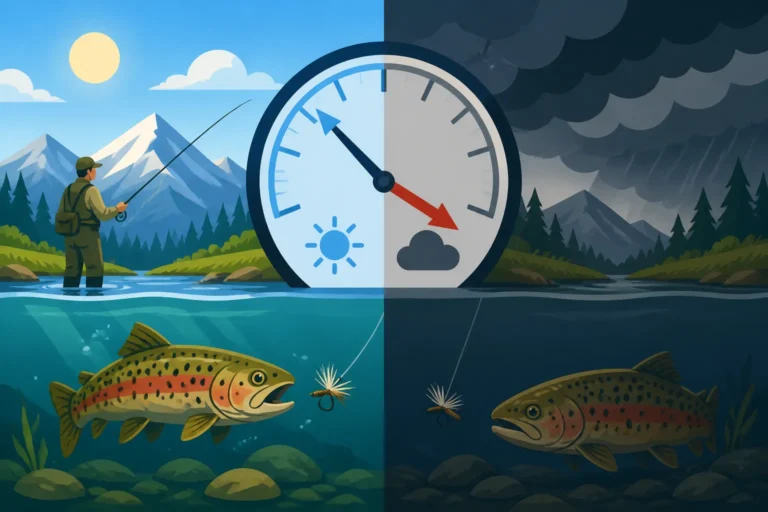
- Blue-Winged Olive (BWO): When the weather turns cloudy, or even downright nasty, BWOs often emerge in profusion, especially in spring and fall. These are small, dark mayflies, and cutthroat can become incredibly focused on them. Have them in sizes #18-24. A good tactic is to have both dun and emerger patterns, as trout will often key in on the struggling emergers just below or in the surface film.
- Green Drake: These are the giants of the mayfly world, typically hatching in late spring and early summer on specific rivers. When a Green Drake hatch is on, it's pure magic. Trout become incredibly aggressive, targeting these large, juicy meals. You'll need patterns in sizes #10-14, and make sure they're robust enough to handle the fight of a big cutthroat.
- Pale Morning Dun (PMD): A summer staple, PMDs are medium-sized, yellowish mayflies that hatch consistently on many Wyoming rivers. They often appear in the late morning to early afternoon, hence the name. Sizes #14-18 are key, and a PMD emerger can be just as effective as the dun pattern.
Caddis and Stonefly Dries
While mayflies are elegant, caddis and stoneflies are the workhorses, often bringing aggressive takes.
- Elk Hair Caddis: This is another universal fly that belongs in every fly box. It's simple, floats well, and imitates a wide range of caddis species. Its fluttering profile can entice strikes even when no specific caddis are hatching. Sizes #12-18 are standard. You can twitch this fly a little to mimic a struggling insect, and cutthroat will often smash it.
- Stimulator: A big, bushy attractor pattern that can imitate large caddis, stoneflies, or even a terrestrial. It's incredibly buoyant and great for prospecting fast water or as the lead fly in a dry-dropper rig. When those larger summer stoneflies are around, like Golden Stones or Salmonflies, a Stimulator in sizes #6-12 can be deadly.
- Chubby Chernobyl: This foam-bodied monster is a modern classic. It's a fantastic imitation for large stoneflies and grasshoppers. It floats like a cork and can support a heavy nymph dropper, making it a favorite for many anglers fishing western rivers. Its large profile and vibrant colors make it a highly visible and effective pattern, especially during a big stonefly emergence.
Terrestrial Patterns for Summer Success
As summer heats up, terrestrials become a significant food source. These aren't aquatic insects but land-dwellers that accidentally end up in the water, offering a substantial meal for hungry cutthroat.
- Dave's Hopper / Parachute Hopper: When grasshoppers are abundant in late summer and early fall, a well-placed hopper pattern can lead to explosive strikes. These patterns imitate the struggling insects and are best fished along grassy banks or where wind might blow them into the water. Sizes #8-14 are good, and don't be afraid to try different colors.
- Ant: Ants are present year-round, but they become particularly important in late summer and fall. Sometimes, a tiny ant pattern, black or cinnamon, in sizes #16-20, can be the ticket when nothing else is working. Cutthroat love ants!
- Beetle: Beetles are another common terrestrial that cutthroat key in on. Foam beetle patterns in black or dark brown, sizes #12-18, are easy to fish and can be incredibly effective, especially on bright, sunny days when larger insects might be less active.
Effective Nymph Patterns for Subsurface Success
While the visual thrill of a dry fly take is unmatched, the vast majority of a trout's diet consists of subsurface insects. Nymphing is often the most consistent way to catch cutthroat trout, especially when no visible hatch is occurring. Mastering Nymphing Techniques for Wyoming Tailwaters is an essential skill for any angler.
Generalist Nymphs for All Seasons
These are the workhorse nymphs, designed to imitate a wide range of aquatic insects in their larval or pupal stages.
- Pheasant Tail Nymph: A classic for a reason. This pattern, usually tied with pheasant tail fibers, imitates a wide variety of small mayfly nymphs. It's subtle, realistic, and deadly in sizes #14-22. It's incredibly versatile and can be fished in almost any water type, often as the trailing fly in a two-nymph rig.
- Hare's Ear Nymph: Another legendary pattern, the Hare's Ear is buggy and impressionistic, suggesting a range of mayfly and caddisfly nymphs. Its shaggy texture and natural colors make it very appealing. Carry it in sizes #12-20, both weighted and unweighted.
- Copper John: A heavily weighted, flashy nymph that gets down quickly. It's a great attractor pattern and can imitate a caddis pupa or a stonefly nymph. The metallic flash often triggers an aggressive response from cutthroat, especially in off-color water or when trying to reach deep holding lies. Sizes #12-18 are most common.
Specialized Nymphs for Specific Hatches
Sometimes, you need to be more specific to fool a finicky cutthroat. These nymphs are designed to imitate particular food sources or conditions.
- Zebra Midge: Midges are a year-round food source, but they become incredibly important in winter and early spring, and in tailwater fisheries. The Zebra Midge is a simple, effective pattern that often proves irresistible, especially in sizes #18-24. Fish it deep, often under an indicator, or as a dropper off a larger nymph.
- San Juan Worm: While some purists scoff, the San Juan Worm is an undeniable cutthroat magnet, especially after rain or during high water. It imitates aquatic worms or dislodged terrestrial worms, and cutthroat find its bright, wiggly profile hard to resist. Keep them in red, pink, or chartreuse in sizes #10-16.
- Pat's Rubber Legs (Girdle Bug): This is a large, buggy stonefly imitation with rubber legs that provide fantastic movement in the water. It's a must-have for imitating big stonefly nymphs, especially during spring runoff or in fast, turbulent water where large food items are more easily dislodged. Sizes #4-10. This heavy pattern is excellent as the lead fly in a multiple-nymph rig, helping to sink smaller flies quickly.
Streamer and Wet Fly Strategies for Aggressive Cutthroat
Sometimes, cutthroat aren't interested in a dainty meal. They're looking for a substantial protein hit, and that's when streamers and wet flies come into their own. These patterns imitate baitfish, leeches, or larger insects, and they are fished to provoke a predatory response.
Streamers for Hungry Predators
When you're after a larger, more aggressive cutthroat, especially in bigger rivers or stillwaters, streamers are your best friend.
- Woolly Bugger: If there's one streamer to have, it's the Woolly Bugger. This versatile pattern can imitate everything from a leech to a sculpin or a drowned insect. It's effective stripped quickly, slowly, or swung on the current. Have a variety of colors (black, olive, brown, white) and sizes (#4-12). It's incredibly effective in the fall when cutthroat are beefing up for winter, or after a hatch when fish are looking for a bigger meal. You can find excellent quality Woolly Buggers from various manufacturers, often sold in multi-packs on Amazon, which is a convenient way to stock up.
- Sculpzilla: Designed to imitate a sculpin, a small bottom-dwelling fish that cutthroat love to eat, the Sculpzilla has a distinct profile and lead eyes to get it down fast. Fish it in olive, black, or natural sculpin colors in sizes #4-8. Stripping this aggressively along structure or through deeper pools can trigger powerful strikes.
- Clouser Minnow: While often associated with saltwater, the Clouser Minnow, particularly in smaller freshwater versions (e.g., olive/white, black/white, grey/white), is an excellent baitfish imitation for larger cutthroat in lakes and bigger rivers. Its dumbbell eyes give it a jigging action, and its sparse profile makes it look very lifelike. Sizes #4-10 are a good starting point.
Wet Flies and Soft Hackles
These are some of the oldest fly patterns, fished just below the surface or allowed to swing in the current. They imitate drowned insects, emergers, or even small baitfish, offering a subtle yet highly effective presentation.
- Soft Hackle Pheasant Tail: A beautiful combination of a classic nymph and a wet fly, this pattern imitates an emerging mayfly. The soft hackle pulsates in the water, giving it a lifelike action. Fish it on a downstream swing or as a dropper off a dry fly. Sizes #14-20.
- March Brown Spider: This is a classic soft hackle pattern, very effective when caddis or small stoneflies are emerging. It's fished similarly to other soft hackles, swinging through runs or across currents. Its sparse, natural appearance is often irresistible to cutthroat that are looking for a subtle meal. Sizes #12-16.
Seasonal Fly Selection for Consistent Results
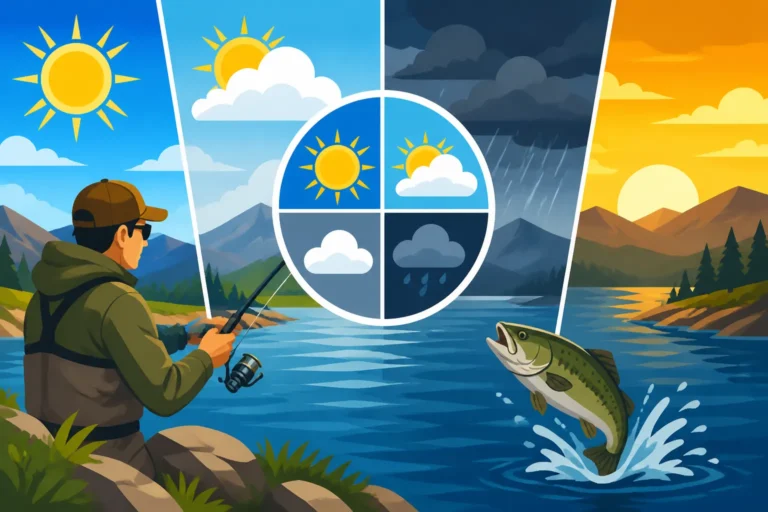
The beauty of Wyoming fishing is its distinct seasons, each offering unique challenges and opportunities. Successful cutthroat anglers adapt their fly selection to the time of year and prevailing conditions. For a comprehensive overview of how to plan your trips, our guide on Wyoming Fishing Seasons Month by Month is invaluable.
Spring Runoff and Early Season Tactics
Spring in Wyoming means swelling rivers and often off-color water due to snowmelt. This period, often referred to as Fishing Wyoming During Spring Runoff, can be challenging but also highly rewarding for persistent anglers.
- Focus on Subsurface: During runoff, trout often hug the bottom, seeking refuge from strong currents and feeding on dislodged nymphs and worms. Larger, heavier nymphs like Pat's Rubber Legs or a big Prince Nymph are essential to get down to where the fish are holding.
- Attractor Patterns: With reduced visibility, bright, flashy patterns like a Copper John or even a San Juan Worm can be very effective. Fish them in tandem, perhaps a heavy stonefly nymph followed by a smaller attractor.
- Streamers: Don't overlook streamers during runoff. The murky water provides cover for larger predators, and a black or olive Woolly Bugger stripped slowly can elicit aggressive strikes from hungry cutthroat. Look for slower eddies, seams, and bankside slack water where fish conserve energy and ambush food.
Summer Hatches and Terrestrial Action
Summer is often considered prime time for dry fly fishing in Wyoming. Longer days, warmer temperatures, and prolific insect hatches bring cutthroat to the surface.
- Matching the Hatch: This is where understanding Matching the Hatch on Wyoming Rivers truly pays off. Have a wide array of mayfly (PMD, Green Drake, BWO), caddis (Elk Hair Caddis), and stonefly (Stimulator, Chubby Chernobyl) patterns in various sizes.
- Terrestrial Bonanza: As summer progresses, terrestrials like grasshoppers, ants, and beetles become increasingly important. Fish these patterns close to banks, especially on windy days, as a single large terrestrial can be a more attractive meal than a dozen tiny mayflies.
- Evening Rises: Pay close attention to the late evening hours. Many hatches, especially caddis and some mayflies, occur at dusk, leading to frenzied surface feeding. Be ready with smaller dry flies and emergers.
Fall Spawning Runs and Big Fish
Autumn brings cooler temperatures, lower water, and often, some of the year's biggest cutthroat. Brown trout also begin their spawning runs, and while not cutthroat, understanding Fall Fishing for Browns on the Miracle Mile can provide valuable insights into fall feeding patterns for other trout species as well.
- Streamer Time: Fall is prime time for streamer fishing. Cutthroat are bulking up for winter, and larger baitfish patterns like Woolly Buggers, Sculpzillas, and even small Clouser Minnows can be incredibly effective. Focus on deep pools, undercut banks, and structure.
- Egg Patterns: While cutthroat don't typically spawn in the fall like browns, they will often follow brown trout into their spawning areas to feast on loose eggs. Small, realistic egg patterns can be highly productive fished subsurface.
- Mayfly Hatches: Don't forget about mayflies. Fall often brings strong BWO hatches, especially on cloudy days, so have your small mayfly patterns ready.
Winter Fishing with Midges and Nymphs
Winter fishing in Wyoming can be challenging, but also incredibly rewarding for solitude and focused fishing. Cutthroat become more lethargic, and their feeding windows are shorter. The tailwaters below dams, such as those discussed in Why Tailwaters Fish Well in Winter, often remain fishable year-round.
- Tiny Nymphs and Midges: The name of the game in winter is small and subtle. Tiny midge patterns (Zebra Midge, Griffith's Gnat) and small nymphs (Pheasant Tail, Hare's Ear) in sizes #18-24 are crucial.
- Slow and Deep: Fish slow and deep. Cutthroat will often hold in the slowest, deepest water, expending minimal energy. Use plenty of weight to get your flies down to them.
- Indicators are Key: Strike indicators are essential for detecting subtle takes, as winter bites are often very light. Look for the slightest twitch or pause in your indicator.
Tips for Fly Selection and Presentation
Having the right fly is only half the battle. Presenting it effectively is what truly seals the deal with a selective cutthroat. This requires careful observation and adaptation.
Reading the Water and Observing Insects
The most successful anglers are keen observers. Before you even make your first cast, take a few minutes to survey the water.
- Look for Rising Fish: Are fish visibly rising? If so, what kind of rise is it? A gentle sip suggests small emergers or drowned insects, while an aggressive splash could mean caddis or larger mayflies.
- Observe Surface Insects: What's flying around? What's floating on the water? Don't just look at the naturals; look at how they're behaving. Are they drifting freely, struggling, or skittering?
- Flip Rocks: If you're wading, gently turn over rocks in the streambed. This will give you a direct look at the nymphs and larvae living in that section of the river, providing invaluable clues about what the fish are likely eating subsurface.
- Understand Holding Water: Learn How to Read a Wyoming Stream for Holding Water. Trout hold in specific areas where they can conserve energy and ambush food. This often means seams, eddies, undercut banks, and the tailouts of pools. Presenting your fly in these prime locations is crucial.
Adjusting Rigging and Presentation
Once you've chosen your fly, your rigging and presentation need to be spot on.
- Tippet Size: Finer tippet (smaller diameter) is less visible to fish and allows for a more natural drift. For cutthroat, especially in clear water, you'll often need to drop down to 5x or even 6x tippet for smaller dries and nymphs. However, balance this with the size of your fly and the fighting strength of the fish. Our guide on Best Leader Length for Clear Water Fishing offers more specific advice on this critical aspect.
- Drag-Free Drift: This is the holy grail of dry fly fishing. Your fly must drift at the same speed as the natural current, without any "drag" from your line. Learn to mend your line upstream to achieve this.
- Weighting Nymphs: For nymphing, ensuring your flies get down to the feeding zone is paramount. Use split shot or lead-free weights above your nymphs, or use heavily weighted patterns like the Copper John.
- Vary Your Retrieve (Streamers): When fishing streamers, experiment with different retrieve speeds and pauses. Sometimes a fast, erratic strip triggers a chase, while other times a slow, deliberate retrieve is more effective.
- Check Your Knots and Tippet: Always check your knots and tippet for nicks and abrasions, especially after catching a fish or snagging. A weak knot or frayed tippet is the quickest way to lose a trophy cutthroat.
Building Your Wyoming Cutthroat Fly Box
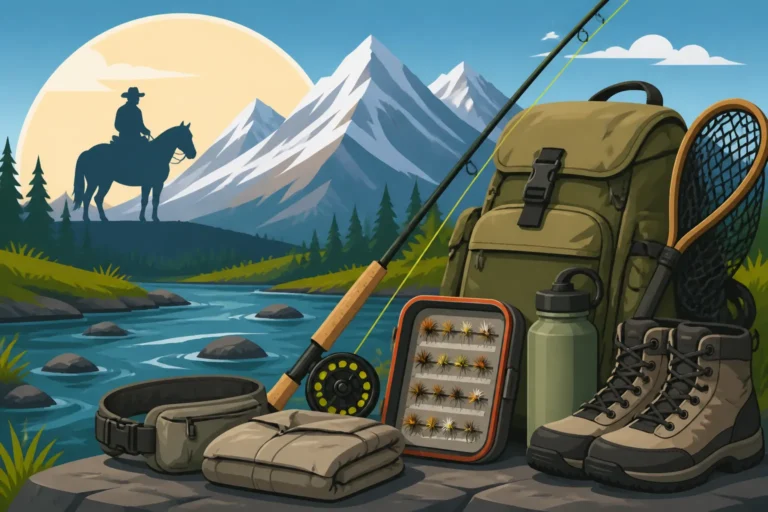
You don't need every fly pattern ever invented, but a well-stocked box tailored to Wyoming's cutthroat can save the day. Think variety in size, color, and fly type.
- Essential Dries: Parachute Adams, Elk Hair Caddis, Stimulator, BWO, PMD, Dave's Hopper. Sizes #12-20.
- Essential Nymphs: Pheasant Tail, Hare's Ear, Copper John, Pat's Rubber Legs, Zebra Midge, San Juan Worm. Sizes #4-24.
- Essential Streamers: Woolly Bugger (black, olive, brown), Sculpzilla. Sizes #4-10.
When stocking up, consider purchasing fly assortments or kits from reliable sources. You can often find great deals on bulk fly patterns on Amazon, which can be a cost-effective way to fill your box with a variety of sizes and colors. Local fly shops in Wyoming, like those in Jackson Hole or Casper, are also invaluable resources for specific regional patterns and up-to-the-minute hatch information. For even more detailed techniques, our comprehensive guide on Fly Fishing Techniques for Wyoming Trout Streams can help refine your approach.
Table of Recommended Cutthroat Fly Patterns by Type and Season
| Fly Type | Pattern | Primary Season/Conditions | Sizes (Hook) | Key Imitation | Notes |
|---|---|---|---|---|---|
| Dry Flies | Parachute Adams | All seasons, general attractor | #12-20 | Various Mayflies | Universal "searcher" pattern, floats well in surface film. |
| Elk Hair Caddis | Spring-Fall, caddis hatches | #12-18 | Adult Caddis | Good floatation, can be twitched. | |
| Stimulator | Summer-Fall, stonefly/caddis hatches | #6-14 | Large Caddis, Stoneflies, Terrestrials | Buoyant attractor, good for dry-dropper rigs. | |
| Blue-Winged Olive (BWO) | Spring/Fall, cloudy weather | #18-24 | Small Mayflies | Crucial for specific, often prolific, hatches. | |
| Dave's Hopper | Summer-Fall, grassy banks | #8-14 | Grasshopper | Exciting surface strikes, fish close to bank. | |
| Nymphs | Pheasant Tail Nymph | All seasons, subsurface | #14-22 | Mayfly Nymphs | Realistic, subtle, highly effective. |
| Hare's Ear Nymph | All seasons, subsurface | #12-20 | Various Nymphs | Buggy, impressionistic, versatile. | |
| Copper John | All seasons, getting deep | #12-18 | Caddis Pupa, Stonefly Nymph | Weighted, flashy, good for quick sink. | |
| Pat's Rubber Legs | Spring/Fall, high water, stoneflies | #4-10 | Large Stonefly Nymphs | Excellent movement, heavy, good lead fly. | |
| Zebra Midge | Winter-Spring, tailwaters | #18-24 | Midge Larvae/Pupae | Essential for cold water, subtle presentations. | |
| Streamers | Woolly Bugger | All seasons, aggressive fish | #4-12 | Leeches, Sculpins, Fry | Most versatile streamer, in black, olive, brown. |
| Sculpzilla | Fall-Spring, large cutthroat | #4-8 | Sculpins | Weighted, good for deep pools and structure. |
Disclaimer
Fishing conditions and regulations in Wyoming can change. Always consult the most current Wyoming Game and Fish Department regulations before heading out. This guide is for informational purposes only and does not supersede official regulations.