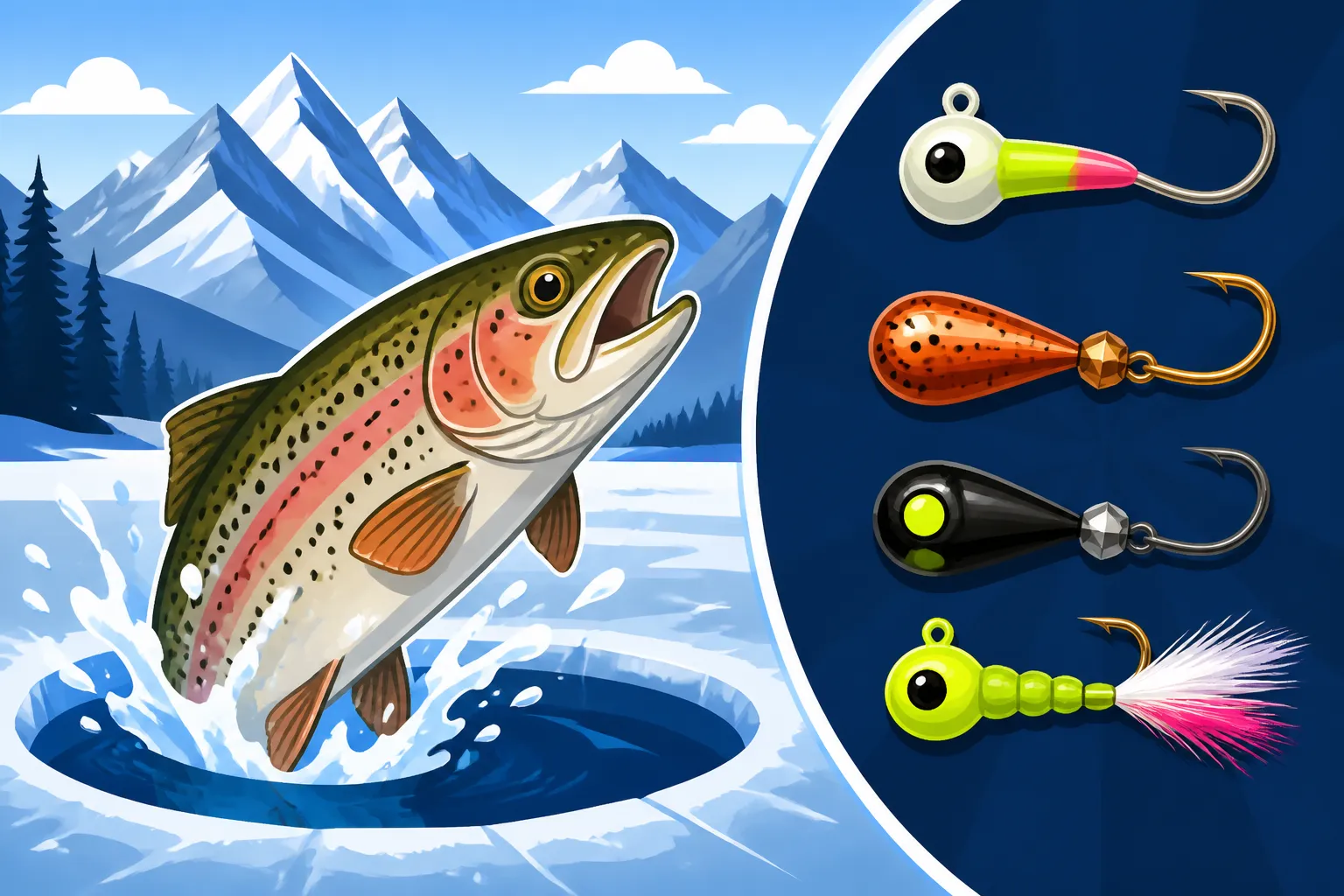
Best Ice Fishing Jigs for Wyoming Trout
The biting wind, the endless expanse of white, and the sheer challenge of coaxing a fish from beneath several feet of ice – it’s a feeling unique to ice fishing in Wyoming. While many anglers focus on augers and shelters, one of the most common frustrations is choosing the right lure that actually works when trout are suspended and finicky. This comprehensive guide will dive deep into selecting the best ice fishing jigs specifically tailored to entice Wyoming's diverse trout species, helping you turn those frustrating blank days into memorable catches.
Understanding Wyoming Trout and Their Ice Fishing Habits
Before we even talk about jigs, it's crucial to understand the fish you're targeting. Wyoming is blessed with an incredible variety of trout, and each species, along with the specific environment it inhabits, can influence your jig choice. Trying to use a one-size-fits-all approach under the ice is a sure way to go home empty-handed.
Common Trout Species for Ice Anglers
When you're out on a frozen Wyoming lake, you're most likely to encounter several species of trout, each with its own characteristics and preferences. Knowing what you're generally targeting can make a huge difference in your success.
First up, we have the ubiquitous Rainbow Trout. These guys are often stocked heavily in many lakes and reservoirs, making them a common catch. They're typically quite aggressive, especially the smaller ones, and can be fooled by a variety of presentations. You'll find them in places like Alcova Reservoir and Keyhole Reservoir. Then there are the hearty Brown Trout, which tend to be a bit more elusive and often prefer slightly larger presentations or more natural-looking baits. They're known for their powerful fights and can grow to impressive sizes, especially in certain river systems and reservoirs that hold over, though under the ice they can be found cruising structure. For more on these, check out our guide on Brown Trout Fishing in Wyoming. Lake Trout, also known as Mackinaw, are the true giants of Wyoming's deep waters, like Flaming Gorge Reservoir and Jackson Lake. These fish are predatory, often inhabiting deeper zones, and require robust tackle and specific jigging strategies. If you want to dive deeper into pursuing these behemoths, our article Lake Trout Mackinaw Fishing in Wyoming is a great resource.
Beyond these common three, don't forget about Cutthroat Trout, Wyoming's state fish, particularly the Yellowstone cutthroat in its native range. These beautiful fish, along with Brook Trout and even the elusive Golden Trout in high-alpine lakes, can also be targets through the ice, though they might require a more delicate approach and smaller jigs, often found closer to the bottom or suspended in specific layers. The diversity is incredible, and understanding which trout you're after helps narrow down your jig selection significantly.
How Trout Behave Under Ice
The world under the ice is a vastly different place than the open water of summer. Light penetration is reduced, water temperatures are consistently cold, and fish metabolism slows down. This means trout often become less active and more concentrated in specific areas, making them harder to locate and tempt.
Trout under the ice tend to seek out comfort zones. This might be warmer pockets of water, areas with stable oxygen levels, or close to submerged structure like weed beds, rock piles, or old timber where baitfish or invertebrates might hide. They are often less willing to chase a fast-moving bait for long distances, instead preferring a jig that presents itself directly in their strike zone or drifts tantalizingly nearby. Their vision is still excellent, but with less light, subtle flashes and natural colors can be more effective. Moreover, pressured fish in popular ice fishing spots can become extremely wary, requiring the most discreet and natural presentations possible. Understanding these behavioral shifts is paramount; it means your jigging motion needs to be refined, and your jig itself needs to match the often lethargic mood of the fish.
Key Factors Influencing Jig Choice
Choosing the right jig isn't just about picking a pretty color; it's a strategic decision based on several critical factors. These elements work together to create the most appealing presentation for the conditions you're facing.
First, depth is a huge factor. Are you fishing in 10 feet of water or 50? A lightweight jig might take ages to reach the bottom in deep water, wasting valuable fishing time, while a heavy jig might be overkill and too disruptive in shallow areas. Second, current or water movement, even under the ice, can impact how your jig presents itself. Reservoirs with inflows or outflows can have subtle currents that require a heavier jig to stay in the strike zone. Third, water clarity plays a significant role in color and flash. In clear mountain lakes, natural colors and subtle flash are often best, while in murkier waters, brighter, bolder colors and more aggressive flash can help fish locate your lure. Finally, and perhaps most importantly, fish activity dictates your jig's action and size. Are fish actively chasing bait on your electronics, or are they hugging the bottom, barely moving? This will guide whether you opt for an aggressive, flashy spoon or a delicate, subtle tungsten jig. Many anglers overlook these factors, but experienced ice fishers constantly adjust their jig choice throughout the day based on these changing conditions.
Essential Jig Characteristics for Wyoming Trout
Once you understand the context, it's time to dive into the physical attributes of the jigs themselves. Every detail, from the size and weight to the hook design, contributes to its effectiveness in luring in a hungry trout.
Size and Weight Considerations
The size and weight of your ice fishing jig are arguably the most critical factors in matching the presentation to the conditions and the fish's mood. It's a delicate balance between getting to the desired depth efficiently and presenting something that looks natural and appealing.
Generally speaking, smaller jigs (1/32 to 1/16 oz) are fantastic for shallower waters (under 15 feet) and for targeting smaller trout species like brookies or panfish that might be mixed in, as well as finicky cutthroat. They mimic smaller prey items and have a slower, more natural fall, which can be irresistible to inactive fish. However, in deeper water, or when dealing with currents, these tiny jigs can take too long to sink, making it hard to maintain your preferred depth, especially if fish are cruising quickly through the water column. This is where heavier jigs (1/8 to 1/4 oz, or even larger for lake trout) come into play. Tungsten jigs, which we'll discuss more, are particularly useful here because they offer a heavy weight in a compact profile, sinking quickly without looking bulky. For larger species like trophy lake trout in places like Jackson Lake or Flaming Gorge, you might even scale up to 1/2 oz or heavier spoon jigs, which resemble larger baitfish and sink rapidly to reach deep schools. Always consider the baitfish profile in the water you're fishing. If they're primarily tiny invertebrates, a small jig is best. If they're feeding on larger minnows, a bigger profile is warranted.
Color and Material Matters
The color and material of your jig can trigger strikes when other factors are right. Trout are visual predators, and while light is dim under the ice, they can still detect differences in hue and reflectivity.
When it comes to color, there's no single magic bullet, but some general rules apply. In clear water, natural colors like greens, browns, silvers, and whites tend to excel, mimicking the forage naturally found in the environment. Think subtle shad patterns or small insect imitations. However, in low light or stained water, or when fish are aggressive, brighter "attractor" colors such as chartreuse, orange, pink, or glow-in-the-dark options can be incredibly effective at drawing attention. Many anglers swear by jigs with glow paint for night fishing or deep-water scenarios, as the luminescence can be seen from a greater distance. It's always a good idea to have a range of colors in your tackle box. Don't be afraid to experiment throughout the day! For materials, lead has been the traditional choice, but tungsten has risen in popularity. Tungsten is significantly denser than lead, allowing for a much smaller jig profile for a given weight. This means you can use a heavier, faster-sinking jig that still looks like a tiny morsel, which is a huge advantage when fish are hesitant to bite larger baits but you need to get down fast. Some jigs also incorporate plastics, feathers, or bucktail, which add subtle movement and buoyancy that can further entice a strike. Many high-quality tungsten jigs can be found on Amazon, offering a convenient way to stock up before your next trip.
Hook Design and Sharpness
The best jig in the world is useless if you can't hook the fish, and that's where hook design and sharpness come into play. It's often an overlooked aspect, but it can make or break your day on the ice.
A truly sharp hook is non-negotiable. Many jigs come with factory-sharp hooks, but it's always wise to check them, especially after a few fish or if they've scraped against the ice. A quick pass with a small hook file can make all the difference. Beyond sharpness, consider the hook size and gap. A hook that's too small might not hold a larger trout, while one that's too large can make a small jig look unnatural or prevent the fish from taking the bait properly. The ideal hook should have a wide enough gap to allow for a good hookset, especially when tipping your jig with bait like a minnow head or a maggot. Many modern ice jigs feature ultra-sharp, fine-wire hooks, which are excellent for penetrating tough mouths with minimal effort. Some jigs also come with "treble" hooks, which are generally better for larger spoon-style baits for more aggressive fish, while single hooks are common on smaller, more subtle jigs. Ensure the hook is proportional to the jig's body and your intended bait.
Top Ice Fishing Jig Styles for Wyoming Trout
Now that we've covered the fundamental characteristics, let's explore the specific styles of jigs that have proven most effective for tempting trout through the ice in Wyoming and beyond. Each has its unique strengths and optimal applications.
Tungsten Jigs: The Heavy Hitters
Tungsten jigs have revolutionized the ice fishing world, and for good reason. Their unique properties make them incredibly effective for trout in a wide range of conditions.
The primary advantage of tungsten is its density. Being much heavier than lead for its size, a tungsten jig falls faster through the water column, getting your bait down to the fish quicker. This is absolutely invaluable when fish are suspended at specific depths or when you're fishing in deeper Wyoming lakes where every minute counts. The compact size of a tungsten jig also means it presents a smaller, more natural profile, which is perfect for finicky trout that might be wary of larger, bulkier lures. These jigs often come in teardrop, horizontal, or even small 'bug' shapes, mimicking tiny insects or larval forms that are common forage under the ice. When paired with a small piece of live bait like a wax worm, a maggot, or a minnow head, their subtle action and quick drop can be deadly. They allow for an incredibly precise presentation, letting you target individual fish you see on your fishfinder. Many anglers find a good selection of these on Amazon or at local tackle shops, and they're becoming a staple in any serious ice angler's box, especially when targeting cutthroat or rainbow trout.
Spoon Jigs: Flash and Flutter
Spoon jigs are classic ice fishing lures, and for good reason. They are designed to attract attention and often trigger reaction strikes from more aggressive trout.
These jigs work by fluttering, flashing, and wobbling as they fall through the water, mimicking a distressed baitfish. The larger surface area and curved design create a lot of movement, making them highly visible, even in darker conditions or murkier water. Spoons are fantastic for covering a lot of the water column, as their flash can draw fish in from a distance. They come in a wide array of sizes, from tiny panfish spoons that can tempt smaller brook trout to large, heavy spoons perfect for pursuing big lake trout in deep water. Common finishes include polished silver, gold, copper, and various painted patterns, often with reflective tape or scales. When jigging a spoon, a sharp lift and controlled fall are key to maximizing its fluttering action. They're particularly effective when trout are actively feeding or when you need to call fish in from a wider area. Many anglers will tip spoon jigs with a small piece of sucker meat, a minnow head, or even a plastic trailer to add scent and a more natural feel. They can be incredibly effective for enticing a reaction strike from otherwise hesitant fish.
Horizontal Jigs: Subtle Appeal
Horizontal jigs offer a slightly different presentation compared to teardrop tungsten or fluttering spoons, often excelling when trout are a bit more selective or require a nuanced approach.
These jigs are designed to hang horizontally in the water, presenting a more "natural" profile, often mimicking an insect larva, a small minnow, or another aquatic creature at rest. The horizontal orientation means that when tipped with bait, the bait often hangs freely, giving it a more lifelike appearance. Their action is typically less aggressive than a spoon, making them ideal for finicky trout or when you're focusing on a specific depth where fish are holding tight to the bottom. A very subtle jigging motion – often just quivering the rod tip or slowly lifting and dropping – is all that's needed to make the horizontal jig dance enticingly. They are often made from tungsten for efficient sinking but can also be found in lead. You'll find horizontal jigs in various shapes, from cylindrical to those with slightly flattened bodies. They are especially good for targeting trout that are cruising slowly or holding suspended, and can be incredibly effective when combined with highly sensitive rods that allow you to feel the most delicate takes. Look for brands that offer sharp, high-quality hooks on their horizontal jigs, as trout often inhale these subtly.
Drop Shot Jigs: A Versatile Rig
While not strictly a "jig" in the traditional sense, the drop shot rig, often incorporating a small jig, is a highly effective and versatile presentation for ice fishing for trout, particularly when they are wary or suspended.
The beauty of the drop shot is its ability to present a bait at a precise depth, independent of the weight at the bottom. This means you can keep your bait perfectly in a fish's face, even if they're suspended 5 feet off the bottom and refusing to move. The rig consists of a sinker at the very end of your line, with a hook (and often a small jig) tied a foot or two above it on a Palomar knot or similar. The small jig itself can be a tiny tungsten jig or a plastic imitation bait. The weight keeps the line taut and allows for excellent bottom contact, while your bait hovers naturally, often with very little movement required from your end. This makes it ideal for highly pressured waters or for fish that are extremely lethargic. You can gently shake the rod tip to impart subtle action to the jig without moving the sinker, making the bait "dance" enticingly in one spot. This rig is fantastic for deeper water, or when you need to fish a very specific depth for an extended period. For more on getting set up for winter angling, our article on Ice Fishing in Wyoming: A Complete Guide is a great resource.
Pairing Jigs with Baits and Attractants
The jig is only half the equation; what you put on the hook can make all the difference, especially when trout are in a less-than-aggressive mood. The right combination of jig and bait creates an irresistible package.
Live Bait Options
There's no denying the effectiveness of live bait when ice fishing for trout, particularly when the bite is slow. The natural scent, movement, and taste are often more than fish can resist.
One of the most popular choices is the wax worm or mealworm. These small, grub-like creatures are packed with protein and offer a subtle, wiggling action that trout find appealing. They're typically threaded onto the hook of a small tungsten or horizontal jig. You might use one or two, ensuring the hook point is exposed. Another go-to is the maggot (spikes). Smaller than wax worms, maggots offer constant subtle movement and can be used singly or in bunches on tiny jigs. Both wax worms and maggots are relatively hardy and easy to keep in cold conditions, making them ideal for a day on the ice. For larger trout, especially lake trout or big browns, minnows or minnow heads can be incredibly effective. A shiner or sucker minnow, either whole (if allowed) or just the head, offers a larger profile and a powerful scent trail. These are best used on larger jigs, like spoons or heavier tungsten jigs, or on a drop shot rig. The key with live bait is to keep it fresh and lively. A dead or frozen wax worm won't entice much attention. Always check Wyoming's regulations on bait use, as some waters may have restrictions on live minnows or other specific baits.
Scented Plastics and Artificial Baits
While live bait is king for some, scented plastics and other artificial baits offer their own set of advantages, including durability, ease of storage, and consistent availability.
Modern soft plastics come in an incredible array of shapes, sizes, and colors, many infused with powerful scents designed to attract fish. Small tube jigs, tiny worms, or minnow imitations made from soft plastic can be incredibly effective when threaded onto a small jig head. Brands like Berkley PowerBait or Gulp! offer excellent options that release scent into the water, mimicking natural forage. These are fantastic for when you want the scent of live bait without the hassle of keeping it alive. They're also great for aggressive jigging, as they won't fly off the hook like some live baits can. Other artificial baits include small scented marshmallows, corn (often infused with garlic or anise), or specialized trout dough baits. These bright, often buoyant baits can be deadly when paired with a light jig, especially for freshly stocked rainbow trout. Experiment with different colors and scents to see what the fish are keying into on any given day. Some anglers even combine them, using a small plastic grub tipped with a maggot for the best of both worlds.
Enhancing Your Jig Presentation
Beyond the bait itself, there are several ways to enhance your jig presentation and make it even more attractive to trout. These subtle tricks can often make the difference between a few nibbles and a full bucket.
One common enhancement is the use of fish attractant sprays or gels. These products, often anise, garlic, or "fish formula" scented, can be applied directly to your jig or plastic bait to leave a longer-lasting scent trail in the water. They can mask human odors and add a distinct attractant that can draw fish in and encourage them to hold onto the bait longer, giving you more time for a solid hookset. Another key enhancement is the use of small glow beads or flashy accents just above your jig. These add a visual attractant that can be very effective in low light. Some jigs come with these built-in, but you can also add them yourself. A tiny propeller blade or a small spinner attached to your jig can also add flash and vibration, especially when you want to mimic a fleeing baitfish. Finally, consider the use of chumming. While not always allowed or practical, dropping small amounts of bait or crushed eggs down your hole can attract baitfish, and in turn, trout. Always check local regulations before chumming, and ensure you're not overdoing it. A subtle, well-placed attractant can make your jig stand out in the vast underwater world.
Advanced Jigging Techniques for Different Trout Responses
It's not enough to have the right jig; you also need to know how to work it. Trout responses under the ice can vary wildly, and adapting your technique is key to success.
Reading Your Electronics
Your fish finder, or flasher, is your most valuable tool for understanding what's happening beneath the ice. Learning to read and interpret its signals will allow you to adapt your jigging technique in real-time.
When you drop your jig down, you should see it as a distinct mark on your screen. As fish approach, you'll see other marks. The color, thickness, and movement of these marks tell a story. Are they coming up fast from the bottom, indicating aggressive fish? Are they slowly rising to meet your jig, suggesting a more cautious bite? Or are they holding stationary below your lure, requiring a more subtle enticement? If you see fish directly below your jig and they're not biting, try raising or lowering your lure a few inches. Sometimes, being just above them is the sweet spot. If they're moving away, try a more aggressive jigging motion to call them back, or switch to a faster-falling jig. Conversely, if they're interested but not committing, switch to a smaller, more natural presentation with minimal movement. Your electronics aren't just for finding fish; they're for having a conversation with them, telling you what they like and dislike. Pay attention to how fish react to different jigging styles and adjust accordingly.
Varying Your Presentation
Monotony is the enemy of ice fishing. Trout can quickly become accustomed to a consistent presentation, making it essential to vary your jigging rhythm and style until you find what triggers a bite.
Start with a "search" pattern: a few aggressive lifts and drops to attract attention, followed by pauses. If fish show interest, slow down. If they ignore it, speed up or change the intensity. The classic "lift-and-drop" is always a good starting point: lift the rod tip 6-12 inches, then let the jig fall freely back down on a semi-slack line. But don't stop there. Experiment with subtle quivers, where you just shake the rod tip to make the jig dance in place. Try long, slow lifts followed by even slower descents. Sometimes, just holding the jig perfectly still for 10-20 seconds can trigger a strike from a curious trout that's been watching it. Don't be afraid to try "dead sticking" a second rod if regulations allow (check Two-Pole and Multiple-Rod Rules in Wyoming), simply leaving a jig with live bait suspended and motionless while you actively work another. Trout often respond to changes in cadence, speed, and overall action. The key is to cycle through different techniques until you identify what the fish prefer on that particular day.
Adapting to Finicky Biters
We've all been there: you see fish on the screen, they approach your jig, but they just won't commit. These finicky biters require a special touch and a willingness to adapt.
When trout are shy, the first step is often to downsize. Go to the smallest jig you have, paired with the lightest line possible. A 1/32 oz tungsten jig with 2-4 lb fluorocarbon line can be incredibly effective. Next, focus on subtlety. Minimize aggressive movements. Often, the slightest quiver, or even just letting the jig sit motionless, is what finally gets a strike. Sometimes, very slow, almost imperceptible lifts of just an inch or two are all it takes. Switching colors can also be critical; if a bright color isn't working, try a natural green, brown, or black. Conversely, if natural isn't working, a flash of chartreuse or glow can sometimes annoy them into biting. Consider changing your bait; sometimes a fresh wax worm or a different scent on your plastic is the trigger. Even the angle of the hook can matter; ensure your jig is hanging straight and not spinning unnaturally. Finally, patience is paramount. Finicky fish often take longer to decide. Let the jig sit, twitch it, let it sit again. That long pause can be the moment they decide to take a chance.
Local Favorites and Pro Tips for Wyoming Waters
While general principles apply, specific regions and conditions in Wyoming often have their own local favorites and techniques that seasoned anglers have refined over years on the ice.
Regional Preferences for Jigs
Wyoming's vast and varied landscape means that what works in one corner of the state might be different from another. Knowing these regional preferences can give you a significant edge.
In the deep, clear waters of southwestern Wyoming, particularly in Flaming Gorge Reservoir, heavier tungsten jigs and larger spoon jigs are favored for targeting the massive Lake Trout that roam the depths. Anglers here often use spoons from 1/4 oz up to 1 oz, tipped with a large piece of sucker meat, to attract these predators. For those fishing the central Wyoming reservoirs like Boysen or Alcova, smaller tungsten jigs (1/16 to 1/8 oz) in bright colors like chartreuse or glow-pink are very popular for rainbow trout and occasional walleye, often tipped with a couple of maggots or a scented plastic. Up in the high country, around places like the Wind River Mountains (where permitted), very small 1/32 oz jigs in natural colors, sometimes bare or with just a single wax worm, are used for elusive golden and brook trout. Closer to population centers like Casper or Cheyenne, anglers fishing smaller ponds and reservoirs for stocked trout often find success with simple, brightly colored tear-drop jigs, often from brands like Clam or Fiskas, paired with PowerBait. When planning your trip, consider checking Best Ice Fishing Lakes in Wyoming to help narrow down your focus and then inquire at local tackle shops for the most current hot baits and jig styles.
When to Switch Your Jig
Knowing when to switch your jig is almost as important as knowing what jig to use. Sticking with a lure that isn't producing is a common mistake for ice anglers.
The most obvious sign to switch is a lack of bites. If you're seeing fish on your electronics but they're ignoring your presentation, it's definitely time for a change. Start by adjusting your jigging cadence, but if that doesn't work after a few minutes, try changing the size of your jig. Go smaller if fish are finicky, larger if they seem aggressive but aren't committing. Next, change the color. Cycle through natural colors, bright attractors, and glow options. If neither size nor color is working, consider changing the jig style. If you're using a subtle tungsten, try a flashy spoon. If spoons aren't working, try a horizontal jig. Finally, change your bait. A fresh piece of live bait, a different scented plastic, or even just adding a fish attractant can make a difference. The rule of thumb for many pros is: if you haven't had a bite in 15-20 minutes, and you know fish are present, it's time to change something significant. Don't be afraid to be bold and try something completely different.
Essential Ice Fishing Gear Beyond Jigs
While jigs are the stars of this show, they're part of a larger ensemble of essential gear that makes for a successful and safe day on the ice. A good ice fishing experience in Wyoming requires preparation.
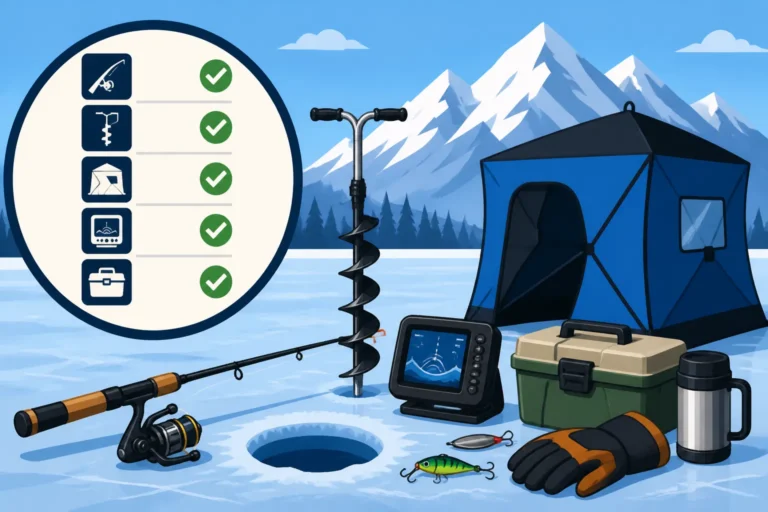
First and foremost, safety gear is non-negotiable. This includes ice picks around your neck, a spud bar or auger to check ice thickness (for more on this, see How Thick Ice Needs to Be to Fish Safely), and proper layered clothing. For comfort and warmth, a portable ice shelter can be a game-changer, especially on windy Wyoming days. A reliable auger (manual or powered) is essential for cutting holes. Don't forget a sled to transport your gear. For fishing, specialized ice fishing rods and reels are crucial; they're shorter, more sensitive, and designed for cold weather. A good fish finder or flasher is invaluable for locating fish and understanding their behavior. Other small but important items include a skimmer to clear ice from your holes, a small tackle box with a variety of jigs and baits, pliers for hook removal, and a bucket for your catch (and often doubles as a seat!). Make sure to always have your Wyoming Daily Fishing License Cost or appropriate annual license with you, either a physical copy or a digital one on your phone, as outlined in Carrying Your Wyoming Fishing License in the Field. For a full rundown on what to bring, consult our Ice Fishing Gear Checklist for Wyoming Lakes. Being prepared for the harsh elements and ensuring you have the right tools will make your ice fishing adventure much more enjoyable and productive.
| Jig Type | Best For | Action & Presentation | Depth Range | Key Feature | Common Bait Pairings |
|---|---|---|---|---|---|
| Tungsten | Finicky Trout, Deep Water, Precise Targeting | Fast drop, subtle quiver | Shallow to Very Deep (5-100+) | High density, small profile for weight | Wax worms, maggots, minnow heads, micro plastics |
| Spoon | Aggressive Trout, Covering Water, Lake Trout | Fluttering, flashing, wobbling on fall | Mid to Deep (15-80+) | Attracts from a distance, reaction strikes | Sucker meat, whole minnows, larger plastics |
| Horizontal | Wary Trout, Suspended Fish, Natural Look | Hangs level, subtle dancing, very lifelike | Shallow to Mid (5-40 ft) | Realistic presentation, minimal disturbance | Maggots, wax worms, small plastic worms |
| Drop Shot | Suspended Trout, Finicky Biters, Specific Depths | Bait hovers motionless, weight on bottom | Mid to Deep (10-100+) | Precise depth control, subtle bait action | Small jigs (tungsten), micro plastics, minnow pieces |
Disclaimer
The information provided in this guide is for general informational purposes only and is not intended to be a substitute for professional advice. Fishing regulations and conditions can change rapidly. Always consult the most current Wyoming Game and Fish Department regulations before heading out, and prioritize your safety on the ice. Ice conditions can be unpredictable; always check local reports and exercise extreme caution.