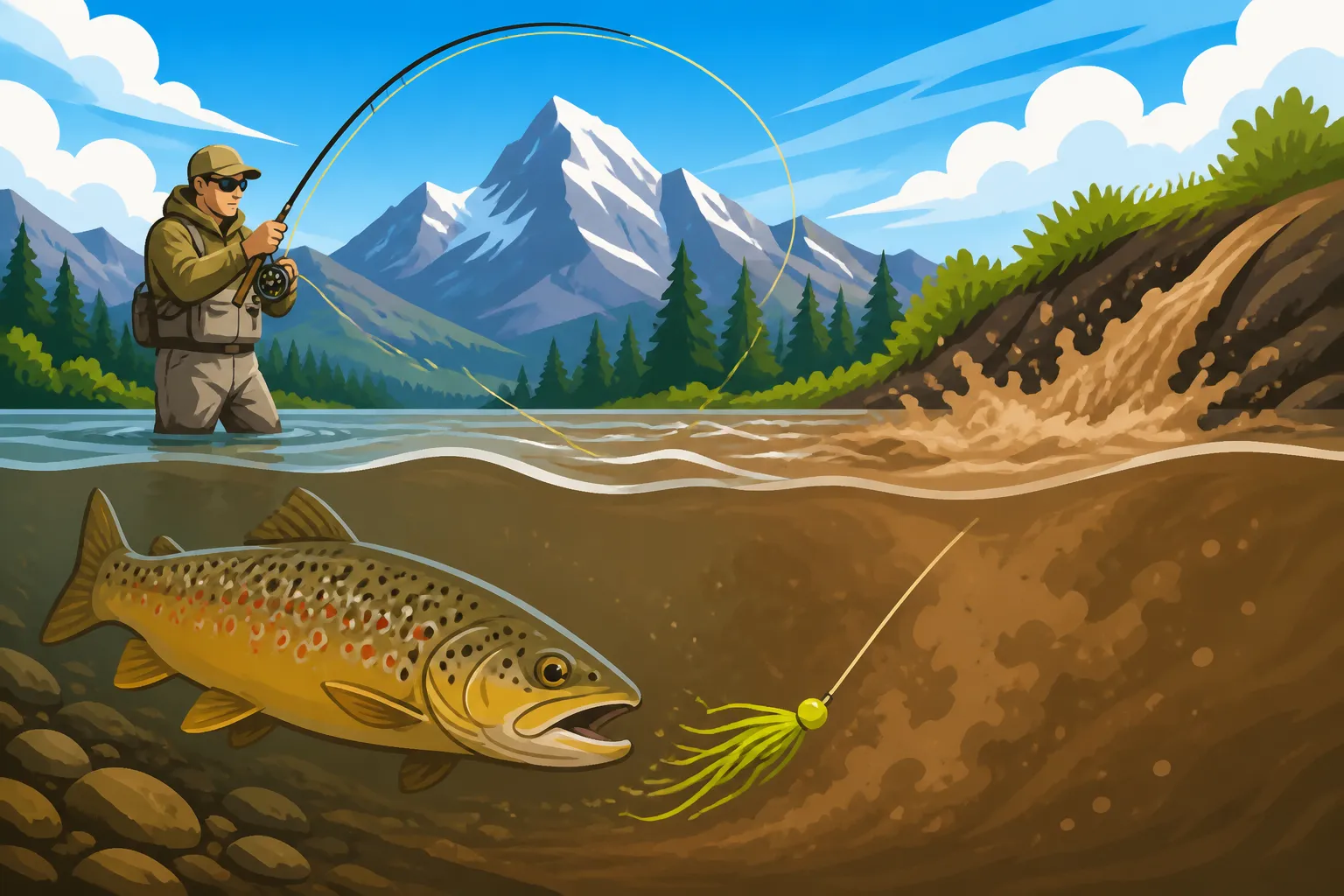
How to Fish Muddy Water During Runoff
Ah, spring in Wyoming! It brings with it the promise of new growth, longer days, and for many anglers, the familiar, often frustrating, sight of rivers swollen with snowmelt and running thick with sediment. It's a time when you might pull up to your favorite fishing spot, see that chocolate milk water churning, and feel your heart sink, thinking, "Well, there goes my day." Many of us have been there, staring at what looks like unfishable conditions. But here's the secret: muddy water during runoff doesn't mean you have to pack up your gear and head home. With the right approach and a few adjustments, you can actually find some incredible fishing. This guide will help you understand the dynamics of runoff and equip you with the strategies to find and catch fish even when the water looks like coffee with too much cream.
Understanding Wyoming's Runoff and Its Impact
Before we can effectively fish in muddy water, it's crucial to understand why the water gets that way and what it means for the fish. Wyoming's landscape, with its vast mountain ranges, is highly dependent on its winter snowpack. When that snow starts to melt, usually from late April through June, it's a game-changer for our rivers and streams.
What Causes Runoff in Wyoming and Why It Matters
Runoff in Wyoming is primarily driven by melting snow from the high country, often exacerbated by spring rains. As temperatures rise, the accumulated snowpack begins to release its stored water, which then flows into smaller tributaries, eventually feeding into our major river systems like the North Platte, Snake, and Green Rivers. This influx of water dramatically increases the volume and velocity of the river. Think of a gentle stream turning into a powerful, roaring torrent overnight.
Beyond just the sheer volume, this powerful current picks up sediment – silt, sand, mud, and organic debris – from the banks and riverbed, suspending it in the water column. This is what gives the water its characteristic cloudy or muddy appearance. For anglers, this means significantly reduced visibility, making it nearly impossible for fish to see your offerings from a distance. For the fish themselves, it means their entire environment shifts, impacting their ability to feed, navigate, and even breathe comfortably. Understanding these dynamics is the first step toward figuring out how to adapt.
How Muddy Water Changes Fish Behavior
Fish, especially trout, are highly visual predators in clear water. When the water turns murky, their primary sense of hunting is severely hampered. They can no longer easily spot drifting nymphs or rising dry flies. This forces them to rely more heavily on their other senses: their highly sensitive lateral line, which detects changes in water pressure and vibration, and their sense of smell.
Because of the high, fast, and often colder water, fish also seek refuge. They look for areas where they can expend less energy fighting the current and find slightly clearer water. This means they often move to the slower, calmer sections of a river or stream. You'll find them tucked into eddies, behind large rocks or fallen trees, in deep pools, or along the softer seams where fast and slow currents meet. They become less selective feeders, more opportunistic, willing to grab a larger, more easily detected meal that drifts right into their strike zone. This change in behavior is key to targeting them successfully.
Essential Gear Adjustments for Muddy Water Fishing
Fishing muddy water isn't about giving up; it's about changing your tactics, and that starts with your gear. You wouldn't bring a butter knife to a steak dinner, and you shouldn't bring your ultra-fine tippet and tiny dry flies to a raging, muddy river. Making smart adjustments to your setup can significantly increase your chances of success.
Rods, Reels, and Lines for High, Turbid Water
When dealing with high, fast, and turbid water, your usual light setup might not cut it. For fly anglers, this means often reaching for a heavier-weight rod, typically a 6 to 8-weight, with a fast action. These rods have the backbone to punch through the wind and cast heavier nymph rigs or large, water-resistant streamers. You'll also want to spool your reel with a heavier line, perhaps a weight-forward line, that can turn over these bigger rigs effectively. When considering your setup, remember that how much line weight to use for trout depends on the conditions you face, and runoff definitely calls for more substantial gear.
For spin anglers, a medium to medium-heavy rod with a sensitive tip is ideal. You'll want enough power to cast heavier lures and baits, but still enough sensitivity to detect subtle bites in turbulent water. Spool your reel with a stronger main line, like 8-12 lb test monofilament or braided line. Visibility of your main line isn't as critical in muddy water, so focus on strength and abrasion resistance. Your leader material, while still important for stealth, can also be beefed up. You can often go up a size or two in fluorocarbon or monofilament tippet compared to what you'd use in clear conditions, as the fish won't be as line-shy. This added strength helps prevent break-offs when you hook into a strong fish in a powerful current.
Lure and Bait Choices for Low Visibility
This is where the real magic happens in muddy water – choosing offerings that stand out. Since fish can't see well, you need to appeal to their other senses: vibration, profile, and scent.
First, let's talk visual appeal. Forget natural, subtle colors for a moment. In muddy water, you want contrast and brightness. Chartreuse, hot orange, bright pink, dark black, and stark white are fantastic choices. These colors either stand out vividly against the murky backdrop or create a strong silhouette. Consider lures that are larger than what you'd typically use, as a bigger profile is easier for a fish to detect through its lateral line. When looking for best lures for Wyoming Rainbow Trout in these conditions, think about something that screams "here I am!" rather than whispers.
Second, vibration and sound become paramount. Lures that displace a lot of water or have built-in rattles are incredibly effective. Think crankbaits with a wide wobble, spinnerbabaits with large thumping blades, or jigs with bulky plastic trailers that push water as they move. Even fly fishing streamers can be chosen for their bulk and movement. Many of these items are readily available on Amazon, allowing you to experiment with various styles to see what the fish are keying in on.
Third, and perhaps most overlooked, is scent. In murky water, fish are essentially sniffing out their meals. This is where natural baits like worms, PowerBait, or roe can be incredibly effective, especially where bait fishing is legal. If you're using artificial lures, consider adding a scent attractant. There are many commercially available gels and sprays that can be applied to your flies or lures, providing that crucial olfactory cue that leads a fish to your offering. Always double-check Are live minnows legal bait in Wyoming? and other bait regulations for specific waters, as rules can vary.
Weight and Rigging Strategies for Punching Through Current
Getting your offering into the strike zone is half the battle in high, fast water. Without adequate weight, your fly or lure will simply be swept away by the current, far above where the fish are holding.
For fly anglers using nymph rigs, this means adding more weight. Use heavier split shot, tungsten putty, or larger, denser nymphs themselves. Your indicator might also need to be larger and more buoyant to support the extra weight. The goal is to get your nymphs ticking along the bottom, or at least very close to it, where fish are less exposed to the main current and often feeding. Don't be afraid to experiment with how much weight you're using; it's better to start too heavy and lighten up if you're constantly snagging. Remember, the fish are often glued to the bottom in runoff.
Spin anglers will also need to increase their weight. Bottom bouncing rigs, Carolina rigs, or simply heavier jig heads are your friends. The key is to present your bait or lure naturally near the bottom without it being immediately washed away. This often involves a delicate dance of casting upstream, letting your offering sink, and maintaining just enough tension to feel the bottom without dragging excessively. Consider larger, heavier spoons or spinners that can maintain depth and stability in the current. Many anglers find that investing in a variety of lead weights and jig heads from Amazon can make a big difference in adapting to changing water conditions during runoff.
Mastering Techniques for Success in Runoff Conditions
Even with the right gear, knowing how to present your offerings effectively in muddy, fast-moving water is crucial. It requires a different mindset and specific techniques to coax those fish into biting.
Locating Fish in High and Muddy Waters
This might be the most important aspect of fishing during runoff. As we discussed, fish aren't out in the main, fast current expending precious energy. They're seeking refuge. Your mission is to find those safe havens.
Start by targeting current breaks. These are areas where the swift current slows down significantly. Think about the inside bends of a river, where the water is naturally slower, or large eddies that form behind prominent features like boulders, fallen trees, or bridge pilings. These eddies offer a calm spot where fish can hold without fighting the flow. Another prime location is along seams, which are the visible lines where fast water meets slow water. Fish often sit in the slower water, waiting for food to be swept by in the faster current. If you're trying to figure out how to read a Wyoming stream for holding water during runoff, these current breaks are your absolute best bet.
Deeper holes and pools are also excellent choices. The deeper water often provides a sanctuary from the strong surface currents, and it can sometimes offer slightly clearer conditions closer to the bottom. Don't overlook undercut banks, which are prime hiding spots that provide both cover from the current and a sense of security from predators. Fish will tuck themselves right up against these banks, waiting for food to drift by. Knowing where trout hide in fast-moving water is less about guessing and more about understanding hydraulics and fish behavior. When you learn how to fish an undercut bank, you’ll realize these spots are goldmines in challenging conditions.
Effective Fishing Methods: Nymphing, Streamers, and Bait
Once you've located potential holding water, it's time to choose your method. The goal is always to get your offering in front of the fish and keep it there long enough for them to detect it and decide to strike.
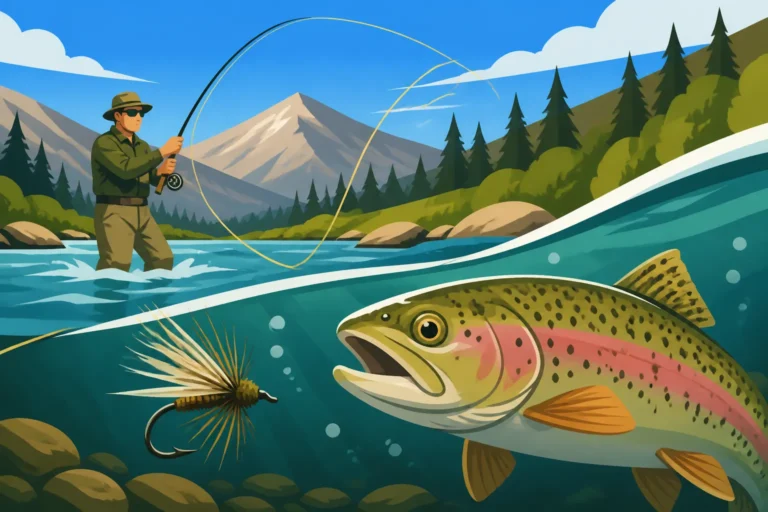
Nymphing is incredibly effective in runoff, provided you're using enough weight. Employ heavy nymphs, often tied with tungsten beads or wrapped with lead wire, in larger sizes (e.g., size 10-14). Colors like black, dark olive, chartreuse, or even a bright orange hot spot can be excellent. Techniques like high-stick nymphing or tight-line nymphing (Euro nymphing) allow you to maintain direct contact with your flies and detect subtle takes, even in turbulent water. The key is to cast upstream of your target, allow your flies to sink quickly, and then guide them through the slow water or seam, imitating a natural drift. Think about the "junk food" approach: a big, easy meal that drifts right into their limited visual window.
Streamer fishing can be exhilarating and highly productive during runoff. Big, bulky streamers that push a lot of water are the ticket. Patterns like Woolly Buggers (in black, olive, or white), Sculpzillas, or articulated streamers often mimic baitfish or other large forage that fish are willing to chase. The retrieve is usually aggressive: strong strips and pauses that make the streamer dart and pulse, creating vibrations that fish can feel through their lateral line. Often, darker colored streamers provide a better silhouette against the muddy water, while bright colors like chartreuse or white can offer a high-contrast target.
Bait fishing, where permitted, can be an absolute game-changer. Natural baits like garden worms, nightcrawlers, or salmon eggs release strong scents that fish can detect from a distance, drawing them to your hook. Rig your bait on a bottom-bouncing setup or a simple split-shot rig, ensuring it gets down to where the fish are holding. Presenting bait effectively means allowing it to tumble naturally along the bottom in those slower seams and eddies. The scent trail it leaves can be a powerful attractant when sight is limited. Always double-check current regulations, as bait restrictions apply on many of Wyoming's blue-ribbon trout streams.
Safety and Practical Considerations During Runoff
Fishing during runoff presents unique challenges, and safety should always be your top priority. The sheer power of high water can be deceptive and dangerous.
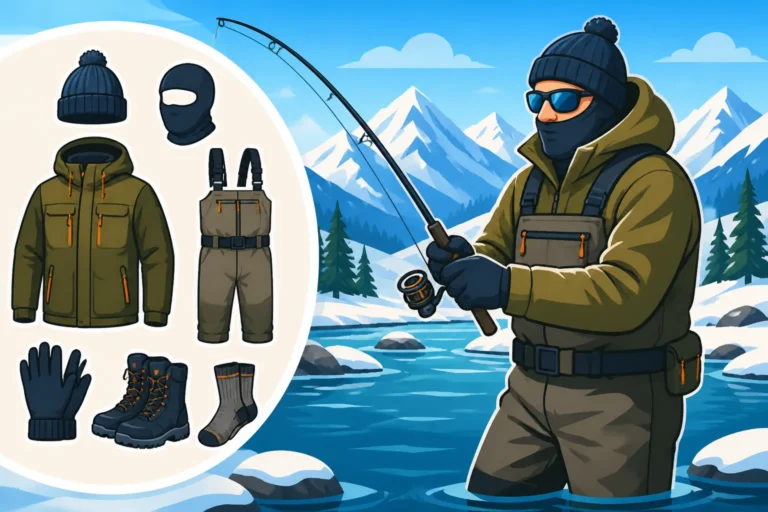
Wading safety is paramount. Rivers during runoff are often higher, faster, and colder than usual, making wading incredibly treacherous. The bottom can be unstable due to shifting gravel and sediment. Always use a sturdy wading staff for stability and to probe the bottom before taking a step. Never wade alone, and always let someone know where you're going and when you expect to return. If you're questioning whether to wade into a particular spot, err on the side of caution and stay on the bank. Many anglers wonder Do you need waders to fish Wyoming rivers in spring?, and the answer is almost always yes, for both warmth and protection, even if you’re not wading deep.
Bank stability is another concern. The erosive power of high water can destabilize riverbanks, making them prone to collapse. Be mindful of where you're standing, especially if the bank looks undercut or appears to be crumbling. Look for solid, stable ground.
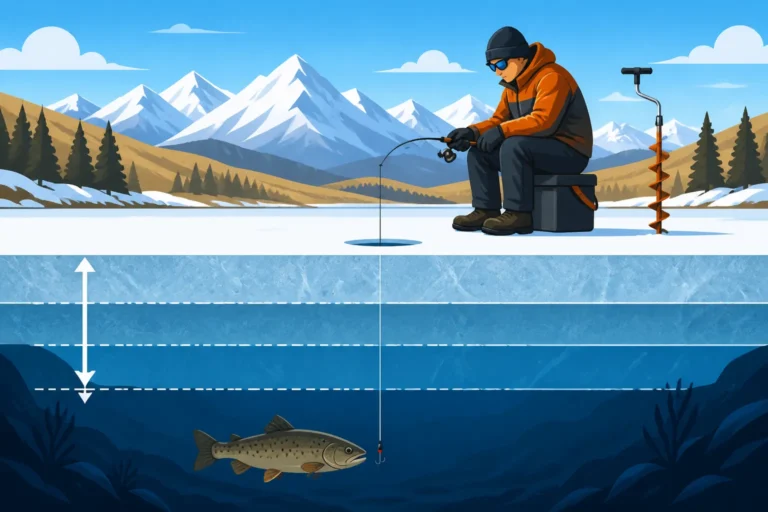
Weather awareness is crucial in spring. Wyoming weather can be highly unpredictable, with warm, sunny days quickly turning into cold, rainy, or even snowy conditions. Always check the forecast before heading out and dress in layers. Wearing appropriate cold-weather gear, similar to what to wear ice fishing in Wyoming, can be surprisingly relevant for those chilly spring days with cold runoff waters. Bring rain gear, extra warm layers, and always have a dry set of clothes in your vehicle. A thermos of hot coffee or soup can also be a lifesaver. Being prepared for anything will ensure your safety and comfort, allowing you to focus on the fishing.
Advanced Tips and Local Wisdom for Wyoming's Muddy Waters
Once you've got the basics down, there are always little nuances and local insights that can give you an edge when tackling muddy water in Wyoming. It's about refining your observation skills and leveraging community knowledge.
Spotting Subtle Signs and Water Clarity Clues
While runoff generally means muddy water, not all sections of a river are equally turbid, and conditions can change throughout the day. Your keen eye can pick up on subtle clues. Sometimes, a smaller tributary or spring creek might be flowing clearer than the main river, creating a temporary pocket of more desirable water where fish will congregate. Look for these "breaks" in the murkiness.
Observe the current patterns closely. Sometimes, even in very muddy water, you can discern the difference between the fastest current, slower seams, and stiller eddies. These visual cues, even if subtle, can guide your casting and drifts. Pay attention to any insects, leaves, or debris floating in the slower water; if they're there, fish might be too, looking for an easy meal. Even a slight increase in water clarity – from chocolate milk to murky coffee – can make a significant difference to the fish.
Leveraging Local Knowledge and Resources
One of the best ways to get real-time intelligence on fishing during runoff is to tap into local resources. The Wyoming Game and Fish Department (WGFD) is an invaluable source. They often provide updated fishing reports, water flow data, and even specific advisories for various rivers and lakes. Knowing where to find current Wyoming fishing regulations can also reveal if any specific areas have special rules during high-water events. They sometimes announce how Wyoming Game and Fish announces emergency closures if conditions become too dangerous or harmful to the fishery.
Local fly shops and sporting goods stores, particularly in towns like Casper, Jackson Hole, or Pinedale, are treasure troves of information. The folks working there are often out on the water themselves or talking to anglers who have just come off the river. They can tell you what specific patterns or baits are working, which stretches of river might be fishing better, and offer insights into water conditions that online reports might not capture in real-time. Don't be shy; walk in and ask! Many also sell effective scent attractants and high-contrast lures that are proven performers on local waters during runoff. Looking up what's available on Amazon beforehand can help you prepare your questions and understand your options.
Patience and Persistence: The Angler's Best Friends
Let's be realistic: fishing muddy water during runoff can be tough. It often requires more casts, more patience, and a willingness to move around to find those elusive fish. There will be days when you feel like you're just throwing your line into a brown soup. But this is precisely why success during runoff feels so incredibly rewarding.
Don't get discouraged by slow periods. Keep experimenting with different depths, different retrieves, and even different locations. A spot that yielded nothing on one drift might hold a fish willing to bite on the next, especially if your presentation improves. The angler who perseveres, who keeps trying variations in their technique and explores different sections of the river, is often the one who finds success. Remember that is runoff season a bad time to fish Wyoming rivers? is a common question, and while challenging, it is absolutely not a reason to avoid the water entirely. In fact, some of the biggest fish of the year can be caught during this time, as they become less wary and more focused on finding substantial meals.
Conclusion
Fishing Wyoming's muddy waters during runoff is undoubtedly a challenge, but it's a challenge that can be overcome with preparation, adaptability, and a healthy dose of persistence. By understanding how high, turbid water affects fish behavior, adjusting your gear to maximize visibility and vibration, and mastering specific techniques for locating and presenting to fish in these conditions, you can turn a potentially frustrating day into a memorable success. So, the next time you see that river running high and brown, don't despair. Instead, grab your heavier gear, tie on something bright and bulky, and get out there. You might just find that some of the most rewarding fishing Wyoming has to offer happens when everyone else is staying home.
Disclaimer
The information provided in this guide is for general informational purposes only and does not constitute professional advice. Fishing conditions in Wyoming can change rapidly, and regulations are subject to modification. Always consult the most current Wyoming Game and Fish Department regulations and advisories before heading out on the water. Prioritize your safety and that of others, especially when navigating high or fast-moving water.