How Water Temperature Affects Trout Feeding
Ever hit your favorite Wyoming fishing spot, convinced it's going to be a banner day, only to find the trout have completely vanished or are utterly uninterested in anything you throw at them? It’s a frustrating experience many anglers know all too well, and often, the invisible culprit is water temperature. Understanding how these fluctuations impact trout feeding behavior is paramount to success, and this guide will peel back the layers to help you crack the code.
Understanding Trout Metabolism and Temperature Zones
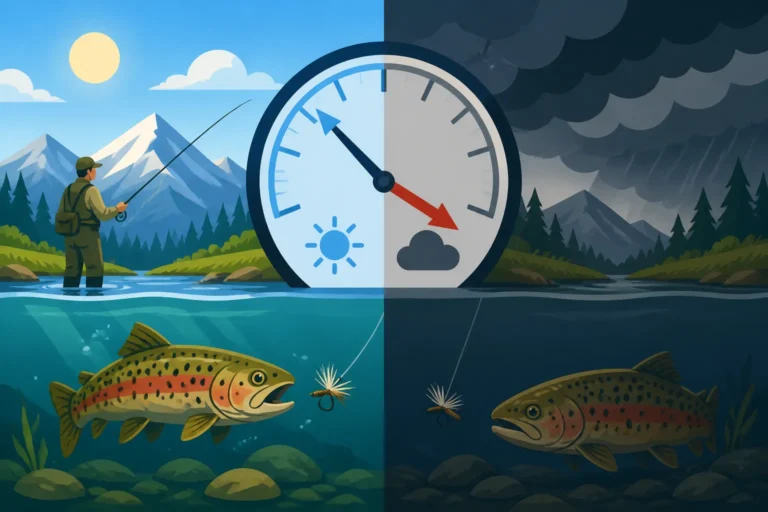
Trout, being cold-blooded creatures, are incredibly sensitive to the temperature of the water they inhabit. Unlike us, they can't regulate their internal body temperature, so the water literally dictates their metabolism, activity levels, and ultimately, their willingness to eat. When conditions aren't just right, their entire world slows down or speeds up to an uncomfortable degree, making them either lethargic or stressed, neither of which bodes well for your fishing efforts.
The "Goldilocks Zone" for Trout
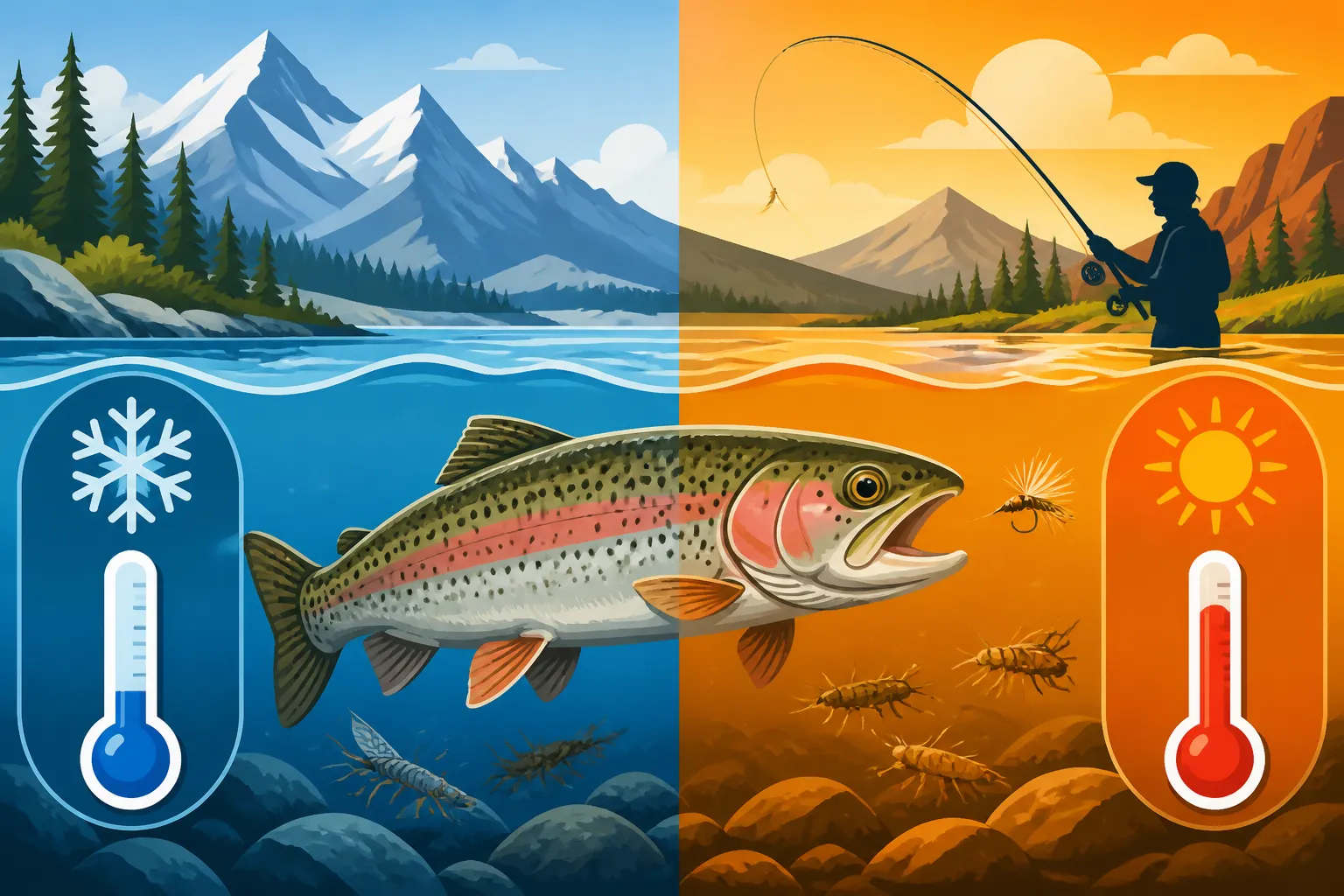
Think of water temperature like a comfort zone for trout. There’s a sweet spot, a "Goldilocks Zone," where they are most active, energetic, and inclined to feed voraciously. For most trout species found in Wyoming, like rainbow, brown, and cutthroat trout, this ideal range generally falls between 45°F and 65°F (7°C to 18°C). Within this range, their metabolic processes are humming along perfectly. They digest food efficiently, have plenty of energy to chase down prey, and aren't expending excessive energy trying to cool down or warm up.
In these prime temperatures, you’ll often find trout spread throughout the water column, actively cruising for insects, small fish, or whatever else looks like a tasty meal. This is when your chances of hooking into them are highest, as they're not only willing to eat but often actively looking for food. Even within this ideal range, slight variations can make a difference. For instance, many anglers believe the lower end of the 50s (e.g., 52-58°F) is absolutely prime for aggressive feeding, especially for larger trout gearing up for a spawn or packing on weight for winter. It's a fantastic time to be out on the water, whether you're fly fishing the North Platte or exploring some of our high-alpine lakes.
Why Extreme Cold or Heat Shuts Them Down
Step outside that optimal temperature window, and things start to go downhill for trout. On the colder side, say below 40°F (4°C), their metabolism slows dramatically. Imagine trying to run a marathon in freezing temperatures – you're just not going to be at your best. Trout become sluggish, their digestion grinds to a near halt, and they conserve energy by reducing movement and feeding activity. They'll still eat, but it will be fewer, smaller meals, and they'll expend minimal effort to get them. This is when finesse, slow presentations, and finding deeper, more stable water become crucial, as outlined in strategies for How Cold Is Too Cold to Fish in Wyoming?.
Conversely, when water temperatures climb too high, generally above 68-70°F (20-21°C), trout become incredibly stressed. Warm water holds less dissolved oxygen, which is vital for their survival. Their heart rate increases, they breathe harder, and they're essentially fighting to get enough oxygen. Feeding becomes a secondary concern; their primary focus is simply surviving. They'll seek out cooler refuge spots – deep pools, spring-fed inlets, shaded areas, or oxygenated riffles – and will be far less likely to chase a fly or lure. Fishing during a Fishing Wyoming During a Heat Wave scenario requires extreme caution, as hooking and fighting a heat-stressed trout can be fatal to the fish upon release. It's important to be mindful of this, as Wyoming Game and Fish often implements hoot-owl restrictions on certain rivers when temperatures spike, closing fishing during the hottest parts of the day to protect the fish.
How Temperature Changes Impact Feeding Behavior
It's not just the absolute temperature that matters, but also how the temperature changes. Sudden shifts, whether up or down, can put trout off their feed, while gradual changes allow them to adjust and find new comfort zones. Understanding these nuances is key to adapting your approach.
Cold Water Strategies: Slow and Deep
When the water gets chilly, trout aren't going to be darting around like they would in summer. Their movements are slow and deliberate, and they're trying to conserve every bit of energy. This means your presentation needs to match their pace. Forget fast retrieves or aggressive stripping; think slow, methodical drifts. Nymphs, streamers, and jigs presented dead-drift or with minimal movement are often the most effective. These colder conditions often mean trout are holding in deeper, more stable water, where temperatures fluctuate less and they feel secure. This often aligns with How to Fish Deep Structure for Lake Trout, but applies to stream trout as well.
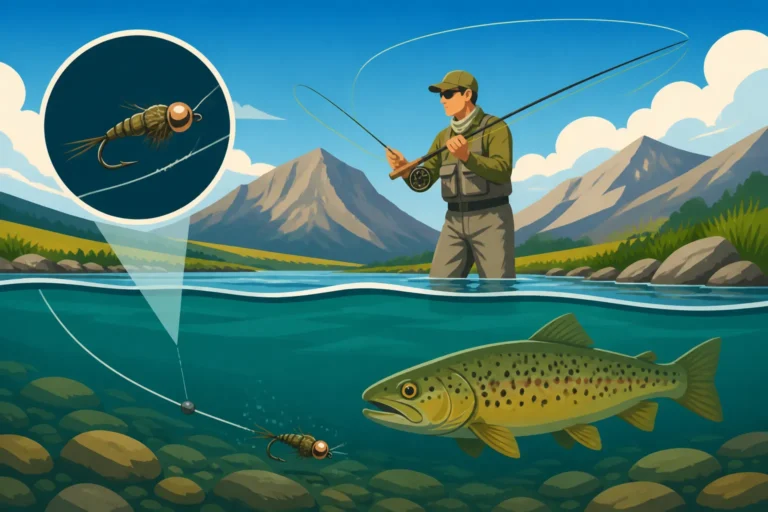
During colder periods, trout meals also tend to be smaller and less frequent. They’re not expending much energy to chase, so a large, flashy offering might be ignored. Smaller patterns that require little effort to ingest, like tiny midges, scuds, or small worm patterns, can be incredibly effective. Consider adding weight to your line to get your offering down to their level, especially if they're hugging the bottom. On many Wyoming rivers in late fall and winter, these slow, deep presentations are the bread and butter for persistent anglers.
Warm Water Strategies: Early, Late, and Shady
When water temperatures creep up, trout become more active in the cooler parts of the day – dawn and dusk. This is often the Best Time of Day to Fish in Summer Heat. During the midday sun, they retreat to thermal refuges: shaded banks, deep pools, undercut banks, or the oxygenated water found around rapids and riffles. Targeting these areas can be productive, but again, be mindful of the stress heat puts on fish. A quick fight and careful release are vital.
In these warmer periods, trout's metabolism is faster, meaning they need to eat more frequently. However, the stress of the heat can make them wary. Surface activity might be limited, but subsurface presentations can still work. Terrestrial patterns like grasshoppers and ants, or caddis imitations, can be effective if there's any surface activity. For subsurface, lighter jigs, small spinnerbaits, or drifted nymphs in faster, cooler water can entice a bite. Look for feeder streams or springs that introduce cooler water into a larger body, creating a localized cool zone where trout will congregate.
The Thermal Shock Effect
One of the most overlooked aspects of water temperature is the "thermal shock" effect. This occurs when trout move rapidly between areas of significantly different temperatures. For instance, if a trout is holding in a cool, spring-fed pocket of water and suddenly chases a fly into much warmer main channel water, the sudden change can disorient or stress it immensely. Conversely, if a cold front brings a sudden drop in air and water temperature, trout can become lethargic and cease feeding for a period as their bodies struggle to adjust.
Anglers often experience this phenomenon during sudden weather changes. A hot spell followed by an abrupt cool-down, or vice-versa, can completely shut down a bite. Trout need time to acclimate. When facing these conditions, it's often best to be patient, fish slowly, and target stable environments like deep holes or areas with consistent current, rather than focusing on transition zones. Sometimes, even finding a small, spring-fed creek mouth can make all the difference, as those consistent temperatures offer a haven from fluctuating main channel conditions.
Practical Tips for Anglers: Reading the Water Thermally
You don't need to be a marine biologist to understand water temperature. A few simple tools and observational skills can give you a massive advantage on the water, helping you predict What Temperature Trout Stop Biting At and adjust accordingly.
Essential Gear: Water Thermometers and Their Use
The most crucial tool for understanding water temperature is, unsurprisingly, a good water thermometer. These are relatively inexpensive and can be found at most outdoor retailers or even on Amazon. There are basic, tethered thermometers that you can simply dip into the water, and more advanced ones built into wading staffs or even some fish finders.
Here's how to use one effectively:
- Take Readings Regularly: Don't just take one reading at the access point. Different sections of a river or lake can have vastly different temperatures. Take readings in riffles, pools, shaded areas, and sun-exposed sections.
- Check Different Depths: Water temperature stratifies. The surface might be warm, but a foot or two down could be significantly cooler. For deeper lakes and reservoirs, this is especially true. A basic thermometer can't tell you deep water temps, but it can give you clues. If the surface is too warm, assume trout are deeper.
- Record Your Findings: Keep a small notebook or use a fishing app to jot down water temperatures, along with weather conditions and fishing success. Over time, you'll start to see patterns for specific locations and conditions, helping you plan future trips, especially when anticipating Wyoming Spring Fishing: What to Expect or the heat of summer.
| Temperature Range (°F) | Trout Activity Level | Common Behavior & Location | Recommended Approach |
|---|---|---|---|
| 35-44 | Very Slow/Lethargic | Deep pools, slow currents, conserving energy | Slow, deep presentations, small baits/nymphs |
| 45-54 | Active/Good Feeding | Often spread out, actively foraging, excellent digestion | Varied presentations, covering water, prime feeding |
| 55-65 | Peak Activity/Aggressive | Highly active, chasing prey, strong bites | Faster retrieves, larger flies/lures, aggressive patterns |
| 66-69 | Moderately Stressed | Seeking cooler water, reduced feeding, easily spooked | Focus on shaded, oxygenated areas, early/late day, careful release |
| 70+ | Severely Stressed | Huddled in cold water refuges, minimal movement, survival focus | Avoid fishing, consider hoot-owl restrictions |
Locating Trout Based on Temperature Gradients
Once you start taking temperature readings, you'll begin to notice "temperature gradients" – areas where water temperature changes significantly over a short distance. These gradients are often prime spots for trout.
- Confluence of Waters: Where a colder tributary stream meets a warmer main river, or a spring flows into a lake, you’ll find a distinct temperature break. Trout will often stack up in these cooler influxes, especially during warmer months. This is particularly true in places like the Green River below Flaming Gorge Dam, where consistent cold tailwater temperatures create a haven.
- Depth Changes: In lakes and reservoirs, especially in summer, the deeper water is almost always cooler. Trout that require colder water, like lake trout or brown trout, will retreat to these depths. This is why How to Fish Deep Structure for Lake Trout becomes so important. Using electronics to find structure and depth, combined with an understanding of thermoclines (the layer where water temperature changes rapidly), is vital.
- Shade and Structure: Overhanging trees, large boulders, or canyon walls create shaded areas that keep water cooler throughout the day. These are crucial refuges in summer. Undercut banks also offer both shade and deeper water, providing a double-whammy of comfort for trout. When the sun is high and bright, always prioritize these types of covers.
Adjusting Your Presentation for Optimal Temperature Windows
Knowing the temperature is only half the battle; the other half is adjusting your fishing strategy.
- Pace: In cold water, slow down. Let your flies or lures drift naturally and deeply. In warmer, optimal temperatures, you can afford to be more aggressive with your retrieves, stripping streamers faster, or twitching jigs.
- Depth: As mentioned, colder water often means deeper fish. As temperatures warm, fish might move shallower, especially during low-light periods. Always be ready to adjust your weight, leader length, or lure choice to target different depths.
- Bait/Lure Choice: Smaller, more subtle presentations are often better in very cold water, mimicking the lethargic insect activity. In warmer, active water, trout might chase larger, more energetic patterns. For example, during a strong Wyoming Fall Fishing for Migrating Browns, large streamers can be incredibly effective as trout become aggressive prior to spawning.
- Time of Day: As alluded to, Best Time of Day to Fish in Summer Heat means early morning or late evening. Conversely, in winter, the warmest part of the day (midday) might be your best bet, as discussed in Why Tailwaters Fish Well in Winter.
Seasonal Temperature Swings and Their Impact
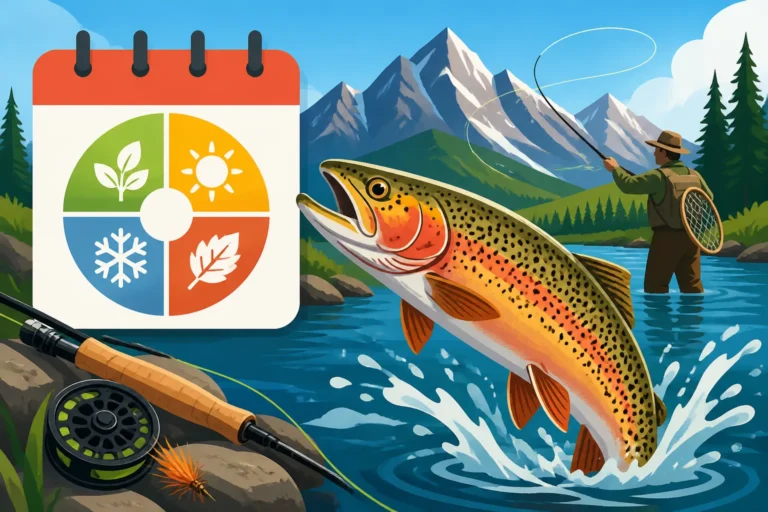
Wyoming experiences dramatic seasonal shifts, and these changes are perhaps the most influential factor on water temperature and, by extension, trout feeding. Each season presents unique challenges and opportunities. Understanding the Wyoming Fishing Seasons Month by Month allows you to anticipate these changes.
Spring Warm-Up: A Feeding Frenzy
Ah, spring! As the ice recedes and air temperatures climb, the water slowly begins to warm, often triggering a resurgence in trout activity. This period, typically from late March through May in many parts of Wyoming, is often characterized by increasing insect hatches, from midges to caddis and eventually mayflies. Trout, having conserved energy all winter, are eager to bulk up. Their metabolism kicks into high gear, and they become far more active.
This is a fantastic time for aggressive feeding. Look for trout moving out of their deep wintering holes and into shallower riffles and runs to forage. Streamers can be particularly effective as trout chase baitfish, and as hatches begin, dry fly and nymph fishing can be exceptional. However, be mindful of runoff from melting snow, which can cause rivers to rise and become muddy, impacting temperatures and clarity. Knowing Wyoming Spring Fishing: What to Expect is crucial, as early spring might still mean chilly water, while late spring can see excellent conditions.
Summer Stagnation: Finding Thermal Refuges
Summer, especially July and August, often brings the highest water temperatures of the year. While early summer can still offer excellent fishing, as the heat really settles in, many lower elevation rivers and streams can become challenging. As discussed, oxygen levels drop, and trout become stressed. This leads them to seek out Fishing Wyoming During a Heat Wave survival tactics.
During these months, your strategy should revolve around finding cooler water. This means focusing on higher elevation lakes and streams that remain cold throughout the summer, or tailwater fisheries (rivers below dams) like sections of the North Platte River where water released from the bottom of reservoirs stays consistently cold. If fishing warmer waters, restrict your efforts to early morning or late evening, and always carry a thermometer. Be prepared to scale down your gear and ensure quick, safe releases to minimize stress on the fish.
Fall Cool-Down: The Pre-Winter Feast
Many experienced Wyoming anglers consider fall to be the best time of year, especially for trophy brown and cutthroat trout. As air temperatures drop, rivers and lakes gradually cool, settling back into that prime 45-65°F "Goldilocks Zone." This cooling trend revitalizes trout. They become incredibly active, knowing that winter is coming and they need to pack on calories. This pre-winter feeding frenzy is often tied to the spawning runs of brown and brook trout, making for some incredibly aggressive fishing, which is exactly why you'd want to go Wyoming Fall Fishing for Migrating Browns.
During this time, large streamer patterns mimicking baitfish are highly effective, as are nymphing techniques, especially if the water is clear and bugs are active. The cooler water also means higher oxygen levels, making trout more resilient and battles more spirited. This season offers some of the most consistent and rewarding fishing experiences in Wyoming, with stunning fall foliage as a bonus.
Winter Chill: Slow and Steady Bites
Once winter sets in and water temperatures consistently fall below 40-45°F, trout metabolism slows down significantly. While many waters freeze over, some rivers and the deep sections of larger lakes remain ice-free, offering unique fishing opportunities. When Ice Fishing Season Starts in Wyoming in many areas, the fish under the ice are still feeding, just at a much-reduced rate.
During winter, trout are conserving energy. They'll gravitate towards the slowest, deepest parts of rivers and the deepest sections of lakes where temperatures are most stable. Your presentation must be incredibly slow and subtle. Small midge patterns, tiny nymphs, or micro jigs are often the ticket. Fish will rarely move far to eat, so your offering needs to be right in front of them. Tailwater fisheries, like the Miracle Mile section of the North Platte or the Green River below Fontenelle Dam, often remain fishable through winter and are prime spots for dedicated anglers, precisely because Why Tailwaters Fish Well in Winter. These areas benefit from consistent, cold-but-not-freezing water released from the bottom of the reservoir, creating a stable thermal environment where trout can still be enticed with careful technique.
Understanding how water temperature affects trout feeding isn't just about catching more fish; it's about becoming a more thoughtful, adaptable, and ultimately, more successful angler in Wyoming's diverse waters. Pay attention to the thermometer, observe the conditions, and adjust your tactics, and you'll find those elusive fish more often than not.
Disclaimer
The information provided in this guide is for general informational purposes only. Fishing regulations, seasons, and water conditions in Wyoming can change frequently. Always consult the most current Wyoming Game and Fish Department regulations and local advisories before planning any fishing trip. Adherence to all local, state, and federal laws is the sole responsibility of the angler.