Where Yellowstone Cutthroat Trout Are Native in Wyoming
It's incredibly frustrating when you're dreaming of casting a line into pristine Wyoming waters, hoping to catch a truly native Yellowstone Cutthroat Trout, only to realize you're not entirely sure where these magnificent fish actually belong. Many anglers assume they're everywhere, or only within the national park, but their native range is more specific and understanding it is key to a meaningful fishing experience. This guide will take a deep dive into the historical and current native habitats of the Yellowstone Cutthroat Trout across Wyoming, helping you pinpoint their true strongholds and appreciate their unique place in our state's ecosystem.
Understanding the Yellowstone Cutthroat Trout: A Wyoming Icon
The Yellowstone Cutthroat Trout (Oncorhynchus clarkii bouvieri) isn't just another fish in the stream; it's a living symbol of Wyoming's wild, untamed beauty. For generations, this particular subspecies has thrived in the cold, clear waters that define much of our state's high country. But what makes this fish so special, and why is knowing its native range so crucial for conservation and ethical angling? It's about respecting the natural history and ensuring these fish continue to flourish where they've always belonged.
The Defining Features of a Yellowstone Cutthroat
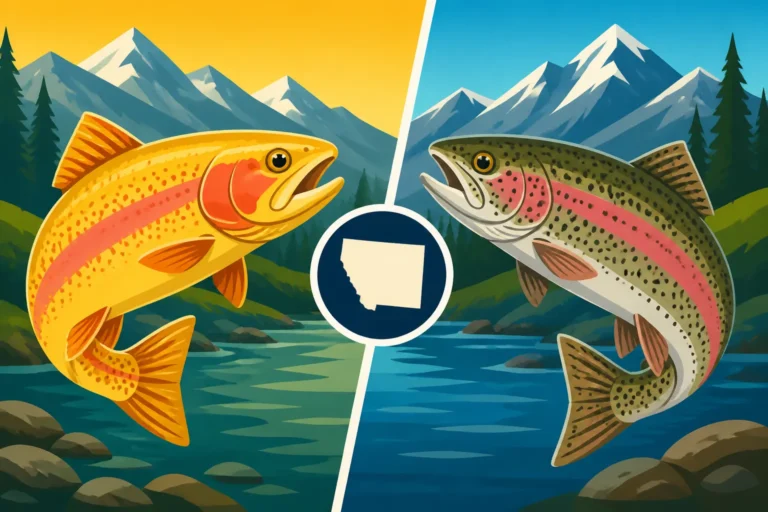
When you're out on the water, seeing a fish with those tell-tale red slashes under its jaw is always exciting. That's the signature characteristic that gives all cutthroat trout their name. For the Yellowstone Cutthroat specifically, you're often looking at a fish with a striking gold to bronze body color, sometimes with hints of olive green on its back. Their spots are usually numerous, medium-sized, and evenly distributed across the body, often extending onto the dorsal, caudal, and adipose fins. Unlike some other cutthroat subspecies, the spots on a pure Yellowstone Cutthroat typically don't congregate as heavily towards the tail. They also tend to have a rather robust body shape, a testament to their adaptability in varied river and lake environments. Identifying them accurately can be a fun challenge, and there are many excellent field guides you can pick up on Amazon that will help you distinguish them from other trout species you might encounter. If you want to learn more, our post Identifying a Yellowstone Cutthroat Trout dives into even greater detail.
Their survival hinges on healthy, connected waterways, clean spawning gravel, and a robust insect population. They are an integral part of the food web, serving as prey for osprey, eagles, and otters, while also preying on smaller aquatic invertebrates and fish. This makes their health a strong indicator of the overall ecological well-being of the waters they inhabit. Their distinctive appearance and vital role in the ecosystem make them a cherished target for many anglers, but also a species that requires careful consideration and conservation.
Beyond the "Yellowstone": Native Range in a Broader Context
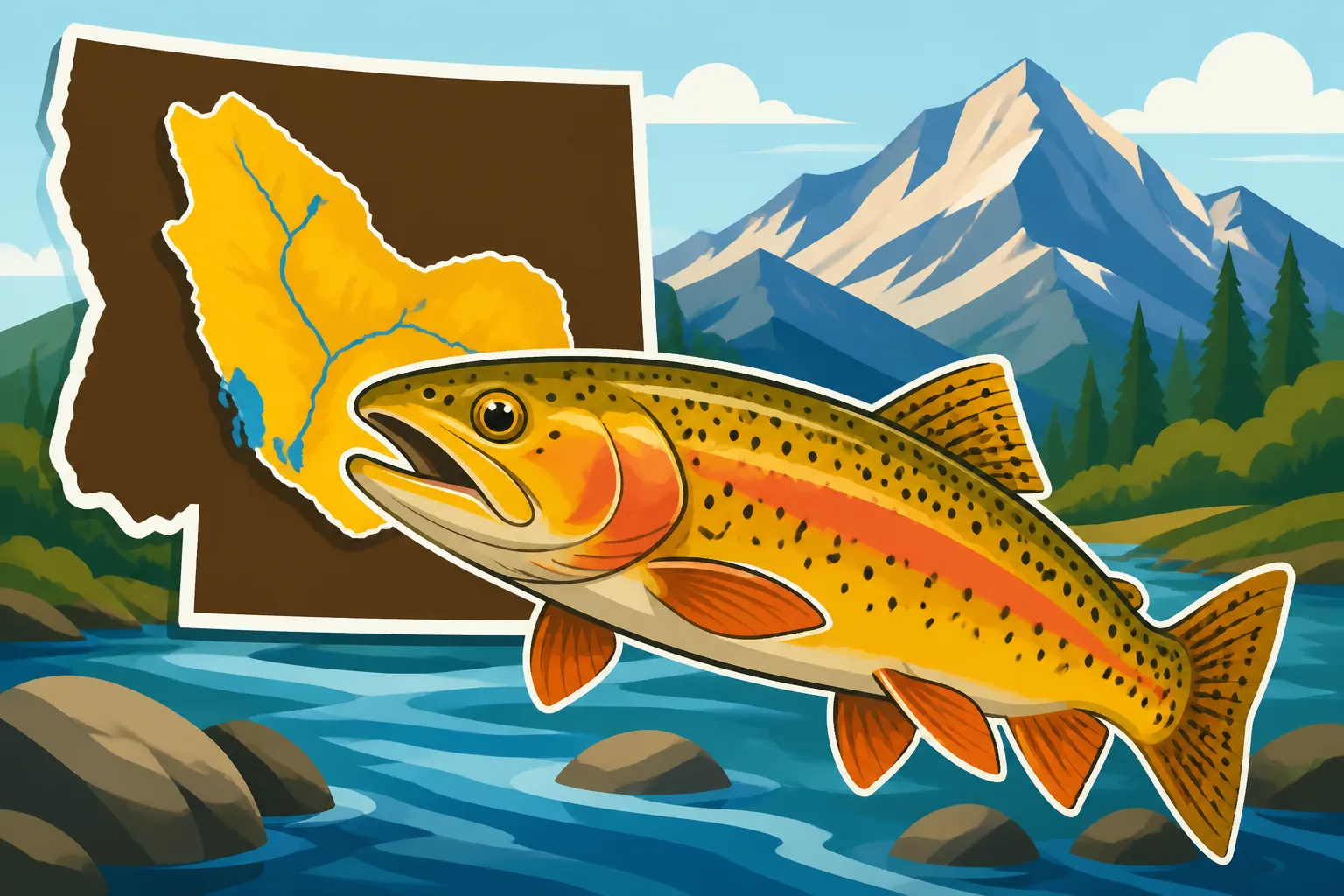
It's easy to assume, given the name, that Yellowstone Cutthroat Trout are found exclusively within Yellowstone National Park. While the park certainly holds some of the most iconic and significant native populations, their historical and natural range extends much further across Wyoming, particularly throughout the larger Yellowstone River and Snake River drainages. This broader native context is often overlooked, leading to confusion about where true native populations exist. This particular subspecies evolved to thrive in these specific watersheds, adapting over millennia to the unique conditions of these high-altitude, cold-water environments.
Understanding that "native" doesn't just mean within the park boundaries helps us appreciate the wider distribution and the distinct challenges these populations face in various parts of the state. It's a reminder that Wyoming's fisheries management isn't just about stocking, but about preserving the genetic integrity of these unique fish. If you're interested in why this species holds such importance to our state, you should definitely check out Wyoming's State Fish: The Yellowstone Cutthroat. Recognizing these natural boundaries is the first step in becoming a responsible angler who contributes to the long-term health of our native fisheries.
The Yellowstone River Drainage: Heart of the Native Territory
When we talk about the native range of the Yellowstone Cutthroat Trout, the Yellowstone River drainage immediately comes to mind. This is their namesake and their historical stronghold, a vast system of rivers, lakes, and streams that provided the ideal habitat for this species to evolve and flourish. It’s where they’ve perfected their survival strategies for millennia, making it a truly special place to seek them out.
Inside Yellowstone National Park: The Original Stronghold
Within the boundaries of Yellowstone National Park, you'll find some of the most significant and pristine native populations of Yellowstone Cutthroat Trout anywhere. The crown jewel, of course, is Yellowstone Lake itself, the largest high-altitude lake in North America. Its sheer size and countless tributary streams provide an unparalleled spawning and rearing habitat. For centuries, these fish have migrated from the lake into its feeder streams like Pelican Creek, Clear Creek, and Yellowstone River's upper reaches to spawn, a natural cycle that sustains massive populations.
However, even in this iconic setting, challenges exist. The introduction of non-native lake trout has profoundly impacted the Yellowstone Cutthroat population in Yellowstone Lake, leading to extensive removal efforts by the park service. Despite these challenges, the park remains a critical sanctuary. Fishing rules are strictly enforced here to protect these native populations, and anglers must obtain a specific Yellowstone National Park fishing permit in addition to their Wyoming license. For detailed information on fishing within the park, our guide Fishing Rules Inside Yellowstone National Park is an excellent resource. Respecting these regulations is paramount to supporting the ongoing conservation work and ensuring future generations can experience these magnificent fish.
Downstream Opportunities: The Yellowstone River's Reach in Wyoming
While the park holds the heart of the Yellowstone Cutthroat's native range, the Yellowstone River and its tributaries extend south out of the park and into other parts of Wyoming, offering additional opportunities for native fish. As the river flows south, through areas like the Thorofare Wilderness, it continues to hold healthy populations. These remote, often difficult-to-access waters represent some of the most wild and untouched native habitats. Tributaries feeding into the Yellowstone River in this part of Wyoming, particularly those originating high in the Absaroka and Wind River Mountains, are key arteries in this system.
Exploring these areas often requires significant effort, sometimes involving multi-day pack trips or long hikes into the backcountry. The fish here are truly wild, exhibiting the natural behaviors and vibrant colors indicative of their pure genetic heritage. Anglers visiting these waters are often rewarded with a deeply authentic and challenging fishing experience, far from the crowds. Remember, when venturing into these remote areas, practicing catch-and-release is often encouraged or even required to maintain the health of these sensitive populations. Our article Fishing Wyoming's Wilderness and Backcountry Lakes provides more insights into these challenging but rewarding trips.
The Snake River System: Home to the Fine-Spotted Variant
Moving west across the Continental Divide, we enter a different, yet equally vital, native territory for cutthroat trout: the magnificent Snake River system. While it's still a cutthroat, the population found here is genetically distinct enough to be recognized as a subspecies, showcasing the incredible biodiversity within the broader cutthroat family.
Distinguishing the Snake River Fine-Spotted Cutthroat
The Snake River Fine-Spotted Cutthroat (Oncorhynchus clarkii behnkei) is a close cousin to its Yellowstone counterpart, but with its own unique flair. As the name suggests, the most distinguishing feature is often the fineness and density of its spots. While Yellowstone Cutthroats have more scattered, medium-sized spots, the Snake River variety typically displays a profusion of very small, pepper-like spots that are concentrated more heavily towards the tail and often extend further down their sides. Their body color can also vary, often appearing a bit more silvery or golden depending on the specific waterbody and diet. Like all cutthroats, they proudly wear those signature red-orange "slashes" beneath their jaw.
This subtle but important distinction highlights the evolutionary history of cutthroat trout in the Intermountain West, where geographical isolation led to the development of distinct subspecies adapted to their particular drainage. Recognizing this difference is not just for scientific curiosity; it informs conservation strategies and helps anglers appreciate the specific characteristics of the fish they're pursuing. For a deeper dive into this unique fish, be sure to read our post on Snake River Fine-Spotted Cutthroat Trout. These fish are a testament to the power of adaptation and the richness of Wyoming's aquatic ecosystems.
Prime Waters in the Snake River's Wyoming Stretch
The Snake River begins its journey high in Wyoming's mountains, notably within the Teton Wilderness and then flowing through Grand Teton National Park. This entire system, from its headwaters down through Jackson Lake and the main stem of the Snake River near Jackson Hole, is prime native habitat for the Snake River Fine-Spotted Cutthroat. Key tributaries like the Gros Ventre River, Hoback River, and the various creeks flowing out of the Teton Range all contribute to a robust native fishery. Fishing Rules Inside Grand Teton National Park covers specific regulations for these majestic waters.
Anglers flock to the Snake River for its legendary float trips, offering unparalleled opportunities to target these native beauties with dry flies. The river's dynamics, with its braids, riffles, and deep pools, create diverse habitats where these cutthroat thrive. Below Jackson Lake Dam, the river offers fantastic fishing, and specific regulations often exist to protect the native fish while managing other species. These waters are often cold, clear, and teeming with insect life, providing the perfect environment for these wild fish to grow strong and healthy. It's a truly iconic fishery, and a bucket-list destination for many fly anglers.
Other Isolated Basins and Headwaters
While the Yellowstone and Snake River drainages are the undisputed strongholds for the Yellowstone Cutthroat Trout's native range, Wyoming's complex geography and hydrology mean that smaller, sometimes isolated, populations can also be found in other specific headwater basins. These areas, often high in the mountains and difficult to access, represent important genetic reservoirs and tell a fascinating story of glacial history and natural dispersal.
High-Elevation Strongholds in the Wind River Range
One of the most remarkable instances of Yellowstone Cutthroat Trout existing outside the main Yellowstone-Snake drainages can be found in certain high-elevation lakes and streams within the mighty Wind River Range. These populations are often remnants from ancient geological and hydrological events, where waterways were once connected, allowing for natural dispersal before land uplifts or glacial shifts isolated them. Some of these lakes are truly pristine, lying above timberline and requiring significant effort to reach, often involving multi-day backpacking trips.
Fishing in these remote, alpine environments is an experience like no other. The fish, while potentially smaller due to the shorter growing season, are incredibly hardy and vibrantly colored, reflecting the pure, cold water they inhabit. Because these populations are often isolated, they can be particularly vulnerable to habitat degradation or the introduction of non-native species. Conservation efforts in these areas focus heavily on maintaining their genetic integrity and preventing such introductions. Understanding where these unique populations reside adds another layer of appreciation for the Yellowstone Cutthroat's adaptability and historical presence across Wyoming's rugged landscape.
Smaller Drainages and Conservation Efforts
Beyond the Wind Rivers, there are a few other, even more isolated pockets or historical records of Yellowstone Cutthroat presence in smaller, often eastward-flowing drainages that are now primarily dominated by other trout species. These instances are less common and often represent the extreme edges of their historical range or cases where they once occupied headwater streams before natural barriers or human introductions changed the aquatic landscape. In many of these areas, hybridizing with introduced rainbow trout (creating "cutbows") has become a significant issue, diluting the pure genetic strain of the native cutthroat.
Wyoming Game and Fish Department (WGFD) works tirelessly to identify and protect these remaining pure strains. This often involves extensive genetic testing, habitat restoration projects, and careful management of stocking programs to avoid further hybridization. Anglers can play a crucial role by being vigilant and supporting these efforts, perhaps by purchasing specialized maps or regional guides, sometimes available through retailers like Amazon, that highlight sensitive native fish areas. The goal is to preserve these unique genetic legacies, ensuring that the true Yellowstone Cutthroat continues to thrive in its ancestral waters, no matter how small or remote those pockets may be.
Here's a quick overview of the primary native ranges:
| Drainage System | Primary Subspecies | Key Wyoming Waters | Characteristics | Conservation Status |
|---|---|---|---|---|
| Yellowstone River | Yellowstone Cutthroat Trout | Yellowstone Lake, Yellowstone River (above Canyon), Thorofare Wilderness | Medium, scattered spots; gold/bronze coloration; robust body | Threatened by Lake Trout |
| Snake River | Snake River Fine-Spotted Cutthroat | Jackson Lake, Snake River (Jackson Hole), Gros Ventre River | Numerous small, pepper-like spots; more silvery often | Stable, but habitat vulnerable |
| Upper Wind River Range | Yellowstone Cutthroat Trout | Various high-alpine lakes & headwater streams | Often smaller, vibrant colors; isolated populations | Vulnerable, genetic purity concerns |
Angler Responsibility: Protecting Wyoming's Native Cutthroats
As anglers, we have a profound responsibility to protect the very resources we cherish. When it comes to native fish like the Yellowstone Cutthroat Trout, this responsibility takes on an even greater significance. These are not just any fish; they are living parts of Wyoming's natural heritage, often adapted to specific, fragile ecosystems. Our actions on and off the water directly impact their survival for generations to come.
Best Practices for Fishing Native Cutthroat Waters
Fishing in native cutthroat waters requires a thoughtful approach. The first and most critical step is always to verify the current regulations for the specific waterbody you plan to fish. These regulations, found in the official Wyoming Game and Fish Department fishing regulations booklet, are designed to protect these sensitive populations and can include special limits, gear restrictions (like single, barbless hooks), or even catch-and-release only rules. Always carry your Wyoming Fishing Regulations Every Angler Should Know booklet, or have it accessible on your phone, to ensure you're compliant.
Beyond regulations, practicing excellent fish handling techniques is paramount, especially if you plan to release fish. Minimize the time a fish is out of the water, handle it with wet hands, and support its full body weight. Avoid squeezing or touching its gills. When releasing, gently hold the fish facing upstream in calm water until it revives and swims off under its own power. Consider using barbless hooks, which make release much easier and reduce harm. Our guide Catch-and-Release Rules on Wyoming Waters has more in-depth advice on best practices. Finally, consider the impact of your wading and movement, especially in shallow spawning areas. Minimizing disturbance helps protect critical habitat and future generations of these native fish.
Identifying and Reporting Non-Native Species
One of the most significant threats to native Yellowstone Cutthroat Trout is the introduction and spread of non-native species, such as rainbow trout, brook trout, and especially lake trout. Rainbow trout can hybridize with cutthroat, diluting their genetic purity and creating "cutbows." Brook trout often outcompete native cutthroat for food and habitat, particularly in smaller headwater streams. Lake trout are voracious predators of cutthroat, as seen in Yellowstone Lake, where they have caused significant declines. Recognizing these non-native species is critical, and there are good waterproof field guides available on Amazon that can help you distinguish between them quickly.
If you catch a non-native species in waters designated for native cutthroat recovery, especially lake trout in Yellowstone Lake, follow the specific regulations regarding their harvest. In some cases, regulations might require you to keep them. Beyond fishing, being vigilant about aquatic invasive species (AIS) is also crucial. Always clean, drain, and dry your boat, waders, and gear before moving between different waterbodies to prevent the spread of invasive plants, invertebrates, or fish diseases. If you spot a suspected invasive species or an unusual fish population, report it to the Wyoming Game and Fish Department. By actively participating in these efforts, anglers become vital partners in the ongoing struggle to protect and preserve Wyoming's irreplaceable native Yellowstone Cutthroat Trout populations. A fin clip, like an adipose fin clip, can sometimes indicate if a fish is stocked rather than native, and What a Clipped Adipose Fin Means explains this further.
Disclaimer
This article is for general informational purposes only and does not constitute professional advice. Laws, prices and regulations vary by location and change over time. Consult a qualified professional for guidance on your specific situation.