Wild vs Stocked Rainbow Trout in Wyoming
Anglers in Wyoming often find themselves on a river or lake, pulling in a beautiful rainbow trout, and a question almost immediately springs to mind: "Is this fish wild, or was it stocked?" It's a natural curiosity, one that speaks to the heart of what makes fishing in this state so special. This guide will dive deep into the fascinating differences between wild and stocked rainbow trout in Wyoming, helping you understand their origins, how to tell them apart, and even how to adjust your angling tactics for each.
The Tale of Two Rainbows: Understanding Their Origins
Wyoming is a state blessed with incredible fishing opportunities, and rainbow trout are a significant part of that allure. However, not all rainbows are created equal, at least in terms of their upbringing. Understanding where a rainbow trout comes from is the first step in appreciating its unique characteristics and behaviors.
What Defines a Wild Rainbow Trout?
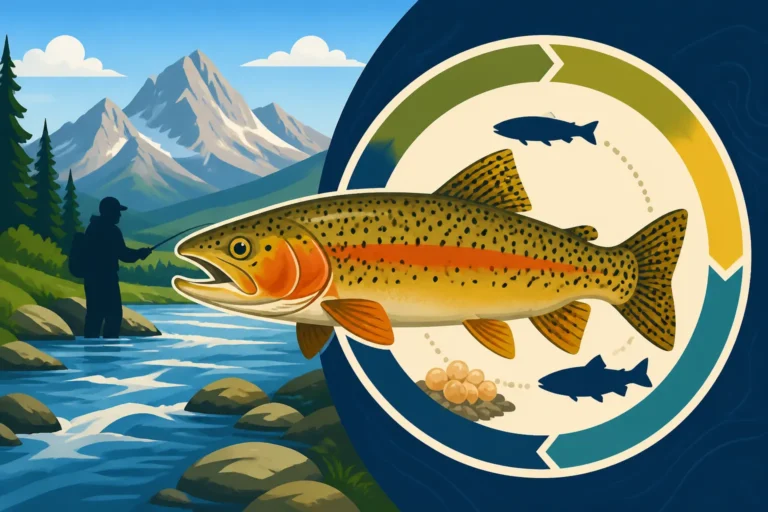
Imagine a vibrant, agile fish, born in the frigid, oxygen-rich waters of a mountain stream, its parents having braved the currents to spawn successfully. This is the essence of a wild rainbow trout. These fish are the product of natural reproduction in their environment, having never seen the inside of a hatchery tank. Their entire life cycle, from egg to adult, unfolds in the wild, under the constant influence of natural selection. They're typically leaner, more streamlined, and incredibly wary, honed by a lifetime of evading predators and competing for limited food resources.
Wild rainbow trout possess a genetic purity that allows them to thrive in their specific, often challenging, environments. They instinctively know how to find the best holding water, what insects to key in on, and how to survive harsh winters and fluctuating water levels. Catching a wild rainbow trout often feels like a true achievement, a testament to your skill in outsmarting a creature perfectly adapted to its surroundings. You'll find these incredible fish in the pristine headwaters of rivers, secluded alpine lakes, and healthy river systems across the state, often in areas requiring a bit more effort to reach. Their survival is a delicate balance, and Wyoming Fishing Regulations Every Angler Should Know often include specific rules to protect these fragile populations.
The Role of Stocked Rainbow Trout in Wyoming
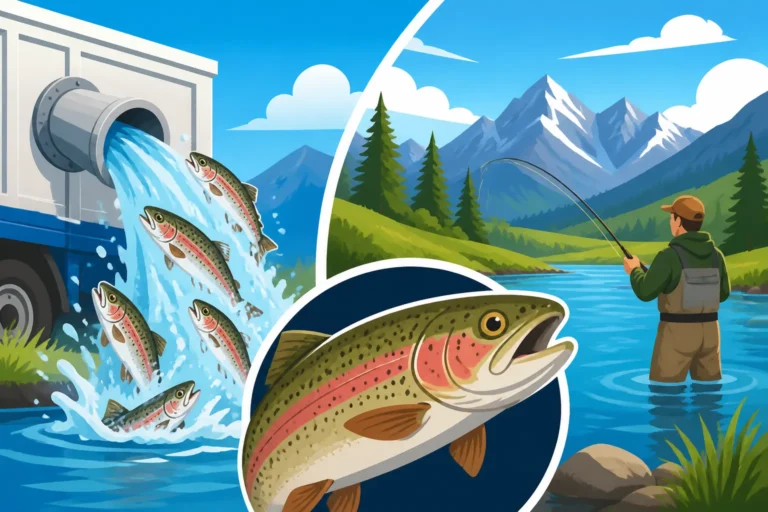
On the flip side, we have stocked rainbow trout, which play a crucial, albeit different, role in Wyoming's fisheries. These fish begin their lives in state-run hatcheries, raised in controlled environments with consistent food, protection from predators, and monitored water conditions. The primary purpose of stocking is to enhance angling opportunities, particularly in waters that can't sustain robust natural populations due to habitat limitations or heavy fishing pressure. Stocking ensures that even easily accessible lakes and community ponds offer a rewarding experience for families and casual anglers.
The Wyoming Game and Fish Department runs a robust Wyoming's Stocked Rainbow Trout Program, releasing millions of fish each year into various waters. These operations are carefully managed to support angler demand without negatively impacting wild populations. Stocking can involve "catchable" size fish, which are often 8-12 inches long and ready to be caught shortly after release, or smaller "fingerlings" that are stocked to grow out in larger reservoirs, eventually contributing to a put-grow-and-take fishery. The goal is to provide a consistent and enjoyable experience for the vast majority of anglers, making fishing accessible to everyone from seasoned veterans to brand new enthusiasts.
Physical Differences: Spotting Wild vs. Stocked Rainbows
One of the most satisfying parts of catching a rainbow trout in Wyoming is taking a moment to examine it. With a little practice, you can often tell if you've landed a wild, naturally reproduced fish or one that started its life in a hatchery. These differences are more than just aesthetic; they tell a story about the fish's journey.
Visual Cues and Markings to Look For
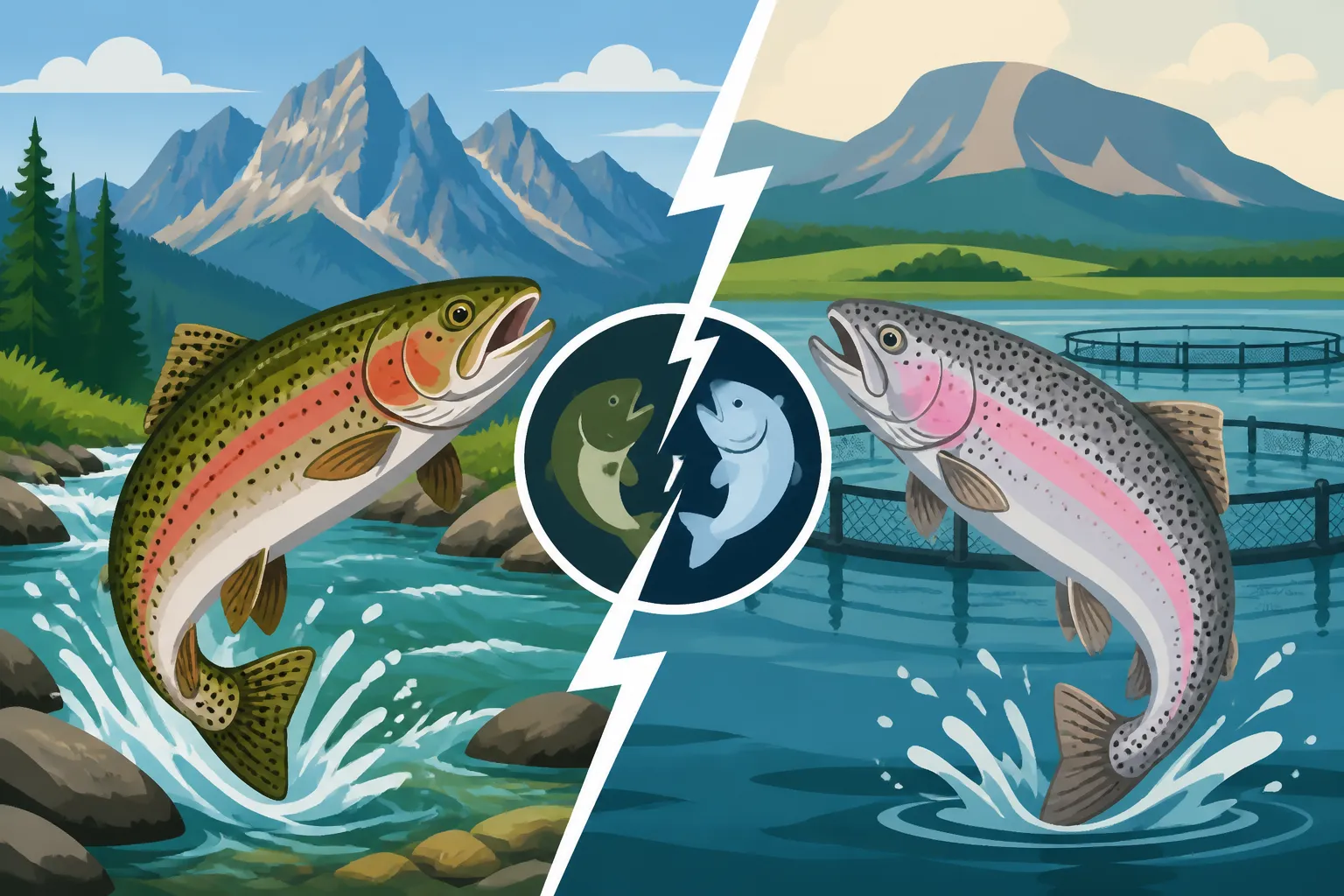
When you bring a rainbow to hand, the first thing to inspect is its fins. Wild rainbow trout, living in natural environments, typically have strong, perfectly formed fins. Their dorsal, pectoral, pelvic, and caudal (tail) fins will be sharp, symmetrical, and often unmarked. They've used these fins to fight currents, escape predators, and navigate complex underwater structures throughout their lives. In contrast, stocked trout often exhibit signs of their hatchery upbringing. Due to crowded conditions in concrete raceways, they can develop worn, rounded, or even damaged fins. You might see nicks, frayed edges, or fins that appear stunted. This is a tell-tale sign of a fish that spent its formative months in a confined space.
Another key indicator is coloration and body shape. Wild rainbows tend to have more vibrant, intense colors, with a deeper, richer red stripe along their lateral line and distinct spots that appear almost painted on. Their bodies are usually sleek, torpedo-shaped, and muscular, built for speed and agility in fast-moving water. Stocked trout, on the other hand, might appear paler, with less pronounced markings. Their body shape can sometimes be a bit more robust or even slightly deformed, a result of less natural exercise and a consistent, albeit artificial, diet. A very important clue, especially for those involved in fisheries management or research, is the presence of a fin clip. Some stocked fish have their adipose fin (the small, fleshy fin between the dorsal and tail fin) removed at the hatchery. If you catch a rainbow with a clipped adipose fin, you know with certainty that it's a stocked fish. Understanding What a Clipped Adipose Fin Means is key for anglers and biologists alike.
The Impact of Hatchery Life on Appearance
The controlled environment of a fish hatchery is designed for efficiency and growth, but it inevitably leaves its mark on the fish. In a hatchery, thousands of fish might be raised in a relatively small space. This crowding can lead to fish bumping into each other, rubbing against tank walls, and even nipping at fins, resulting in the characteristic worn fins often seen on stocked trout. The constant availability of food, delivered regularly, means they don't have to work as hard to forage, which can lead to less muscular, more 'soft' flesh compared to their wild counterparts who are constantly battling currents and hunting prey.
Furthermore, the diet in a hatchery is typically a processed pellet, designed for optimal growth. While nutritious, it doesn't replicate the diverse diet of insects, crustaceans, and smaller fish that a wild trout would consume. This difference in diet can affect their coloration and overall vibrancy. Think of it like a wild animal versus a domestic pet – the wild one often has a more rugged, natural appearance shaped by its environment. The lack of natural predators in a hatchery also means they don't develop the same instinctual caution, which affects their behavior once released. While these differences are often noticeable, it's important to remember that stocked fish adapt over time. A stocked trout released as a fingerling into a large reservoir might eventually develop more wild-like characteristics if it survives long enough in the natural environment.
Behavioral Contrasts: How They Act Differently
Beyond their appearance, wild and stocked rainbow trout exhibit noticeable differences in their behavior, especially once they're on your line. These behavioral patterns are largely shaped by their upbringing and life experiences.
Wild Trout's Instinct for Survival
Hooking a wild rainbow trout is often an exhilarating experience precisely because of their ingrained survival instincts. These fish are typically far more wary and elusive. They've learned to be incredibly selective about what they eat, scrutinizing every drift or retrieve for any unnatural presentation. If something looks or feels wrong, they'll often ignore it or spook, disappearing into the nearest cover. Their entire lives have been about avoiding predation, finding the best food, and conserving energy. When hooked, they tend to fight harder, using every ounce of their streamlined, powerful bodies to dive, jump, and run for cover. They know how to use the current to their advantage and will often seek out snags or undercut banks to try and break free.
Consider a scenario on a clear mountain stream, where wild rainbows thrive. You might spend an hour meticulously drifting a tiny nymph through a deep pool. You've approached stealthily, stayed low, and made perfect casts. When a wild rainbow finally takes your fly, it's often a subtle, almost imperceptible tug, followed by a violent, powerful run that tests your tackle and your skill. This intense fight is a direct result of their conditioning in a challenging environment. They are constantly aware of their surroundings, making them a true challenge and a rewarding catch for any angler. Fly Fishing Techniques for Wyoming Trout Streams often focus on the precision and patience required to outwit these intelligent fish.
Stocked Trout's Adjustment Period
Stocked rainbow trout, particularly those recently released from a hatchery, often behave quite differently. Having grown up in an environment where food appeared predictably and predators were absent, they initially lack the wariness of their wild cousins. When first introduced to a new body of water, they can be disoriented and often "pod up" in groups, making them easier targets for anglers. Their feeding habits are also less selective; they're accustomed to pellets and will often readily strike at a wider variety of baits and lures. This makes them fantastic targets for beginner anglers or those looking for a more consistent catching experience.
However, it's important to note that stocked trout can adapt. If a stocked fish survives for an extended period in the wild, particularly if it was a smaller fingerling when released, it can begin to develop more wild-like behaviors. It will learn to forage for natural food sources, become more wary of predators, and develop a stronger fight. Still, the initial experience of hooking a recently stocked fish is often characterized by a less aggressive strike and a somewhat less intense battle compared to a truly wild counterpart. They might still put up a good fight, but it might lack the sustained power and tactical maneuvers of a wild fish. For these fish, a simpler approach with popular baits or brightly colored lures often yields success.
Where to Find Them: Habitat and Distribution
Knowing where to look is half the battle when trying to distinguish between wild and stocked rainbow trout in Wyoming. Their preferred habitats are often quite different, reflecting their life history and survival needs.
Prime Habitats for Wild Rainbows in Wyoming
Wild rainbow trout thrive in environments that offer specific conditions: cold, clean, highly oxygenated water, abundant natural food sources, and plenty of cover. Think of the pristine, high-elevation rivers and streams flowing from mountain ranges, or the isolated, deep backcountry lakes that require a significant hike to reach. These waters are often characterized by gravel bottoms for spawning, undercut banks, large rocks, and fallen timber that provide shelter from predators and strong currents. You'll find strong wild populations in certain stretches of the upper North Platte River, various tributaries of the Snake River, and countless remote streams throughout the Bighorn and Wind River Mountain Ranges.
These are the places where you need to be prepared for a challenge. The fish here are masters of their domain, and they demand respect. Fly fishing is often the most effective method, requiring a delicate presentation and a keen eye for subtle takes. You might spot a flash of a Snake River Fine-Spotted Cutthroat Trout in these same waters, a native cousin that shares similar habitat preferences. Preserving these delicate ecosystems is paramount, and many of these areas have special regulations, such as catch-and-release only or specific gear restrictions, designed to protect the wild populations. Anglers often turn to resources like Amazon to find specialized maps or backcountry guides that can help pinpoint these more remote, wild trout strongholds.
Common Waters for Stocked Rainbow Trout
In contrast, stocked rainbow trout are typically released into more accessible waters, often closer to population centers or in larger reservoirs that can sustain heavy fishing pressure. Community ponds in towns like Casper, Cheyenne, and Laramie are prime examples, offering easy access for families and youth. Many larger reservoirs, such as Alcova, Keyhole, and Glendo Reservoirs, receive regular stockings to supplement their fisheries, providing consistent opportunities for boat and shore anglers alike. Tailwaters below dams, which often have excellent water quality but limited natural reproduction due, can also be popular stocking locations.
These "put-and-take" fisheries are fantastic for introducing new anglers to the sport. The expectation is that many of the stocked fish will be caught shortly after their release, fulfilling the goal of providing recreational opportunities. While some stocked fish will survive and adapt, especially if they are smaller fingerlings, the primary aim in these locations is to offer a high probability of success for anglers. These are the spots where you might see families gathered, kids reeling in fish with simple setups, and a generally more relaxed angling atmosphere. You can often find information about recent stocking schedules directly from the Wyoming Game and Fish Department website, letting you know exactly when and where to find these readily available fish.
Angling Strategies: Adapting to Your Target
The beauty of fishing in Wyoming is the diversity of experiences available. Whether you're after a wily wild rainbow or a readily available stocked fish, adapting your angling strategy is key to success. The techniques that work for one might not even get a sniff from the other.
Techniques for Tricking Wily Wild Rainbows
When targeting wild rainbow trout, think finesse, stealth, and presentation. These fish are masters of their environment and demand respect. Your approach needs to be subtle and deliberate. For fly anglers, this often means using lighter tippets (4x, 5x, or even 6x), longer leaders, and "matching the hatch" with flies that perfectly imitate the insects present in the water. Nymphing with a sensitive indicator, delicate dry fly presentations on rising fish, or carefully drifted streamers can all be effective. You might need to make dozens of perfect casts to elicit a single strike.
Spin anglers targeting wild fish should also opt for light tackle, using ultralight rods and reels, thin monofilament or fluorocarbon line, and small, natural-colored lures. Tiny spinners, spoons, or jerkbaits that mimic natural forage can be deadly. The key is to avoid heavy splashes or unnatural retrieves that might spook the fish. Wading carefully, staying low, and observing the water for signs of feeding fish before casting are crucial. For example, on a crystal-clear stream, a wild rainbow might bolt at the sight of your shadow. You're not just fishing; you're hunting, engaging in a delicate dance of deception. Many dedicated anglers source their specialized fly-tying materials and ultralight gear from trusted online retailers like Amazon to ensure they have the precise tools needed for these challenging fish.
Fishing for Recently Stocked Rainbows
Fishing for recently stocked rainbow trout is often a much more straightforward affair, making it an excellent option for beginners, kids, or anyone looking for consistent action. These fish are typically less wary and more aggressive towards a wider range of baits and lures, having been conditioned to feed readily in the hatchery. You don't need highly specialized gear; a simple spin rod and reel combo will do the trick.
Popular baits for stocked rainbows include power bait (in various colors and forms), corn (often used in dough balls), and worms. These are familiar scents and textures that often trigger a feeding response. Lures like brightly colored spinners, small spoons, or even jigs tipped with a small piece of bait can also be highly effective. The retrieval doesn't need to be overly subtle; sometimes a fast, erratic retrieve can even trigger a chase.
Here's a quick comparison of common angling strategies:
| Feature/Strategy | Wild Rainbow Trout | Stocked Rainbow Trout (recently released) |
|---|---|---|
| Tackle Preference | Ultralight fly or spin gear, light line/tippet | Standard spin gear, heavier line |
| Bait/Lure Choice | Natural fly patterns, small natural-colored lures | Power Bait, worms, corn, brightly colored spinners |
| Presentation | Delicate, stealthy, accurate, match the hatch | Can be more aggressive, less focus on subtlety |
| Approach | Quiet, slow, observe fish behavior | Can be more direct, less concern about spooking |
| Fight | Strong, sustained, acrobatic, seeks cover | Energetic initially, may tire quicker, less strategic |
| Best For | Experienced anglers, challenge seekers, fly fishing | Beginners, families, high catch rates, bait fishing |
When it comes to Best Bait for Freshly Stocked Rainbow Trout, it's all about what's easy to see and smells appealing. These fish are looking for an easy meal, and they're not nearly as discerning as their wild brethren. You can often fish from the bank, covering various spots with different baits until you find what they're hitting. It's a great way to guarantee some bending rods and smiles, making fishing accessible and fun for everyone.
Conservation and Management: Why It Matters
The coexistence of wild and stocked rainbow trout in Wyoming is a testament to thoughtful fisheries management. It allows the state to provide diverse angling opportunities while also protecting its invaluable natural resources. Understanding the purpose behind these different populations helps us all become better stewards of the environment.
Protecting Wyoming's Wild Trout Populations
Wyoming's wild trout populations, particularly in pristine rivers and high-alpine lakes, are a treasure that requires careful stewardship. These fish represent the genetic heritage of the species, adapted over millennia to their specific environments. Protecting them involves a multi-faceted approach. Catch-and-release is a cornerstone of this conservation effort, especially in sensitive waters. Practices such as using barbless hooks (which reduce injury to the fish), minimizing handling time out of water, and ensuring fish are revived properly before release are crucial. Catch-and-Release Rules on Wyoming Waters are often implemented in specific areas to ensure these populations remain healthy and self-sustaining.
Habitat preservation is another vital component. This includes maintaining water quality, protecting riparian zones, and preventing erosion that can degrade spawning grounds. Any degradation of their habitat can have profound impacts on wild trout, which are highly sensitive to changes in water temperature, oxygen levels, and sediment. Anglers can contribute by practicing "Leave No Trace" principles, respecting private property, and being aware of their impact on the fragile ecosystems. The goal is to ensure that future generations can experience the thrill of catching a truly wild Wyoming rainbow, a vibrant symbol of the state's natural beauty.
The Future of Stocking in Wyoming Fisheries
Stocking programs are a dynamic part of fisheries management, constantly evolving based on angler demand, scientific research, and environmental conditions. The Wyoming Game and Fish Department carefully considers numerous factors when deciding How Wyoming Chooses Which Species to Stock Where. These include the biological suitability of the water for the stocked species, the capacity of the water to support the fish, and the specific goals for the fishery (e.g., family fishing, trophy fishing, or providing opportunities in urban areas). Stocking provides a safety net for waters that lack natural reproduction and helps mitigate the impact of heavy fishing pressure on wild populations.
Research continues into the success rates of stocked fish, their survival past the initial "put-and-take" phase, and their potential interactions with wild trout. While the primary role of stocking is to provide recreation, there's also an increasing emphasis on ensuring that stocked fish, especially fingerlings, can integrate into the natural environment and contribute to a sustainable fishery over time. This involves selecting appropriate strains of fish and using stocking methods that give them the best chance of survival. The detailed Reading the Wyoming Fishing Regulations Booklet often includes sections on stocking schedules and specific rules related to stocked waters, providing transparency and guiding anglers to the best opportunities. As anglers, we can support these efforts by purchasing our fishing licenses and conservation stamps, which directly fund these crucial programs. You can find essential fishing accessories, from tackle boxes to coolers, on Amazon, helping you prepare for your next trip to either a wild or stocked fishery.
Disclaimer
This article is for general informational purposes only and does not constitute professional advice. Laws, prices and regulations vary by location and change over time. Consult a qualified professional for guidance on your specific situation.