Kokanee Salmon at Flaming Gorge Reservoir
There's nothing quite like the thrill of a fight from a feisty kokanee salmon, especially when you're out on the vast, beautiful waters of Flaming Gorge Reservoir. Many anglers come here dreaming of those vibrant, hard-pulling fish, only to find themselves a little lost on where to start, what gear to use, or why these landlocked sockeye can be so elusive some days. This guide is all about demystifying kokanee fishing at Flaming Gorge, helping you understand their habits, the best times to find them, and the techniques that truly put them in the boat.
Understanding the Elusive Kokanee Salmon
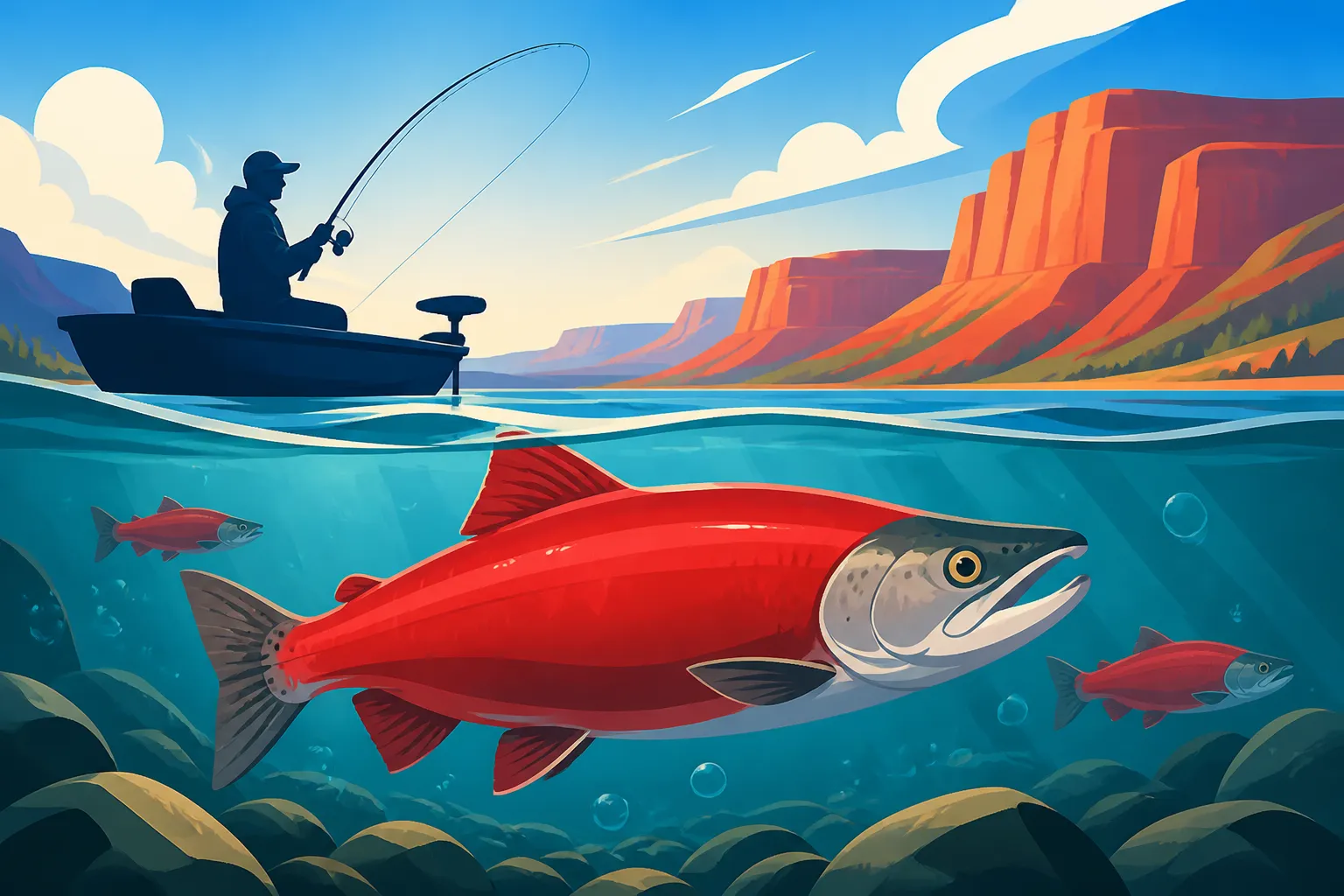
Kokanee salmon, a landlocked freshwater form of sockeye salmon, are truly unique in Wyoming's diverse fishery. They're often recognized by their silvery bodies, which can transform into a brilliant, almost shocking crimson during their spawning season. For many anglers, the appeal of kokanee isn't just their beauty or their tasty flesh, but the challenge they present. They can be incredibly finicky, making a successful kokanee trip feel like a hard-earned victory.
Identifying the Kokanee: A Distinctive Look
When you first pull a kokanee out of the water, especially early in the season, they're often a shimmering silver with a faint blue-green back. They typically have no spots on their backs or tails, which is a key differentiator from many trout species. As they mature and approach their spawning season, which usually happens in the fall, their appearance dramatically changes. Males develop a pronounced humped back and a hooked jaw (kype), and both sexes take on that iconic brilliant red-orange color, with green heads. Their meat is also distinct, a rich orange-red that is highly prized, much like their anadromous sockeye cousins.
It’s important to be able to tell them apart from other species, especially if you're fishing in waters where regulations might differ for various salmonids. Their smaller mouth, generally shorter lifespan, and lack of spots are good indicators. Keep an eye on the regulations booklet, as different species might have specific size or bag limits, and understanding Wyoming Fishing Regulations Every Angler Should Know is crucial before you even cast a line.
The Unique Life Cycle of Kokanee in Landlocked Waters
Unlike ocean-run sockeye salmon that migrate to the sea, kokanee spend their entire lives in freshwater lakes and reservoirs. However, they retain the strong anadromous instinct to spawn and die. Most kokanee in Flaming Gorge live for about three to four years. For much of their lives, they're pelagic, meaning they live in the open water column, feeding on zooplankton. This diet is what gives their flesh that distinctive orange color. As fall approaches, typically late September into October, the mature kokanee begin their final journey.
They'll migrate from the deep, open waters of Flaming Gorge into tributary streams or shallow shoreline areas to spawn. This is a one-time event for them, a truly spectacular and bittersweet display as they lay their eggs and then, having completed their life cycle, pass away. This predictable spawning run offers a unique fishing opportunity, but it also means understanding when and where they'll be found, as their behavior changes dramatically throughout the year. Knowing their life cycle helps immensely in anticipating their movements and feeding patterns.
Kokanee vs. Other Salmonids: What Makes Them Different?
While kokanee are part of the salmon family, they have distinct characteristics that set them apart from trout and other salmon species you might encounter in Wyoming. For one, their primary diet of zooplankton makes them particularly sensitive to water quality and prey availability, influencing their size and abundance year to year. They are also known for their incredibly soft mouths, which means a gentle touch is needed when fighting and landing them to avoid tearing the hook out. This delicate mouth, combined with their spirited fights, makes them a true test of an angler's skill.
Physiologically, they are smaller on average than many trout species found in the same waters, rarely exceeding 20 inches in Flaming Gorge, though some truly exceptional ones can push bigger. Their lack of teeth, especially compared to the sharp canines of lake trout, is another key difference. When you're fishing for kokanee, you'll often use specialized gear and techniques, like micro-sized dodgers and wedding rings, which are very different from the larger spoons and jigs you might use for the monstrous lake trout also lurking in Flaming Gorge. This distinction makes targeting kokanee a unique discipline within the broader spectrum of reservoir fishing.
Why Flaming Gorge is a Kokanee Haven
Flaming Gorge Reservoir, straddling the Wyoming and Utah border, is renowned for its world-class fishing, and kokanee salmon are a huge part of that reputation. The sheer size of the reservoir, its deep, cold waters, and abundant food sources create an ideal environment for these landlocked salmon to thrive. It's a vast expanse, and knowing why it's so good for kokanee helps you narrow down where to focus your efforts.
The Reservoir's Unique Ecosystem for Kokanee
Flaming Gorge isn't just big; it's a deep, oligotrophic (nutrient-poor) reservoir with a complex structure of submerged canyons, ledges, and open water. This provides exactly what kokanee need: vast expanses of deep, cold water where they can cruise for zooplankton, their primary food source. The reservoir’s immense volume acts as a giant incubator, maintaining stable water temperatures in its lower reaches even during the height of summer, which is crucial for a cold-water species like kokanee. The inflow from the Green River and other tributaries contributes to the nutrient cycling and plankton blooms that sustain the kokanee population.
Furthermore, the very clarity of Flaming Gorge's water, while beautiful, can make kokanee a bit spooky. This means your gear choices and presentation need to be spot-on. The depth and temperature stratification allow kokanee to move vertically, following their food and staying in their preferred temperature zone throughout the day and the seasons. This dynamic environment means successful kokanee fishing often involves a bit of detective work, monitoring water temperatures and depths.
History of Kokanee Introduction and Management
Kokanee salmon were intentionally introduced into Flaming Gorge Reservoir to create a new sport fishery and to provide a forage base for the large lake trout that also call the Gorge home. Their initial stockings were incredibly successful, leading to a booming population that quickly became a favorite target for many anglers. The Wyoming Game and Fish Department, in conjunction with Utah's wildlife agencies, actively manages the kokanee population through stocking programs, creel surveys, and regulatory adjustments to ensure a sustainable fishery. This collaborative management is key to keeping the kokanee numbers healthy.
For instance, the agencies might adjust How Bag and Possession Limits Work in Wyoming for kokanee based on population surveys, ensuring that enough fish survive to spawn naturally, while still providing ample opportunity for anglers. These ongoing efforts are why Flaming Gorge continues to be one of the premier kokanee destinations in the intermountain West, offering consistent fishing year after year. Understanding this history and the current management strategies helps you appreciate the efforts that go into maintaining such a vibrant fishery.
Prime Kokanee Locations Within Flaming Gorge
Flaming Gorge is huge, stretching over 90 miles, so saying "fish Flaming Gorge" isn't exactly specific advice for kokanee. Generally, kokanee prefer the larger, deeper basins of the reservoir. Key areas known for consistent kokanee action include the Buckboard Crossing area, the area near the pipeline, and the deep waters around the Dam itself. The open water north of Lucerne Valley and in the main channel is also productive.
During their non-spawning phases, kokanee are often found suspended in the water column, often congregating in large schools. They'll follow the zooplankton, which tend to be at specific depths depending on light penetration and water temperature. A good fish finder is an invaluable tool here, as it will help you locate these schools. As the spawning season approaches in the fall, they will start to stage closer to shorelines or near the mouths of tributary streams, like the Green River arm, where they will ultimately begin their spawning run. Anglers who focus on these known kokanee haunts and pay attention to their electronics tend to have the most success.
Seasonal Strategies for Kokanee Fishing
Fishing for kokanee salmon isn't a "one size fits all" endeavor at Flaming Gorge. Their behavior, depth, and even their preferred lures can change dramatically with the seasons. Understanding these shifts is crucial for consistently finding success.
Springtime Kokanee: Emerging Opportunities
As the ice recedes and spring truly takes hold at Flaming Gorge, kokanee begin to disperse from their deeper wintering grounds. In early spring, the water temperatures are still quite cold, and the kokanee may be found closer to the surface than later in the year, particularly in areas where the water warms slightly first. They're often hungry after the lean winter months. This is a great time to target them with light trolling gear, often in the upper 20-40 feet of the water column. Look for them in bays and along shallower ledges where plankton might be more abundant due to increased sunlight.
Many anglers find success by slow trolling small dodgers paired with wedding rings or small squid jigs, often tipped with a kernel or two of Shoepeg corn, which adds scent and visual appeal. The fish can be aggressive, making for some really fun fights. Pay attention to water clarity and adjust your lure colors accordingly – brighter colors often work well in cloudy water, while more natural hues might be better in clear conditions. Fishing Wyoming During Spring Runoff might affect tributary streams, but the main body of Flaming Gorge often remains quite fishable.
Summer's Deep Dive: Trolling Success
When summer heat settles over Flaming Gorge, the kokanee go deep. As the surface waters warm, they'll retreat to the thermocline – the layer of water where temperature changes rapidly – to find their preferred cold-water habitat and abundant plankton. This usually means they'll be suspended anywhere from 40 to 100 feet deep, sometimes even deeper. This is when downriggers become absolutely essential for consistent success. You need to present your lures at the exact depth where the fish are holding.
Slow trolling remains the most effective technique. Experiment with different depths, speeds, and lure combinations until you dial into what the fish prefer on any given day. Popular summer kokanee lures include small dodgers or flashers paired with mini squid or hoochie jigs, often in pink, orange, or green, again tipped with corn. The "stacking" technique, where multiple lines are run at different depths from a single downrigger, can be very effective for finding the sweet spot. Many anglers spend hours refining their Trolling Techniques for Wyoming Reservoirs to master summer kokanee fishing.
Fall's Fiery Show: Spawning Behavior
Late summer and early fall bring a dramatic shift in kokanee behavior as they mature and begin their spawning run. This is when their silver bodies transform into striking reds and greens. As the water cools, the kokanee will start moving towards tributary streams or specific shallow shoreline areas within the reservoir. Their primary focus shifts from feeding to reproduction, making them harder to entice with traditional baits. However, they can become very aggressive and territorial as they prepare to spawn.
During this period, targeting them near the mouths of streams or in shallower, rocky areas can be productive. While they might not be actively feeding, they will strike out of aggression. Brighter, more erratic lures can sometimes trigger a reactionary strike. This is also when you'll notice a lot of natural mortality as the fish complete their life cycle. It's an incredible time to observe nature, but fishing can be more challenging. Remember to check local regulations carefully, as some areas or specific times might have restrictions during the spawning period to protect the fragile egg beds.
Essential Gear and Techniques for Kokanee
Kokanee salmon, with their soft mouths and peculiar feeding habits, demand specific gear and finesse from anglers. You can't just throw out any old tackle and expect consistent success. Investing in the right equipment and understanding the nuances of their behavior will drastically improve your catch rate at Flaming Gorge.
Specialized Rods, Reels, and Line for Kokanee
For kokanee, the general rule is lighter is better. You'll want a sensitive rod that can detect the subtle bites, but also has enough flex to absorb the shock of a head shake from a soft-mouthed fish. A light to medium-light action trolling rod, often 7-8 feet in length, with a soft tip and good backbone, is ideal. Many anglers opt for fiberglass rods or composite rods designed specifically for kokanee, as their softer action helps prevent hooks from tearing out.
Pair this with a small, level-wind baitcasting reel or a spinning reel spooled with 8-10 pound monofilament or fluorocarbon line. Monofilament offers a bit more stretch, which can be forgiving with soft-mouthed kokanee. If you prefer braided line for its sensitivity, consider adding a long fluorocarbon leader (10-20 feet) to provide some shock absorption and invisibility in the clear waters. The key is balance – a setup that's light enough to feel the fish, but strong enough to handle its fight. Checking for reviews on Amazon for popular kokanee rods and reels can give you a good starting point.
Top Lures, Baits, and Scents That Entice Kokanee
Kokanee are primarily plankton eaters, so they aren't looking for big, flashy meals. Instead, they are drawn to subtle movements, small profiles, and bright, often iridescent colors. Dodgers and flashers are critical components of a kokanee setup; these metal or plastic plates create an enticing erratic action and flash that attracts kokanee from a distance. They don't have hooks themselves but are rigged 12-24 inches in front of a small lure.
Popular lures to trail behind the dodger include:
- Wedding Rings: Small, rotating blades with beads, often tipped with corn.
- Hoochie or Squid Jigs: Tiny, soft plastic squid or tube baits, typically 1-2 inches long, in vibrant colors like pink, orange, green, or chartreuse.
- Small Spoons: Tiny trolling spoons that flutter and dart.
The "secret sauce" for many kokanee anglers is scent. Tipping your lure with two or three kernels of Shoepeg corn (which is firmer and stays on the hook better) soaked in a commercial kokanee attractant or a garlic scent is highly recommended. The corn adds visual appeal, texture, and a platform for scent. Without this added scent and bait, your chances of success drop significantly. Keep a variety of colors and sizes on hand, as kokanee can be incredibly picky from day to day, and even hour to hour.
Effective Trolling and Jigging Strategies
Trolling is by far the most popular and effective method for kokanee at Flaming Gorge. Precision is key. You'll want to troll very slowly, typically between 0.8 and 1.5 miles per hour. This speed allows your dodger and lure to work correctly without spinning too fast or too slow. Downriggers are essential for getting your lures to the exact depth where the kokanee are holding. Watch your fish finder diligently to identify schools and individual fish, then set your lines to that specific depth.
Experiment with different trolling patterns – S-curves, zig-zags, and sudden turns can cause your dodger and lure to speed up or slow down momentarily, often triggering a strike from following fish. A line counter reel is invaluable for tracking your depth when not using a downrigger, or for knowing how much line is out behind your downrigger release.
While trolling is dominant, jigging can also be effective, especially when kokanee are schooling tightly or during their pre-spawning phases in shallower areas. Small, flashy jigs dropped directly into schools identified on your fish finder can sometimes provoke a bite. A technique called "mooching," which involves slowly raising and lowering a weighted bait, can also work when the fish are less active. Regardless of the method, constant vigilance and willingness to adjust are the hallmarks of a successful kokanee angler.
Regulations and Conservation for Flaming Gorge Kokanee
Fishing in Wyoming, especially for specific species like kokanee salmon, always comes with a set of rules and a responsibility to conservation. Understanding and following these regulations ensures that the Flaming Gorge kokanee fishery remains healthy and abundant for future generations of anglers. It’s not just about avoiding fines; it’s about being a good steward of our natural resources.
Understanding Bag and Possession Limits
The Wyoming Game and Fish Department, along with Utah's Division of Wildlife Resources, sets specific bag and possession limits for kokanee salmon at Flaming Gorge. These limits can change from year to year based on population surveys and management goals, so it’s absolutely vital to check the current year's regulations booklet before you head out. Typically, there's a daily creel limit (how many you can keep per day) and a possession limit (how many you can have on your person or in your vehicle at any given time). These limits are in place to ensure a sustainable harvest, allowing enough fish to survive and reproduce.
For example, the daily limit for kokanee might be 10 fish, with a possession limit of 20. This means you can catch and keep up to 10 fish in a single day, but if you've already accumulated 20 fish from previous trips, you cannot legally possess any more until some have been consumed or processed. Always refer to Wyoming Fishing Regulations Every Angler Should Know or the specific Flaming Gorge regulations section. Ignorance of the law is never an excuse, and game wardens patrol these popular waters regularly.
Responsible Catch and Release Practices
While kokanee are excellent eating fish, sometimes you might catch a fish you don't intend to keep, or you might have already met your limit. Practicing responsible catch and release is important for the health of the fishery. Kokanee, like many salmonids, can be delicate. If you plan to release a fish:
- Handle with care: Minimize handling, especially when the fish is out of the water.
- Wet hands: Always wet your hands before touching the fish to protect its protective slime coat.
- Use barbless hooks: Consider using barbless hooks, or crimp down the barbs on your lures. This makes unhooking much easier and less damaging to the fish. You can find quality pliers for this on Amazon.
- Revive gently: If the fish seems stressed, hold it gently in the water, facing into the current, until it regains its strength and can swim away on its own.
Avoiding long fights with light gear, especially if you know you're over your limit or plan to release, also helps reduce stress on the fish. These small actions contribute significantly to the overall health and vitality of the kokanee population.
Contributing to Kokanee Conservation Efforts
Beyond simply following regulations, there are other ways anglers can contribute to kokanee conservation. Participating in angler surveys, which are sometimes conducted by Game and Fish personnel at boat ramps, provides valuable data that helps biologists manage the fishery. Reporting any unusual fish diseases, invasive species sightings (like zebra or quagga mussels, which could devastate the ecosystem), or instances of poaching helps protect the resource. How Wyoming Sets In-Season Emergency Closures highlights the importance of keeping an eye on official announcements, as unforeseen circumstances might require temporary closures or regulation changes to protect fish populations.
Clean boating practices are also essential. Always clean, drain, and dry your boat, trailer, and gear after every trip to prevent the spread of aquatic invasive species. Even tiny organisms can hitch a ride and cause irreparable harm to an ecosystem. By being proactive and mindful, we can all help ensure that Flaming Gorge continues to offer fantastic kokanee fishing for years to come.
Tips for a Successful Flaming Gorge Kokanee Trip
A successful day of kokanee fishing at Flaming Gorge is often the result of good preparation, a bit of local knowledge, and a willingness to adapt. This isn't just about the fish; it's about enjoying the entire experience on one of Wyoming's most stunning bodies of water.
Monitoring Water Conditions and Reports
Before you even hitch up the boat, it's a great idea to check current conditions. Water temperature, clarity, and recent weather patterns can all influence where kokanee are holding and what they're biting on. Websites from the Wyoming Game and Fish Department or local marinas often provide updated fishing reports that can give you a crucial edge. These reports might tell you what depth the fish are being caught at, what colors are working, and even if there's been a recent plankton bloom that's got them feeding actively.
Pay attention to historical data too. If How Water Temperature Changes Wyoming Trout Behavior is consistent year over year, similar patterns for kokanee might emerge. Online fishing forums and social media groups dedicated to Flaming Gorge fishing can also be a goldmine of real-time information from fellow anglers. Just remember to take everything with a grain of salt and confirm with official sources where necessary. Being informed allows you to tailor your strategy before you even launch.
Hiring a Guide: Local Expertise
If you're new to Flaming Gorge, or new to kokanee fishing in general, one of the best investments you can make is hiring a reputable local fishing guide. These professionals spend countless hours on the water and possess an intimate knowledge of the reservoir, current fish patterns, and effective techniques. They can quickly put you on fish, teach you the nuances of kokanee trolling, and help you understand the specific characteristics of Flaming Gorge.
A good guide will provide all the specialized gear, know the exact depths to target, and often have the latest intel on what lures and scents are currently producing. They can also provide valuable insights into things like boat handling on a large reservoir, safety tips, and even help you understand Do You Need Your Own Fishing License for a Guided Trip? and other local regulations. Even for experienced anglers, a guided trip can cut down the learning curve significantly and greatly increase your chances of a successful day. Many excellent guides operate out of the Buckboard Crossing, Lucerne, or Manila areas.
Packing for a Full Day on the Water
Flaming Gorge is a big place, and a full day of fishing means you need to be prepared for everything. Beyond your fishing gear and a valid Wyoming Fishing License Guide for Nonresidents (if you're visiting from out of state), here's a checklist of essentials:
| Category | Items | Notes |
|---|---|---|
| Personal Comfort | Sunscreen, sunglasses, wide-brimmed hat | The Wyoming sun can be intense, even on cloudy days. Protect yourself! |
| Layers of clothing (rain gear, warm jacket, light shirt) | Weather can change rapidly. Be ready for anything from a hot sun to a sudden squall. | |
| Plenty of water and snacks/lunch | Hydration is key. Pack more than you think you'll need. | |
| Safety & Navigation | First-aid kit | For minor cuts, scrapes, or emergencies. |
| Cell phone (fully charged) or satellite communicator | Service can be spotty in some areas; have a backup. | |
| VHF radio (for boaters) | Crucial for emergency communication on large bodies of water. | |
| Navigation charts/GPS | Even with a fish finder, knowing the terrain and depths is essential. | |
| Fishing Specifics | Cooler with ice for your catch | Keep those delicious kokanee fresh! |
| Landing net (rubberized, fish-friendly) | Essential for gently landing soft-mouthed kokanee. | |
| Pliers (for hook removal and crimping barbs) | ||
| Extra lures, dodgers, leaders, corn, and scent | You'll want options and backups. |
A comfortable chair, a good book, or even a camera to capture the stunning scenery can also enhance your trip. What to Bring on a Guided Wyoming Fishing Trip provides a more general overview, but for kokanee specifically, attention to bait, scent, and weather protection is paramount. Being well-equipped means you can focus on the fishing and truly enjoy the beauty and challenge that Flaming Gorge offers.
Disclaimer
This article is for general informational purposes only and does not constitute professional advice. Laws, prices and regulations vary by location and change over time. Consult a qualified professional for guidance on your specific situation.