Which Wyoming Fish Species Are Protected
Navigating Wyoming's vast and diverse waters is an incredible experience, but it comes with a responsibility: understanding and respecting the delicate balance of its aquatic ecosystems. Many anglers, myself included, have felt that little knot of anxiety wondering if we're doing everything right, especially when it comes to the unique and sometimes vulnerable fish species that call the Cowboy State home. This guide will walk you through which Wyoming fish species are protected, what that protection entails, and how you can be a thoughtful steward of these incredible natural resources.
Understanding "Protected" in Wyoming Fisheries
When we talk about "protected" fish species in Wyoming, it's not always as simple as a species being on an endangered list. The term can encompass a broader range of management strategies by the Wyoming Game and Fish Department (WGFD) designed to conserve, recover, or enhance certain fish populations. This might mean stringent catch-and-release rules, specific bag limits, gear restrictions, or even habitat restoration efforts. It's all about ensuring these fish not only survive but thrive for generations to come.
What "Protected" Truly Means Beyond Just Endangered
For some species, "protected" might indeed mean they are listed as threatened or endangered under state or federal law, making it illegal to intentionally harm or harvest them. The most common example of this is certain subspecies of cutthroat trout. However, the designation can also apply to species that are ecologically significant, rare in certain habitats, or culturally important. The WGFD might implement protective measures even for species not federally listed, simply because their populations are vulnerable or because they are critical to the health of a specific ecosystem.
For instance, you might encounter waters with "catch-and-release only" rules for certain trout species, even if that species isn't broadly endangered across the state. This localized protection helps create trophy fisheries or allows vulnerable populations to rebuild. It's a nuanced approach that addresses specific needs in specific places, rather than a blanket declaration for an entire species across all waters. Anglers need to understand that even popular game fish can have protected populations in particular stretches of river or high-alpine lakes.
How Regulations Serve as a Form of Protection
Regulations aren't just there to make your life harder; they are the primary tool the WGFD uses to implement protection. Think of bag and possession limits: they directly control how many fish an angler can keep, preventing overharvest and allowing fish populations to sustain themselves. How Bag and Possession Limits Work in Wyoming is a great resource to dive deeper into this. Size restrictions, like the "one over 16 inches" rule on some trout streams, protect larger, breeding-age fish, ensuring they have the chance to reproduce and contribute to the next generation. How Many Trout Over 16 Inches You Can Keep in Wyoming explains this concept in detail.
Gear restrictions are another vital protective measure. On certain sensitive waters, you might find regulations requiring single, barbless hooks, or prohibiting bait. This reduces mortality rates for fish that are caught and released, as barbless hooks cause less damage and are easier to remove. Imagine hooking a beautiful cutthroat with a barbed treble hook versus a single barbless hook – the difference in injury is significant. These types of rules are often implemented where fish populations are fragile or where they want to maintain a high-quality catch-and-release fishery.
| Regulatory Tool | Purpose for Protection | Example (General) |
|---|---|---|
| Bag & Possession Limits | Prevents overharvest; ensures breeding stock remains | Limiting daily take to a few fish per species |
| Size Restrictions | Protects juvenile fish to grow or large, spawning adults | "No take under 12 inches" or "only one over 16 inches" |
| Gear Restrictions | Reduces mortality of released fish; prevents illegal methods | Barbless hooks, artificial lures only, bait restrictions |
| Seasonal Closures | Protects fish during vulnerable periods like spawning | Rivers closed during fall trout spawning runs |
| Water-Specific Rules | Addresses unique needs of particular habitats or populations | Catch-and-release only on specific river sections |
| Area Closures | Protects critical habitats or allows recovery in stressed areas | Temporary closures due to low water or disease |
The Role of Conservation Organizations in Species Protection
Beyond state management, numerous conservation organizations play a crucial role in protecting Wyoming's fish species. Groups like Trout Unlimited, Federation of Fly Fishers, and local angling clubs often partner with WGFD on habitat restoration projects, research, and public education initiatives. They might volunteer to improve spawning habitat, conduct fish counts, or advocate for policies that protect critical waterways.
These organizations often rely on membership fees, donations, and grant funding to carry out their work. They are the boots on the ground, engaging with communities and ensuring that the public understands the importance of these species. For example, they might organize river clean-ups, educate anglers on how to properly handle fish for catch and release, or even contribute financially to projects that remove fish barriers or restore riparian zones. When you purchase fishing gear, say from an outdoor retailer or even through online sites like Amazon, consider if a portion of the sale supports conservation efforts – it's a small way to contribute to the bigger picture.
Key Protected and Sensitive Fish Species in Wyoming
Wyoming is home to a spectacular array of fish, but a few species and subspecies stand out as particularly sensitive or subject to specific protective measures. Understanding these is key to being a responsible angler.
Native Cutthroat Subspecies: The Crown Jewels of Wyoming Waters
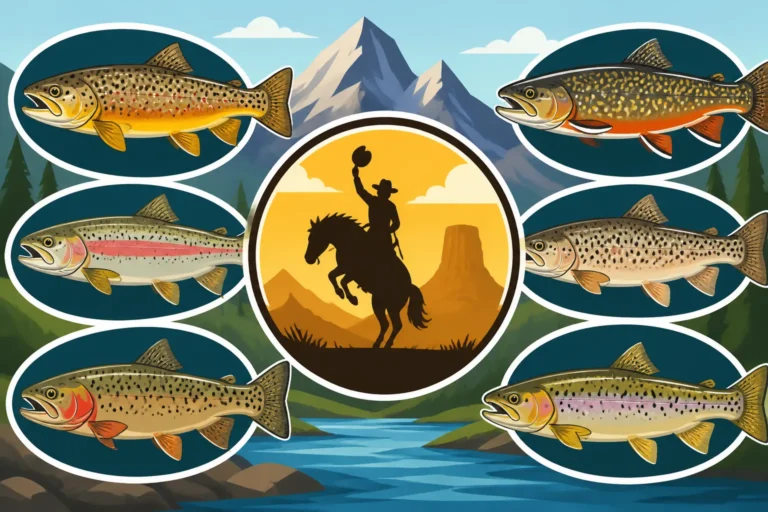
Wyoming is unique in that it's home to four subspecies of native cutthroat trout: the Yellowstone, Snake River Fine-Spotted, Bonneville, and Colorado River cutthroat. These fish are not just beautiful; they are ecological indicators and a vital part of Wyoming's natural heritage. Many anglers consider catching a native cutthroat a true trophy, often practicing catch-and-release to ensure their survival.
The Yellowstone Cutthroat Trout is perhaps the most famous, and it's even Wyoming's state fish. Wyoming's State Fish: The Yellowstone Cutthroat delves into its significance. While not federally listed as endangered, its populations have faced challenges from habitat degradation, hybridization with non-native trout, and competition/predation from introduced species like lake trout, especially in iconic waters like Yellowstone Lake. Because of these threats, many waters within its native range have special regulations, including catch-and-release rules or specific harvest limits. For instance, in Yellowstone Lake itself, you're actually required to keep any lake trout you catch to help protect the native Yellowstone Cutthroat. Why Lake Trout Are Considered a Problem in Yellowstone Lake explains this complex dynamic. Anglers need to be adept at Identifying a Yellowstone Cutthroat Trout to ensure they are following the rules.
The Snake River Fine-Spotted Cutthroat Trout is another celebrated native. Found in the Snake River drainage, these fish are prized for their beauty and spirited fight. While generally robust, efforts are continuously made to preserve their genetic integrity and habitat. Regulations often focus on protecting their spawning grounds and minimizing impacts from development. Catch-and-release is widely encouraged, and specific areas might have restrictive limits to maintain high-quality populations. Snake River Fine-Spotted Cutthroat Trout provides a deeper look at this distinct subspecies.
The Bonneville Cutthroat Trout is primarily found in the Bear River drainage in southwestern Wyoming. This subspecies faced severe declines in the past and is a species of special concern, with significant recovery efforts underway. Angling regulations in these waters are often very conservative, sometimes requiring catch-and-release only to aid their recovery.
The Colorado River Cutthroat Trout occupies drainages in western and southwestern Wyoming, particularly in the Green River and Little Snake River systems. Similar to the Bonneville, it has experienced significant range reductions due to habitat loss and hybridization. Active conservation programs are in place, and anglers will find restrictive regulations in the waters where these precious fish still exist, again often emphasizing catch-and-release.
For all native cutthroat subspecies, proper fish handling during catch and release is paramount. Always wet your hands before touching the fish, minimize time out of water, and use tools like a rubber-mesh net (available on Amazon) to reduce stress and injury.
Other Species Under Special Management: From Golden Trout to Bull Trout
While cutthroat trout often steal the spotlight for protection, other species also receive specific management attention.
Golden Trout are a prime example. These dazzling fish are native to California but were introduced to many high-alpine lakes in Wyoming, often via aerial stocking. They thrive in these remote, pristine environments. Because of their limited habitat, slow growth rates, and popularity, many golden trout fisheries are managed with very conservative limits, often catch-and-release, to ensure these populations remain viable and offer a unique angling experience. Golden Trout Fishing in Wyoming discusses the allure of these high-country gems. If you're hiking into one of these lakes, having the right gear, perhaps some ultralight backpacking fishing rods or a compact tackle box from Amazon, is essential, and always check the local regulations before you cast.
Bull Trout are another significant protected species, though their presence in Wyoming is extremely limited, primarily to the headwaters of the Snake River drainage. Federally listed as a threatened species, bull trout are strictly protected wherever they are found. Catching a bull trout is a rare event, and if you do, it must be immediately released unharmed. Anglers need to be able to identify a bull trout. Release any char-like fish that doesn't look like a lake trout, just in case.
Beyond these, localized populations of Arctic Grayling might also receive special management in waters where they have been introduced. These beautiful sail-finned fish are sensitive to environmental changes and often managed with restrictive harvest to maintain viable populations for future generations to enjoy.
Species of Concern (Not Strictly Protected, but Monitored)
It's not just about what's "protected" in the strictest sense; many other native fish species are considered "species of concern" or are actively monitored by the WGFD due to declining populations or threats to their habitat. While you won't typically find specific angling regulations like "catch-and-release only" for these species, it's crucial to be aware of them.
Examples include native minnows, suckers, and whitefish. While often overlooked by anglers targeting trout or walleye, these fish play critical roles in the aquatic food web. Accidentally catching one of these non-game species, especially a larger one, might happen. The best practice is to release them gently and quickly. Educating yourself about Wyoming's diverse native fish, not just the popular game species, helps foster a broader appreciation for the health of our aquatic ecosystems.
Navigating Regulations to Protect Fish
Being an informed angler is your best tool for protecting Wyoming's fish species. The responsibility falls on each of us to know the rules and apply best practices. It's not just about avoiding a fine; it's about preserving the magic of Wyoming fishing for everyone.
Always Check Current Regulations: They Change!
This cannot be stressed enough: always consult the most current Wyoming Fishing Regulations booklet before you head out. Regulations are dynamic; they can and do change year to year, and sometimes even in-season due to environmental factors like drought or disease. What was legal last year might not be this year, or what applies to one river might be completely different for a lake just down the road.
The WGFD website is the absolute best place to get the most up-to-date information. They typically publish a new regulation booklet annually, and any emergency changes are posted there as well. Physical copies of the booklet are usually available wherever licenses are sold. Take the time to Reading the Wyoming Fishing Regulations Booklet properly, focusing on the water-specific regulations for your intended fishing spot. This diligence prevents accidental violations and ensures you're fishing responsibly.
Catch-and-Release Best Practices: Your Direct Contribution
For many of Wyoming's protected or sensitive fish species, catch-and-release is the cornerstone of conservation. But just releasing a fish isn't enough; it's how you release it that truly matters. A poorly handled fish, even if it swims away, might die later from stress or injury.
Here are some crucial catch-and-release best practices:
- Minimize Fight Time: Bring the fish in as quickly as possible without over-stressing your tackle. A prolonged fight can exhaust the fish to the point where it can't recover.
- Keep 'Em Wet: The absolute golden rule. Try to unhook the fish while it's still in the water, or at least barely lift it for a quick photo. Laying a fish on dry rocks or dirt strips its protective slime coat, making it vulnerable to disease.
- Wet Your Hands: If you must handle the fish, wet your hands thoroughly first. This also protects their slime coat.
- Use Barbless Hooks: This significantly reduces injury and makes unhooking much faster. If your hooks are barbed, you can easily crimp the barb down with a pair of pliers. Many experienced anglers buy their hooks or even flies with barbless designs from retailers like Amazon specifically for this reason.
- Use the Right Tools: A pair of needle-nose pliers or hemostats is invaluable for quickly removing hooks. A rubber-mesh landing net is also a great investment as it's much gentler on a fish's fins and slime than knotted nylon nets.
- Support the Fish Properly: If you lift a fish, especially a larger one, support its weight horizontally. Don't hold it vertically by the jaw or tail, which can damage its internal organs or spinal column.
- Revive, Don't Just Release: Hold the fish gently in the water, facing upstream, allowing water to flow over its gills. If it's a river, find a slower current. When it starts kicking strongly and tries to swim away from your hands, then you know it's ready. How to Handle a Trout to Keep It Alive After Release provides a detailed guide on this.
Practicing these techniques makes you an active participant in protecting Wyoming's fisheries.
Reporting Violations and Invasive Species
You are another set of eyes and ears on Wyoming's waters. If you witness a fishing violation—someone clearly exceeding limits, using illegal gear, or fishing in a closed area—don't confront them directly. Instead, discreetly note details like vehicle descriptions, license plates, physical descriptions, and the specific location, then report it to the WGFD. Their Stop Poaching hotline is easily found on their website and in the regulations booklet. Protecting these fish often requires intervention, and your report can make a difference. How to Report a Fishing Violation in Wyoming is a good resource if you ever find yourself in this situation.
Even more critical is reporting invasive species. Species like zebra mussels, quagga mussels, New Zealand mudsnails, and certain invasive fish (e.g., rusty crayfish in other states, though not a huge issue in Wyoming's fish) can decimate native populations and alter entire ecosystems. If you see anything suspicious—unusual organisms clinging to rocks, or fish species in waters where they shouldn't be—report it immediately. The WGFD has strict boat inspection protocols to prevent the spread of aquatic invasive species. Invasive Fish Species Wyoming Anglers Should Report is a critical article for any responsible boater or angler. Always remember to Clean, Drain, and Dry your boat and gear after every outing to prevent spreading these harmful invaders.
Why Protecting Wyoming's Fish Matters to Everyone
The health of Wyoming's fish populations extends far beyond just anglers. It's woven into the fabric of the state's natural beauty, its economy, and its identity. Protecting these species is an investment in our collective future.
Ecological Balance: A Healthy Ecosystem for All
Every fish species, from the tiniest minnow to the largest lake trout, plays a role in the intricate web of life within an aquatic ecosystem. Native cutthroat trout, for example, are a food source for eagles, osprey, bears, and otters. They also consume aquatic insects, helping to regulate insect populations. When one species is removed or significantly impacted, it can have ripple effects throughout the entire food chain, impacting everything from water quality to the health of terrestrial wildlife that relies on these resources.
Protecting sensitive species isn't just about saving a single type of fish; it's about safeguarding the biodiversity that makes Wyoming's natural environment so resilient and vibrant. A healthy fish population indicates a healthy river or lake, and that benefits all species, including humans, who rely on clean water.
Economic and Recreational Value: More Than Just a Hobby
Fishing is a massive draw for tourism in Wyoming. Anglers from all over the world come to experience its blue-ribbon trout streams and pristine mountain lakes. This tourism supports local economies through guided trips, lodging, restaurants, gas stations, and tackle shops. When you buy your Wyoming Fishing License Guide for Nonresidents or even a new fly box from a local shop, you're directly contributing to the state's economy.
The opportunity to catch a native cutthroat or a high-alpine golden trout is a huge part of Wyoming's appeal. If these protected populations dwindle, so does the draw for these anglers, impacting the livelihoods of countless individuals and businesses. The efforts to protect these species are directly tied to sustaining this vital economic engine and ensuring that the incredible recreational opportunities remain available for everyone.
Preserving a Legacy: For Future Generations
Ultimately, protecting Wyoming's fish species is about legacy. It's about ensuring that your children, grandchildren, and generations to come will have the same, or even better, opportunities to experience the thrill of a wild trout tugging on the line, or the serene beauty of a high mountain lake teeming with golden trout. It's about maintaining the wild character of Wyoming that so many cherish.
Every regulation, every conservation effort, and every careful catch-and-release is a step towards preserving this natural heritage. It allows the intricate natural processes to continue, giving future anglers the chance to connect with nature in the same profound ways we do today. By understanding and actively participating in the protection of Wyoming's sensitive fish species, you're not just fishing; you're helping to write the next chapter of conservation for one of the most wild and beautiful places on Earth.
Disclaimer
This article is for general informational purposes only and does not constitute professional advice. Laws, prices and regulations vary by location and change over time. Consult a qualified professional for guidance on your specific situation.