Easiest Fish to Catch in Wyoming
There's nothing quite like the feeling of anticipation when you cast your line into Wyoming's pristine waters, but let's be honest: sometimes you just want to catch something. The fear of a "skunked" trip, especially when you've got eager kids or are new to angling yourself, can be a real buzzkill. This guide is all about setting you up for success, focusing on the most approachable fish species in Wyoming that offer a high probability of a bite, so you can build confidence and truly enjoy your time on the water.
Why "Easy" Matters: Building Confidence on the Water
Fishing in Wyoming can be intimidating. You see all these photos of giant trout being pulled from famous rivers, and it's easy to feel like you need decades of experience or a fancy guide to even get a nibble. But that's just not true! Starting with fish that are more cooperative is the best way to develop skills, understand fish behavior, and most importantly, have a great time.
The Frustration of the Skunked Trip
We've all been there. You pack up the car, drive for hours, get to that perfect-looking spot, and… nothing. Cast after cast, hour after hour, and not even a single tug on the line. The disappointment can be crushing, especially when you've built up the excitement. This kind of experience can make you question your abilities or even make you want to give up on fishing altogether. Wyoming's waters are abundant, but some species and locations demand a much steeper learning curve, and diving headfirst into those can lead to those frustrating blank days. It’s a totally normal part of fishing, but it's not where you want to start if you're trying to foster a love for the sport.
Making Fishing Fun for Everyone, Especially Kids
If you're introducing someone new to fishing, particularly children, early success is absolutely paramount. There's a magic in that first fish, no matter how small. It sparks joy, fosters curiosity, and makes them want to keep trying. Dragging a child along on a trip where they don't catch anything can quickly turn them off to fishing forever. By targeting easier-to-catch species, you're not just increasing your chances; you're creating positive memories and fostering a lifelong hobby. Think about those family trips where everyone, from grandpa to the littlest one, gets to feel that thrill of a fish on the line. That's the goal! For more tips on getting the youngsters involved, check out How to Teach a Kid to Fish in Wyoming.
Top Contenders for Easiest Catch: Our Go-To Species
When you're looking for a reliable bite in Wyoming, some fish species are simply more obliging than others. These are the ones that are often plentiful, less finicky, and found in easily accessible locations.
Stocked Rainbow Trout: The Ultimate Beginner Fish
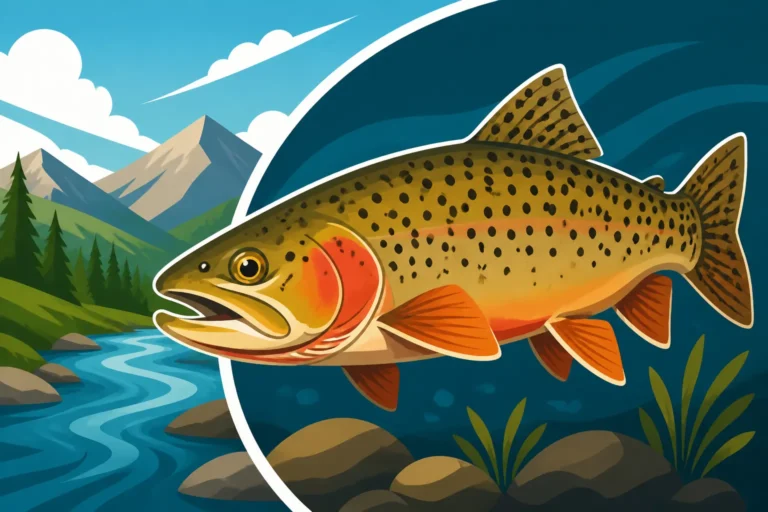
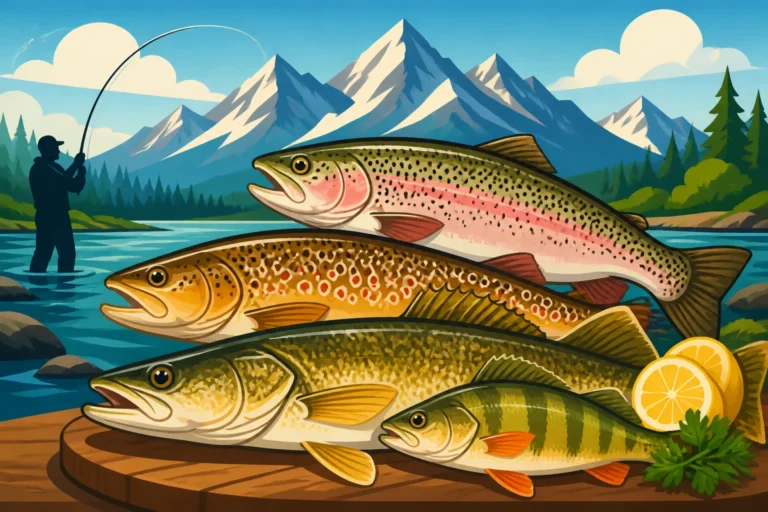
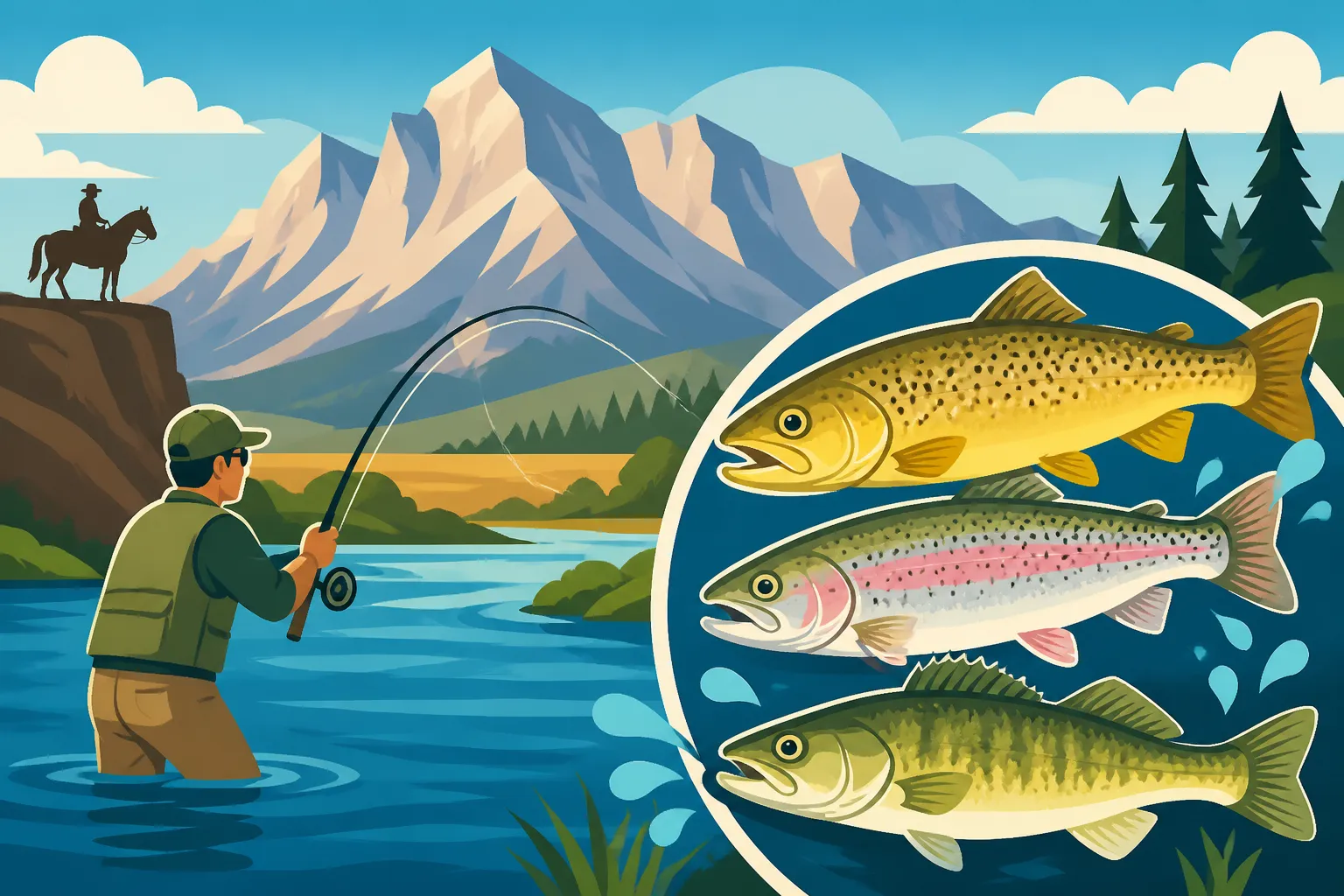
If there's one fish that epitomizes "easy to catch" in Wyoming, it's the stocked rainbow trout. These aren't the elusive, wild, river-dwelling trout that demand perfect presentations and stealthy approaches. These are hatchery-raised fish, accustomed to being fed and often eager to bite. The Wyoming Game and Fish Department does a fantastic job stocking countless ponds, lakes, and slower-moving rivers across the state, specifically to provide angling opportunities for everyone.
These fish are put into waters that are often easy to get to, sometimes even in urban parks or designated "kids fishing" ponds. They're not picky eaters either, having grown up on fish pellets. This makes them highly susceptible to simple baits like PowerBait, corn, or even just a piece of worm. They're often found in large numbers, meaning if you find one, you'll likely find more. Targeting stocked rainbows is the quickest way to put a bend in your rod and a smile on your face. You can learn more about these programs in Wyoming's Stocked Rainbow Trout Program.
Yellow Perch: Feisty and Plentiful Panfish
Don't let their smaller size fool you; yellow perch are an absolute blast to catch, and they are incredibly abundant and cooperative in many Wyoming reservoirs and lakes. These feisty panfish are schooling fish, meaning if you catch one, you've likely found a whole group! Their aggressive nature and willingness to hit a variety of simple baits and lures make them a fantastic target for anglers of all skill levels.
Perch love to hang out around submerged vegetation, drop-offs, and structure, but they don't require super deep water or complex tactics. Many anglers find them in shallower bays and coves. The thrill of getting repeated bites, sometimes one after another, is addictive, and they provide excellent action, especially for children who might get bored waiting for a single, large fish. Plus, they're delicious! For more on these striped beauties, take a look at Perch Fishing in Wyoming.
Brook Trout: High-Altitude Delights for the Patient Angler
Now, "easy" can sometimes mean a little bit of effort to get to the location, and that's where brook trout come in. While they might require a short hike into a high-mountain lake or stream, once you're there, these beautiful, colorful fish are often incredibly eager to bite. They tend to be less pressured in these remote environments and are often not as wary as their larger trout cousins in more popular fisheries.
Brook trout are usually found in smaller sizes, making them perfect for light tackle and simple presentations. They'll readily take small spinners, tiny dry flies, or a simple worm drifted through a pool. The reward isn't just the catch itself, but the stunning, serene surroundings you'll experience in Wyoming's backcountry. It’s an easy catch in an unforgettable setting. If you're keen on exploring these smaller, vibrant fish, our guide to Brook Trout Fishing in Wyoming has more details.
Gear and Techniques for Guaranteed Success
You don't need a boatload of expensive, specialized gear to catch fish in Wyoming. In fact, for the easiest targets, keeping it simple is often the best strategy. The goal is accessibility and functionality, not breaking the bank.
The Bare Essentials: Keep it Simple, Silly
When you're just starting out or want to guarantee a bite, stripping down your gear to the absolute necessities makes the process less complicated and more enjoyable.
- Rod & Reel Combo: A basic, medium-light action spinning rod and reel combo will serve you perfectly. Look for something in the 5.5 to 7-foot range. These are versatile, easy to cast, and won't cost a fortune. You can find excellent beginner combos on platforms like Amazon, offering great value.
- Fishing Line: Spool your reel with 4 to 6-pound monofilament line. It's affordable, easy to tie, and strong enough for the fish we're targeting.
- Hooks: Small, sharp hooks are crucial. Size 8 or 10 Aberdeen or baitholder hooks are perfect for stocked trout and perch.
- Weights: A small assortment of split shot weights. These are little crimp-on weights that help get your bait down to where the fish are. Don't go too heavy; you want your bait to drift naturally.
- Bobbers: For visual confirmation of a bite, especially with kids, a simple clip-on bobber is invaluable. It also helps control the depth of your bait.
- Pliers/Forceps: Essential for safely removing hooks.
- Small Tackle Box: To keep your hooks, weights, and bobbers organized. Again, Amazon is a great place to pick up these basic items quickly.
Remember, the simpler your setup, the less there is to tangle, break, or worry about.
Easy Baits and Lures That Just Work
Forget trying to "match the hatch" or present a perfectly articulated fly. For the easiest fish in Wyoming, we're talking about baits and lures that are essentially irresistible.
- PowerBait (or similar dough baits): This is a stocked rainbow trout magnet. It comes in various colors and flavors, floats, and is designed to attract hatchery fish. Mold a small blob around your hook, just big enough to cover the point.
- Worms: The classic for a reason! Nightcrawlers or garden worms are universally appealing to trout, perch, and brook trout. Thread a small piece onto your hook.
- Corn: Surprisingly effective for stocked trout. Use a few kernels on a small hook. Make sure it's legal in the water you're fishing, as some waters restrict bait.
- Small Spinners: Lures like a Mepps Aglia or Panther Martin in sizes 0 or 1 are fantastic for active trout and perch. Their flashing blades and vibrations attract fish from a distance.
- Small Jigs: Tiny 1/32 to 1/8 ounce jigs, often tipped with a piece of worm or a small soft plastic grub, can be deadly for perch and brook trout.
The key with these is presentation: make it look easy to eat!
Simple Techniques: Cast, Wait, Reel
You don't need advanced casting techniques or complicated retrieves to get bites from these eager fish.
- Bank Fishing: Many of the best spots for easy fishing are accessible directly from the bank. Find a comfortable spot, make sure you have room to cast, and let the fish come to you. You don't need a boat or fancy waders.
- Using Bobbers: This is a fantastic technique, especially for beginners and kids. Set your bobber so your bait is suspended a foot or two off the bottom (or at a depth where you see fish activity). Cast it out, watch the bobber, and when it dips, set the hook! It takes all the guesswork out of "is that a bite?"
- Slow Retrieve for Spinners: When using spinners, a steady, slow retrieve is often all you need. The lure does the work. You want it to wobble and flash, not rocket through the water.
- Gentle Hook Sets: With smaller hooks and eager fish, a gentle, firm lift of the rod is usually all it takes to set the hook. No need for a dramatic "trout set" like you might see in fly fishing videos. You can learn more about getting started with the basics in Spin Fishing Techniques for Beginners.
Finding Your Easy Fishing Spot in Wyoming
Knowing what to fish for is only half the battle; knowing where to find them is the other! Wyoming offers a diverse landscape, and while some spots are famous for challenging trophy fish, many others are perfect for high-probability angling.
Stocked Ponds and Community Fisheries
These are truly your best bet for consistent action, especially with kids or if you're just starting out. The Wyoming Game and Fish Department (WGFD) actively manages numerous "put-and-take" fisheries across the state. These are often smaller, accessible ponds or lakes, typically stocked with eager rainbow trout. They're designed for exactly this purpose: to provide easy fishing opportunities.
The WGFD website is an invaluable resource. They often list recent stocking reports, which can tell you exactly when and where fish have been released. Many community parks, like those in Casper, Laramie, or Cheyenne, have designated fishing ponds that fall into this category. Look for signs of easy access, perhaps even fishing piers. These spots usually have very straightforward regulations, making your day even simpler. For specifics, look up Best Kids' Fishing Ponds in Wyoming to see what's near you.
Smaller Streams and High-Country Lakes
While requiring a bit more effort to reach, smaller streams and high-country lakes can be fantastic for finding eager brook trout and smaller cutthroat. These waters typically hold less fishing pressure than major rivers, and the fish, while not huge, are often very willing to strike. Think about streams that aren't on every fishing blogger's "top 10 list" – the ones you might find on a forest service map, often requiring a short walk or hike.
In these environments, learning to "read the water" becomes important, but it's not as complex as on a big river. Look for obvious holding spots like deeper pools, behind large rocks, or where a stream bends and creates a slower eddy. These are natural congregating points for fish. The fish here aren't as sophisticated as those in heavily-fished waters, making them more forgiving to novice anglers. You might also find these gems within our guide on How to Read Water When Trout Fishing.
When and Where to Check for "Hot" Spots
Local knowledge is king when it comes to finding easy fishing spots.
- Bait and Tackle Shops: Always, always, always stop at a local bait and tackle shop. These folks live and breathe fishing in their area. They can tell you what's biting, where, and what bait or lure is working best right now. They're often happy to point you toward an easy spot that might not get as much attention from serious anglers.
- Wyoming Game and Fish Department Website: The WGFD website is a goldmine. Beyond stocking reports, they often have weekly fishing reports for different regions, highlighting active fisheries. They also provide access to the current Wyoming Fishing Regulations Every Angler Should Know and Reading the Wyoming Fishing Regulations Booklet, which you can often purchase as a hard copy, or find on Amazon for a quick reference. Always check the regulations for your specific water body, as rules can vary wildly.
- Online Forums and Social Media Groups: Local fishing groups on social media platforms can be a great, informal source of real-time information. Just remember to take everything with a grain of salt and be respectful of others' secret spots!
Understanding the general flow of the seasons can also help. For example, spring and fall often present great opportunities in many waters, while summer might mean focusing on deeper areas or early morning/late evening bites. Check out Wyoming Fishing Seasons Month by Month for a broader overview. And don't forget to grab your Wyoming Fishing License Guide for Nonresidents or understand the Wyoming Resident Fishing License Cost before you head out!
To summarize these easy-to-target species and help you choose your next adventure, here's a quick table:
| Fish Species | Typical Habitat | Easiest Bait/Lure | Ease of Catch (1-5, 5 being Easiest) | Ideal For |
|---|---|---|---|---|
| Stocked Rainbow Trout | Ponds, lakes, slow rivers | PowerBait, worms, small spinners | 5 | Beginners, Families, High Action |
| Yellow Perch | Weedy lakes, shallow reservoirs | Worms, small jigs, minnows | 4 | Quantity, Kids, Pan-frying |
| Brook Trout | High mountain streams/lakes | Small dry flies, tiny spinners, worms | 3 | Solitude, Adventurers, Scenery |
Disclaimer
This article is for general informational purposes only and does not constitute professional advice. Laws, prices and regulations vary by location and change over time. Consult a qualified professional for guidance on your specific situation.