Fishing Wyoming’s Snake River Below Jackson Lake Dam
Trying to navigate the incredible fishing opportunities on Wyoming's Snake River, especially the often-intimidating waters below Jackson Lake Dam, can feel like you're trying to solve a complex puzzle without all the pieces. Anglers often struggle with understanding the unique dynamics of this tailwater fishery, from knowing the right techniques to deciphering ever-changing regulations. This comprehensive guide will arm you with the knowledge and strategies you need to confidently and successfully fish this iconic stretch of river, ensuring your next Wyoming fishing adventure is both fruitful and memorable.
The Unique Character of the Snake River Below Jackson Lake Dam
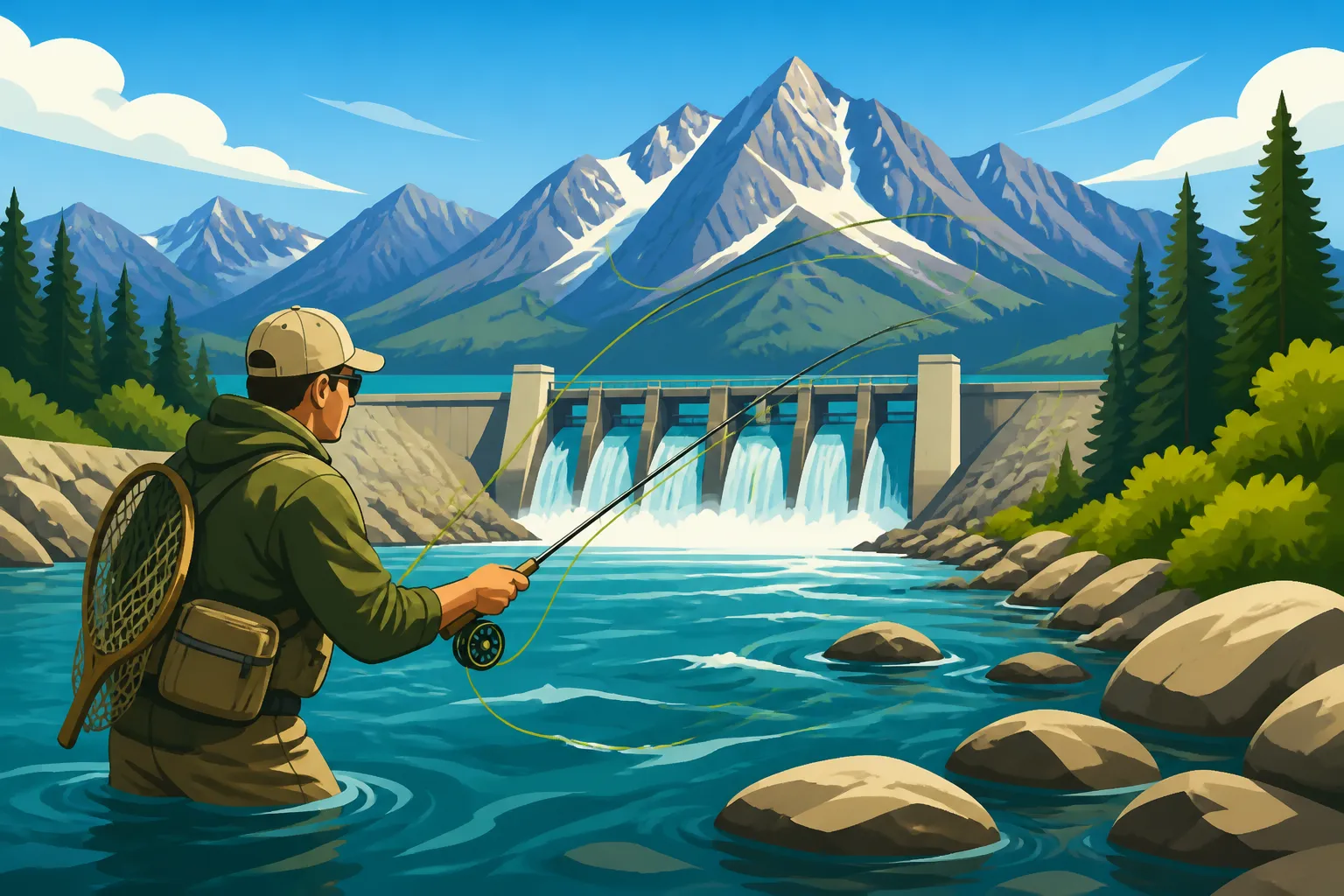
The Snake River, as it spills out from beneath the formidable Jackson Lake Dam, transforms into a tailwater fishery renowned for its cold, clear waters and abundant trout. This isn't just any river; it's a vibrant ecosystem heavily influenced by the dam's operation and the flow of the lake above. Understanding its distinct characteristics is crucial for anyone hoping to truly connect with its waters and the fish within.
Tailwater Dynamics and Water Flow
A tailwater fishery, by its very nature, is a river section located directly below a dam. The Jackson Lake Dam profoundly impacts the Snake River's flow, temperature, and insect life, creating a more stable and fertile environment for trout compared to freestone rivers that are entirely dependent on snowmelt and rainfall. The water released from the bottom of Jackson Lake is consistently cold, which is ideal for trout, particularly the native Snake River Fine-Spotted Cutthroat Trout. This consistent cold flow also means the river often stays fishable during times when other rivers might be blown out by high runoff or become too warm in late summer.
However, this stability can also fluctuate. The Wyoming Game and Fish Department, in coordination with other agencies, manages water releases for irrigation, hydropower, and flood control, meaning flows can change daily or weekly. Higher flows can spread fish out, making them harder to locate, and make wading more challenging, if not dangerous. Conversely, lower flows concentrate fish but can also make them warier. Keeping an eye on current flow data, usually available through the U.S. Geological Survey (USGS) websites, is an absolute must before heading out. This tailwater nature is a huge part of what makes the fishing so fantastic, but it also demands a bit of homework before you wet a line.
Geographical Features and Access Points
The stretch of the Snake River below Jackson Lake Dam winds its way through some truly breathtaking landscapes within Grand Teton National Park and beyond. From the dam, the river flows south through a mix of open meadows, cottonwood galleries, and braided sections. Key access points are scattered along Highway 89 and through the park. Popular spots include the Oxbow Bend area, often overlooked as a fishing spot but offering stunning views and decent fishing, and further downstream, the areas around Pacific Creek and Deadman's Bar.
Within Grand Teton National Park, many sections are accessible from the road or via short hikes. Public boat ramps for drift boats and rafts are available at places like Pacific Creek and Deadman's Bar. For those looking for a more remote experience, some stretches require a bit of a walk, rewarding the effort with fewer crowds and pristine fishing opportunities. It's vital to respect private property signage outside of the park and always use designated public access points. Remember, this is grizzly country, so carrying bear spray and knowing how to use it is as important as your fly rod.
The Prized Fish Species of the Lower Snake River
The Snake River below Jackson Lake Dam is a blue-ribbon fishery, primarily thanks to its robust populations of various trout species. Each species offers a unique challenge and experience, contributing to the rich tapestry of angling opportunities available here. Understanding what fish you're likely to encounter and their typical behaviors will significantly improve your chances of success.
Snake River Fine-Spotted Cutthroat Trout
The undisputed royalty of the Snake River is the native cutthroat, specifically the Snake River Fine-Spotted Cutthroat Trout. These beautiful fish are characterized by their vibrant coloration, often with hints of gold and olive, and distinct red "cutthroat" markings under their jaw. What makes them particularly special here is their wild, native status; they are genetically pure and have never been hybridized with rainbow trout, unlike many other cutthroat populations. They are highly attuned to their environment, making them a challenging but incredibly rewarding catch.
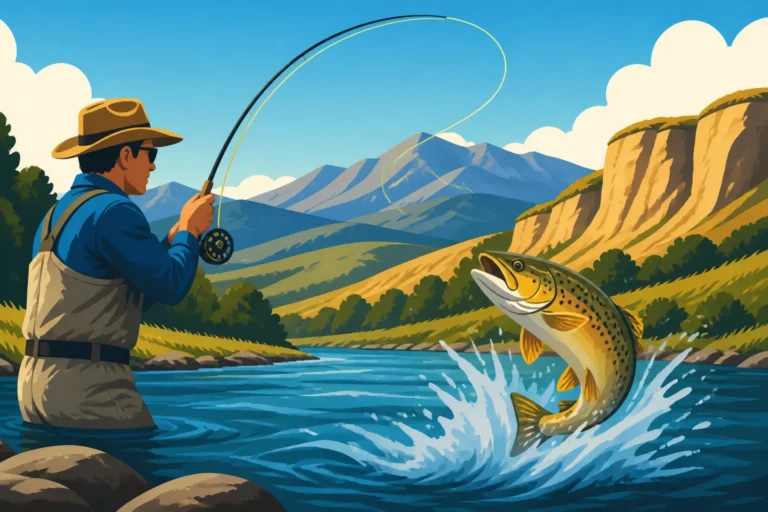
Catching a Snake River Fine-Spotted Cutthroat Trout is often the highlight of a trip for many anglers. They are generally eager to rise to a dry fly, especially during prime hatch periods, offering exhilarating topwater action. While they might not grow to the immense sizes seen in some lake trout fisheries, a 16-20 inch cutthroat from the Snake River is a true trophy. Protecting this native species is paramount, which is why understanding and adhering to regulations like the New Snake River Trout Limits Near Jackson Lake Dam is so important. They are relatively delicate, so practicing careful catch-and-release is essential to ensure their populations thrive for future generations.
Rainbow and Brown Trout Presence
While the focus is often on the native cutthroat, the lower Snake River also holds populations of rainbow trout and, to a lesser extent, brown trout. Rainbow trout can be found throughout the system, often intermingling with cutthroats. They are known for their strong fights and acrobatic leaps, providing another exciting dimension to the fishing experience. While some might be wild, many are the result of historical stocking programs, although efforts are ongoing to reduce non-native species in areas critical for native cutthroat recovery.
Brown trout, on the other hand, are less prevalent in the immediate tailwater section but become more common further downstream, especially in areas with more complex bank structure and deeper pools. These notoriously wary fish are prized for their intelligence and brute strength, often growing to impressive sizes. They tend to be more nocturnal and prefer eating larger prey items, making them a target for anglers employing streamer fishing techniques, especially during the fall spawning season. Targeting Brown Trout Fishing in Wyoming on the Snake can be a truly rewarding pursuit for those with patience and the right approach.
Optimizing Your Trip: When to Fish the Lower Snake
Timing is everything when it comes to fishing the Snake River below Jackson Lake Dam. The ever-changing seasons in Wyoming bring distinct advantages and challenges, influencing everything from water levels and clarity to insect hatches and fish behavior. Knowing when to go can make the difference between an unforgettable day on the water and a frustrating one.
Spring and Early Summer Challenges
Spring on the Snake River, typically from April to early June, is a period of transition. As the snowpack melts in the high country, the river experiences its annual runoff. This means higher flows, often off-color or muddy water, and fluctuating temperatures. While challenging, it's not impossible to fish. During early spring, before the peak of runoff, fishing can be excellent as trout become more active after winter and feed aggressively on nymphs and emerging insects. However, once the runoff really kicks in, the river can become unfishable for days or even weeks.
Anglers who brave the runoff often focus on slower eddies, back channels, and the edges of the main current where fish seek refuge from the strong flows. Larger, darker nymphs and streamers that present a more substantial meal are often the ticket. As late spring transitions into early summer, usually by mid-June, the runoff begins to recede, and the water starts to clear and drop, signaling the beginning of prime fishing. It's a tricky window, but for those who hit it right, the fishing can be superb. Always check current conditions before you go; what was clear yesterday might be chocolate milk today!
Peak Season: Summer and Fall Brilliance
Summer, from July through September, is prime time for the Snake River. The water levels have usually dropped and cleared, and insect activity is at its peak. This is when dry fly fishing truly shines, with prolific hatches of caddis, mayflies, and stoneflies bringing trout to the surface with enthusiasm. Early mornings and late evenings are often the most productive, but consistent hatches can keep fish active throughout the day, particularly on overcast days. Mid-day can still be good, but often requires switching to nymphing techniques in deeper runs or targeting shaded banks.
Fall, from late September through October, offers a different kind of magic. The crowds thin out, the aspen leaves turn golden, and the larger trout, particularly brown trout and some cutthroats, become more aggressive as they prepare for or engage in spawning. Streamer fishing can be incredibly effective during this period, as fish key in on larger meals. Water temperatures are ideal, and while hatches might not be as dense as in summer, terrestrials like hoppers and ants can still be productive on warmer days. This season offers some of the most beautiful fishing experiences in Wyoming, with vibrant colors and feisty fish. Consult the Wyoming Fishing Seasons Month by Month guide for more detailed seasonal expectations.
Techniques and Gear for Snake River Success
Fishing the Snake River below Jackson Lake Dam requires a blend of adaptable techniques and the right gear. While fly fishing is king here, spin fishing also has its place, particularly for those new to trout fishing or when conditions warrant a different approach. Being prepared for varying situations will dramatically increase your chances of success.
Fly Fishing: Nymphing, Dry Flies, and Streamers
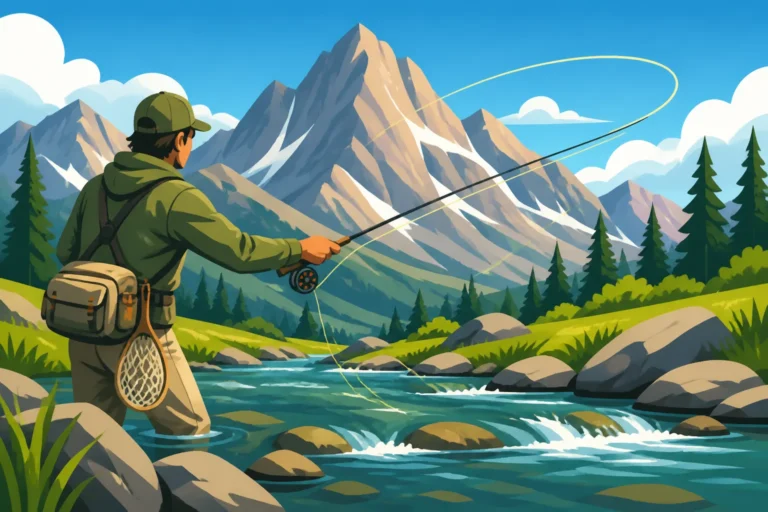
Fly fishing is arguably the most popular and effective method on the Snake River. The clear waters and abundant insect life make it a natural fit.
- Nymphing: This is often the most consistent technique, especially when fish aren't actively rising. A typical setup involves an indicator, split shot (if needed), and one or two weighted nymph patterns. Focus on getting a dead drift in seams, riffles, and deeper pools. Popular nymphs include Pat's Rubber Legs, Copper Johns, Prince Nymphs, and various mayfly and caddis imitations. Understanding Nymphing Techniques for Wyoming Tailwaters is a cornerstone of success on this river.
- Dry Fly Fishing: When fish are rising, there's nothing more exhilarating than presenting a dry fly and watching a trout sip it off the surface. Matching the hatch is key, but having versatile patterns like Parachute Adams, Elk Hair Caddis, and various stonefly imitations (like a Chubby Chernobyl in summer) can cover many situations. Terrestrial patterns such as hoppers, ants, and beetles become very effective from mid-summer into early fall. The key is often a delicate presentation and a drag-free drift.
- Streamer Fishing: For targeting larger, more aggressive trout, especially brown trout, streamers are the way to go. These flies imitate baitfish, sculpins, or other larger prey. Stripping streamers through deep pools, along undercut banks, or through turbulent water can elicit violent strikes. Popular patterns include Woolly Buggers, Sculpzillas, and various articulated streamers. This method is particularly effective in the fall or during higher, off-color water conditions. The article on Streamer Fishing for Wyoming Brown Trout offers excellent insights for this technique.
A 9-foot, 5 or 6-weight fly rod is a versatile choice for this river, offering enough backbone for larger fish but still sensitive enough for delicate dry fly presentations. Leaders and tippet typically range from 3X to 5X, depending on the water clarity and fish selectivity.
Spin Fishing Tactics and Lure Selection
While fly fishing dominates, spin fishing can still be a highly effective method, especially for beginners or when conditions like heavy wind make fly casting difficult. The key is to use lures that imitate natural prey or provoke a strike without being overly aggressive.
- Lure Selection: Small inline spinners (like Panther Martins or Mepps Aglias) in silver, gold, or black can be deadly, particularly in pocket water and riffles. Small spoons (such as Kastmasters or Daredevles) can work well in deeper pools or when casting longer distances. Micro jigs (like a small Marabou jig) under a bobber or slowly retrieved can also be very effective, imitating small baitfish or nymphs.
- Technique: Focus on casting upstream or across and retrieving at a speed that allows the lure to wobble and flash naturally. Vary your retrieve speed and depth until you find what the fish are responding to. Spin fishing can also be excellent for covering a lot of water quickly. Just be mindful of other anglers, especially fly fishermen, and give them ample space. Artificial baits, like PowerBait or Gulp! dough, are generally discouraged on prime trout waters and may even be prohibited in some areas (always check regulations), but they can be effective for stocked trout in designated ponds or lakes nearby. When spin fishing, remember to use single, barbless hooks to minimize harm to fish, especially the native cutthroat, as required by law in many sections of this river.
Reading the Water and Approach
No matter your chosen technique, knowing How to Read Water When Trout Fishing is paramount. Trout are creatures of comfort and efficiency, always seeking places where they can expend minimal energy while having easy access to food and cover. Look for:
- Riffles and Runs: These oxygenated areas churn up food and provide excellent feeding lies. Fish often hold behind rocks or in depressions, darting out to grab drifting insects.
- Seams: The convergence of fast and slow water creates a perfect feeding lane where food concentrates. Fish will often hold in the slower water, facing upstream into the faster current.
- Pools: Deeper, slower pools can hold larger fish, especially in their deepest parts or near structure like submerged logs or undercut banks.
- Undercut Banks: These offer excellent cover from predators and strong currents, providing prime holding spots for wary trout.
Your approach to the river is also critical. Trout have excellent eyesight and can detect vibrations. Walk softly, keep a low profile, and avoid casting a shadow over the water you intend to fish. A stealthy approach, especially in clear water, will significantly increase your success.
Navigating Regulations and Access
Wyoming's commitment to preserving its pristine fisheries means that regulations are in place to ensure sustainability. Understanding these rules, especially for a sensitive fishery like the Snake River below Jackson Lake Dam, is not just about avoiding fines, but about being a responsible steward of the resource.
Specific Snake River Regulations
The Snake River below Jackson Lake Dam falls under the general Wyoming Fishing Regulations Every Angler Should Know, but it also has its own specific, often more restrictive, rules. For instance, the New Snake River Trout Limits Near Jackson Lake Dam significantly altered what anglers can keep, emphasizing the conservation of native cutthroat. Often, regulations in this section will mandate:
- Artificial Flies and Lures Only: Bait fishing is usually prohibited to protect trout.
- Barbless Hooks: Many sections require the use of barbless hooks to minimize injury to fish, particularly for catch-and-release. If your hooks aren't barbless, simply crimp down the barb with pliers.
- Specific Bag and Possession Limits: These can vary by species and by specific river section, often restricting the number of fish, especially cutthroat, that can be harvested, and sometimes imposing slot limits (e.g., only fish within a certain size range can be kept). Always check the most current Wyoming Game and Fish Department regulations booklet for the exact stretch you plan to fish.
These regulations are designed to protect the wild trout populations and are strictly enforced. Ignorance is not an excuse, so carry your current regulations booklet and refer to it often.
Public Access and Private Land Etiquette
Much of the Snake River below Jackson Lake Dam flows through public lands, including Grand Teton National Park, national forests, and Bureau of Land Management (BLM) property. These areas generally offer abundant public access for wading, bank fishing, and launching boats. Within Grand Teton National Park, designated river access points are clearly marked, often with parking areas and boat launches.
However, as you move further downstream outside the park boundaries, the river begins to weave through a patchwork of public and private lands. It's absolutely crucial to respect private property. Look for "No Trespassing" signs and avoid accessing the river through private land without explicit permission from the landowner. Public easements, where landowners have granted public access to the river corridor, do exist in some areas, but these are often narrow and clearly defined. Utilizing a detailed map (physical or digital) that shows public land boundaries, such as those provided by the Wyoming Game and Fish Department or apps like onX Hunt, can prevent inadvertent trespassing. Remember that in Wyoming, even if the river flows through private land, the stream bed below the ordinary high-water mark is often considered public domain, but accessing it requires legal entry (e.g., floating in from a public launch point).
Licenses and Conservation Stamps
To legally fish the Snake River, all anglers 14 years and older must possess a valid Wyoming fishing license. Non-residents have various options, including annual, daily, and 5-day licenses. Additionally, most adult anglers are required to purchase a Wyoming Conservation Stamp. This stamp contributes directly to the conservation efforts of the Wyoming Game and Fish Department, including fish stocking, habitat improvement, and wildlife management.
You can purchase licenses and stamps online through the Wyoming Game and Fish Department website, at regional offices, or from numerous authorized vendors (sporting goods stores, some gas stations) throughout the state. Always carry your license and conservation stamp with you while fishing, either a physical copy or an official digital version on your phone, as game wardens frequently patrol these popular waters.
Planning Your Snake River Fishing Adventure
A successful fishing trip to the Snake River below Jackson Lake Dam isn't just about what happens on the water; it's also about thorough preparation. From considering lodging to potentially hiring a professional, a bit of foresight goes a long way.
Lodging and Local Amenities
The Snake River's location near Jackson Hole means there are ample lodging options, ranging from rustic campgrounds to luxurious resorts. Within Grand Teton National Park, you'll find several campgrounds (Colter Bay, Signal Mountain, Jenny Lake, Gros Ventre) that offer a true immersion in the wilderness, though reservations, especially during peak season, are highly recommended and often necessary months in advance. Iconic lodges like Jackson Lake Lodge and Signal Mountain Lodge also offer comfortable accommodations with stunning views.
Outside the park, the town of Jackson offers the widest array of hotels, motels, vacation rentals, restaurants, and outdoor gear shops. While more bustling, it provides convenient access to supplies and diverse dining. Smaller towns like Wilson, located just west of Jackson, offer a slightly quieter experience but with fewer amenities. Wherever you choose to stay, booking well in advance, especially for summer and fall, is crucial due to the area's popularity.
Considering a Guided Trip or Float
For anglers new to the Snake River or those seeking to maximize their experience, hiring a professional guide is often an invaluable investment. A local guide possesses intimate knowledge of the river's ever-changing conditions, fish behavior, and specific techniques that are most effective on any given day. They can provide all necessary gear, navigate the complex access points, and, most importantly, put you on fish.
Many outfitters offer Float Trips on Wyoming's Snake River, which is a fantastic way to experience vast stretches of the river that are difficult to access by wading. Drift boats or rafts allow guides to cover more water, effectively presenting flies or lures to holding fish along banks, in seams, and through riffles. For those interested, platforms like FishingBooker make it easy to find and book reputable local guides. You can browse various offerings, read reviews, and select a guide who specializes in the type of fishing you're looking for, whether it's dry fly, nymphing, or even a scenic float with some opportunistic casting.
When considering Hiring a Fishing Guide in Wyoming, ask about what's included (gear, lunch, drinks), guide-to-client ratio, and their experience on this specific stretch of the Snake. A good guide will not only help you catch fish but also teach you valuable river-reading skills and local etiquette.
Essential Gear and Safety Considerations
Beyond your fishing rod, reel, and tackle, there are several other essential items to pack for a trip to the Snake River:
- Waders and Boots: Chest waders are highly recommended for most of the year, allowing you to access prime wading spots comfortably. Felt-soled or rubber-soled boots with studs provide the best traction on slippery riverbeds.
- Layered Clothing: Wyoming weather is notoriously unpredictable. Dress in layers, including a waterproof/breathable outer shell, even on sunny days. Mornings can be chilly, even in summer, while afternoons can be warm.
- Sun Protection: High altitude means intense UV rays. Pack a wide-brimmed hat, polarized sunglasses (crucial for seeing fish and protecting your eyes), and high SPF sunscreen.
- First-Aid Kit: Always a good idea for minor scrapes, cuts, or blisters.
- Bear Spray: As mentioned, you are in prime grizzly and black bear country. Carry bear spray, know how to use it, and keep it accessible. Make noise while hiking, especially in dense brush.
- Water and Snacks: Stay hydrated, especially when exerting yourself at altitude. Pack enough food for your day on the water.
- Camera: You'll want to capture the stunning scenery and your trophy catches.
- Maps and GPS: Even with public access, it's easy to get disoriented. A detailed map or a GPS device/app can be very helpful.
By carefully considering these aspects, you'll be well on your way to a safe, enjoyable, and successful fishing trip on the magnificent Snake River below Jackson Lake Dam.
Optimal Techniques by Season on the Snake River
To help you strategize your approach, here's a quick reference for techniques that tend to excel during different seasons on the Snake River below Jackson Lake Dam.
| Season | Primary Water Conditions | Preferred Techniques | Key Fly/Lure Types (Examples) | Notes |
|---|---|---|---|---|
| Spring | High, often murky, cold | Nymphing, Streamer Fishing (early spring) | Large Stonefly Nymphs (Pat's Rubber Legs), Worm Patterns, Dark Streamers (Woolly Buggers) | Focus on river edges, slower water, and eddies. Water clarity dictates success. |
| Early Summer (Post-runoff) | Dropping, clearing, cool | Nymphing, Dry-Dropper Rigs, Emerger Patterns | Caddis Nymphs, PMD Nymphs, Green Drake Nymphs, Parachute Adams, Elk Hair Caddis | Transition period as hatches begin. Dry flies become more viable. |
| Mid-Summer | Clear, moderate flows, warmer | Dry Fly Fishing, Nymphing, Terrestrial Fishing | Caddis, Mayflies (PMDs, Green Drakes), Stoneflies, Hoppers, Ants, Beetles | Peak season for surface action. Early mornings and late evenings best for dries. |
| Fall | Clear, moderate to low flows, cool | Streamer Fishing, Dry Fly Fishing (terrestrials), Nymphing | Large Streamers (Sculpzillas, Articulated patterns), Eggs, Worms, Hoppers, Caddis | Best for targeting larger trout. Fall spawners are aggressive. |
| Winter | Low, clear, very cold | Nymphing, Midge Fishing, Small Streamers | Small Baetis Nymphs, Midges (Larvae, Pupae), Egg Patterns, Small Sculpin Streamers | Technical fishing. Focus on slow, deep pools. Limited access due to ice/snow. |
This table provides a general guideline, but always remember to observe current conditions and adjust your strategy accordingly. Local fly shops are an invaluable resource for up-to-the-minute reports on hatches and effective patterns.
Disclaimer
The information provided in this guide is for general informational purposes only and is not a substitute for official regulations. Fishing regulations, seasons, and access rules can change frequently. Always consult the most current Wyoming Game and Fish Department regulations manual and any specific park or land management rules before fishing. Adherence to all local, state, and federal laws is the responsibility of the angler. Be aware of wildlife, especially bears, and take appropriate safety precautions.