Fishing Spots Near Jackson, Wyoming
Trying to figure out the best places to cast a line near Jackson, Wyoming, can feel like searching for a needle in a haystack, especially with so many breathtaking waters calling your name. It's easy to get overwhelmed by the sheer number of options, from roaring rivers to serene alpine lakes, and wonder where to even begin. This comprehensive guide is here to cut through the confusion, offering a detailed look at the premier fishing spots around Jackson, helping you plan your next unforgettable angling adventure in the heart of the Tetons.
The Lure of Jackson Hole: A Fisherman's Paradise
Jackson Hole isn't just a world-famous destination for skiing and wildlife viewing; it's an angler's dreamscape, offering some of the most spectacular and diverse fishing opportunities in the West. The region's natural beauty, with the dramatic Teton Range as a backdrop, elevates every fishing trip from a simple outing to an immersive experience. Whether you're chasing native cutthroat in a pristine mountain stream or battling a massive lake trout in a glacial lake, Jackson Hole delivers.
Why Jackson Hole is Special for Anglers
What truly sets Jackson Hole apart for fishing enthusiasts is its unique ecosystem and the robust, native fish populations it supports. The cold, clear waters originating from the Teton glaciers provide ideal habitat for trout, particularly the iconic Snake River Fine-Spotted Cutthroat. Unlike many other areas where cutthroat populations have dwindled due to hybridization or habitat loss, these native fish thrive here, offering a unique opportunity to connect with a true Western angling tradition. Beyond the cutthroat, you'll find healthy populations of rainbow trout, brown trout, brook trout, and even some impressively large lake trout in the deeper reservoirs.
The sheer variety of water types is another major draw. Within a short drive, you can transition from wide, braided rivers perfect for drift boat fly fishing to intimate, crystal-clear creeks ideal for stealthy wade fishing. Then there are the large, deep lakes that hold their secrets and their trophy fish. This diversity means that no matter your preferred fishing style or target species, Jackson Hole has a spot for you. Plus, the wildlife viewing opportunities while fishing are second to none – it's not uncommon to spot elk, moose, eagles, or even bears while you're out on the water.
Understanding Jackson's Fishing Seasons
Fishing in Jackson Hole is a year-round affair, but understanding the nuances of each season is crucial for maximizing your success. Spring, typically from April to early June, sees increasing water flows from snowmelt, which can make river fishing challenging due to turbidity and high water. However, lake fishing can be excellent during this time as fish become more active closer to shore. Once runoff subsides, usually by late June, the rivers come alive.
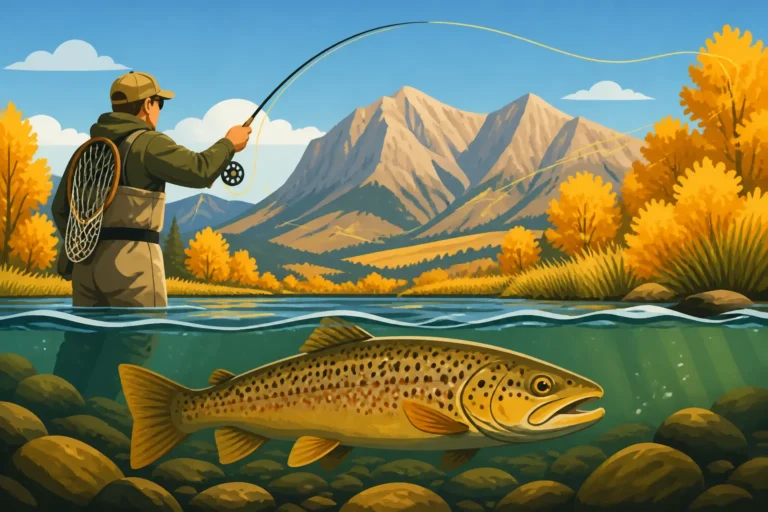
Summer, from July through September, is peak season. Rivers clear up, insect hatches are abundant, and fish are actively feeding. This is when the famous dry fly fishing on the Snake River truly shines. The high-country lakes also become accessible and highly productive as snow melts from higher elevations. Fall, particularly October and November, is arguably the best time for trophy brown trout and cutthroat, as cooler temperatures spur spawning runs and aggressive feeding. This is also when some of the larger lakes, like Jackson Lake, extend their seasons, offering unique opportunities. Winter, from December through March, brings ice fishing to many of the area's lakes and reservoirs, providing a completely different, yet equally rewarding, experience. Each season presents its own challenges and rewards, making Jackson Hole a dynamic fishing destination throughout the year.
Iconic River Fishing: The Snake River System
When people think of fishing near Jackson, the Snake River is almost always the first body of water that comes to mind, and for good reason. This legendary river, flowing through the heart of Jackson Hole, offers an unparalleled fly fishing experience, particularly for its native Snake River Fine-Spotted Cutthroat Trout.
The Main Stem of the Snake River
The main stem of the Snake River in Jackson Hole is a wide, braided river characterized by numerous channels, gravel bars, and cottonwood-lined banks. It's a truly picturesque river, offering stunning views of the Tetons at almost every bend. While wade fishing is possible in some sections, especially during lower flows, the Snake is predominantly fished from drift boats or rafts. This allows anglers to cover vast amounts of water, accessing prime holding lies that are otherwise unreachable. The river flows mostly through public land, including Grand Teton National Park and national forest, ensuring ample access, though some sections pass through private property.
The primary target here is the indigenous Snake River Fine-Spotted Cutthroat. These beautiful fish are known for their vibrant coloring and aggressive takes on dry flies, making for incredibly exciting fishing. They typically range from 12 to 18 inches, with larger individuals pushing past 20 inches, especially later in the season. Beyond cutthroat, you might also encounter a few rainbows and brook trout in certain areas. The best fishing often occurs in the slower runs, eddy lines, and seams where different current speeds meet, creating ideal feeding lanes for trout. During the summer, various insect hatches, including stoneflies, caddis, and mayflies, bring fish to the surface, offering fantastic dry fly opportunities.
Fishing the Snake River Below Jackson Lake Dam
One of the most productive and popular stretches of the Snake River is found immediately below the Jackson Lake Dam. This tailwater section, extending downstream through Grand Teton National Park, benefits from a consistent flow of cold, oxygenated water released from the depths of Jackson Lake. This stable environment creates an excellent fishery that often performs well even during periods of high runoff in other parts of the river system. The dam acts as a natural filter, contributing to the clarity of the water, which in turn leads to healthy insect populations and thriving trout.
This section is renowned for its strong population of Snake River Cutthroat Trout, which often grow larger here due to the abundance of food. Anglers can expect to catch numerous fish in the 14-20 inch range, with occasional trophies. While dry fly fishing can be excellent during hatches, nymphing is often the most consistent technique, especially when targeting fish holding in deeper runs and pools. Streamer fishing can also be highly effective for enticing larger, more aggressive trout. Access is generally good, with several designated launch points for drift boats within the park. Remember, park regulations can differ from statewide rules, so it's always wise to check the latest guidelines before heading out. For more details on this specific area, check out our guide on Fishing Wyoming's Snake River Below Jackson Lake Dam.
Tributaries and Side Channels of the Snake
While the main stem of the Snake River commands much of the attention, its numerous tributaries and side channels offer fantastic, often more intimate, fishing experiences. These smaller waters can be a delightful change of pace, providing opportunities for wade fishing and targeting trout in a more secluded setting.
The Gros Ventre River, for example, which joins the Snake just southeast of Jackson, is a beautiful, freestone stream that offers excellent fishing for smaller, feisty cutthroat and brook trout. Its upper stretches, especially within the Gros Ventre Wilderness, provide classic mountain stream fishing amidst stunning scenery. The river can be quite powerful during spring runoff but settles into a charming, productive fishery by mid-summer. Access is available via several national forest roads and trails, though some areas require significant hiking. You can learn more about this river by reading our article on Fishing the Gros Ventre River.
Another notable tributary is the Hoback River, flowing in from the southeast and meeting the Snake near Hoback Junction. The Hoback is generally a smaller, more intimate river than the main Snake, with a mix of riffles, runs, and pools. It holds a good population of cutthroat and brook trout, and can be particularly enjoyable for anglers looking to escape the crowds of the larger rivers. Like the Gros Ventre, it's primarily a wade-fishing stream. Public access points are available along Highway 189/191, offering opportunities for both walk-in and some limited float access in its lower reaches. Finding the best spots often involves a bit of exploration and knowing the nuances of river access, which you can delve into further with our guide on Fishing Access on the Hoback River. These smaller waters often reward anglers who are willing to put in a little extra effort to find their solitude.
Pristine Lake Fishing: Grand Teton National Park's Gems
Grand Teton National Park is not only home to some of the most iconic peaks in North America but also boasts a collection of stunning lakes that provide diverse and rewarding fishing opportunities. These lakes, set against the dramatic Teton backdrop, offer everything from deep-water trolling for monster mackinaw to serene fly fishing from shore for native cutthroat.
Jackson Lake
Jackson Lake is the largest body of water in Grand Teton National Park and is a true gem for lake anglers. This expansive, glacially carved lake is known primarily for its robust population of lake trout, often referred to as Mackinaw. These fish can grow to impressive sizes here, with trophy-class specimens over 20 pounds not uncommon. The lake also supports a healthy population of native Fine-Spotted Cutthroat Trout, as well as some brook trout and occasional rainbow trout. Given its size and depth (over 400 feet in some areas), boat fishing is the most effective way to target the larger lake trout, often requiring specialized gear and techniques like downriggers for deep-water trolling.
Shoreline access is available at various points, particularly around the developed areas like Leeks Marina and Colter Bay, offering opportunities for wade fishing or casting from the bank for cruising cutthroat. The season for Jackson Lake has seen some changes in recent years, with it now staying open through October, extending opportunities for fall fishing when fish are often more active. For those looking to explore its vast waters, public boat ramps are available. Understanding the lake's diverse fish populations and where they hold can significantly enhance your fishing experience. Our article on Jackson Lake's Best Shoreline Fishing Spots in Wyoming provides more specific details on where to cast your line from shore, and for a comprehensive list of species, you can consult What Fish Live in Jackson Lake.
String Lake and Leigh Lake
Nestled at the base of the Tetons, String Lake and Leigh Lake offer a completely different lake fishing experience than the vastness of Jackson Lake. These interconnected lakes are smaller, shallower, and exceptionally clear, making them incredibly scenic and popular for non-motorized recreation. String Lake, in particular, is easily accessible and often quite warm, making it perfect for families and beginners. It primarily holds smaller cutthroat and brook trout, which can be caught using light spin tackle or fly fishing gear from the shore. The clear water here often allows for sight fishing, adding an exciting dimension to the experience.
Leigh Lake, accessed via a short portage from String Lake (or a pleasant paddle), offers a more secluded feel and slightly larger fish. It's known for its strong population of cutthroat trout and some brook trout. Both lakes are ideal for fishing from kayaks, canoes, float tubes, or paddleboards, allowing anglers to quietly explore their picturesque shorelines and shallow bays. The regulations in these park lakes often favor catch-and-release, especially for native cutthroat, so always check the latest rules. For specific insights into these beautiful waters, our guide on String Lake and Leigh Lake Fishing in Grand Teton offers a detailed look at techniques and access. The peace and tranquility of fishing these lakes, with the majestic Teton peaks reflected in their glassy surfaces, are truly unforgettable.
Other Grand Teton Lakes
Beyond Jackson, String, and Leigh Lakes, Grand Teton National Park is dotted with several other smaller, but equally captivating, fishing lakes. Jenny Lake, another popular spot, is a deeper, glacially carved lake known for its lake trout and cutthroat. While beautiful, its depth and popularity with sightseers can make fishing a bit more challenging, especially from shore. Boat rentals are available, allowing anglers to explore its deeper waters for mackinaw.
Phelps Lake, situated on the southern end of the park, is accessible via a moderate hike and offers excellent opportunities for cutthroat and brook trout in a more secluded setting. Its clear waters and rocky shores provide good habitat for these species, and the hike in adds to the wilderness experience. Further into the backcountry, lakes like Taggart Lake and Bradley Lake, while shallower, can also hold trout. Always remember that fishing within a national park carries specific regulations, often differing from statewide Wyoming Game and Fish Department rules, including requirements for an additional park fishing permit in some cases. It's critical to be aware of these local nuances, which you can learn more about in our detailed guide on Fishing Spots Inside Grand Teton National Park, Wyoming. Each of these lakes offers its own unique charm and angling challenge, making the Grand Teton region a multi-faceted fishing destination.
High-Country Adventures: Backcountry Lakes and Streams
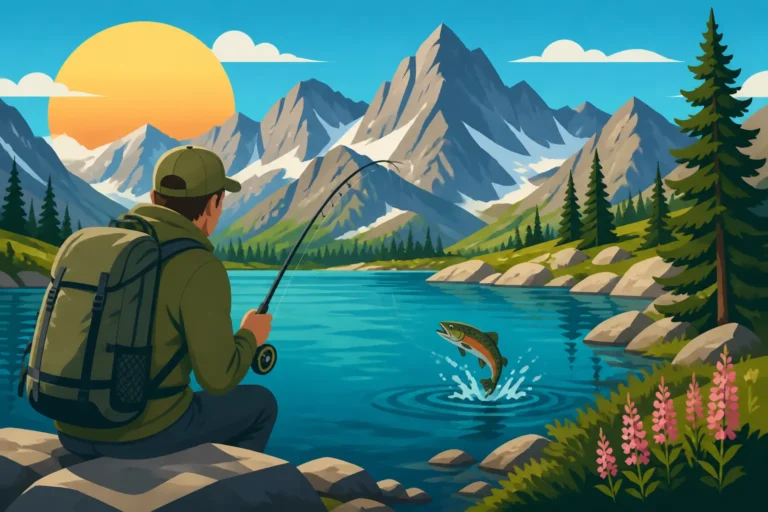
For the adventurous angler seeking solitude and the thrill of discovery, the vast wilderness surrounding Jackson Hole offers an abundance of high-country lakes and streams. These remote waters, often accessible only by foot or horseback, provide some of Wyoming's most pristine and rewarding fishing experiences.
Accessing Remote Alpine Waters
Reaching these high-alpine gems requires effort, but the rewards are well worth the journey. Most backcountry lakes are nestled within designated wilderness areas, such as the Gros Ventre Wilderness, the Wind River Range (though a bit further east), and the Bridger-Teton National Forest. This means motorized access is generally prohibited, making hiking or packing in on horseback the primary means of reaching them. Trails can range from well-maintained paths to faint game trails, and elevation gains can be significant. A good topographical map, a reliable GPS device, and a solid understanding of wilderness navigation are essential.
Planning for a backcountry fishing trip involves more than just selecting your flies or lures. You need to consider appropriate gear for multi-day hikes, including lightweight camping equipment, food, water purification, and bear safety precautions. The weather in the high country can change rapidly, so layers of clothing suitable for all conditions are a must. The fishing season for these lakes is typically shorter, generally from July after the ice-out until late September or early October before heavy snows return. However, once accessible, these waters offer an unparalleled sense of wildness and often hold fish that see far less angling pressure than their lowland counterparts.
Species in the High Lakes
The fish species found in Wyoming's high-country lakes are often determined by historical stocking efforts and the unique characteristics of each body of water. Perhaps the most sought-after species in these remote settings is the Golden Trout, known for its stunning golden flanks and vibrant red stripe. These beautiful fish thrive in the cold, oxygen-rich waters of high-elevation lakes and typically offer a strong fight despite their modest size. Catching a golden trout in its native, spectacular habitat is considered a true angling accomplishment.
Brook Trout are also very common in many of these smaller, higher lakes and streams. While often smaller in size, they are prolific and aggressive, making for action-packed fishing, especially for beginners or those seeking consistent bites. Native Cutthroat Trout, specifically the Yellowstone Cutthroat in this region, also inhabit many high-elevation waters that are connected to larger river systems or have been historically stocked. These fish, like their river-dwelling cousins, are often eager to rise to a dry fly, adding to the excitement. The relative isolation of these lakes often means less competition for food, allowing fish populations to flourish, though their growth can be limited by the short growing season and harsh conditions. Fishing these lakes is not just about the catch; it's about the entire experience of wilderness immersion.
Gear, Tactics, and Essential Tips for Jackson Hole
Having the right gear and understanding effective tactics can dramatically improve your success and enjoyment when fishing the diverse waters around Jackson Hole. It’s not just about having a rod, but having the right rod for the right situation.
Recommended Gear for Jackson Waters
For river fishing, especially on the Snake, a 9-foot, 5 or 6-weight fly rod is generally considered the workhorse setup. This versatile rod size is capable of handling the larger cutthroat and the varied fly patterns you'll use, from delicate dries to heavier nymph rigs and streamers. A floating line is essential for dry fly and nymph fishing, while a sink-tip line can be beneficial for streamers or when targeting deeper runs. Waders are almost non-negotiable for comfort and access, even if you’re primarily drift fishing, as you'll often hop out to wade certain sections. Breathable chest waders and sturdy wading boots with good grip are highly recommended.
For lake fishing, particularly for the large lake trout in Jackson Lake, heavier gear is needed. A medium-heavy spinning rod or baitcasting setup, spooled with 20-30 pound braided line, is suitable for jigging or trolling with heavier lures and downriggers. For shore fishing or targeting smaller trout in lakes like String or Leigh, a lighter 4-5 weight fly rod or a light to medium-light spinning rod with 4-8 pound monofilament or fluorocarbon line will suffice. Don't forget essentials like polarized sunglasses for spotting fish and protecting your eyes, a net with a rubber bag for fish safety, and a good pair of pliers or forceps for hook removal.
Best Fishing Techniques
The techniques you employ will vary greatly depending on the water type and target species. On the Snake River and its tributaries, fly fishing is king. During summer, dry fly fishing reigns supreme, especially during prolific hatches of caddis, PMDs, or large stoneflies. Learning Dry Fly Fishing on the North Platte River, though a different river, provides excellent foundational knowledge applicable to the Snake. When fish aren't rising, nymphing is a highly effective method, often involving a strike indicator and multiple weighted nymphs fished below the surface. Streamer fishing can be deadly for larger brown trout and aggressive cutthroat, particularly in the fall or during off-peak feeding times. Our comprehensive guide on Fly Fishing Techniques for Wyoming Trout Streams delves deeper into these methods.
For lake fishing, particularly on larger reservoirs like Jackson Lake, trolling is a primary tactic for covering water and targeting lake trout. This involves slowly motoring your boat while dragging lures or bait at specific depths, often using downriggers to reach the thermocline where fish hold. You can find more specific advice on this in our guide to Trolling Techniques for Wyoming Reservoirs. Jigging spoons or tube jigs vertically over submerged structure is also highly effective for lake trout and other species. For smaller, shallower lakes, casting spinners, spoons, or small dry flies/nymphs from shore or a float tube can yield excellent results. Always observe the water for signs of fish activity and adjust your technique accordingly.
Navigating Regulations and Licenses
Understanding and adhering to Wyoming's fishing regulations is absolutely paramount. The rules are in place to protect the state's valuable fisheries and ensure sustainable angling for future generations. Wyoming Game and Fish Department sets these regulations, and they can vary significantly by water body, species, and time of year. For instance, some waters might have specific slot limits, bait restrictions, or even catch-and-release only rules. It's not just about the statewide rules; many specific sections of rivers or individual lakes will have special provisions that override the general regulations.
Before you even think about wetting a line, you'll need a valid Wyoming fishing license. Non-residents have several options, including annual, daily, and 5-consecutive-day licenses. Additionally, a Wyoming Conservation Stamp is required for most annual licenses. If you plan to fish within Grand Teton National Park or Yellowstone National Park, you'll also need a separate park-specific fishing permit, which adheres to its own set of regulations. The best practice is to always carry the current Wyoming Fishing Regulations booklet (available online or at license vendors) and review the specific section for the waters you plan to fish. Getting caught without the correct license or violating regulations can lead to hefty fines and even loss of fishing privileges. To ensure you're fully prepared, take a moment to read our detailed articles on the Wyoming Fishing License Guide for Nonresidents and Wyoming Fishing Regulations Every Angler Should Know.
When to Consider a Guided Trip in Jackson
While exploring on your own is part of the adventure, sometimes the best way to experience fishing in Jackson Hole, especially for first-timers or those seeking specific expertise, is to hire a professional guide.
Benefits of Hiring a Local Guide
Hiring a local fishing guide in Jackson Hole offers a multitude of benefits that can significantly enhance your trip. First and foremost, guides possess invaluable local knowledge. They know which waters are fishing best on any given day, what flies or lures are currently most effective, and where the fish are holding based on water levels, weather, and recent activity. This means less time guessing and more time catching. Many prime fishing spots on the Snake River are best accessed by drift boat, which requires specialized equipment and expertise that a guide provides.
Beyond just finding fish, guides offer instruction. Whether you're a seasoned fly angler looking to refine your technique or a complete beginner eager to learn the ropes, a good guide can provide personalized casting lessons, knot tying instruction, and insights into reading water. They typically provide all the necessary high-quality gear, including rods, reels, flies, and tackle, saving you the hassle and expense of renting or purchasing equipment. Guides also handle all the logistics, from transportation to preparing lunch on full-day trips, allowing you to simply relax and enjoy the fishing. Companies listed on platforms like FishingBooker often represent many of these skilled local guides, making it easier to compare options and book a trip that fits your needs. For a deeper dive into the advantages, check out our guide on Hiring a Fishing Guide in Wyoming.
Popular Guided Trip Options
In the Jackson Hole area, guided fishing trips come in various forms to suit different preferences and target species. One of the most popular options, especially on the Snake River, is a guided float trip. These full-day or half-day excursions typically involve floating downstream in a drift boat or raft, allowing anglers to cast to prime runs and riffles. These are usually fly-fishing focused and are an excellent way to cover a lot of water and experience the true essence of the Snake. If you're specifically interested in fly fishing, our article on Guided Fly Fishing Trips in Jackson Hole, Wyoming offers more targeted information.
For lake enthusiasts, guided trips on Jackson Lake are popular for targeting the impressive lake trout. These trips often involve using specialized boats equipped with electronics like fish finders and downriggers, focusing on trolling or jigging in deeper waters. Some guides also offer walk-and-wade trips on smaller rivers and streams, perfect for those who prefer a more intimate experience or want to learn the art of reading specific water features. Whether you're chasing the native cutthroat on a pristine river or hoping to land a monster lake trout, there's a guided trip designed to make your Jackson Hole fishing dreams a reality. When searching for guides, don't hesitate to use resources like FishingBooker to explore available charters and compare their offerings, ensuring you find the perfect match for your adventure.
Comparison of Key Fishing Spots Near Jackson
| Fishing Spot | Primary Fish Species | Recommended Technique | Access Level | Best Time of Year | Key Features / Notes |
|---|---|---|---|---|---|
| Snake River (Main Stem) | Snake River Cutthroat | Fly fishing (drift boat, dry fly, nymph) | Moderate (best by drift boat from public launches) | Summer, Fall | Iconic views of Tetons, braided river channels, native trout. |
| Snake River (Below Jackson Lake Dam) | Snake River Cutthroat | Fly fishing (nymph, streamer) | Easy to moderate (wade/drift from park access) | Spring, Summer, Fall | Consistent cold water, high fish numbers, within Grand Teton NP. |
| Gros Ventre River | Cutthroat, Brook Trout | Fly fishing (wade) | Moderate (hiking, national forest roads) | Summer, Early Fall | Secluded, freestone stream, smaller fish. |
| Hoback River | Cutthroat, Brook Trout | Fly fishing, spin fishing (wade) | Easy to moderate (roadside access along Hwy 189/191) | Summer, Early Fall | Intimate, scenic, good for solitude. |
| Jackson Lake | Lake Trout, Cutthroat, Brook Trout | Trolling, Jigging (boat); Shore casting | Easy (multiple boat ramps, developed areas) | Spring, Fall, Summer (for cutthroat) | Large, deep lake, trophy lake trout potential, stunning views. |
| String Lake | Cutthroat, Brook Trout | Fly fishing, spin fishing (wade, float tube) | Easy (short walk from parking) | Summer | Shallow, clear, family-friendly, non-motorized only. |
| Leigh Lake | Cutthroat, Brook Trout | Fly fishing, spin fishing (float tube) | Moderate (short portage from String Lake) | Summer | More secluded than String, larger cutthroat, non-motorized only. |
| Phelps Lake | Cutthroat, Brook Trout | Fly fishing, spin fishing (wade) | Moderate (moderate hike in) | Summer, Early Fall | Secluded, clear water, wilderness feel, within Grand Teton NP. |
| High-Country Lakes | Golden Trout, Brook Trout, Cutthroat | Fly fishing (pack in gear) | Difficult (multi-day hike or horseback) | Mid-Summer to Early Fall | Solitude, pristine environment, unique species like Golden Trout. |
Disclaimer
The information provided in this guide is for general informational purposes only and is not intended as legal advice. Fishing regulations and license requirements are subject to change without notice by the Wyoming Game and Fish Department and National Park Services. Always consult the most current official regulations booklet and inquire with local authorities before engaging in any fishing activities. Adherence to all local, state, and federal laws is the responsibility of the individual angler.