Is There Good Ice Fishing Near Casper?
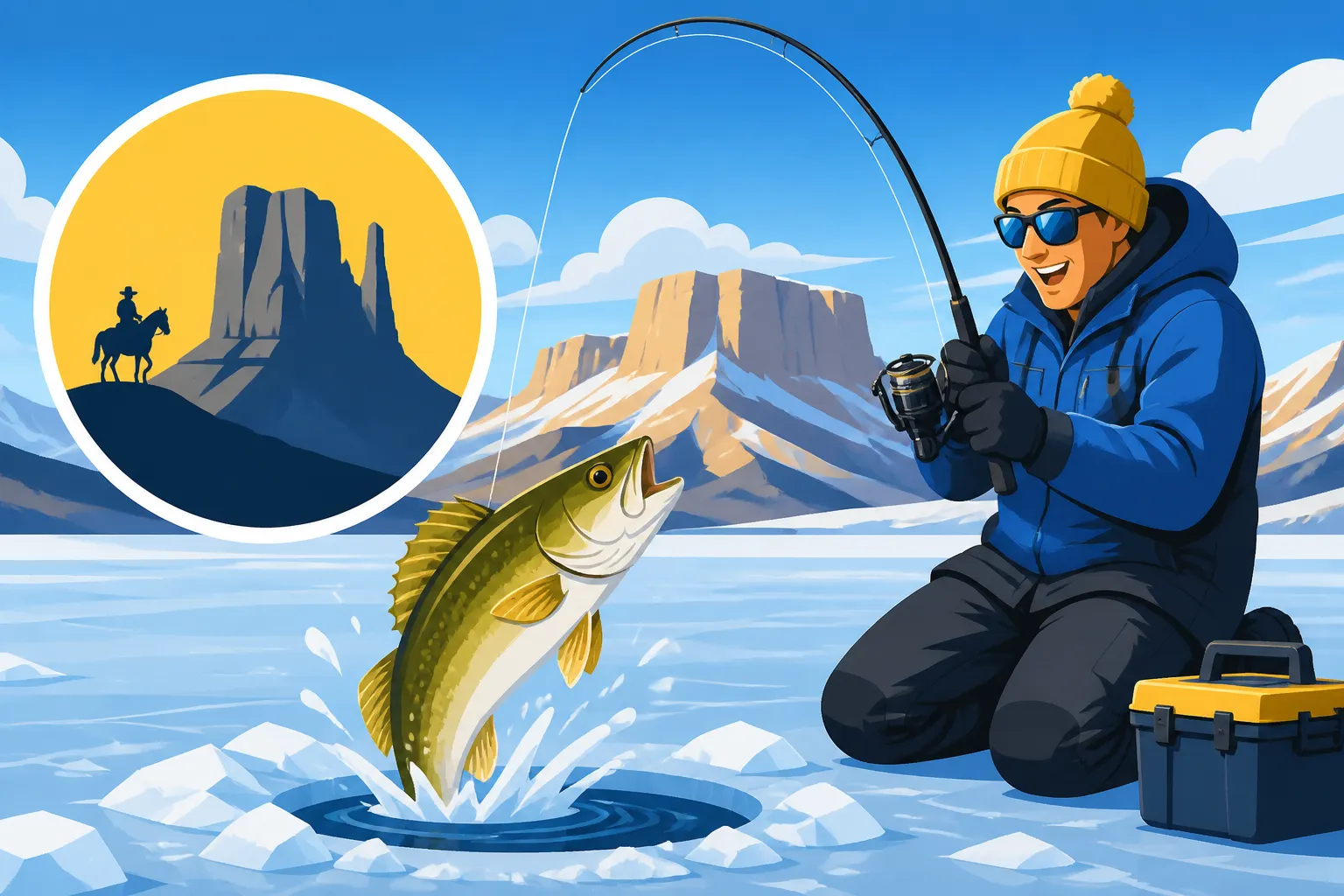
When winter sets its icy grip on Wyoming, many anglers feel like their fishing season is over, but that couldn't be further from the truth. The long, cold months around Casper offer some truly incredible ice fishing opportunities that most fair-weather anglers completely miss out on. This guide will walk you through everything you need to know to brave the chill and reel in some impressive catches from beneath the ice near Casper, from prime locations to essential gear and safety tips.
Why Ice Fishing Near Casper Is Worth the Effort
Fishing through the ice is a unique experience, and the waters surrounding Casper, Wyoming, transform into a winter wonderland for anglers. While some might think of it as a niche activity, the truth is that many of Wyoming's most popular fishing spots offer fantastic ice fishing, often with less competition than during the open-water months. The fish are still there, they're still eating, and with the right approach, you can have some truly memorable days.
Prime Ice Conditions and Timing
The ice fishing season in the Casper area typically kicks off in December, as consistent cold temperatures begin to lock up the smaller, shallower lakes and coves. By January and February, the larger reservoirs like Alcova and Pathfinder usually boast solid, fishable ice that can often last well into March or even early April, depending on the year's specific weather patterns. The key to successful ice fishing is always monitoring the conditions. What might be safe one week could be treacherous the next, especially with Wyoming's notoriously unpredictable winter weather, which can bring sudden thaws or high winds that stress the ice. Local knowledge is invaluable, so checking with tackle shops or the Wyoming Game and Fish Department (WGFD) for current ice reports is always a smart first step before heading out. For a broader look at the season, you might want to check out our comprehensive guide on Wyoming Fishing Seasons Month by Month
What to Expect Under the Ice
Below the frozen surface, a completely different world exists. Fish behavior changes in the colder water. Their metabolism slows down, and they're generally less active than in warmer months. This doesn't mean they stop eating, though; it just means you often have to adjust your tactics. During the deep winter, fish often congregate in specific areas, usually deeper structures, points, or sudden depth changes, as these spots offer stability and access to food sources. You’re typically targeting a smaller strike zone, but when you find them, you can often have consistent action. Expect rainbow trout, brown trout, walleye, and even the occasional kokanee salmon, depending on the reservoir. Understanding these underwater dynamics is crucial for success and will make your effort much more rewarding.
Top Ice Fishing Destinations Around Casper
When it comes to ice fishing near Casper, you're spoiled for choice, with several excellent reservoirs and lakes within a reasonable drive. Each offers its own unique challenges and rewards, from trophy trout to feisty walleye.
Alcova Reservoir: A Winter Trout and Walleye Hotspot
Just southwest of Casper, Alcova Reservoir is arguably one of the most popular ice fishing destinations in the region, and for good reason. It’s well-known for producing good numbers of rainbow trout, brown trout, and increasingly, impressive walleye. The reservoir's diverse structure, including submerged rock piles, humps, and old river channels, creates excellent habitat for fish year-round.
When the ice sets in, anglers flock to Alcova's coves and bays, especially near the dam or the areas around Cottonwood Beach. These spots often freeze over first and provide relatively easy access. For trout, look for areas around 15-30 feet deep, using small jigs tipped with mealworms, wax worms, or PowerBait. Walleye, on the other hand, often prefer deeper edges of submerged structures, anywhere from 20-50 feet. Jigging spoons or lipless crankbaits, often tipped with a piece of minnow, can be incredibly effective for these elusive predators. Remember, Alcova can get breezy, so a portable ice fishing shelter is often a wise investment to stay comfortable. You can learn more about general fishing at the reservoir by reading our guide to Alcova Reservoir and Afterbay Fishing Spots in Wyoming
Pathfinder Reservoir: Challenging but Rewarding
Further west of Alcova lies Pathfinder Reservoir, a vast body of water known for its trophy potential but also for its more challenging conditions. Pathfinder is much larger and more exposed than Alcova, meaning ice conditions can vary wildly across its expansive surface. Always exercise extreme caution when venturing onto Pathfinder, especially on less-traveled sections.
However, the rewards can be significant. Pathfinder holds substantial populations of rainbow and brown trout, as well as kokanee salmon and walleye. Many anglers target the salmon in winter, often finding them schooled up in deeper water, sometimes 40-70 feet down. Small kokanee jigs, often glow-in-the-dark or brightly colored, are the ticket here. For the larger trout and walleye, focus on the reservoir's numerous points and drop-offs. The sheer size of Pathfinder means you might have to move around more to locate active fish, but when you hit a hot spot, the action can be furious. Due to its remote nature and often harsh conditions, a reliable ice auger and robust shelter are almost necessities for a comfortable and safe trip to Pathfinder. Consider adding a read on Fishing Spots Near Casper for more local insights.
North Platte River Tailwaters: A Unique Ice Opportunity (with extreme caution)
While most ice fishing is done on lakes and reservoirs, certain stretches of the North Platte River below the dams, like the Gray Reef section, can offer unique, albeit extremely dangerous, ice fishing opportunities. It is critical to stress that ice fishing on rivers is far riskier than on still water due to currents, fluctuating water levels, and unstable ice.
The Gray Reef section, known for its incredible trout fishing, can develop safe ice in certain slacker backwater areas or slow-moving channels during prolonged cold spells. Anglers might target giant rainbow and brown trout here, often with small jigs or tiny spoons. However, do not attempt to ice fish on the main flow of the North Platte River. The currents are too strong and unpredictable, creating deadly thin spots. Stick to verified, completely still backwaters, if you choose this option, and always go with extreme caution, local knowledge, and the proper safety gear. If you’re interested in this river generally, check out Fishing Gray Reef on Wyoming's North Platte River.
Here’s a quick overview of some popular spots and what you might find:
| Location | Primary Species Targeted | Typical Ice Season | Recommended Depth Range | Key Features |
|---|---|---|---|---|
| Alcova Reservoir | Rainbow Trout, Brown Trout, Walleye | Dec – Mar | 15-50 feet | Easily accessible coves, diverse structure |
| Pathfinder Reservoir | Rainbow Trout, Brown Trout, Kokanee, Walleye | Jan – Mar (more exposed) | 20-70+ feet | Large, remote, trophy potential, wind-prone |
| Gray Reef (backwaters) | Rainbow Trout, Brown Trout | Jan – Feb (limited) | 5-20 feet | River backwaters, extreme caution required |
Essential Gear and Techniques for Casper Ice Fishing
To truly enjoy and succeed at ice fishing near Casper, you need the right gear and a solid understanding of winter fishing techniques. It's not just about drilling a hole; it's about being prepared for the elements and understanding fish behavior in cold water.
Dressing for Success: Staying Warm and Dry
Wyoming winters are no joke, and staying warm is paramount for an enjoyable and safe ice fishing trip. Layering is key: start with a moisture-wicking base layer, add insulating middle layers (fleece, down), and finish with a waterproof and windproof outer shell. A good pair of insulated, waterproof boots is non-negotiable, as are warm gloves or mittens, a hat that covers your ears, and a neck gaiter. Hand warmers and toe warmers can be lifesavers on particularly frigid days. Remember, you’ll be sitting still for extended periods, so over-dressing slightly is better than under-dressing. For a full breakdown, check out our Ice Fishing Gear Checklist for Wyoming Lakes.
Rods, Reels, and Lines
Ice fishing requires specialized tackle that's different from your open-water setup.
- Rods: Short, sensitive rods (24-36 inches) are ideal. They allow you to detect subtle bites and maneuver in tight spaces, like inside a shelter. Look for rods with a fast tip and a strong backbone.
- Reels: Small spinning reels are common. Ensure they are cold-weather rated so the drag doesn't freeze up.
- Line: Opt for a low-visibility, low-stretch monofilament or fluorocarbon line, typically 2-6 pound test. Ice fishing specific lines are often designed to resist freezing and have minimal memory.
Baits, Lures, and Scents
Fish metabolism slows in winter, so they're often not chasing down fast-moving baits. Small, subtle presentations are usually most effective.
- Jigs: Small tungsten or lead jigs (1/32 to 1/8 ounce) in bright colors (chartreuse, orange, pink) or natural tones (black, white) are excellent for trout and panfish. Tipping them with live bait (mealworms, wax worms, small minnows) or scented soft plastics significantly increases their appeal.
- Spoons: Small jigging spoons (1/8 to 1/4 ounce) are great for drawing attention. They flutter on the drop and can entice strikes. Again, tipping with bait is often a good idea.
- Lipless Crankbaits: For walleye and larger trout, small lipless crankbaits can be very effective, especially when fished aggressively with an up-and-down jigging motion.
- Dead Sticks: Sometimes, a "dead stick" — a second rod (where legal, check Two-Pole and Multiple-Rod Rules in Wyoming for current regulations) simply rigged with a hook, a piece of bait, and a bobber — can outperform an actively jigged rod. The stationary, natural presentation can be irresistible to finicky fish.
Consider exploring different options from our Best Ice Fishing Jigs for Wyoming Trout guide to find what works best on a given day.
Safety First: Navigating the Ice
Ice fishing is incredibly fun, but it comes with inherent risks. Safety should always be your number one priority. No fish is worth risking your life for.
Assessing Ice Thickness and Stability
The general rule of thumb for safe ice is:
- 2 inches or less: STAY OFF
- 4 inches: Safe for ice fishing on foot
- 5-7 inches: Safe for snowmobiles or ATVs
- 8-12 inches: Safe for a car or small truck
- 12-15 inches: Safe for medium truck
However, these are general guidelines. Ice can be incredibly deceptive. It doesn’t freeze uniformly. Springs, currents, submerged structures, and fluctuating water levels can all create thin spots, even on seemingly thick ice. Always check the ice as you go, especially if you're venturing onto a new spot. A spud bar or an ice auger can be used to check ice thickness every few steps. For an in-depth look at this, read our post on How Thick Ice Needs to Be to Fish Safely.
Essential Safety Gear
Beyond warm clothing, there are critical items you should never go ice fishing without:
- Ice Picks: These are paramount. Worn around your neck, they can help you pull yourself out if you fall through.
- Rope: A length of sturdy rope can be used to help rescue someone who has fallen through, or to be thrown to you.
- Life Vest/Flotation Suit: While bulky, these can be a literal lifesaver, keeping you afloat and insulated in frigid water.
- Spud Bar: A heavy metal bar used to test ice thickness ahead of you.
- Buddy System: Never ice fish alone, especially on larger, less-traveled bodies of water like Pathfinder. Always go with a friend or let someone know exactly where you are going and when you expect to return.
- Communication: A fully charged cell phone is a must, but remember service can be spotty in remote Wyoming locations. Consider a satellite messenger for true backcountry trips.
For more details on setting up your ice fishing operation, our guide to Auger and Shelter Basics for Wyoming Ice Fishing can be very helpful. Knowing how to efficiently set up your gear not only improves comfort but also keeps you safer by minimizing exposure.
Enhancing Your Ice Fishing Experience
Ice fishing isn't just about catching fish; it's about embracing the solitude, the quiet beauty of a Wyoming winter, and the camaraderie of fellow anglers. But there are ways to make those long hours on the ice even better.
Finding Local Expertise
Even with all the right gear and knowledge, nothing beats local expertise. If you're new to the area or new to ice fishing, consider connecting with local bait shops or even booking a guided ice fishing trip. Guides know the current hot spots, the safest ice, and the most effective techniques for the day. While this article is purely informational, if you were to consider a guide, platforms like FishingBooker list reputable local guides in the Wyoming area who can provide valuable insights and lead safe, productive trips. They often supply all the necessary gear and can teach you the ropes. You can also gain a lot of knowledge simply by chatting with other anglers on the ice. Most are friendly and willing to share tips, especially if you're respectful and eager to learn.
Portable Shelters and Heaters
Wyoming wind is legendary, and sitting exposed on the ice for hours can be brutal. A portable ice fishing shelter provides a crucial barrier against the wind and snow, making your trip infinitely more comfortable. Many shelters pop up in minutes and can be easily moved to new spots. Paired with a small, propane-powered heater, these shelters can turn a freezing day into a cozy and enjoyable experience. Just be sure to ensure proper ventilation if using a heater to avoid carbon monoxide buildup.
Understanding Fish Behavior and Location
In winter, fish often behave differently than in open water. They might be less active, but they also tend to school up more tightly.
- Structure is Key: Focus on underwater features like humps, drop-offs, points, and weed lines (if any still exist). These provide cover and ambush points.
- Depth Matters: Don't be afraid to experiment with different depths. Trout might be higher in the water column in low light or cruising shallower flats, while walleye often hug the bottom in deeper water.
- Hole Hopping: If you’re not catching fish after 15-20 minutes, don't be afraid to move. Drill a few holes in a general area, fish each for a short period, and if nothing bites, move to a new area. This "hole hopping" strategy can dramatically increase your success rate.
- Electronics: A flasher or fish finder is an invaluable tool for ice fishing. It allows you to see the depth, the bottom structure, your lure, and most importantly, any fish that come into your cone. This real-time feedback lets you adjust your presentation instantly.
For those looking to expand their winter fishing horizons, even beyond Casper, researching Best Ice Fishing Lakes in Wyoming can provide further inspiration and destinations. The more you learn about how fish react to cold water, the more successful you'll become.
Final Thoughts on Ice Fishing Near Casper
Ice fishing near Casper is a fantastic way to extend your fishing season and experience the unique beauty of a Wyoming winter. While it requires careful preparation and an unwavering commitment to safety, the rewards—the thrill of a bite in freezing temperatures, the pristine quiet of a snow-covered landscape, and the delicious taste of fresh-caught trout or walleye—are truly unforgettable. So, bundle up, grab your gear, and get ready to discover the magic of hardwater fishing in the heart of the Cowboy State. Remember, every time you head out, you're not just fishing; you're building memories in some of the most stunning winter scenery America has to offer.
Disclaimer
The information provided in this article is for general guidance only and is subject to change. Always consult the most current Wyoming Game and Fish Department regulations and advisories before planning any fishing trip. Ice conditions can be extremely dangerous and vary rapidly; always exercise extreme caution and prioritize safety on the ice. The author and publisher assume no responsibility for any actions taken based on the information in this guide.