Matching the Hatch on Wyoming Rivers
There's nothing quite like the thrill of a Wyoming river teeming with rising trout, but if you've ever cast a dozen different flies to eager fish only to be met with constant refusal, you know the frustration. It feels like you're speaking a different language than the fish, right? This guide is all about helping you crack that code by diving deep into the art and science of "matching the hatch," ensuring your fly box is stocked with the right patterns and your presentation is spot-on for whatever the trout are feasting on.
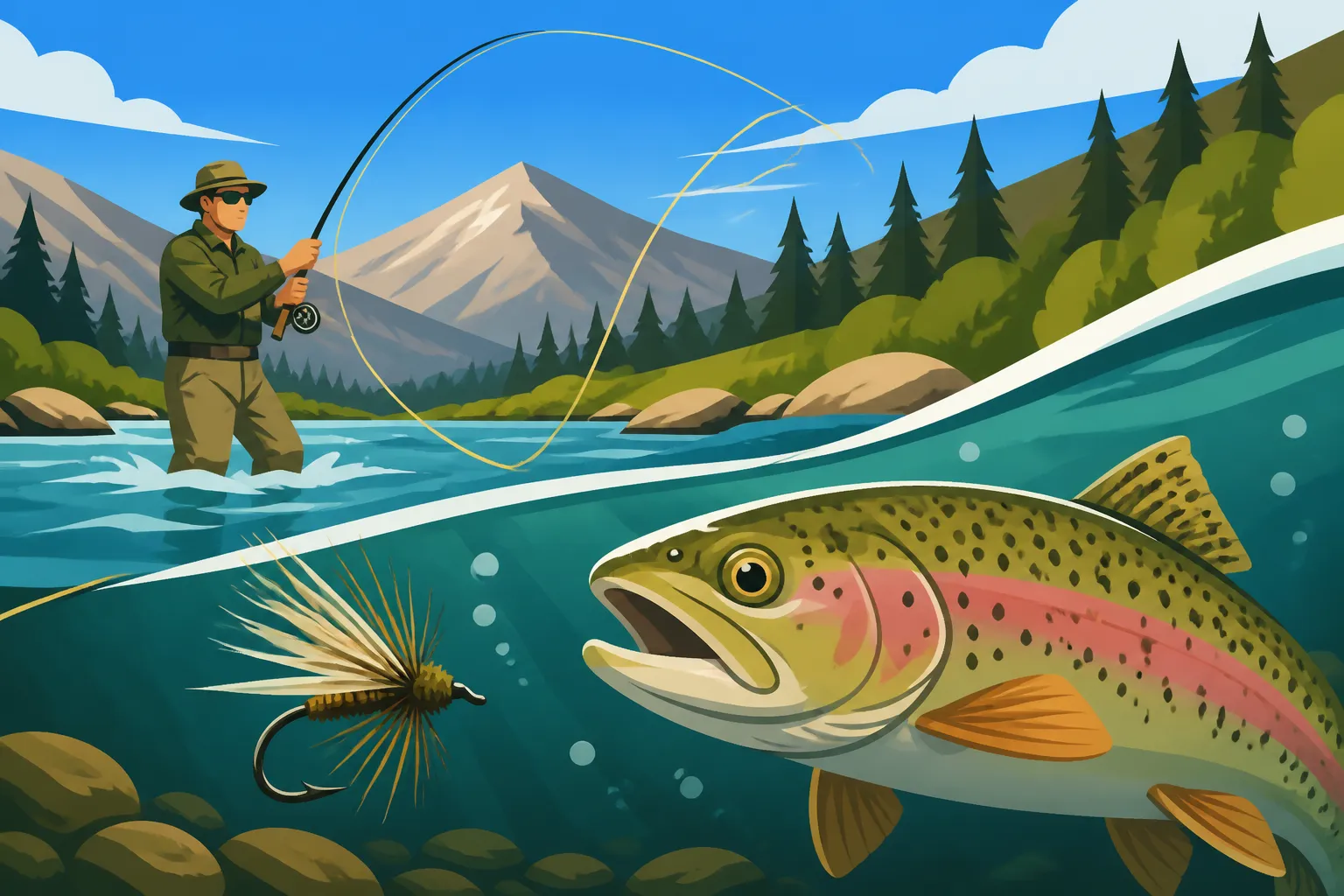
Understanding the "Match the Hatch" Philosophy
The phrase "matching the hatch" gets thrown around a lot in fly fishing circles, and for good reason. It's the cornerstone of effective dry fly fishing and often crucial for nymphing too. But what does it truly mean, and why is it such a critical skill for anyone hoping to fool the finicky trout of Wyoming's famed rivers?
What "The Hatch" Really Means
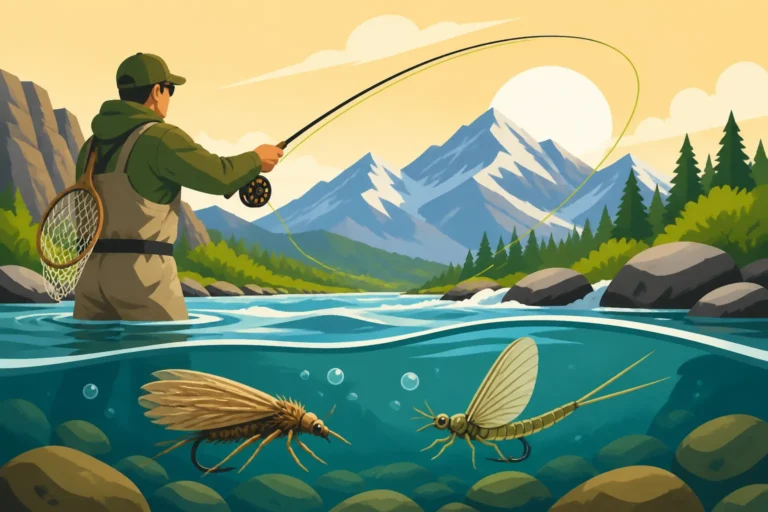
At its heart, "the hatch" refers to a mass emergence of aquatic insects from the river bottom or banks, transforming from their larval or pupal stages into adult winged insects. Think of it as a buffet opening up for the fish. These insects include mayflies, caddisflies, stoneflies, and midges, among others. When a "hatch" is on, thousands, sometimes even millions, of these insects might be flying, floating, or swimming in and on the water, providing an irresistible food source for trout. The term isn't limited to just adult insects, though. Trout will also key in on the emerger stage (when the insect is trying to break free of the water's surface film) or even the nymph/larval stage as they migrate to hatch.
It's a phenomenon driven by water temperature, light conditions, and the specific life cycles of various insect species. For us anglers, it means that at certain times, the trout become incredibly selective, focusing almost exclusively on these abundant insects. Your goal, then, is to present a fly that mimics the size, shape, and color of whatever natural insect the trout are currently feeding on, whether it's an adult floating on the surface or a nymph drifting just below. Without this understanding, you're essentially offering a dish the fish aren't hungry for, no matter how perfectly tied your fly might be.
Why It Matters More Than You Think
In the clear, nutrient-rich waters of Wyoming's blue-ribbon trout streams like the North Platte or the Snake River, trout have an incredible abundance of food. This makes them highly opportunistic but also incredibly discerning when a major hatch is underway. They're not just taking any insect; they're taking the insect that's most prevalent and easiest to catch at that moment. Imagine walking into a gourmet restaurant where your favorite dish is being served en masse – you wouldn't bother with anything else, right? Trout operate on a similar principle.
If you're not matching what's available, you're going to see a lot of refusals, or worse, no attention at all. This is especially true on heavily fished waters where trout have become "educated" to less-than-perfect imitations. It's not just about what's hatching either; it's also about what phase the insect is in. Are they taking nymphs drifting along the bottom, emergers struggling in the film, duns floating on the surface, or spinners dying after mating? Each phase requires a different fly pattern and presentation. Truly understanding this greatly increases your chances of success, transforming a frustrating day into a memorable one filled with active fish. Mastering the art of Fly Fishing Techniques for Wyoming Trout Streams is made exponentially easier when you know exactly what the fish are looking for.
The Art of Observation: The First Step
Before you even think about what fly to tie on, you need to become a keen observer. This is truly the first and most critical step in matching the hatch. When you approach a river, don't just immediately start casting. Instead, take a few minutes – or even longer – to simply watch. What do you see on the water? Are there insects flying in the air? Are dead or dying insects floating by? Are there any bugs crawling on the rocks along the bank? This initial scout can tell you volumes.
Look for rising fish. How are they rising? Are they making a gentle sip, indicating they're taking insects from the surface film (emergers or small adults)? Or are they splashing aggressively, suggesting they're chasing larger, more active adults or even terrestrials that have fallen into the water? Sometimes, you'll see a fish "porpoise" – a slow, deliberate rise and fall, often indicating they're feeding on nymphs just below the surface. If you don't see any activity on the surface, don't despair! That often means the fish are feeding subsurface on nymphs, and you'll need to focus on Nymphing Techniques for Wyoming Tailwaters instead of dry flies.
A simple magnifying glass or a small clear jar (like a sample jar you can find on Amazon) can be incredibly useful here. Scoop up some water from the current, or gently net a few insects flying around. Examine them closely: What color are they? How big are they? Do they have wings, or are they still developing? These details will be your blueprint for selecting the right imitation from your fly box. Without careful observation, you're just guessing, and in Wyoming's challenging waters, guessing often leads to disappointment.
Decoding Wyoming's Aquatic Insect Life Cycles
Wyoming's rivers boast a rich diversity of aquatic insects, each with its own unique life cycle and hatch patterns. Knowing the major groups – mayflies, caddisflies, stoneflies, and midges – and understanding their general emergence habits is fundamental to successful hatch matching. These are the primary food sources that drive trout behavior for much of the year.
Mayflies: The Elegant Dancers
Mayflies (Ephemeroptera) are perhaps the most iconic fly fishing insects, known for their upright wings and delicate appearance. Their life cycle typically involves eggs laid in the water, which hatch into nymphs that live on the river bottom. When conditions are right (usually dictated by water temperature and photoperiod), these nymphs migrate to the surface, emerge from their shuck, and transform into winged adults called "duns." These duns float on the surface, drying their wings, before flying off to mate. After mating, the females return to the water to lay eggs, and both sexes eventually die, falling back to the surface as "spinners."
Trout absolutely gorge on mayflies during all stages of their emergence. The key is to know which stage the fish are focusing on.
- Nymphs: Before the hatch, nymphs drift along the bottom. Patterns like a Pheasant Tail or Hare's Ear are staples.
- Emergers: As nymphs rise to the surface, they're vulnerable. Soft Hackles or Klinkhammer patterns are excellent choices for this stage.
- Duns: These are the classic "dry fly" targets. Think Parachute Adams, Blue-winged Olives (BWO), or Green Drakes. Their upright wings make them easily identifiable.
- Spinners: Once they fall back to the water, they're spent and easy targets. Spinner falls can trigger incredible feeding frenzies, often at dusk. Try a Rusty Spinner or a tiny Trico spinner.
Prominent Wyoming mayfly hatches include the famous Blue-Winged Olives (BWOs) in spring and fall, Pale Morning Duns (PMDs) in early summer, and the massive Green Drakes on certain rivers like the North Platte. You'll definitely want to have your fly box stocked with a variety of these patterns, ready for when these elegant dancers take to the water.
Caddisflies: The Frenetic Flutterers
Caddisflies (Trichoptera) are another vital food source for Wyoming trout, often emerging in greater numbers than mayflies and with a more erratic, "fluttery" flight. Their life cycle is also distinct: eggs hatch into larvae, many of which build protective cases out of sand, pebbles, or twigs. These larvae then pupate, and when ready, the pupae rapidly swim to the surface, burst through the film, and quickly fly off as adults. Unlike mayflies, caddis adults don't have the distinct upright wings; their wings typically fold back tent-like over their bodies.
The aggressive nature of caddisfly emergence often drives trout into a feeding frenzy, sometimes resulting in splashy, excited rises.
- Larvae/Pupae: These are active swimmers. Patterns like a Peeking Caddis or a Hare's Ear nymph (which can imitate both caddis and mayfly nymphs) are effective.
- Emergers: The rapid ascent and struggle through the surface film make caddis emergers a prime target. Sparkle Pupas or LaFontaine's Caddis Emerger are great.
- Adults: Once on the surface, caddis adults can skitter, flutter, and fly, making them challenging but rewarding to imitate. Elk Hair Caddis and Goddard Caddis are classic choices. When fish are aggressively slashing at the surface, it's often a sign of a strong caddisfly hatch. You might find a whole section on Matching Caddis Hatches on Wyoming Rivers especially helpful if you're targeting specific caddis events.
Caddisfly hatches can occur throughout the warmer months in Wyoming, with different species emerging at various times. Look for them in spring and early summer, and again in late summer and fall. Their frenetic activity can make for some of the most exciting dry fly fishing experiences.
Stoneflies: The Beefy Bottom Dwellers
Stoneflies (Plecoptera) are the "big bugs" of the aquatic insect world, especially revered by anglers looking for larger trout. Their nymphs are robust, often found crawling on the bottom of swift, oxygenated rivers. Unlike mayflies and caddisflies, stonefly nymphs don't typically swim to the surface to emerge. Instead, they crawl out of the water onto rocks, logs, or bankside vegetation to shed their shuck and transform into adults. The adults are usually large, clumsy flyers, often seen crawling back into the water to lay eggs.
Because of their size, stonefly nymphs and adults represent a substantial meal for trout, making them particularly attractive.
- Nymphs: Stonefly nymphs are a year-round food source, often imitated with patterns like a Pat's Rubber Legs, Girdle Bug, or a two-tone Kaufmann's Stone. Fishing these deep, often with added weight, is highly effective, particularly as they migrate towards the banks to emerge.
- Adults: The large size of adult stoneflies makes them a tempting target for big trout. Patterns like a Salmonfly, Golden Stone, or Stimulator are used to imitate these hefty insects. Fishing these close to the banks or under overhanging vegetation, where adults might fall into the water, can be incredibly productive.
Wyoming is famous for its massive salmonfly and golden stonefly hatches on rivers like the North Platte and the Green River. These hatches are spectacular events, drawing anglers from around the world. Knowing when and where to find these "beefy bottom dwellers" can lead to some truly impressive fish. Sometimes Streamer Fishing for Wyoming Brown Trout can also mimic larger stonefly nymphs or even small baitfish that accompany these hatches.
Midges and Terrestrials: The Little Things
While mayflies, caddisflies, and stoneflies steal much of the spotlight, don't underestimate the importance of midges and terrestrials. These "little things" often sustain trout when major hatches aren't occurring or provide supplemental meals.
- Midges (Chironomidae): These tiny, two-winged insects are omnipresent in Wyoming waters, hatching throughout the year, even in the dead of winter. Trout are almost always feeding on midge larvae, pupae, or adults. Midges are often so small that trout simply sip them from the surface film or take their pupal forms subsurface. Small Zebra Midges, Griffith's Gnats, or tiny Parachute Adams (size 20-24) can be deadly. When you see fish rising subtly in calm water, especially in cold weather, it's often midges they're keying on.
- Terrestrials: These are land-dwelling insects that accidentally fall into the water. Ants, beetles, grasshoppers, and crickets are prime examples. Terrestrial fishing is usually best during the warmer months, from late spring through fall, especially on windy days or when stream flows are lower. A well-placed foam hopper, beetle, or ant pattern near the bank can entice some surprisingly aggressive strikes from larger trout. Many excellent patterns for these can be found on Amazon, making it easy to replenish your supply for a Wyoming road trip. These accidental meals are often overlooked by anglers focused solely on aquatic hatches but can be incredibly important, especially in sections of rivers bordered by meadows or tall grasses.
These smaller or incidental food sources fill in the gaps between major hatches and can be absolute lifesavers on days when nothing else seems to be working. Being prepared for the full spectrum of a trout's diet is key.
Strategies for Successful Hatch Matching on Wyoming Rivers
It’s one thing to know what a hatch is, and which bugs are out there, but it’s another thing entirely to put that knowledge into practice on the river. The real magic happens when you combine observation with tactical choices. Here are the core strategies to master for successful hatch matching in Wyoming.
Identifying the Active Insect
This is where your observation skills truly pay off. You’ve scoped out the water, seen some rises, and maybe even netted a few bugs. Now, you need to confidently identify what the fish are actually eating.
First, compare the insects you've seen or collected with the flies in your box. Pay close attention to:
- Size: This is arguably the most important factor. If the naturals are a size 16 mayfly, and you’re throwing a size 10 stonefly, you’re likely to be ignored. Use your judgement; if you don't have an exact match, err on the side of slightly smaller rather than larger.
- Shape: Do the wings stand upright like a mayfly dun, or are they tented like a caddis? Is the body slender or stout? Is there a shuck trailing? These details inform your pattern choice.
- Color: While fish are more sensitive to size and shape, color can be the tiebreaker. Is the body olive, tan, brown, or gray? Are the wings clear or mottled?
- Behavior: How are the naturals acting? Are they drifting lazily? Skittering quickly? Struggling in the surface film? This dictates not just the fly pattern but also your presentation.
Don't just look for adults; look for nymphs and emergers. Sometimes, a "blind" nymph drift through a riffle where you expect a hatch to occur can be very effective just before the duns start to pop. If you're on a river like the North Platte, for example, and you see a few small, dark-winged insects fluttering, and fish are rising subtly, you're likely looking at a BWO hatch. If you see larger, tan insects skittering, it's probably caddis. The more you fish, the quicker you'll be able to spot these patterns.
Selecting the Right Fly Pattern
Once you've identified the active insect, it's time to choose your imitation. This isn't just about grabbing a fly that looks somewhat similar; it's about precision.
Start with the closest match you have in terms of size, shape, and color. For example, if you've identified a size 18 Pale Morning Dun (PMD) dun, reach for your PMD Parachute or Sparkle Dun in an 18. If that doesn't work, don't immediately switch to a different insect imitation. Instead, vary the stage. If they're rejecting your dun, try a PMD emerger pattern in the same size. Still no luck? Perhaps a PMD nymph, drifted just below the surface. Sometimes, a slight variation in color or a pattern with a different material (like a CDC wing versus a calf hair wing) can make all the difference.
Consider the "profile" a fly presents in the water. A good example is comparing a standard Elk Hair Caddis to a Goddard Caddis. Both imitate adult caddis, but the Goddard sits lower and bulkier on the water, while the Elk Hair often rides higher. Trout might prefer one over the other on a given day, based on how the naturals are behaving. For general guidance on what to carry, you can check out resources like Best Wyoming Fly Patterns for Cutthroat Trout.
Don't be afraid to experiment, but do so systematically. Change one variable at a time: first size, then stage, then color. Swapping flies every other cast without a clear strategy will lead to frustration, not fish.
Presentation is Everything
You can have the perfect fly, an exact match for the hatch, but if your presentation is sloppy, you won't catch fish. Trout are incredibly sensitive to drag, leader flash, and unnatural drifts. Think about how the natural insect would float or move in the current. Your fly needs to do the same.
- Drag-Free Drift: This is paramount, especially for dry flies. Your fly must float at the same speed as the current, without any unnatural tugging from your line. This often means making upstream casts, mending your line to keep slack out, and repositioning your rod tip. On fast-moving rivers, getting a truly drag-free drift can be a huge challenge. Learning How to Read Water When Trout Fishing is crucial for finding the seams and currents that allow for a perfect drift.
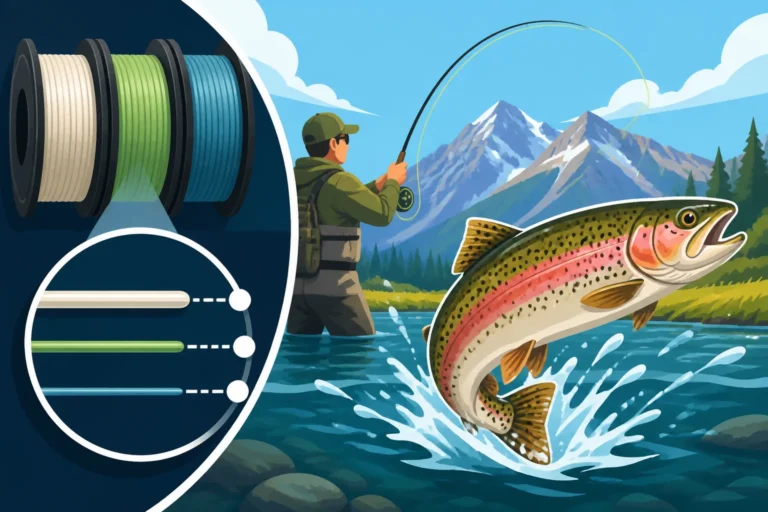
- Leader and Tippet: Use the lightest tippet you can get away with for the size of the fly and the strength of the fish. Thinner tippet is less visible and allows for a more natural drift. For tiny flies and wary fish, you might be dropping down to 6x or 7x tippet. Sometimes, a longer leader, perhaps 10-12 feet, can help keep the fly line further from the fish and allow for a more subtle presentation. Companies like Rio and Scientific Anglers offer excellent options, and you can easily find their products on Amazon.
- Casting Accuracy: Put your fly where the fish are. If they're rising along an undercut bank, you need to land your fly precisely there, not two feet out in the current. If they're in a specific feeding lane, hit that lane. Practice your casting so you can consistently place your fly accurately and delicately.
- Approach: Be stealthy. Walk slowly, avoid casting shadows over the water, and wear drab clothing that blends in with the environment. Trout are easily spooked, especially in clear water. A careful approach often translates to more casting opportunities and less spooked fish.
Remember, a perfect presentation with a slightly "off" fly will often outfish a perfect fly with a sloppy presentation. The goal is to make the fly look as much like a natural, unsuspecting insect as possible.
Essential Gear and Tools for the Savvy Angler
Beyond your basic rod, reel, and waders, there are specific pieces of gear and tools that will significantly enhance your ability to match the hatch. These items are about making you a more observant, adaptable, and ultimately, more successful angler on Wyoming's diverse rivers.
Leader and Tippet Considerations
Your leader and tippet setup are the invisible link between you and the fish, and they play a critical role in presentation. When matching the hatch, especially with small flies or wary fish, having the right leader and tippet is non-negotiable.
- Tippet Size: This is paramount. If you're fishing tiny midges or Tricos (size 20-24), you'll need fine tippet, typically 6X or 7X, to ensure a natural drift and avoid spooking fish. For larger dries like hoppers or stoneflies, 4X or 3X might be appropriate. The general rule is: smaller fly, lighter tippet.
- Tippet Material: Most anglers use nylon tippet, which is generally more forgiving and cheaper. However, fluorocarbon tippet, while more expensive and less forgiving in terms of knot strength if not tied carefully, is virtually invisible underwater due to its refractive index being close to that of water. For extremely clear water and highly selective fish, especially when nymphing, fluorocarbon can make a significant difference. It also sinks faster, which can be an advantage when trying to get nymphs down quickly. You'll find a wide array of options from brands like Rio, Seaguar, and Umpqua on Amazon.
- Leader Length and Taper: A longer leader (9 to 12 feet) can help keep your fly line further from the fish, reducing spooking and aiding in a drag-free drift. The taper of your leader is also important; it should turn over your fly smoothly and delicately. For delicate dry fly presentations, a longer, finer-tipped leader is usually preferred. When doing Dry Fly Fishing on the North Platte River for selective trout, these nuances in leader and tippet can truly make or break your day.
Carrying a variety of tippet spools (from 3X to 7X) in your vest or pack is essential. Don't be afraid to change your tippet frequently if it gets abraded or if you need to go down a size for especially finicky fish.
Specialty Fly Boxes and Organization
A disorganized fly box is an angler's nightmare when a hatch suddenly pops off. You need to be able to find the right fly, in the right size, quickly. Specialty fly boxes and good organization are key to this efficiency.
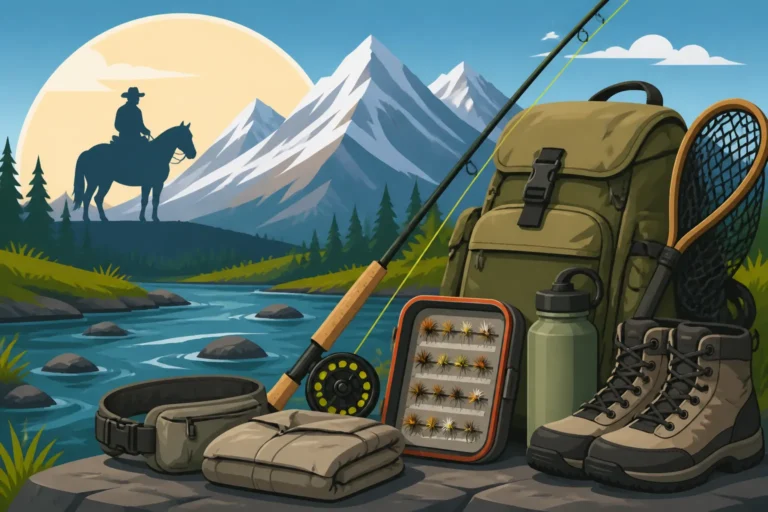
- Compartmentalized Boxes: Look for fly boxes with individual compartments or slotted foam that securely hold flies. This prevents them from getting crushed or tangled. Some boxes are specifically designed for small dries, while others accommodate larger streamers.
- Hatch-Specific Organization: Many experienced anglers organize their flies by insect type and size. For example, one box for mayfly dries (BWOs, PMDs, Drakes), another for caddis, and perhaps a smaller box dedicated to midges and tiny emergers. This way, when you identify a BWO hatch, you know exactly which box to reach for.
- Clear Lids: Boxes with clear lids allow you to quickly see the contents without opening them, saving precious time on the water.
- Waterproof Options: Wyoming weather can be unpredictable. Investing in waterproof fly boxes protects your valuable flies from getting wet and rusty. Brands like Umpqua and Tacky offer excellent, durable fly boxes.
Keeping your fly boxes stocked and well-organized means you'll spend less time rummaging and more time fishing. It also ensures your flies remain in good condition, ready to fool those wary trout.
Water-Specific Observation Tools
While your eyes are your primary tools for observation, a few specialized items can significantly enhance your ability to identify active insects and choose the correct imitation.
- Magnifying Glass/Loup: A small jeweler's loupe or a simple magnifying glass is invaluable for identifying tiny insects. Scoop up a bug from the water or off a streamside rock, and use your magnifier to discern subtle details like wing shape, segment patterns, or color variations that might be invisible to the naked eye. This helps you select a fly that truly matches the naturals.
- White Collection Tray: A white plastic tray (even a small, cheap plastic plate) can be incredibly helpful. Simply hold it in the current to collect any nymphs, emergers, or spent adults drifting by. The white background makes it easy to see and identify the insects, giving you a real-time snapshot of what's available to the fish.
- Thermometer: Water temperature is a huge factor in insect hatches and trout activity. A small stream thermometer, easily clipped to your vest, tells you when certain hatches are likely to occur and helps you understand fish behavior. For instance, How Water Temperature Affects Trout Feeding is directly linked to hatch activity; knowing the water temperature can help predict when a specific hatch might start or end. Many hatches, like PMDs, thrive within certain temperature windows.
These tools are not just "nice-to-haves"; they are essential for serious hatch matching. They turn guesswork into informed decisions, giving you a distinct advantage on the river.
Navigating Challenges and Adapting Your Approach
Even the most experienced anglers will tell you that matching the hatch isn't always straightforward. Wyoming's rivers can present unique challenges that test your patience and adaptability. Knowing how to navigate these hurdles can save your day.
Dealing with Multiple Hatches
One of the trickiest scenarios in fly fishing is when multiple insect species are hatching simultaneously. This often happens during periods of stable weather and ideal water temperatures, particularly in late spring or early summer. You might see small BWOs, larger PMDs, and a few caddisflies all emerging at once. The trout, being opportunistic, might be feeding on all of them, or they might be highly selective to just one.
When faced with multiple hatches, here's a strategic approach:
- Observe Dominance: First, try to identify if one insect species is significantly more abundant than the others. If there are hundreds of PMDs and only a few BWOs, start with a PMD imitation.
- Look for Selective Rises: Watch the individual fish rises. Are they consistently taking a specific size or type of insect? If you see a fish rising aggressively to larger insects, but ignoring the smaller ones, focus on the larger imitation.
- Start with the Most Prevalent or Largest: Generally, trout will key in on the most prevalent food source or the largest available meal. If you can't discern a clear preference, begin with the most abundant or the largest insect you see, and then scale down in size or switch species if you're getting refusals.
- Try a Two-Fly Rig: Sometimes, presenting two different dry flies (e.g., a larger PMD with a smaller BWO dropper) can help you determine what the fish are keying on. Just make sure your leader and tippet can handle the extra drag and that your casting is precise enough to avoid tangles. This can also be effective when exploring Dry Fly Fishing on the North Platte River during a busy hatch.
It's a process of elimination, but systematic observation and thoughtful fly selection will eventually reveal the fish's preference.
The Frustration of a "Fake" Hatch
This is a common, and often maddening, experience. You arrive at the river, see a seemingly strong hatch of insects, and eager trout rising everywhere. You tie on the perfect imitation, make a flawless cast, and… nothing. The fish either ignore your fly entirely or give it a subtle, inspecting sniff before turning away. This is the "fake" hatch, and it can drive even seasoned anglers crazy.
There are several reasons this might happen:
- Fish are Taking a Different Stage: You might be matching the adult dun, but the fish are focused on the emerger just below the surface film, or the nymph still struggling to rise. The trout are "looking through" the adults to target the more vulnerable stage.
- Micro-Nuisances: Sometimes, the natural insects have tiny characteristics (like a specific body segmentation, wing veining, or subtle color variation) that your imitation lacks. The fish, having seen thousands of naturals, can spot the slightest imperfection.
- Too Many Naturals: In an extremely dense hatch, your single imitation can simply get lost in the crowd of thousands of natural insects. The odds of a fish picking out your fly become incredibly small.
- Subsurface Feeding: The fish might actually be feeding almost entirely subsurface, only occasionally sipping a surface insect out of habit or convenience. Their primary meal is still below.
When encountering a fake hatch, don't give up.
- Switch Stages: If they're rejecting your dry, try an emerger pattern. If that fails, go to a nymph of the same insect, perhaps suspended under an indicator.
- Downsize or Upsize: Sometimes, a slightly smaller or larger pattern can make a difference.
- Vary Color/Shade: Even a subtle shift in olive or brown can turn refusals into takes.
- Add a Midge: If all else fails, and fish are rising, try a tiny midge pattern. Midges are almost always present, and fish will often eat them even during a larger hatch if the primary food source is too abundant or the imitations aren't perfect.
When Fish Don't Cooperate: Beyond the Hatch
There will be days when no discernible hatch is occurring, or the fish simply aren't responding to any of your hatch-matching efforts. This is when you need to think "beyond the hatch" and consider alternative strategies.
- Go Subsurface with Nymphs: If fish aren't rising, they're almost certainly feeding on nymphs, larvae, or other invertebrates on the river bottom. A two-nymph rig, perhaps a heavier stonefly nymph as an anchor with a smaller mayfly or caddis nymph dropper, can be incredibly effective. Focus on drifting these rigs through deeper runs, riffles, and current seams. Nymphing Techniques for Wyoming Tailwaters are often the most consistent way to catch fish, even when there's no visible hatch.
- Throw Streamers: Sometimes, trout, especially larger brown trout, are not looking for insects at all. They're predatory and are hunting smaller baitfish, leeches, or crayfish. A well-presented streamer, stripped through deeper pools, around structure, or swung across currents, can trigger aggressive takes. This is often the best strategy for targeting trophy-sized fish. Exploring Streamer Fishing for Wyoming Brown Trout can open up a whole new world of angling possibilities.
- Terrestrials (Seasonally): During summer and early fall, when aquatic hatches might be sparse, terrestrials like grasshoppers, ants, and beetles can be incredibly productive. Cast these patterns tight to the banks, under overhanging branches, or in windy sections where insects are likely to be blown into the water.
- Cover Water and Seek Structure: If fish aren't actively rising or feeding in open water, they'll likely be holding in deeper, more protected areas. Focus your efforts on deep pools, undercut banks, current seams, and around large rocks or fallen logs. These are classic holding lies for trout, offering them security and easy access to drifting food. Learning Reading Riffles and Runs on Wyoming Trout Streams can help you identify these key holding spots.
The key is adaptability. Don't get stuck on one technique or one type of fly if it's not working. The trout will tell you what they want; your job is to listen and adjust.
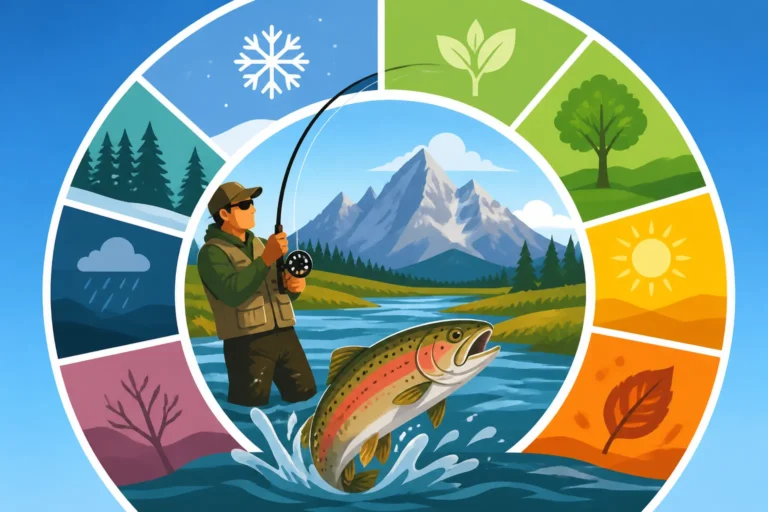
Seasonal Hatch Calendars for Wyoming's Major Rivers
Understanding the general timing of hatches throughout the year is incredibly valuable. While specific dates can vary based on water temperature, snowmelt, and weather patterns, knowing what to generally expect in each season will help you prepare your fly box and strategize your trips to Wyoming's fantastic rivers.
Spring Awakens: Early Season Hatches
Spring in Wyoming is a season of transition, marked by fluctuating temperatures and often unpredictable weather. As snow melts and water temperatures slowly begin to rise, the aquatic world starts to awaken, and trout become more active after the lean winter months.
- Midges (Year-Round, but Dominant in Spring): These tiny insects are a staple, especially in colder early spring water. Don't underestimate them. Tiny Zebra Midges, Griffith's Gnats, or even tiny dry midge clusters in sizes 18-24 can be extremely effective. Trout will often key in on the pupal stage, making midge pupa imitations deadly.
- Blue-Winged Olives (BWOs): These small, dark mayflies are often the first significant mayfly hatch of the year. Look for them on cloudy, overcast days, particularly in the afternoons, on rivers like the North Platte, Green, and Snake. BWO duns (size 18-22) can bring selective trout to the surface, and their nymphs are also a consistent food source. Having a good supply of BWO patterns is crucial for How to Choose Fly Size for Early Season Hatches.
- Early Caddis (Mother's Day Caddis): Depending on the river and water temperatures, you might see early caddisfly hatches, sometimes referred to as "Mother's Day Caddis" around mid-to-late May. These can be tan or olive, in sizes 14-18, and often prompt aggressive surface rises.
- Skwala Stoneflies: On some western Wyoming rivers, particularly the Snake, a localized Skwala stonefly hatch can occur in early spring. These are large, olive/brown stoneflies (size 8-12) and can bring big fish up.
Spring fishing can be excellent, but be prepared for cold weather and rapidly changing water conditions. Keep a variety of nymph patterns handy, as subsurface feeding is often the most consistent strategy during runoff, as described in Fishing Wyoming During Spring Runoff.
Summer's Bounty: Peak Season Activity
Summer is prime time for fly fishing in Wyoming, offering the most consistent and diverse hatches. Longer days, warmer water, and abundant insect life mean active trout and plenty of dry fly opportunities.
- Pale Morning Duns (PMDs): As spring gives way to summer, PMDs (size 14-18) become incredibly important. These cream or pale yellow mayflies hatch throughout the day, often in large numbers, providing sustained dry fly fishing. Both dun and emerger patterns are key.
- Caddisflies: Various species of caddisflies continue to hatch throughout the summer, from small tan caddis to larger dark caddis. The Elk Hair Caddis in multiple sizes (12-18) is a must-have.
- Green Drakes/Brown Drakes: These larger mayflies (size 10-14) provide exciting, albeit often localized, hatches on certain rivers, particularly the North Platte and some larger mountain streams. Their sheer size makes them an attractive meal, often bringing out larger trout.
- Golden Stoneflies/Salmonflies: The iconic stonefly hatches are summer highlights. Golden Stones (size 6-12) typically precede the massive Salmonfly hatch (size 4-8), often around late May to early July, depending on the river. These are the "power hatches" that can entice the biggest fish.
- Terrestrials: From late June through September, terrestrials become a huge part of the trout's diet. Grasshoppers, ants, and beetles (size 8-16) are essential patterns, especially when fished tight to grassy banks on sunny, breezy days.
- Tricos: In late summer, particularly on flatter, slower sections of rivers, the tiny Trico mayfly hatch (size 20-26) can occur, typically in the mornings. These tiny flies can bring incredibly selective fish to the surface, demanding delicate presentation and fine tippet.
Summer offers the most options, but also often the most crowded conditions. Early mornings and late evenings can be particularly productive as fish move into shallower water to feed. If you're planning a multi-day trip, consulting a guide or local fly shop for the most current hatch reports is always a good idea. For those embarking on a journey through the state, this kind of specific knowledge is invaluable, especially if you're building a Best Fishing Spots for a Wyoming Road Trip itinerary.
Autumn's Last Dance: Fall Transitions
Fall is a favorite season for many Wyoming anglers, offering vibrant foliage, fewer crowds, and often aggressive trout preparing for winter. Hatches transition, and larger fish become more active, especially brown trout.
- Blue-Winged Olives (BWOs): The BWO hatch makes a strong comeback in the fall (size 18-22), often coinciding with cooler, overcast days. This can provide some of the best dry fly fishing of the season.
- Mahogany Duns: These medium-sized, reddish-brown mayflies (size 14-18) are another important fall hatch, often mixing with BWOs.
- Caddisflies: While not as prolific as in summer, smaller caddis hatches will continue into the fall, especially on warmer days.
- Midges: As temperatures drop, midges become increasingly important, providing consistent activity even on the coldest fall days.
- Terrestrials: Grasshoppers and beetles remain viable options in early fall, particularly on warm, sunny afternoons, until the first hard freezes.
- Brown Trout Spawning Runs: While not a "hatch," fall is when brown trout migrate upstream to spawn. These aggressive fish are often more willing to chase larger streamer patterns, making it a prime time for targeting trophies. Fishing the October brown trout run is a highly anticipated event on many rivers.
Fall fishing offers a unique blend of dry fly opportunities and aggressive subsurface action. The trout are packing on calories, and their willingness to chase a well-presented fly makes for incredibly rewarding days.
Table: Common Wyoming Hatches by Season
To help visualize the general timing, here's a quick overview of some of the most common and important hatches you'll encounter on Wyoming rivers:
| Insect Type | Species / Pattern Name | Size Range | Primary Season(s) | Typical Water Temps (F) | Notes |
|---|---|---|---|---|---|
| Mayflies | Blue-Winged Olive (BWO) | 18-22 | Spring, Fall, Winter | 40-55 | Overcast days, can hatch year-round in tailwaters. |
| Pale Morning Dun (PMD) | 14-18 | Late Spring, Summer | 50-65 | Often prolific, cream/pale yellow color. | |
| Green Drake | 10-14 | Early Summer | 55-68 | Localized, large mayfly; exciting rises. | |
| Trico | 20-26 | Mid-Late Summer (AM) | 60-70 | Tiny, often cause very selective feeding in mornings. | |
| Mahogany Dun | 14-18 | Fall | 45-58 | Reddish-brown, can be strong on overcast days. | |
| Caddisflies | Elk Hair Caddis (general) | 12-18 | Spring, Summer, Fall | 50-70 | Numerous species, aggressive rises; often skitter. |
| Mother's Day Caddis | 14-16 | Late Spring | 50-58 | Early, sometimes massive, tan/olive caddis. | |
| Stoneflies | Skwala Stonefly | 8-12 | Early Spring (limited) | 45-55 | Large, olive-brown; specific to western rivers. |
| Golden Stonefly | 6-12 | Early-Mid Summer | 55-68 | Precedes salmonflies; excellent nymph and dry fly fishing. | |
| Salmonfly | 4-8 | Early Summer | 58-70 | Massive, highly anticipated hatch; brings big fish up. | |
| Midges | Zebra Midge, Griffith's Gnat | 18-24 | Year-Round | 35-70 | Consistently available, especially in colder months or slow water. |
| Terrestrials | Grasshopper | 8-14 | Summer, Early Fall | Any | Blown into water, especially on windy days near grassy banks. |
| Ant | 16-20 | Summer, Early Fall | Any | Found near banks, often overlooked; can be very effective. | |
| Beetle | 14-18 | Summer, Early Fall | Any | Black or brown, effective near woody debris. |
This table provides a general overview, but always remember that local conditions and specific river characteristics can influence hatch timing. Always check local fly shop reports for the most up-to-date information before you head out.
Disclaimer
Fishing regulations, conditions, and insect hatch timings in Wyoming can change. Always consult the most current Wyoming Game and Fish Department regulations before fishing. This guide is for informational purposes only and does not replace official sources. Be safe, ethical, and practice "Leave No Trace" principles.