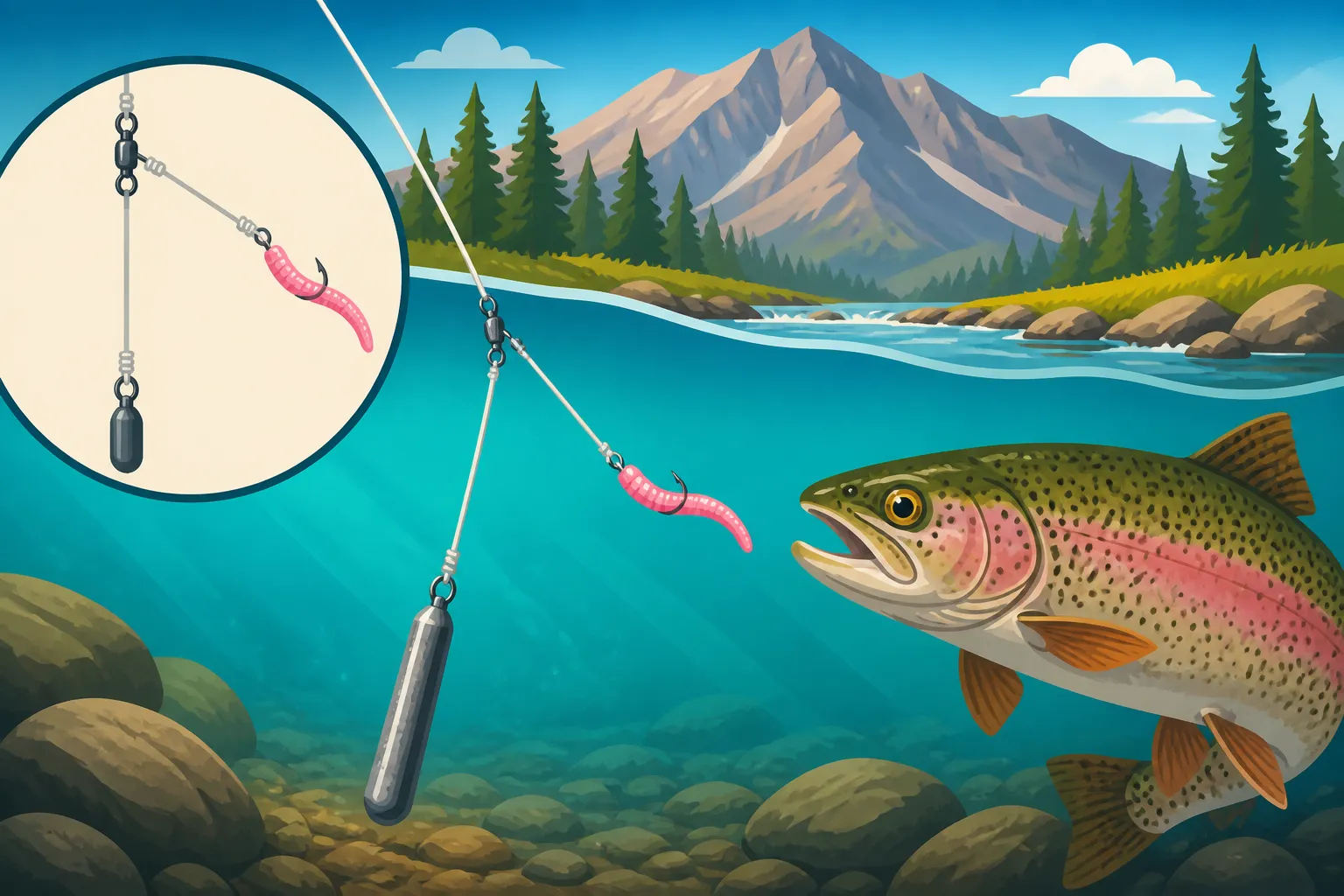
How to Set Up a Drop Shot Rig for Trout
If you've spent any time on the water in Wyoming, you know how incredibly selective and finicky trout can be. Sometimes, those traditional bobber-and-bait setups or even your go-to spinners just aren't cutting it, especially when fish are hugging the bottom or suspended in deep pockets. That's where the drop shot rig comes into its own, offering a subtle, highly effective presentation that can turn a slow day into a memorable one, and this guide is going to walk you through exactly how to master it for those wily Wyoming trout.
Why the Drop Shot Rig is a Game-Changer for Wyoming Trout
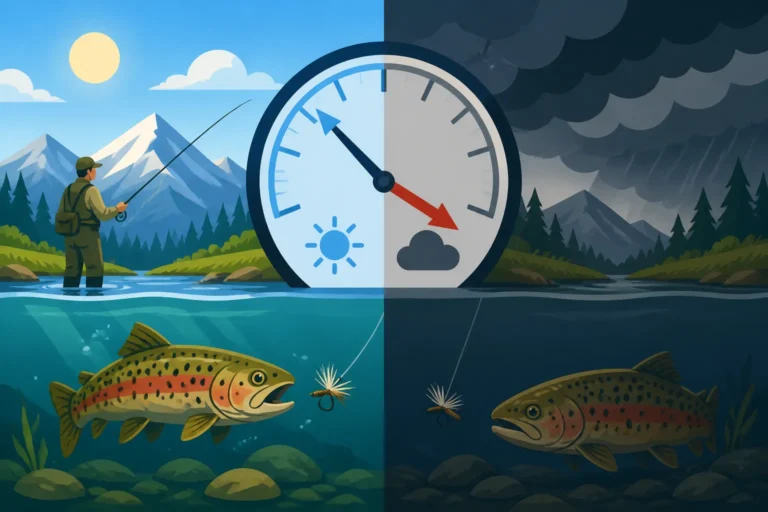
Fishing for trout can often feel like a puzzle, with the fish constantly changing their preferences based on water conditions, insect hatches, and even barometric pressure. Many anglers stick to classic methods, but the drop shot rig provides a distinct advantage, particularly when trout are being shy or holding in specific zones. It's a technique that really shines in clear water and high-pressure situations, which is quite common across Wyoming's stunning rivers and lakes.
Understanding Trout Behavior and Where They Feed
Trout, whether we're talking about the vibrant cutthroats in the Snake River or the feisty rainbows in the North Platte, are opportunistic feeders, but they're also highly attuned to their environment. They often hold in current breaks, behind rocks, under undercut banks, or in deep pools, waiting for food to drift by. When they're not actively chasing flies on the surface or darting after flashy lures, they're often feeding near the bottom or suspended just above it, picking off nymphs, scuds, or small baitfish. This is especially true in colder water, where their metabolism slows, and they're less inclined to expend energy chasing fast-moving prey. Understanding How Water Temperature Affects Trout Feeding can give you a significant edge in these situations. The drop shot rig, with its unique ability to present a bait directly in their strike zone, stationary or with minimal movement, becomes incredibly effective for these bottom-oriented or suspended fish.
The Unbeatable Presentation of a Drop Shot
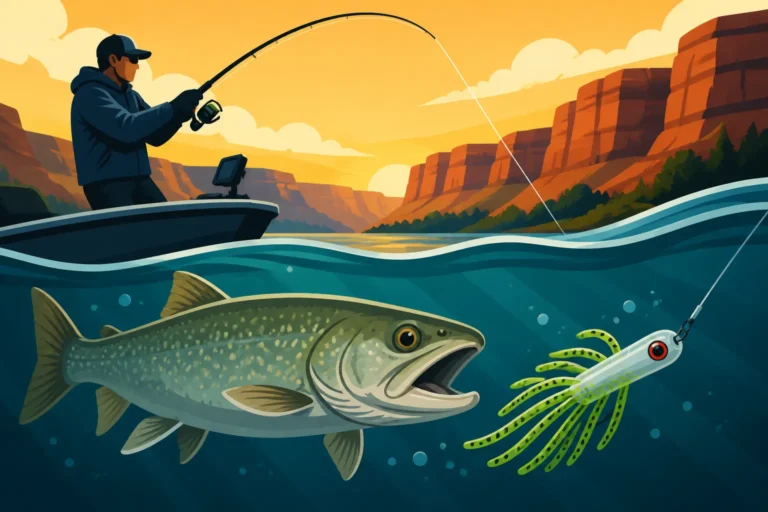
The real magic of the drop shot rig lies in its presentation. Unlike a standard bottom rig where your bait lies directly on the bottom, or a slip sinker rig where the bait is often dragged along, the drop shot keeps your bait suspended above the sinker. This means your lure or bait is always presented horizontally, off the bottom, making it appear more natural and alive to a trout. You can gently twitch your rod, imparting subtle action to the bait without moving the sinker or dragging your presentation out of the strike zone. This delicate "dancing" action is incredibly enticing to even the most wary trout. Imagine a small nymph or an aquatic worm just hovering in the current, subtly pulsing—that's the illusion the drop shot creates. It's a fantastic technique for How to Fish a Deep Pool for Big Trout, where fish might be lying low and need a slower, more direct offering.
Essential Components for Your Wyoming Trout Drop Shot Rig
Before you can start landing those beautiful Wyoming trout with a drop shot, you need to gather the right gear. Don't worry, it's not overly complicated, but having the correct components will make all the difference in sensitivity, presentation, and ultimately, success.
Choosing the Right Rod, Reel, and Line
For drop shot trout fishing, especially in Wyoming's often clear waters, sensitivity is paramount. You want to feel those incredibly light takes.
- Rod: A lightweight spinning rod, typically in the 6'6" to 7'6" range, with a fast action and light or medium-light power, is ideal. The fast action tip allows for precise casting and excellent bite detection, while the backbone provides enough power to set the hook and handle a decent-sized trout. Brands like St. Croix, Fenwick, or even some of the lighter Daiwa or Shimano rods offer excellent sensitivity. If you're accustomed to Best Fly Rod Weight for Wyoming Trout Streams, remember that spinning gear here prioritizes feeling the subtlest of nudges.
- Reel: Pair your sensitive rod with a high-quality, lightweight spinning reel in the 1000 to 2500 size range. A smooth drag system is crucial, especially when battling a strong trout on light line. Look for models from Shimano (like the Sedona or Nasci series) or Daiwa (like the Fuego LT or Legalis LT) that offer smooth retrieves and reliable performance.
- Line: This is where many anglers make mistakes. For drop shot, you'll want to use a main line that offers low stretch for maximum sensitivity, combined with a nearly invisible fluorocarbon leader.
- Main Line: 4-8 lb braided line (like PowerPro or Sufix 832) is an excellent choice for its incredible sensitivity and thin diameter, which aids in casting distance. The low stretch transmits every bump and subtle bite directly to your hands.
- Leader: Connect your braid to a 4-6 lb fluorocarbon leader using a small swivel or a reliable knot like the Double Uni or Alberto. Fluorocarbon is nearly invisible underwater, extremely abrasion-resistant, and sinks, which helps keep your bait in the strike zone. The length of your leader can vary, but typically 3-6 feet works well, allowing you to easily adjust your hook placement. You can find quality braided line and fluorocarbon leader material on Amazon from various reputable brands.
Hooks, Sinkers, and Swivels: The Small Details That Matter
These small pieces of terminal tackle are critical to the drop shot rig's effectiveness. Don't skimp on quality here.
- Hooks: For trout, you'll want small, sharp, light-wire hooks. Wide gap or octopus style hooks in sizes #6 to #10 are generally preferred. The key is to nose-hook your soft plastic or bait, leaving the hook point exposed for a quick, solid hookset. Popular brands include Owner, Gamakatsu, and VMC. The specific hook size will depend on the size of your bait and the average size of trout you're targeting.
- Sinkers: Drop shot sinkers are distinct. They typically feature a line clip or a swivel at the top, allowing you to quickly adjust the depth of your bait by simply sliding the line. Common shapes include cylindrical (pencil), round, or tear-drop, all designed to snag less on the bottom. Weights typically range from 1/8 oz to 1/4 oz for trout, depending on current, depth, and casting distance needed. In heavier currents, you might go up to 3/8 oz. You can easily find various drop shot sinker styles and weights on Amazon.
- Swivels: While optional, a small barrel or micro-swivel can be incredibly useful to connect your braided main line to your fluorocarbon leader. This not only reduces line twist, which can be a nuisance, but also acts as a clean transition point between the two line types. Make sure the swivel is as small and light as possible to maintain sensitivity.
Best Baits and Lures for Drop Shot Trout Fishing
The beauty of the drop shot rig is its versatility in presenting a wide array of baits and lures. For Wyoming trout, here are some top choices:
- Soft Plastic Worms/Grubs: Small, slender soft plastic worms (1-3 inches) in natural colors like brown, green pumpkin, or even a subtle pink can be deadly. Grubs or minnow imitations also work well. Brands like Berkley PowerBait MaxScent Flat Worms or Gulp! Minnows are often very effective due to their scent dispersion. When trout are deep and holding, these soft plastics can be more appealing than traditional lures.
- Small Tube Jigs/Creature Baits: Tiny tube jigs (1-2 inches) or creature baits that mimic aquatic insects can also be nose-hooked and fished on a drop shot for a unique presentation.
- Live Bait: If regulations allow (always check Wyoming Fishing Regulations Every Angler Should Know for bait restrictions on specific waters), live baits like small red worms, mealworms, or wax worms are incredibly effective. Their natural wiggling action on a suspended drop shot hook is hard for any trout to resist.
- Salmon Eggs/PowerBait Nuggets: These classic trout baits can be molded around a small hook for a natural presentation that slowly disperses scent, drawing in curious trout. This can be especially effective for newly stocked fish. Consider these when thinking about Best Bait for Brown Trout in Fall.
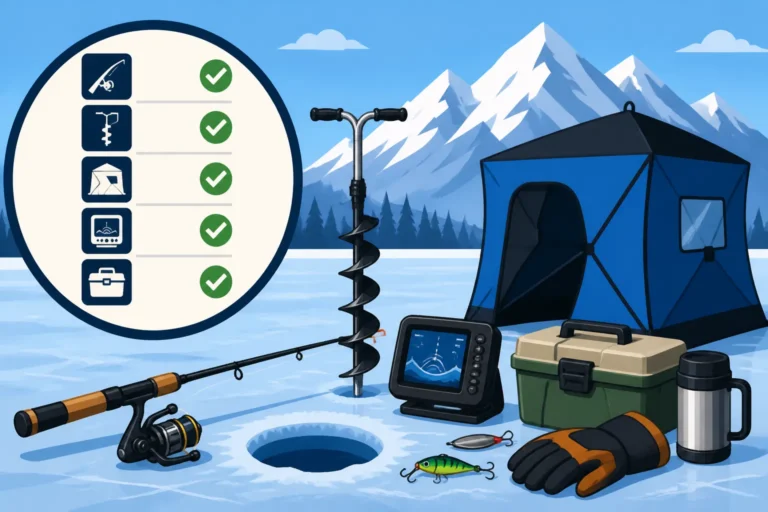
Here’s a quick overview of essential gear:
| Item | Recommendation | Why It's Important |
|---|---|---|
| Rod | 6'6" – 7'6" Light/Medium-Light Power, Fast Action | Sensitivity for bite detection, power for hookset |
| Reel | 1000-2500 Size Spinning Reel | Smooth drag for light line, lightweight for balance |
| Main Line | 4-8 lb Braided Line | High sensitivity, low stretch, thin diameter |
| Leader | 4-6 lb Fluorocarbon (3-6 ft length) | Nearly invisible, abrasion resistant, sinks |
| Hooks | #6 to #10 Wide Gap or Octopus, Light Wire, Sharp | Secure bait, easy hookset, minimal impact on presentation |
| Sinkers | 1/8 oz – 1/4 oz Drop Shot Specific (pencil/tear-drop) | Quick depth adjustment, snag-resistant, holds bait in strike zone |
| Swivels | Small Barrel or Micro Swivel (Optional) | Reduces line twist, clean braid-to-fluoro connection |
| Baits/Lures | 1-3" Soft Plastic Worms, Grubs, Live Worms, PowerBait | Versatile, natural presentation, scent dispersion |
Step-by-Step Guide to Tying a Drop Shot Rig
Now that you have all your components, let's get down to the brass tacks of actually tying this effective rig. It's simpler than you might think, and with a little practice, you'll be tying them quickly on the water.
Preparing Your Line and Tying the Hook
The most crucial part of the drop shot is how you attach the hook. It needs to stand out perpendicularly from the main line, ensuring your bait presents naturally.
- Start with Your Leader: Take a length of your fluorocarbon leader, ideally 3-6 feet long. The exact length will depend on how much distance you want between your hook and your sinker, and how deep you expect to fish.
- Pass the Line Through the Hook Eye: Take one end of your leader and pass it down through the eye of your chosen hook. Leave a tag end long enough to tie a knot (about 6-8 inches).
- Tie a Palomar Knot: The Palomar knot is highly recommended for drop shot rigs because it's strong, simple, and ensures the hook hangs properly.
- Form a loop with the line, passing it through the hook eye again from the opposite side.
- Tie a simple overhand knot with the loop and the tag end. Make sure the hook hangs loosely in the center of the overhand knot.
- Pass the hook itself through the large loop you just created.
- Pull both the main line and the tag end simultaneously to tighten the knot securely. Moisten the line before tightening to prevent friction damage.
- Important Hook Orientation: After you've tightened the Palomar knot, feed the tag end back up through the eye of the hook, but this time from the top side. This crucial step ensures the hook stands out perfectly perpendicular to your main line, giving your bait that horizontal presentation. This can feel a little counter-intuitive at first, but it makes a huge difference.
Attaching Your Sinker and Adjusting Depth
With your hook securely tied and oriented, it's time to add the sinker to the tag end and fine-tune your presentation depth.
- Determine Your Drop: Decide how far off the bottom you want your bait to be. This is your "drop" length, the distance between your hook and your sinker. For trout, often 6 inches to 2 feet is a good starting point. If fish are hugging the bottom, a shorter drop is better; if they're suspended, a longer drop allows you to reach them. This can also vary depending on How to Read Water When Trout Fishing and what kind of structure you are fishing.
- Attach the Sinker: Take the remaining tag end of your leader (the one extending from the bottom of your hook) and thread it through the line clip or swivel on your drop shot sinker. Most drop shot sinkers have a specific clip mechanism that allows you to simply slide the line in and out to adjust length without tying a knot. This is incredibly handy for on-the-fly adjustments. If your sinker only has a swivel, you'll need to tie a secure knot, like an improved clinch knot, to attach it.
- Trim Excess Line: Once your sinker is at the desired distance from the hook, trim any excess tag end from the sinker, leaving just enough to secure it.
Practical Tips for Fishing Your Drop Shot Rig
Now that your rig is tied, let's talk about how to effectively fish it in Wyoming's waters.
- Nose Hook Your Bait: For soft plastics or worms, gently pierce the very tip of the bait's nose with your hook point. This allows the bait to wiggle and move freely, mimicking natural prey. For PowerBait, mold it around the hook point leaving the point exposed.
- Cast and Let It Sink: Make your cast and allow the sinker to reach the bottom. You'll feel a distinct "thump" as it settles.
- Maintain Slack, Then Light Tension: The key to drop shot is keeping a relatively slack line, but with just enough tension to feel the weight of the sinker on the bottom. You don't want to constantly pull the sinker. The rod tip should be slightly bent, indicating contact with the bottom. This is where the sensitivity of your rod and line comes into play for detecting bites, which can often be incredibly subtle.
- Subtle Movements: The drop shot is not about aggressive retrieves. Gently lift your rod tip a few inches, then let it fall back. Shake the rod tip slightly to impart quivering action to your bait. You can also drag the sinker slowly along the bottom, pausing frequently. The goal is to make the bait look alive and enticing without moving it too far from the strike zone.
- Watch Your Line: Since bites can be very light, often feeling like a spongy weight or a slight twitch, pay close attention to your line where it enters the water. Any sudden movement, twitch, or even if the line goes slack when it shouldn't, could indicate a bite. This is a crucial skill for How to Set the Hook on a Trout Without Losing It.
Common Mistakes and How to Avoid Them
Even with the right gear and a properly tied rig, there are common pitfalls that can reduce your success with the drop shot technique. Being aware of these will help you troubleshoot and improve your game.
Mismanaging Line Tension and Detecting Bites
One of the biggest challenges for anglers new to drop shotting is getting the line tension just right and learning to discern a bite from snagging on bottom structure.
- Too Much Tension: Holding too much tension on your line will drag your sinker constantly, moving your bait out of the strike zone and making it less appealing. It also makes it harder to detect light bites, as you're constantly feeling the resistance of the sinker. Solution: Allow a slight bow in your line. Keep your rod tip slightly elevated, but let the sinker maintain contact with the bottom without constant pressure. Think of it as merely 'feeling' the sinker, not pulling it.
- Not Enough Tension/Slack: Conversely, too much slack means you won't feel subtle bites at all. The fish could pick up and drop your bait without you ever knowing. Solution: Find that happy medium. After casting and letting the sinker settle, reel up just enough slack so you can feel the weight of the sinker, but without moving it. Your line should be relatively tight from the rod tip to the water, but not stretched taut.
- Mistaking Snags for Bites: Bumping into rocks or logs on the bottom can feel like a light tap. If you set the hook every time, you'll waste valuable fishing time. Solution: A genuine bite often feels "spongy" or like a sudden, consistent weight on the line, or a distinct "thump-thump." If you feel something, drop your rod tip slightly, then quickly reel up the slack and sweep-set the hook. If it's a snag, you won't feel that telltale resistance after the initial bump. For the best chances of success, practice Catch and Release Best Practices for Trout to ensure the health of the fish you encounter.
Overlooking Water Conditions and Trout Preferences
Wyoming's waters are dynamic, and ignoring current conditions or the specific preferences of the trout can lead to frustration.
- Ignoring Current: In moving water, a heavy sinker that anchors your rig too firmly might look unnatural, while too light a sinker will drift too quickly. Solution: Adjust your sinker weight. In strong currents, you'll need a heavier sinker (up to 3/8 oz or even 1/2 oz) to maintain bottom contact, but still allow for a subtle drift or slow drag. In slower currents or still water, a lighter 1/8 oz or 1/4 oz sinker is usually plenty. This also ties into Wyoming Trout Stream Daily Limit, where knowing species and conditions matters.
- Wrong Bait Choice: Trout can be picky, and what worked yesterday might not work today. Using an unnatural bait or one that's too large can deter them. Solution: Start with natural, smaller baits (1-3 inch soft plastics or live worms) in subtle colors. If those aren't working, experiment with brighter colors or different profiles. Pay attention to what bugs are present in the water (if any) or what the fish might be feeding on. Sometimes, simply changing the color of a small plastic worm from brown to green can make all the difference. Knowing How to Identify Every Trout Species Found in Wyoming can help tailor your bait choice.
- Incorrect Depth: If your bait isn't in the strike zone, you won't catch fish. Trout might be holding a foot off the bottom, or just inches. Solution: Experiment with the length of your leader between the hook and the sinker. Start with a medium length (around 1 foot), and if you're not getting bites, quickly adjust it longer or shorter using the drop shot sinker's clip mechanism. This adjustability is one of the rig's greatest strengths.
The drop shot rig for trout is a subtle yet powerful technique that, once mastered, will open up new possibilities for you on Wyoming's diverse waters. It rewards patience, attention to detail, and a willingness to adapt. So next time you're facing finicky trout, don't be afraid to tie on a drop shot and watch the results unfold!
Disclaimer
Please be aware that fishing regulations in Wyoming can change. Always consult the latest official Wyoming Game and Fish Department regulations before heading out. This guide provides general information and should not be considered legal advice. It is your responsibility to understand and follow all applicable laws and regulations.