Lake Trout (Mackinaw) Fishing in Wyoming
For many anglers, the thought of pursuing the elusive, hard-fighting Lake Trout, often called Mackinaw, in Wyoming's deep, cold waters is both a dream and a daunting challenge. These powerful fish demand specialized techniques and a deep understanding of their habits, and figuring out where to even start can feel overwhelming. This comprehensive guide will equip you with the knowledge, strategies, and confidence to successfully target these magnificent giants, helping you turn those dreams into reality.
The Mystique of Lake Trout (Mackinaw) in Wyoming
Lake trout, or Mackinaw as many seasoned Wyoming anglers affectionately call them, represent a truly unique and challenging fishery in the Cowboy State. Unlike their smaller trout cousins, these are apex predators, built for the deep, cold, and often vast environments of large reservoirs and alpine lakes. Their sheer size and incredible fighting power make them a coveted catch, but their habits often keep them hidden from the casual angler.
What Exactly is a Lake Trout
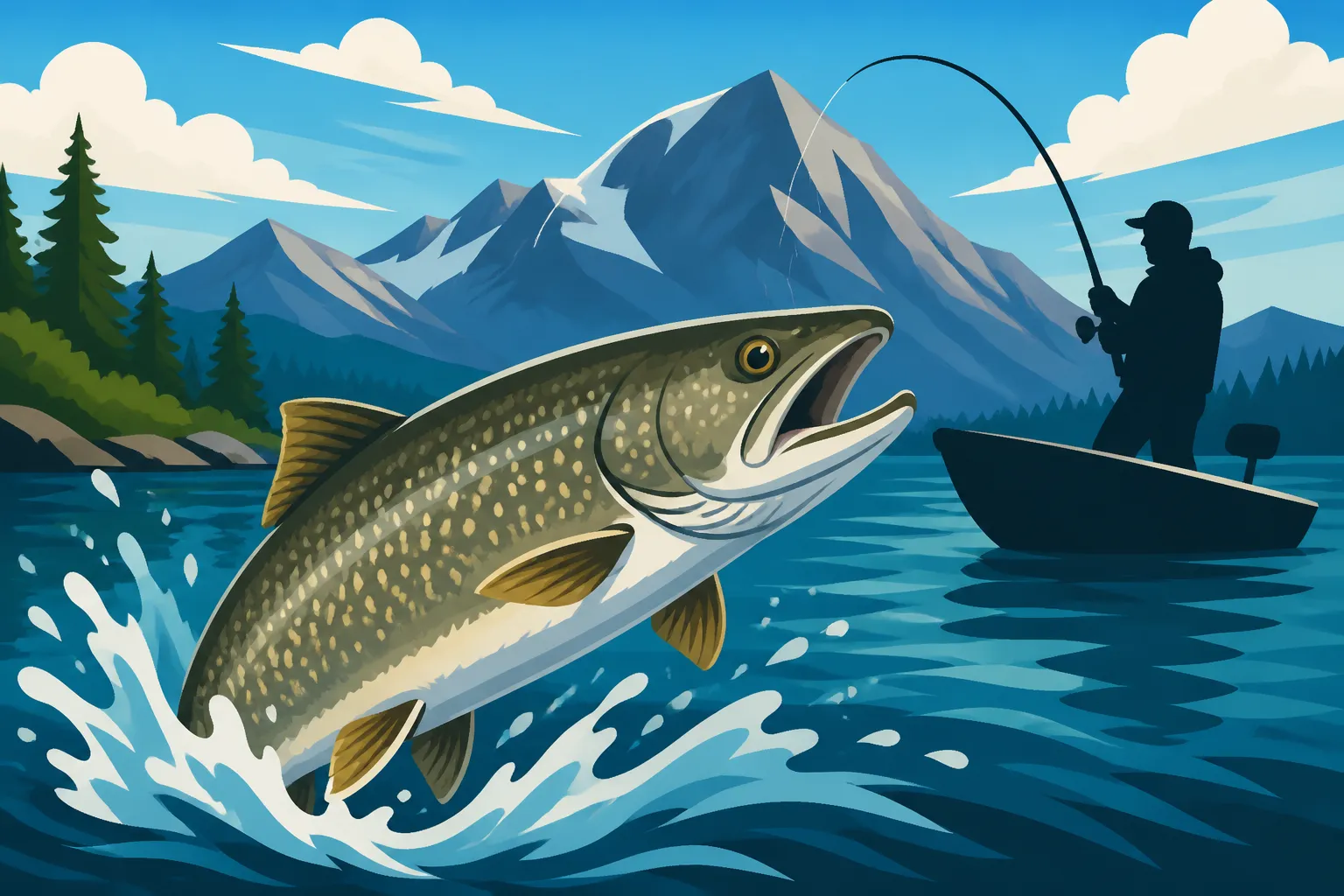
A lake trout (scientific name: Salvelinus namaycush) is actually a char, a close relative of brook trout and arctic char, rather than a "true" trout. They are easily identified by their light spots on a darker body (ranging from silvery to olive green or even dark gray), a deeply forked tail, and a long, streamlined body built for speed and endurance in open water. Unlike many other trout, their scales are quite small and embedded in thick skin. In Wyoming, these fish can grow to impressive sizes, with the state record weighing in at a truly monstrous poundage. Catching one is often considered the pinnacle of freshwater fishing for many. How Big Wyoming Lake Trout Get
Their lifecycle is fascinating, as they are a long-lived species, some individuals reaching well over 20 years old in the right conditions. They are also slow-growing, which is why managing their populations requires careful consideration, especially in waters where they are native or have established self-sustaining populations. Their presence often indicates a healthy, cold-water ecosystem, but in some systems, they can become highly predatory and impact other native fish populations, leading to specific management strategies.
A Brief History of Mackinaw in Wyoming Waters
Lake trout aren't native to all the waters they inhabit in Wyoming today. While they are native to parts of North America's northern regions, many of Wyoming's most famous Mackinaw fisheries, like Flaming Gorge Reservoir, were established through stocking programs. These introductions aimed to create new sport fisheries, often utilizing the deep, cold conditions that mimicked their natural habitats. Over time, these stocked populations have thrived, leading to some world-class fishing opportunities.
However, their introduction hasn't always been without controversy, particularly in sensitive ecosystems like Yellowstone Lake, where they pose a significant threat to the native Yellowstone Cutthroat Trout population. Why Lake Trout Are Considered a Problem in Yellowstone Lake Understanding this history helps anglers appreciate both the sport and the ecological responsibilities that come with targeting these magnificent fish. It's a reminder that every fish story has a broader context, and being an informed angler is part of the adventure.
Prime Wyoming Lake Trout Hotspots
Wyoming boasts several incredible fisheries where Lake Trout not only survive but thrive, offering anglers the chance at a true trophy. Knowing where to focus your efforts is half the battle when chasing these deep-dwelling predators.
Flaming Gorge Reservoir: A Mackinaw Mecca
Without a doubt, Flaming Gorge Reservoir, straddling the Wyoming-Utah border, is one of the premier Lake Trout fisheries in the lower 48 states. This vast, deep reservoir is renowned for producing both high numbers of medium-sized Mackinaw and genuine giants that can push the scales. The sheer volume of water and abundant forage base (primarily kokanee salmon and cisco) allows these fish to grow exceptionally large.
The reservoir's unique topography, with its steep canyon walls, numerous submerged islands, and deep channels, creates a complex underwater world where lake trout can hide and ambush prey. Fishing here often involves covering a lot of water, utilizing sonar to locate schools of baitfish and the lakers lurking beneath. Popular areas like Buckboard Crossing, the Lucerne Valley, and the Sheep Creek arm are well-known starting points, but the best spots often change with the seasons and water levels. Anglers seeking specific gear for trolling the depths of Flaming Gorge might find a vast selection of downriggers and heavy line on Amazon, which can be delivered right to their door before a trip.
Jackson Lake: Grand Teton's Trophy Waters
Nestled within the breathtaking Grand Teton National Park, Jackson Lake offers a vastly different, but equally rewarding, Lake Trout experience. While not as high-producing in terms of sheer numbers as Flaming Gorge, Jackson Lake is famous for its potential to produce truly enormous Mackinaw. The pristine, glacial waters of Jackson Lake are deep and cold, providing ideal habitat for these impressive fish.
Fishing here comes with the added bonus of unparalleled scenery, with the majestic Tetons as your backdrop. Access points like Colter Bay, Leeks Marina, and Signal Mountain Lodge provide launching pads for anglers. Much like Flaming Gorge, understanding the seasonal movements of lake trout and their forage base is crucial. Often, anglers will target the deeper sections of the lake, especially around submerged structures and drop-offs. The lake's deep channels and ledges are where the biggest lakers often reside. For those planning a trip, remember that fishing within national parks often comes with specific regulations beyond standard state rules, so always check the latest Grand Teton National Park fishing guidelines. Fishing Spots Inside Grand Teton National Park, Wyoming
Other Notable Wyoming Lake Trout Waters
While Flaming Gorge and Jackson Lake dominate the Mackinaw discussion, Wyoming has other waters that hold healthy populations and offer excellent opportunities.
- Pinedale Area Lakes: Lakes in the Pinedale region, such as Fremont Lake and Half Moon Lake, are known for their lake trout populations. These are often high-altitude, cold lakes that require a bit more effort to access but can reward persistent anglers with solid fish.
- Lewis Lake (Yellowstone National Park): While Yellowstone Lake itself has a complex lake trout management situation due to its impact on native cutthroat, Lewis Lake within the park offers a unique and often productive lake trout fishery. The park has specific regulations regarding fishing methods and limits for Mackinaw here, often encouraging harvest.
- Other Reservoirs: Smaller, often less-known reservoirs across the state may also hold surprising numbers of lake trout. These can be incredible hidden gems for those willing to do some research and exploration. Always check the current Wyoming fishing regulations for any water body before heading out.
Understanding Lake Trout Behavior: Key to Unlocking Success
Catching lake trout consistently isn't just about showing up at the right lake; it's about understanding their habits, movements, and what drives them. These deep-water predators have distinct seasonal patterns and preferences that, once understood, can dramatically increase your success rate.
Seasonal Movements and Depths
Lake trout are highly sensitive to water temperature, preferring cold, oxygen-rich environments, typically in the 40s to low 50s Fahrenheit. This preference dictates much of their seasonal movement.
- Spring (Ice-Out to Early Summer): As the ice melts, surface waters are still cold, and lake trout can often be found shallower than any other time of year, sometimes even cruising near shorelines. This is a fantastic time for shore anglers or those in smaller boats. They're often actively feeding on smaller baitfish that are also moving into shallower waters. As the sun warms the surface, they'll gradually retreat to deeper water, following their preferred temperature band.
- Summer: During the heat of summer, lake trout will be in their deepest haunts. This is when they seek out the thermocline—the layer of water where the temperature changes rapidly—or congregate around deep structures, submerged humps, and canyon ledges where cooler water persists. They'll actively feed on schools of baitfish, often requiring specialized techniques like downrigging to reach their depths. This is often the most challenging time for less-equipped anglers.
- Fall (Late Summer to Ice-Up): As surface waters begin to cool again, lake trout will start to move shallower, especially as they prepare for their spawning period. Fall can be an excellent time to target them, as they become more active and aggressive. In some lakes, they'll congregate over rocky shoals and reefs to spawn. This pre-spawn and spawn period can offer fantastic opportunities for larger fish. Fall Fishing for Migrating Browns (Note: this link is for brown trout, but the concept of fall migration and pre-spawn aggressiveness applies to lake trout too).
- Winter (Ice Fishing Season): Lake trout remain active under the ice, often moving between deeper basins and shallower structures in search of food. Ice fishing for Mackinaw can be incredibly rewarding, though it often requires heavy gear and patience. They can still be found at considerable depths, but also surprise anglers by cruising just below the ice in pursuit of baitfish. Ice Fishing in Wyoming: A Complete Guide
Forage and Feeding Habits
What a lake trout eats largely depends on the specific lake and the available prey. Understanding their diet helps you "match the hatch," so to speak, with your lures and baits.
- Baitfish: In most Wyoming reservoirs, lake trout feed heavily on various baitfish. Kokanee salmon are a primary food source in places like Flaming Gorge and Pathfinder Reservoir, leading to robust, fat Mackinaw. Cisco (also known as lake herring) are another crucial component of their diet in some deep lakes. Other smaller fish like chub, perch, and even juvenile whitefish can also be on the menu. Imitating these baitfish with large spoons, swimbaits, and crankbaits is often the most effective strategy.
- Insects and Crustaceans: While less common for the largest lake trout, younger fish and those in high-alpine lakes without abundant baitfish may feed on larger aquatic insects, nymphs, or even freshwater shrimp (scuds). This is more prevalent in the early stages of their life or in less productive environments.
- Cannibalism: Larger lake trout are opportunistic predators and will sometimes eat smaller lake trout. This isn't their primary food source but can occur, especially in areas with high lake trout density and limited other forage.
- Deep-Water Scavenging: Lake trout are not strictly sight-feeders and will also pick up dead or dying baitfish off the bottom, particularly in deeper waters. This behavior makes vertical jigging and still-fishing with cut bait effective. What Lake Trout Eat in Wyoming Reservoirs
Essential Gear for Targeting Wyoming Mackinaw
Chasing lake trout is not your average trout fishing trip. These fish are big, powerful, and live in deep water, demanding specific gear to get your lure to them and then winch them back to the surface. Skimping on tackle here will lead to heartbreak.
Rods, Reels, and Line: Power and Capacity
When it comes to Mackinaw, think heavy-duty.
- Rods: For trolling, you'll want medium-heavy to heavy power rods, typically 7 to 9 feet long, with a moderate to fast action. These rods need enough backbone to handle heavy weights (like downrigger balls or large trolling sinkers) and the power of a large fish. For jigging, a shorter (6 to 7.5 feet) medium-heavy to heavy power rod with a sensitive tip but strong backbone is ideal to detect subtle bites in deep water and then set the hook.
- Reels: High-capacity baitcasting reels are the standard for trolling and deep jigging. Look for reels designed for saltwater or large freshwater species, with a smooth drag system and a high line capacity (holding at least 200-300 yards of line). A good line counter reel is invaluable for trolling, ensuring you can precisely replicate successful depths.
- Line: Braided line is almost universally preferred for its minimal stretch, which provides superior sensitivity for detecting bites and powerful hooksets in deep water. A mainline of 30-65 lb test braid is common. However, because braid is visible and has no stretch, it's crucial to add a fluorocarbon leader. A 15-30 lb test fluorocarbon leader, 6-15 feet long, provides invisibility and a bit of shock absorption, which can be critical when a big fish makes a sudden run. You can find high-quality braided lines and fluorocarbon leaders on Amazon from various brands.
Lures and Baits: Matching the Mackinaw Menu
The variety of lures for lake trout is vast, but they generally fall into categories designed to imitate their primary forage or attract their aggressive nature.
- Trolling Spoons: Large, heavy trolling spoons (like the Wiliam's Wabler, Northport Nailer, or Michigan Stinger) are staples. Silver, gold, copper, and various iridescent patterns are popular, mimicking baitfish. Experiment with different sizes and colors until you find what the fish prefer on a given day.
- Deep-Diving Crankbaits: For aggressive fish, large crankbaits that can dive to significant depths or are run on downriggers are effective. Colors that mimic kokanee or perch often work well. Brands like Rapala, Reef Runner, or Bomber offer excellent deep-diving options.
- Jigs: Heavy jigs, from 1 oz up to 4 oz or more, are essential for vertical jigging. Marabou jigs, tube jigs, and bucktail jigs are all effective. Tipping them with a piece of cut bait (like sucker meat or a piece of a retrieved kokanee) can significantly increase their appeal. White, glow-in-the-dark, chartreuse, and natural baitfish colors are popular.
- Live/Cut Bait: Where legal, live bait (such as suckers, chub, or shiners) can be incredibly effective, particularly when suspended off the bottom. Cut bait, like strips of sucker or even retrieved kokanee, fished on a jig or bottom rig, is also a deadly option for enticing larger, less active lake trout. Always check Wyoming's regulations on bait use, as restrictions apply in certain waters.
Electronics and Accessories: Seeing the Unseen
Fishing for deep-water lake trout without good electronics is like flying blind.
- Fish Finder/Sonar: A high-quality fish finder with down imaging and side imaging capabilities is non-negotiable. This allows you to locate schools of baitfish, identify submerged structures, and pinpoint individual lake trout holding near the bottom or in the water column. GPS mapping functions are also crucial for marking waypoints over productive spots.
- Downriggers: For controlled depth trolling, downriggers are paramount. They allow you to present your lure at a precise depth, regardless of trolling speed or line angle, keeping it in the strike zone longer. Downrigger Basics for Wyoming Reservoir Trout
- Planer Boards: While less common for truly deep-water lake trout, inline planer boards can be useful in shallower spring conditions or for covering wider swaths of water, especially in open areas where you want to keep lines away from the boat.
- Heavy Net/Gaff: Once you hook a big Mackinaw, you'll need a way to land it. A large, sturdy landing net with a long handle and rubberized mesh (to protect the fish) is ideal. For trophy fish you intend to harvest, a stout gaff can be a safer and more efficient landing tool.
- Release Tools: If practicing catch-and-release, especially for smaller fish or protected species, a long-nosed pliers or forceps and a hook remover are essential to quickly and safely unhook fish.
Techniques for Hooking a Trophy Mackinaw
Lake trout fishing is often a game of patience, precision, and covering water. The techniques used are largely dictated by the season, the depth the fish are holding, and the forage they're targeting.
Trolling: Covering Water and Controlling Depth
Trolling is arguably the most popular and effective method for targeting lake trout, especially in large reservoirs like Flaming Gorge. It allows you to cover vast areas of water and present lures at precise depths where Mackinaw are feeding.
- Deep Trolling with Downriggers: This is the bread and butter for summer and fall lake trout. Downriggers allow you to send heavy weights (often 8-15 lbs) straight down, with your fishing line clipped to a release clip on the downrigger cable. This keeps your lure at an exact, chosen depth. You can then troll at speeds ranging from 1.5 to 3.0 mph, depending on the lure and fish activity. Experiment with different depths, often focusing on structure, baitfish schools, or the thermocline. Pay close attention to your fish finder for Best Depth for Trolling Lake Trout at Flaming Gorge.
- Weight Systems (Lead Core, Dipsy Divers): If downriggers aren't an option, lead core line or various diving planers (like Dipsy Divers) can get your lures down. Lead core line sinks a certain amount per color (often 10 yards), allowing for depth calculation based on how many colors you let out. Dipsy Divers are disc-shaped weights that dive and pull your line to the side, covering a wider spread behind the boat. These methods require more trial and error to hit exact depths but are effective alternatives.
- Lure Selection and Presentation: As mentioned in the gear section, large spoons, deep-diving crankbaits, and even large tube jigs or swimbaits can be trolled. Vary your retrieve speed, make S-turns with the boat to vary the lure's action, and experiment with different colors until you find what triggers bites.
Vertical Jigging: Precision in the Depths
When lake trout are concentrated in specific areas, such as over humps, along ledges, or within schools of baitfish, vertical jigging can be incredibly effective. This method is particularly popular during ice fishing season but works well from a boat too.
- Boat Jigging: Using your fish finder to pinpoint fish or structure, position your boat directly over the target. Drop a heavy jig (marabou, tube, or bucktail) down to the fish's depth. The key is to impart action: sharp lifts and drops, subtle shakes, or a slow retrieve, mimicking a wounded baitfish. Often, a piece of cut bait on the hook will seal the deal. This technique requires a keen eye on your sonar and a feel for the bite, which can often be very subtle in deep water.
- Ice Jigging: This is a fantastic way to target Mackinaw in winter. Drill holes over known deep structures or where you've marked fish. Use heavy jigs, often tipped with a minnow or sucker meat. A flasher or specialized ice fishing sonar is invaluable for watching your lure and the fish's reaction in real-time. Subtle jigging motions are usually more effective than aggressive ones, especially for finicky fish. Best Ice Fishing Jigs for Wyoming Trout
Bait Fishing: The Scent Trail
While artificials are popular, natural bait can be incredibly effective, especially for wary or less active lake trout.
- Bottom Fishing with Cut Bait: In some situations, especially when fish are holding tight to the bottom, a simple bottom rig with a heavy sinker and a piece of cut bait (like sucker or retrieved kokanee) can be deadly. The scent trail can draw fish in, and the natural presentation is often irresistible. This method requires patience but can produce some of the largest fish.
- Suspend Bait: For fish suspended in the water column, a slip-bobber or a similar rig that allows you to suspend a live or cut bait at a precise depth can be very effective. This is often done from an anchored boat or during ice fishing.
- Sucker Meat Strategy: Many seasoned lake trout anglers swear by sucker meat, either as a tip for jigs or trolled behind a dodger. The oily flesh creates a strong scent and has a natural, wavy action in the water.
Regulations and Conservation: Fishing Responsibly for Lake Trout in Wyoming
Being a responsible angler means understanding and adhering to the specific rules and regulations that govern fishing in Wyoming, especially when it comes to a unique species like the lake trout. These regulations are in place to ensure sustainable fisheries for future generations.
Wyoming's General Fishing Regulations
Before you even think about hitting the water, a current Wyoming fishing license is a must. Whether you're a resident or a non-resident, daily or annual, you need to be properly licensed. Wyoming Fishing License Guide for Nonresidents Beyond the license, general statewide regulations cover everything from legal fishing methods to bait restrictions and possession limits. Always grab a copy of the current Wyoming Fishing Regulations booklet – it's your bible on the water. Reading the Wyoming Fishing Regulations Booklet
When targeting lake trout, specifically, there might be unique rules for certain bodies of water. For instance, in some areas, there are specific slot limits or size restrictions. Always double-check the section for the particular lake or reservoir you plan to fish. You don't want to get hit with Fines and Penalties for Common Fishing Violations.
Special Considerations for Yellowstone and Grand Teton National Parks
Fishing within the boundaries of Yellowstone and Grand Teton National Parks comes with a completely separate set of rules and requires a distinct park-specific fishing permit in addition to your Wyoming state license. This is critical to remember!
- Yellowstone National Park: The situation with lake trout in Yellowstone Lake is complex. Lake trout are considered an invasive species there, preying heavily on the native Yellowstone Cutthroat Trout. Consequently, park regulations often mandate the harvest of all caught lake trout, regardless of size, and prohibit their release. There are often very generous limits or no limits at all on lake trout in Yellowstone Lake, with the goal of reducing their population. Do You Have to Kill Lake Trout Caught in Yellowstone Lake? Conversely, in Lewis Lake within the park, lake trout are also present but managed differently, and anglers are generally encouraged to harvest them. Always consult the official Yellowstone National Park fishing regulations before you cast a line. Fishing Rules Inside Yellowstone National Park
- Grand Teton National Park: While Grand Teton has native cutthroat populations, lake trout are present in Jackson Lake and other waters. Anglers will need a park-specific permit and must adhere to park regulations regarding limits, methods, and any special closures. Always check the park's official fishing guide. Do You Need a Wyoming License to Fish in Grand Teton National Park?
Responsible Angling Practices
Beyond following the letter of the law, ethical angling practices are crucial for the health of the fishery.
- Catch and Release: If you're not planning to keep your catch, practice proper catch and release techniques. Minimize handling, use barbless hooks, and release fish quickly and gently, especially in deep water where barotrauma (due to rapid ascent) can be an issue. For deep-caught fish, specialized descending devices can help reduce mortality.
- Limit Your Harvest: Even if limits are generous, consider only keeping what you will consume. Lake trout grow slowly, and selective harvest helps sustain populations, especially for trophy-sized fish.
- Prevent Invasive Species: Always clean, drain, and dry your boat, waders, and gear between fishing trips to prevent the spread of aquatic invasive species. This is a huge issue in Wyoming, and every angler plays a role in protecting our waters.
Planning Your Mackinaw Adventure: Tips for Success
A successful lake trout trip, especially to Wyoming's expansive waters, requires more than just good gear; it demands meticulous planning and an understanding of the conditions.
Research and Preparation are Key
Don't just show up and expect to stumble upon a trophy. Do your homework!
- Study Maps and Charts: Topographical maps and detailed bathymetric charts of your chosen lake are invaluable. Look for deep contours, submerged islands, humps, points, and drop-offs. These are the highways and hiding spots for lake trout. Many modern fish finders come pre-loaded with excellent mapping, but also check out resources from the Wyoming Game and Fish Department.
- Check Current Conditions: Water temperatures, recent weather patterns, and reports from local tackle shops or guide services can provide vital clues about where the fish might be holding and what they're biting on. Has there been a recent cold front? Is the lake level stable or dropping? All these factors influence fish behavior.
- Pack Appropriately: Wyoming weather is notoriously unpredictable. Even in summer, mountain lakes can experience sudden storms or cold snaps. Dress in layers, pack rain gear, and ensure you have plenty of food, water, and emergency supplies. When ordering your gear, many anglers find essential items like durable rain suits and portable fishing shelters readily available on Amazon, ensuring they're prepared for any condition.
Consider a Guided Trip
For those new to lake trout fishing, or new to a particular lake, hiring a reputable local fishing guide can be an invaluable investment.
- Local Expertise: Guides spend countless hours on the water and know the specific nuances of a lake – where the fish are, what they're biting on, and the most effective techniques. They have the right equipment and can teach you the ropes much faster than you could learn on your own. Hiring a Fishing Guide in Wyoming
- Save Time and Frustration: Instead of spending days searching for fish and experimenting with lures, a guide can put you on fish immediately, maximizing your precious fishing time.
- Learn Techniques: A good guide will not only help you catch fish but also teach you the techniques and strategies you can apply on future trips. What's Included in a Wyoming Snake River Guided Float Trip (while this is about the Snake River, guides generally offer similar benefits of instruction and gear).
Safety on Large Waters
Wyoming's large reservoirs can be dangerous, especially for those unfamiliar with big water.
- Weather Watch: Always monitor the weather forecast closely. High winds can whip up dangerous waves quickly, making navigation hazardous. Don't hesitate to stay off the water if conditions look dicey.
- Boat Safety: Ensure your boat is properly equipped with all required safety gear, including life jackets for everyone on board, a first-aid kit, fire extinguisher, and signaling devices. File a float plan with someone on shore.
- Hypothermia Risk: Even in summer, the deep, cold water can be deadly if you fall in. Dress appropriately and know the signs of hypothermia.
The Thrill of the Fight: Landing and Handling Large Lake Trout
There's nothing quite like the raw power of a large lake trout on the end of your line. These fish put up a tremendous fight, often making long, powerful runs and staying deep, testing both your tackle and your resolve. Successfully landing and handling them requires a bit of finesse and forethought.
The Battle: Patience and Power
When a Mackinaw hits, it's usually not a gentle tap. It can be a violent strike, especially when trolling, or a heavy pull when jigging.
- Set the Hook Hard: With braided line and a strong rod, a firm, powerful hookset is key, particularly in deep water where there's a lot of line stretch (even with braid, there's some give).
- Fight the Fish, Not the Gear: Let your reel's drag do its job. Adjust it to allow the fish to take line when it needs to, but keep enough pressure to tire it out. Avoid trying to winch a large fish in; you'll likely pull the hook or break your line.
- Maintain Pressure: Lake trout often make powerful, head-shaking dives. Keep your rod tip up and maintain constant pressure to prevent slack line, which can allow the fish to throw the hook. Be prepared for multiple runs, especially as the fish gets closer to the boat.
- Pump and Reel: The classic "pump and reel" technique is essential for deep-water fish. Lift your rod tip to gain line, then quickly drop the tip while reeling in the slack. Repeat this motion to steadily gain line and bring the fish closer.
Landing Your Trophy
Once the fish is at the boat, the job isn't over. A large, thrashing lake trout can be a handful.
- Use a Large Net: A heavy-duty landing net with a wide hoop and deep, rubberized mesh is your best friend. Guide the fish headfirst into the net. Avoid scooping at the tail; it's much harder and increases the risk of the fish escaping.
- Gaff for Harvest: If you intend to harvest a trophy-sized lake trout, a gaff can be a safer and quicker way to land it, especially if the fish is too large for your net or is hooked lightly. Ensure you know how to use a gaff properly to avoid damaging the meat or harming yourself.
- Teamwork: If you have a partner, coordinate the landing. One person fights the fish, the other prepares the net and lands the fish cleanly.
Handling and Care
How you handle a lake trout after landing depends on whether you plan to keep it or release it.
- For Release:
- Minimize Time Out of Water: Get the fish back in the water as quickly as possible.
- Wet Hands: If you must handle the fish, wet your hands thoroughly to protect its slime coat, which is crucial for disease resistance.
- Support Its Weight: Hold the fish horizontally, supporting its belly, especially large ones. Avoid holding them vertically by the jaw or tail, which can damage internal organs and spines.
- Remove Hook Gently: Use long-nosed pliers or a hook remover to quickly and carefully extract the hook. If the hook is deeply swallowed, cut the line as close to the hook as possible.
- Revive the Fish: Hold the fish gently in the water, facing into the current, until it regains its strength and can swim away on its own. For deep-caught fish, especially in warmer surface waters, consider using a descending device to release them at depth.
- For Harvest:
- Bleed the Fish: For the best quality meat, bleed the fish immediately after landing by cutting a gill arch. This improves flavor and texture.
- Keep it Cold: Get the fish on ice as soon as possible. A cooler full of ice is essential to preserve the freshness and quality of your catch.
Catching a Wyoming Mackinaw is an experience you won't soon forget. With the right knowledge, gear, and a healthy dose of patience, you'll be well on your way to battling one of the Cowboy State's most formidable freshwater predators.
Disclaimer
This article is for general informational purposes only and does not constitute professional advice. Laws, prices and regulations vary by location and change over time. Consult a qualified professional for guidance on your specific situation.