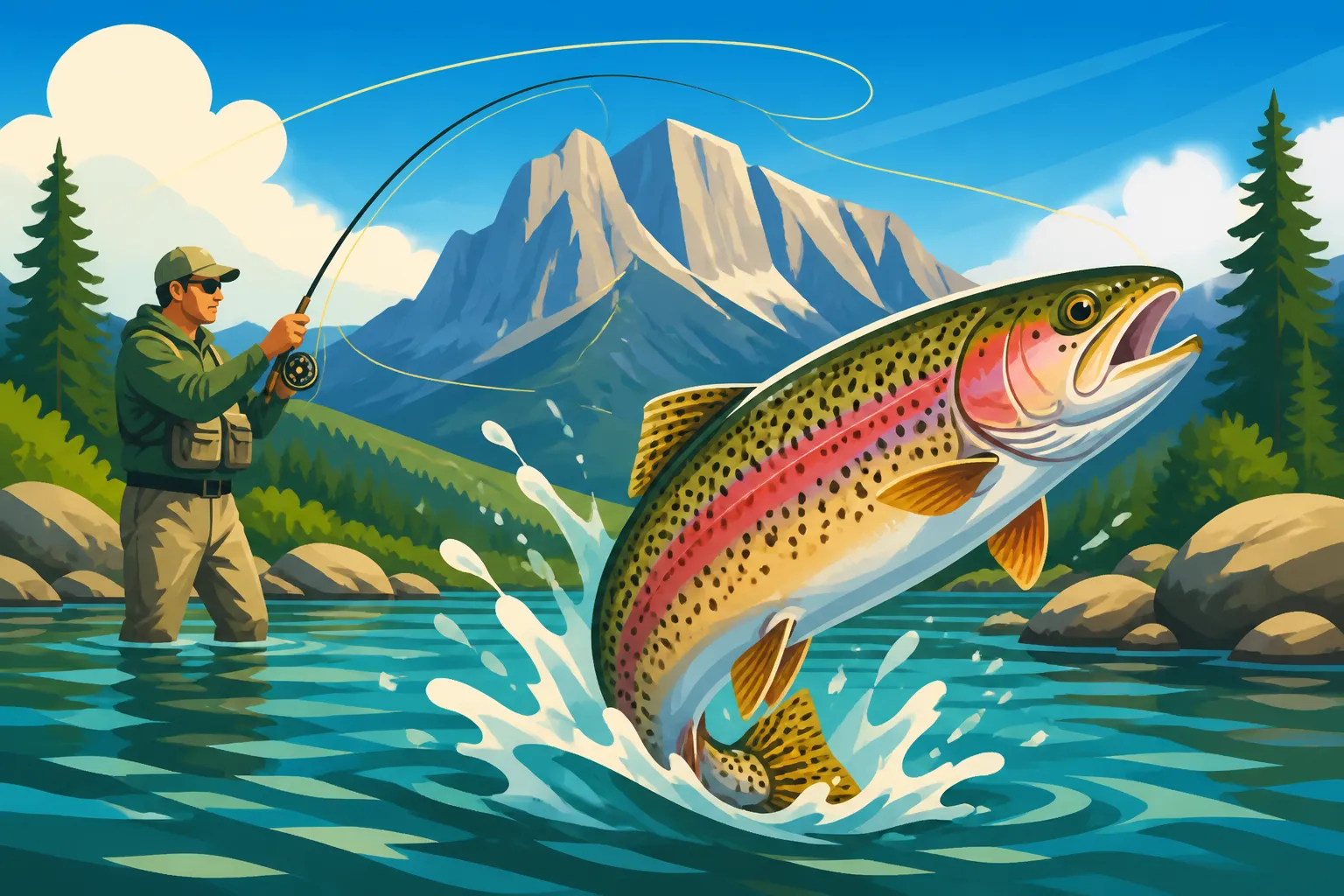
Rainbow Trout Fishing in Wyoming
There's nothing quite like the vibrant flash of a Wyoming rainbow trout leaping from the water, but figuring out where these beautiful fish hide and what makes them bite can feel like a lifelong puzzle. Many anglers, both locals and visitors, struggle with understanding the nuances of targeting rainbows in our diverse waters, from roaring rivers to serene high-mountain lakes. This comprehensive guide will break down everything you need to know about rainbow trout fishing in Wyoming, helping you decode their habits, master the right techniques, and ultimately, put more of these prized fish in your net.
Introduction to Wyoming's Rainbow Trout Fishery
Rainbow trout are undoubtedly one of Wyoming's most popular game fish, drawing anglers from all corners of the globe. Their acrobatic fights, dazzling colors, and willingness to strike a variety of offerings make them an absolute blast to catch. But their story in Wyoming is richer than just a fun catch; it's a tale of adaptation, careful management, and a thriving fishery that supports a significant portion of our angling economy.
Rainbow Trout: A Wyoming Staple
You'd be hard-pressed to find a dedicated trout angler in Wyoming who hasn't spent countless hours chasing rainbows. They truly are a cornerstone of our state's fishing experience. Whether you're casting tiny dry flies on a crystal-clear mountain stream or pulling streamers through a deep reservoir, the rainbow trout is often the target, and for good reason. They are generally more aggressive than some of their trout cousins, readily taking flies, lures, and bait, which makes them accessible for anglers of all skill levels.
The sheer numbers of rainbow trout found across Wyoming's waters contribute significantly to their status as a staple. The Wyoming Game and Fish Department does an incredible job stocking many of our lakes and reservoirs, ensuring a healthy population for recreational anglers. This means that even if you're new to the state or just learning to fish, you have a high probability of encountering rainbows. It's this combination of accessibility, widespread distribution, and spirited fights that cements the rainbow trout's position as a beloved species for so many.
Origin and Introduction to Wyoming Waters
While rainbow trout are certainly native to western North America, their presence in many of Wyoming's specific drainages is actually thanks to careful introduction and stocking efforts over the past century. Originally, the various subspecies of cutthroat trout were the dominant native trout across much of Wyoming. However, as settlement and resource development progressed, changes in habitat, along with the introduction of non-native species, led to the widespread stocking of rainbow trout to establish robust fisheries.
These introductions began decades ago, primarily to provide additional angling opportunities in waters that might not have supported native cutthroat populations as strongly, or where environmental changes had occurred. Today, rainbows are self-sustaining in many rivers and streams where they have found suitable spawning habitat, while others are continually supplemented by state hatcheries. This extensive stocking program is a key reason why you can find rainbow trout in such a vast array of Wyoming's waters, from the low-elevation reservoirs to some of the more accessible mountain lakes. You'll often find waters managed specifically for rainbow trout, providing consistent opportunities for anglers. For a broader understanding of how these introductions fit into the overall picture, check out Wyoming Fishing Regulations Every Angler Should Know.
Identifying Wyoming Rainbow Trout
Before you can effectively target rainbow trout, it's really helpful to know what you're looking for! In Wyoming, with several species of trout and char present, it can sometimes be a bit tricky to tell them apart, especially for newer anglers. But don't worry, there are some pretty clear indicators that will help you confidently identify a rainbow trout when you pull it from the water.
Key Physical Characteristics
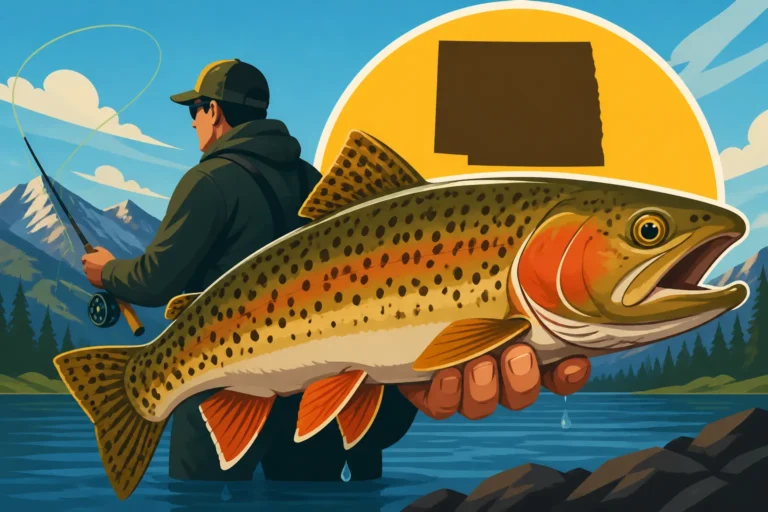
Rainbow trout get their name from the distinctive, iridescent pinkish-red band that runs horizontally along their flanks, from their gill plate to their tail. This band can vary in intensity, sometimes being a faint blush and other times a vibrant, undeniable stripe. Their bodies are typically silvery, transitioning to an olive-green or brownish color on their back, and they are covered in small, dark spots. These spots are usually concentrated on their back, sides, and tail, and often extend onto their dorsal, adipose, and caudal fins.
One important feature to note is their mouth. Rainbow trout have a relatively small mouth, and when you open it, you won't typically see teeth on the tongue. Their caudal fin (tail) is usually broad and slightly forked or square, and it's often covered in those same distinct spots. The adipose fin, that small fleshy fin between the dorsal fin and tail, is present and typically spotted. These characteristics, particularly the pink band and widespread spotting, are your primary clues when you're admiring your catch.
Rainbow vs. Cutthroat vs. Cutbow
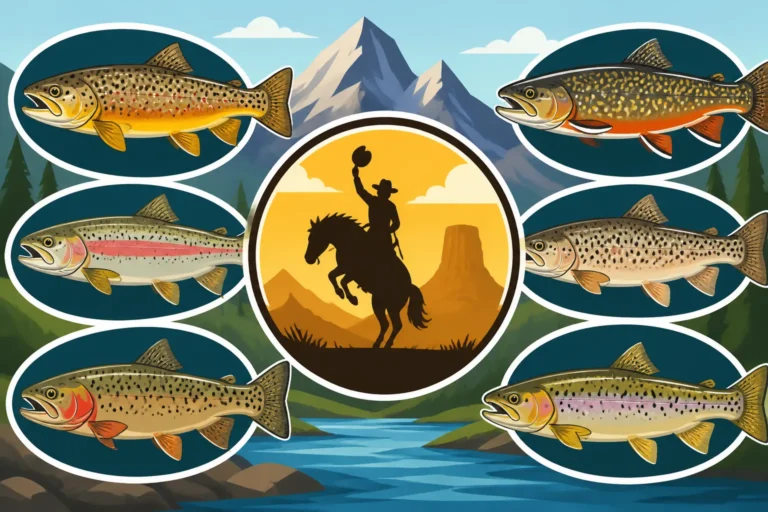
Confusion often arises between rainbow trout and cutthroat trout, especially since they can inhabit the same waters and even interbreed. The most telling feature of a cutthroat trout is the "cut" or red/orange slash marks found in the folds beneath their lower jaw. Rainbows simply do not have this. Additionally, cutthroat trout tend to have larger, more irregular spots concentrated towards the tail, and their overall coloration can be more golden or bronze, lacking the strong pink band of a rainbow. If you're really curious about the differences, take a look at Identifying a Yellowstone Cutthroat Trout for a detailed comparison.
Now, add "cutbows" into the mix, and it gets even more interesting. A cutbow is a hybrid, a cross between a rainbow trout and a cutthroat trout. These fish often display characteristics of both parents, making identification a fun challenge. They might have a faint cutthroat slash but also a pronounced rainbow band, or a mix of spotting patterns. They are fertile and can reproduce, further complicating genetic purity in some drainages. When you catch a fish that seems to defy easy categorization, there's a good chance you've landed a cutbow – a unique blend of Wyoming's most beloved trout species.
Prime Habitats for Rainbow Trout in Wyoming
One of the great things about rainbow trout is their adaptability. You can find them thriving in a remarkable variety of aquatic environments across Wyoming. This means that no matter what kind of fishing experience you're looking for, there's likely a rainbow trout habitat waiting for you. Understanding these different environments is key to knowing where to cast your line and what tactics to employ.
Rivers and Streams: Tailwaters and Freestones
Wyoming's rivers and streams offer incredible rainbow trout fishing, but it's important to distinguish between two main types: tailwaters and freestone rivers. Tailwaters are rivers that flow out from the base of a dam. These sections of river typically have very stable water temperatures (cool in summer, warmer in winter than an undammed river), consistent flows, and an abundance of aquatic insect life. This makes them ideal habitats for large, healthy rainbow trout that grow fast and fight hard. The North Platte River below Gray Reef Dam, for example, is a world-renowned tailwater fishery that holds an incredible density of large rainbows. If you’re planning a trip there, you'll want to read Wyoming's North Platte River Fishing Guide to get familiar with the area.
Freestone rivers, on the other hand, are rivers that flow naturally, without being directly regulated by a dam. Their flows and temperatures fluctuate more dramatically with the seasons, influenced by snowmelt, rain, and ambient air temperatures. While perhaps not always producing the sheer size of fish found in some tailwaters, freestone rivers like sections of the Green River or the Snake River still hold fantastic populations of rainbow trout. These fish are often more "wild" in their behavior, presenting a different kind of challenge and reward. Fishing these waters requires a keen eye for reading currents, understanding seasonal hatches, and adapting to ever-changing conditions.
Lakes and Reservoirs: Stillwater Sanctuaries
Beyond the flowing waters, Wyoming's numerous lakes and reservoirs are also fantastic rainbow trout fisheries. These stillwater environments can range from massive, deep reservoirs that mimic inland seas to serene, high-alpine lakes tucked away in the backcountry. Rainbows thrive in these larger bodies of water, finding ample food sources and varied structure. In reservoirs, they often congregate around submerged points, ledges, old creek channels, and areas where feeder streams enter, bringing in nutrients and cooler water.
Many of Wyoming's larger reservoirs, such as Glendo Reservoir or Pathfinder Reservoir, are heavily stocked with rainbow trout, ensuring great opportunities for both boat and shore anglers. These spots can be particularly productive for families or beginners, as shore access is often good and the fish are generally less spooky than their river-dwelling cousins. High-alpine lakes, while requiring a bit more effort to reach, often reward anglers with pristine beauty and strong, wild-acting rainbows that have adapted to their cold, clear environments. For these lakes, understanding seasonal changes and subtle feeding patterns is key. No matter if you prefer a quiet morning on a small pond or a day out on a big lake, Wyoming offers a stillwater rainbow trout experience that can't be beat.
Effective Fishing Techniques for Rainbow Trout
Rainbow trout are incredibly versatile when it comes to what they'll bite, which means there's a technique out there for everyone, regardless of skill level or preferred style. From the delicate artistry of fly fishing to the straightforward appeal of bait, mastering a few key methods will greatly increase your success rate in Wyoming's diverse waters.
Fly Fishing for Rainbows
Fly fishing for rainbow trout in Wyoming is an experience that many anglers dream about. The challenge of presenting a tiny imitation of an insect to a wary trout is incredibly rewarding. On rivers and streams, nymphing (fishing subsurface with weighted fly patterns that imitate insect larvae and pupae) is often the most productive method, especially on nutrient-rich tailwaters like the Gray Reef section of the North Platte River. How to Fish a Nymph Rig Under an Indicator is a great resource if you're looking to refine this technique. Dry fly fishing, where you present a floating fly on the surface to imitate adult insects, is exhilarating when rainbows are actively rising to feed on a hatch. This often happens during warmer months, particularly in the mornings and evenings.
Streamer fishing, which involves stripping larger, baitfish-imitating flies through the water, can entice aggressive rainbows, especially larger ones looking for a substantial meal. This method is particularly effective in off-color water or when targeting fish hiding in deeper pools or undercut banks. In lakes, fly fishing can involve stripping streamers, slowly retrieving nymphs, or even fishing dry flies if there's a hatch. A quality fly rod, like a 5- or 6-weight, is a great all-around choice for Wyoming rainbows, and you can find excellent options on Amazon to suit any budget. Experimentation with fly patterns is key; having a selection of nymphs (like Pheasant Tails, Hare's Ears), dry flies (Caddis, Mayflies), and streamers (Woolly Buggers, Sculpins) will cover most situations.
Spin Fishing for Rainbows
Spin fishing is an incredibly effective and accessible way to catch rainbow trout, making it a favorite for many, including beginners and families. The beauty of spin fishing is its simplicity and the wide array of lures and baits you can employ. Small spinning rods (light to medium-light action) paired with reels spooled with 4-8 pound test line are perfect for most Wyoming rainbow trout scenarios. In rivers, casting small inline spinners or spoons can be incredibly productive. The flash and vibration mimic fleeing baitfish or insects, triggering an aggressive strike. Consider experimenting with different colors and sizes until you find what the fish are keying in on.
For lake and reservoir fishing, casting and retrieving lures, or even trolling from a boat, can cover a lot of water and help you locate schools of rainbows. Small crankbaits, spoons, or even jigging soft plastics can work wonders. If you’re looking for specific lure recommendations, Best Lures for Wyoming Rainbow Trout offers some excellent suggestions. The key with spin fishing is often to vary your retrieve speed and depth until you discover what the fish prefer on any given day. It’s also important to remember that presentation still matters; casting accurately and retrieving smoothly can make all the difference.
Bait Fishing for Rainbows
Bait fishing is arguably the easiest and often most consistent method for catching rainbow trout, especially for those just starting out or looking for a more relaxed experience. The natural scents and textures of bait can be irresistible to hungry rainbows. Common baits include worms, salmon eggs, powerbait, and even corn (where legal, always check regulations!). When fishing with bait, a simple setup often works best: a small hook (size 8-12), a split shot or small sinker to get your bait down, and sometimes a bobber to detect bites, especially in still water.
In lakes and slow-moving rivers, fishing bait off the bottom can be very effective. Use just enough weight to hold your bait in place, allowing the scent to disperse naturally. For shore anglers, casting out and letting your bait sit is a great strategy. In faster moving water, you might need a heavier sinker to keep your bait from washing away too quickly. Always be mindful of local regulations regarding bait use, as some waters in Wyoming have restrictions. Bait fishing is a fantastic way to introduce kids to fishing, as the chances of success are high, providing that instant gratification that hooks them on the sport.
Best Seasons and Times to Target Rainbow Trout
Understanding the seasonal patterns and even the time of day can dramatically influence your success when chasing rainbow trout in Wyoming. These fish, like most cold-blooded creatures, are heavily influenced by water temperature, food availability, and spawning cycles. Knowing when and where to focus your efforts will give you a significant advantage.
Spring and Early Summer: The Golden Window
Spring, particularly from late April through June, is often considered the "golden window" for rainbow trout fishing in Wyoming. As water temperatures begin to rise after the long winter, rainbows become increasingly active and aggressive, feeding heavily to recover from spawning and to bulk up for the warmer months. This is when you'll find excellent nymphing on rivers as aquatic insects become more active, and dry fly opportunities start to emerge with the first major hatches. Reservoirs and lakes, especially those that have recently thawed, will also see rainbows moving into shallower, warmer waters to feed.
However, spring also brings runoff in many areas, as mountain snowmelt swells rivers and creeks, making them high and often muddy. Fishing during heavy runoff can be challenging, but it's not impossible. Tailwaters, being dam-controlled, are often less affected by runoff and can offer phenomenal fishing even when freestone rivers are blown out. During this period, concentrate your efforts on waters that are clearing, or target the edges of muddy flows where fish might be holding in calmer water waiting for food to wash by. For a detailed look at what to expect, check out Wyoming Spring Fishing: What to Expect.
Fall Fishing for Robust Rainbows
While spring gets a lot of hype, don't underestimate the incredible opportunities fall presents for rainbow trout. As summer heat gives way to cooler temperatures, the water cools down, and rainbows once again become very active. They'll be feeding aggressively in preparation for winter and some, particularly the larger specimens, will begin their spawning runs. This time of year sees a resurgence of insect activity, leading to fantastic dry fly fishing on many rivers. Streamer fishing can also be exceptionally productive as trout become more predatory, looking to pack on calories before the lean winter months.
Fall fishing in Wyoming offers the added bonus of breathtaking scenery, with aspens turning brilliant gold and the crowds of summer beginning to thin out. Focus on rivers and larger streams where rainbows might be staging for spawning, and on lakes where they're actively chasing baitfish in shallower areas. This is also a great time to target some of the larger, more elusive rainbows that often come out to feed more openly as temperatures drop.
Winter and Ice Fishing Opportunities
When the lakes and reservoirs freeze over, a whole new world of rainbow trout fishing opens up: ice fishing! Wyoming offers some fantastic ice fishing opportunities for rainbows, particularly on many of the state's stocked waters. Rainbows remain active under the ice, often congregating in schools and biting readily on small jigs, spoons, and bait presentations. Keying in on structure like submerged humps, weed lines, or old creek channels is crucial for success. You'll need specialized gear, including an ice auger, warm clothing, and a good ice fishing shelter. Many guides offer trips for beginners, and for a deeper dive into this winter pastime, explore Ice Fishing in Wyoming: A Complete Guide.
Even through winter, some of Wyoming's tailwaters remain open and ice-free, providing incredible open-water fishing. The consistent water temperatures below dams mean that trout are active all winter long, primarily feeding on nymphs and midges. While the air might be cold, the fishing can be red-hot, with fewer crowds than in summer. Just be prepared for the elements, dress in layers, and know that focusing on subsurface presentations will be your best bet.
Top Wyoming Destinations for Rainbow Trout
Wyoming is blessed with an abundance of incredible fishing waters, and many of them hold thriving populations of rainbow trout. Knowing where to go can make all the difference, whether you're seeking trophy fish, a family-friendly outing, or a pristine backcountry adventure. Here’s a look at some of the state's most celebrated and productive rainbow trout havens.
Renowned Rivers and Tailwaters
When you talk about rainbow trout fishing in Wyoming, certain rivers immediately come to mind. The North Platte River, particularly the stretches known as the "Miracle Mile" and "Gray Reef" near Casper, is legendary. These tailwater sections, flowing out of Seminoe and Gray Reef Dams respectively, are famous for their incredibly dense populations of large, healthy rainbow trout. The stable flows and abundant food sources create a perfect environment for rainbows to grow big. Anglers flock here for both fly fishing and spin fishing, with nymphs and streamers being particularly effective. If you’re heading to the area, definitely check out Fishing Gray Reef on Wyoming's North Platte River to maximize your chances.
Another fantastic option is the Green River below Flaming Gorge Dam. This tailwater offers pristine, cold water that supports a robust fishery, including plenty of rainbows alongside browns and cutthroat. The scenery is spectacular, and the fishing can be phenomenal. Beyond these well-known tailwaters, many other freestone rivers and streams across the state, such as sections of the Snake River or the Wind River, also hold significant rainbow trout populations. These areas often require more localized knowledge but can offer equally rewarding experiences away from the crowds.
Productive Lakes and Reservoirs
Wyoming's lakes and reservoirs are home to countless rainbow trout, from small, heavily stocked ponds perfect for kids to vast, deep bodies of water holding veritable giants. Boysen Reservoir, for instance, is a massive body of water near Shoshone that offers excellent rainbow fishing, often alongside walleye and crappie. Its varied structure and ample food supply contribute to a healthy, actively feeding trout population. It's a popular spot for both boat and shore anglers.
Flaming Gorge Reservoir, straddling the Wyoming-Utah border, is another immense fishery where you can target large rainbow trout, often in conjunction with lake trout and kokanee salmon. Trolling is a popular technique here, allowing anglers to cover vast areas and find schools of fish. Other reservoirs like Glendo, Pathfinder, and Alcova are also routinely stocked and provide fantastic opportunities for rainbows throughout the year, including during the ice fishing season. These large waters provide diverse fishing experiences, from quiet coves to expansive open water, ensuring something for every angler.
Lesser-Known Gems and High-Mountain Lakes
While the famous rivers and large reservoirs are fantastic, Wyoming also boasts a wealth of lesser-known gems and remote high-mountain lakes that offer incredible rainbow trout fishing. These are the places where you can truly escape the crowds and experience Wyoming's wilderness. Many of the high-altitude lakes in the Wind River Range, the Absaroka Range, or the Bighorn Mountains are stocked with rainbow trout (and other species like golden and brook trout) by either conventional means or even by helicopter. The fish in these pristine waters are often vibrant, hard-fighting, and remarkably beautiful.
Accessing these lakes typically requires hiking, backpacking, or even horseback riding, making the reward of catching a wild-feeling rainbow even sweeter. Doing your research on specific trailheads and lake access is essential, as some areas may require wilderness permits. While these spots might not hold the sheer size of trout found in the North Platte tailwaters, the experience of catching a rainbow in a breathtaking, secluded alpine setting is unparalleled. Even closer to civilization, there are numerous smaller community ponds and lesser-known creek stretches that are regularly stocked and offer excellent, convenient rainbow trout fishing for local anglers. To find some good general ideas for starting points for these types of expeditions, check out Best Places to Fish in Wyoming.
Gear and Tackle Essentials for Rainbow Trout Fishing
Equipping yourself properly for rainbow trout fishing in Wyoming is crucial. The diverse environments, from swift rivers to expansive lakes, mean that your gear choices can greatly impact your success and comfort. While you don't need to break the bank, having the right tools for the job makes the experience far more enjoyable and productive.
Rods, Reels, and Line for Rivers and Lakes
For general-purpose rainbow trout fishing, a light to medium-light action spinning rod between 6 and 7 feet in length is incredibly versatile. This length provides enough casting distance for most situations while still being sensitive enough to detect subtle bites. Pair this with a small to medium-sized spinning reel (typically a 1000 to 2500 series) spooled with 4-6 pound monofilament or fluorocarbon line. Monofilament offers good knot strength and shock absorption, while fluorocarbon is nearly invisible in water, which can be a huge advantage in clear Wyoming streams.
If you're delving into fly fishing, a 5-weight or 6-weight fly rod is an excellent all-around choice for rainbow trout. A 9-foot rod is standard and offers good versatility for both nymphing and dry fly presentations. Pair this with a matching fly reel and a weight-forward floating line. For leaders, a 9-foot tapered leader ending in a 3x to 5x tippet is a good starting point. You can find reliable rod and reel combos for both spin and fly fishing on Amazon, often offering a great value for beginners and experienced anglers alike. Always consider the specific water you'll be fishing – heavier gear for large, deep reservoirs, lighter for small, brushy creeks.
Lures, Flies, and Baits to Stock Your Box
Your tackle box or fly box should be well-stocked to adapt to different conditions and fish preferences. For spin anglers, a selection of small inline spinners (like Mepps or Rooster Tails in various colors and sizes), small spoons (such as Kastmasters or Daredevils), and a few small crankbaits are essential. Soft plastic baits, like small grubs or trout worms fished on a jig head, can also be very effective. For bait fishing, bring along some fresh worms, a couple of jars of PowerBait (in different colors like rainbow or chartreuse), and perhaps some salmon eggs.
Fly anglers should carry a diverse range of patterns. For subsurface fishing (nymphing), stock up on Prince Nymphs, Pheasant Tail Nymphs, Hare's Ear Nymphs, Caddis Larvae, and midges in sizes #12-20. For dry fly action, have some Parachute Adams, Elk Hair Caddis, Stimulators, and various mayfly imitations in sizes #12-18. Don't forget a few streamers like Woolly Buggers (black, olive, brown) in sizes #6-10 for aggressive fish. It's wise to have a selection of different sizes and colors for each pattern, as trout can be incredibly particular.
Waders, Boots, and Safety Gear
Comfort and safety are paramount when fishing in Wyoming, where weather can change rapidly and water temperatures are often cold. A good pair of breathable chest waders and sturdy wading boots with felt or rubber soles (often with studs for grip) are essential for river fishing. They keep you warm and dry, allowing you to access prime fishing lies. Even if you're not planning to wade deep, wet wading in cold mountain streams is rarely comfortable for long.
Beyond waders, always carry appropriate layers of clothing, including waterproof outerwear, even on sunny days. A fishing vest or pack to carry your tackle, leader, tippet, and tools (forceps, nippers) is invaluable. Don't forget polarized sunglasses to reduce glare and help you spot fish or underwater structure, and a wide-brimmed hat for sun protection. A net, preferably one with a rubber mesh to protect fish, is vital for landing your catch safely. Finally, always have a first-aid kit, plenty of water, and know the location of your Wyoming Fishing Regulations Every Angler Should Know booklet or digital copy. A personal flotation device (PFD) is also a must if you plan to be in a boat or float tube.
Conservation and Regulations for Rainbow Trout
Fishing in Wyoming comes with a great responsibility to protect our precious natural resources. Understanding and adhering to conservation practices and fishing regulations isn't just about avoiding a fine; it's about ensuring that future generations can enjoy the same incredible fishing experiences we do today. Wyoming's Game and Fish Department works tirelessly to manage these fisheries, and anglers play a vital role in their success.
Understanding Bag and Possession Limits
One of the most fundamental aspects of responsible fishing is understanding bag and possession limits. Bag limits dictate how many fish of a certain species you can keep in a single day, while possession limits refer to the total number of fish you can have in your possession, including those at your campsite, vehicle, or home. These limits are set to prevent overharvesting and to maintain healthy fish populations. For rainbow trout, these limits can vary significantly from one water body to another. Some waters might have a general statewide limit, while others, particularly special regulation sections of rivers or specific lakes, might have reduced limits, slot limits, or even catch-and-release-only rules.
It's absolutely crucial to consult the current Wyoming Fishing Regulations booklet before heading out. This booklet, available both physically and digitally, outlines all statewide and water-specific rules. Never assume the rules are the same as last year or the same for every location. Exceeding bag or possession limits is a serious violation and can result in hefty fines and even loss of fishing privileges. Understanding How Bag and Possession Limits Work in Wyoming is essential for every angler.
Catch and Release Best Practices
While many anglers enjoy keeping a few rainbows for the dinner table (and perfectly legal within limits!), practicing catch and release is a cornerstone of conservation, especially for larger, wilder trout populations. The goal of catch and release is to ensure the fish survives to be caught another day and to continue reproducing. To maximize a fish's survival chances, follow these best practices:
- Minimize Fight Time: Land the fish quickly to reduce stress and exhaustion.
- Keep Fish in Water: Avoid removing the fish from the water, especially larger ones. This protects their delicate slime coat, gills, and internal organs.
- Handle Gently: If you must handle the fish, wet your hands thoroughly first to prevent removing their protective slime. Hold them by the tail and support their belly. Avoid squeezing the midsection.
- Use Barbless Hooks: Crushing the barbs on your hooks or using specific barbless hooks makes removal much easier and less damaging.
- Quick Hook Removal: Use forceps or pliers to quickly and carefully remove the hook. If the fish is deeply hooked, it's often best to cut the line as close to the hook as possible rather than tearing at internal organs.
- Revive Properly: If the fish seems lethargic, hold it gently in the current (facing upstream) or move it back and forth in still water until it regains strength and can swim away on its own.
The Importance of Clean, Drain, Dry
Beyond catch limits and handling, preventing the spread of Aquatic Invasive Species (AIS) is one of the most critical conservation efforts in Wyoming. AIS, such as zebra mussels, quagga mussels, and certain aquatic plants, can devastate native ecosystems, ruin fishing gear, and even clog infrastructure. Once established, they are nearly impossible to eradicate.
The Wyoming Game and Fish Department has a strict "Clean, Drain, Dry" protocol that all boaters and anglers should follow, regardless of whether you’re using a drift boat, kayak, or even just wading boots.
- Clean: Remove all plants, mud, and debris from your boat, trailer, waders, and fishing gear (including anchors and ropes) before leaving the access site. Inspect everything thoroughly.
- Drain: Drain all water from your boat, including the bilge, live wells, and engine. Open all plugs while transporting.
- Dry: Allow all equipment to thoroughly dry before launching into another water body. A minimum of 5 days in dry, hot weather is often recommended, but longer is better.
These simple steps, coupled with understanding Wyoming's Annual, Daily and Five-Day License Options and buying the appropriate license, are essential to protecting Wyoming's incredible rainbow trout fisheries for generations to come.
Disclaimer
This article is for general informational purposes only and does not constitute professional advice. Laws, prices and regulations vary by location and change over time. Consult a qualified professional for guidance on your specific situation.