Wyoming’s Best Fishing Outfitters and Lodges
Oh, the dream of a Wyoming fishing trip! You've likely spent countless hours scrolling through stunning photos of crystal-clear rivers, massive trout, and breathtaking mountain backdrops, only to feel a bit overwhelmed by the sheer logistics of making it happen. Trying to figure out where to go, what lodge offers what, and who the best guides are can quickly turn a relaxing fantasy into a research headache. This guide is here to untangle that web, helping you understand the world of Wyoming's fishing outfitters and lodges so you can plan the perfect, stress-free angling adventure.
Why Choose a Fishing Outfitter or Lodge in Wyoming?
Let's be real: planning a fishing trip to a place like Wyoming, with its vast wilderness and diverse waters, can be daunting. There's a reason so many folks, from seasoned pros to first-timers, choose to go with an outfitter or stay at a dedicated fishing lodge. It's about more than just having someone show you where the fish are; it's about optimizing your experience and taking all the guesswork out of your precious time on the water.
Expertise and Local Knowledge
One of the biggest advantages of booking with a Wyoming outfitter or lodge is tapping into their deep well of local knowledge. These guides spend hundreds, if not thousands, of hours on the water each year. They know the subtle nuances of every riffle, run, and hole on their home rivers and lakes. They understand the patterns of the hatches, the best flies or lures for the day, and where the fish are holding based on water levels, temperature, and even barometric pressure.
Think about it: you could spend days, even weeks, trying to scout out public access points, read river flows, and guess what insects are hatching. Or, you could step into a drift boat with an experienced guide who already knows all of that. They'll have you fishing productive water almost immediately, increasing your chances of success and maximizing your time. This local insight is invaluable, especially when you're targeting specific species or trying new techniques like Nymphing Techniques for Wyoming Tailwaters or Streamer Fishing for Wyoming Brown Trout.
Convenience and Comfort
For many of us, a fishing trip isn't just about the angling; it's about getting away from it all and enjoying some much-needed relaxation. Lodges and outfitters excel at providing this convenience and comfort. Imagine waking up, enjoying a hearty breakfast prepared for you, and then simply walking a few steps to meet your guide, boat, or shuttle. No stressing about meal prep, finding lodging, or navigating unfamiliar roads.
Many lodges offer all-inclusive packages that cover everything from gourmet meals to comfortable accommodations, and often all the necessary gear. After a long day on the water, you can return to a warm meal, a cozy bed, and perhaps even swap stories with other anglers around a fire. This level of service allows you to truly focus on the fishing and the beauty of Wyoming, without the distractions of everyday chores.
Access to Private and Remote Waters
Wyoming is famous for its public lands and abundant access, but some of the most pristine and productive waters are often found on private ranches or in remote wilderness areas. Many outfitters and lodges have exclusive leases or permits that grant them access to these otherwise inaccessible stretches of rivers or high-alpine lakes. This means you might find yourself fishing stretches of water with little to no pressure from other anglers, experiencing true solitude and exceptional fishing.
For example, certain lodges might have private access to sections of the North Platte River that are simply phenomenal for brown trout, or pack outfitting operations that lead you into the Wind River Range to fish for Golden Trout Fishing in Wyoming. This exclusive access can significantly enhance your experience, allowing you to fish in peace and quiet, often for larger, less pressured fish. It's about finding those hidden gems that you just can't get to on your own.
Types of Wyoming Fishing Outfitters and Lodges
Wyoming's fishing industry is as diverse as its landscapes, offering a variety of experiences to match every angler's preference and budget. Whether you dream of casting dry flies on a blue-ribbon stream or trolling for monster lake trout on a vast reservoir, there's an outfitter or lodge tailored for you.
Fly Fishing Lodges
For the dedicated fly angler, or those aspiring to become one, a specialized fly fishing lodge is often the ultimate choice. These establishments are entirely geared towards the art of the fly, usually located on or very near famous trout streams like the North Platte, Snake, or Green Rivers. The focus is squarely on providing an immersive fly fishing experience, from daily guided float or wade trips to casting instruction and expertly tied flies.
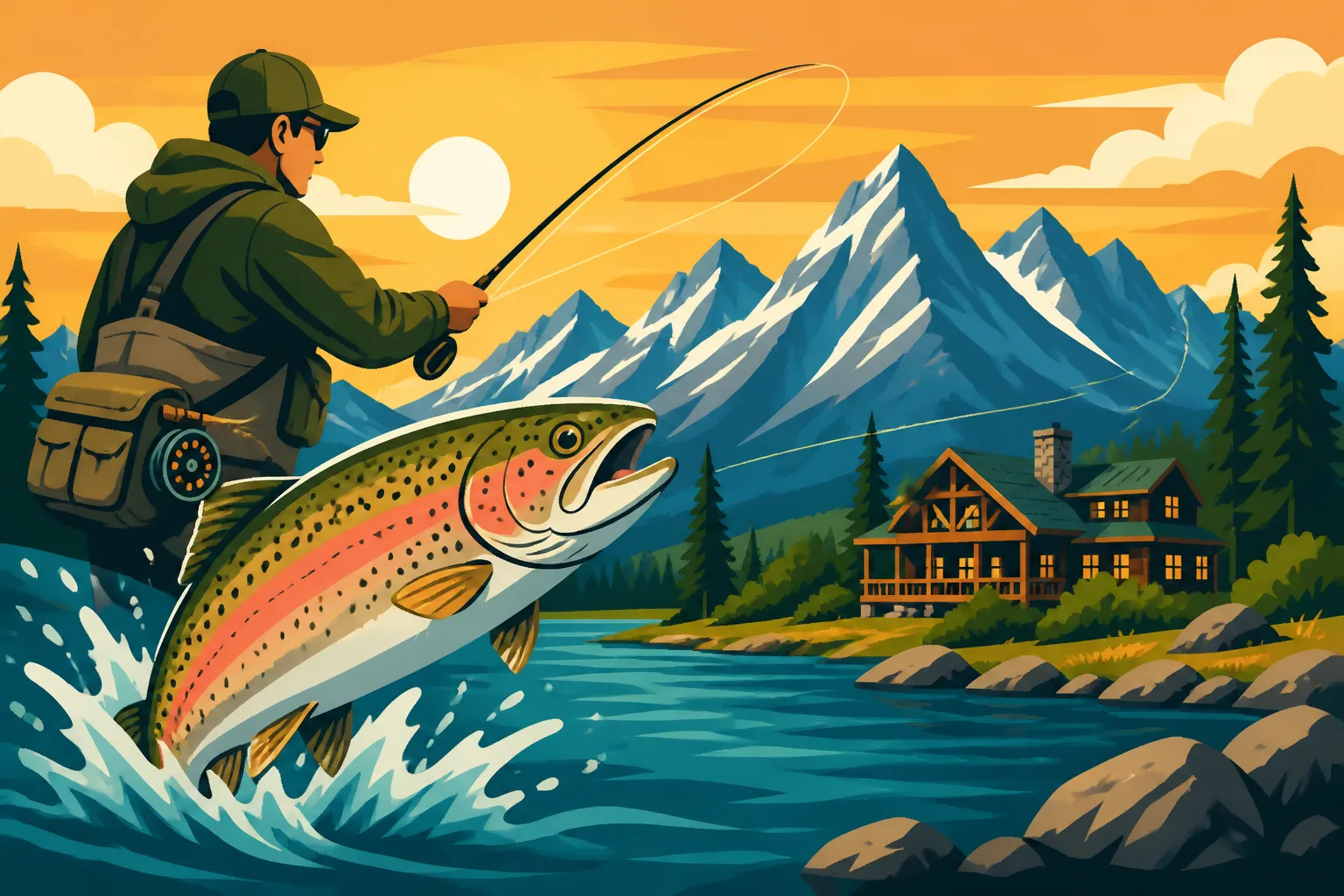
These lodges often have a rustic charm combined with modern comforts. Picture yourself in a beautiful log cabin after a day on the river, enjoying a hearty meal, and then perhaps a tying session with your guide or fellow guests. The guides at these lodges are typically fly fishing specialists, intimately familiar with local hatches, reading water, and advanced techniques. They'll know the best Wyoming Fly Patterns for Cutthroat Trout and when to switch from nymphs to dry flies. Lodges like those found in the Jackson Hole area, targeting the Snake River, are prime examples, offering unparalleled access to stunning waters and expert instruction.
All-Species Outfitters
While Wyoming is renowned for its trout, it's certainly not the only game fish in town! All-species outfitters cater to a broader range of angling interests, offering trips for trout but also branching out to target other species like Walleye Fishing in Wyoming, smallmouth bass, or even ling (burbot) in the state's many reservoirs. These outfits are often more flexible in their approach, providing spin fishing, bait fishing, and trolling options in addition to fly fishing.
An all-species outfitter might run trips on the high-desert reservoirs like Boysen or Flaming Gorge, where the focus could be on jigging for walleye or trolling for massive lake trout. They typically have a diverse fleet of boats suitable for different water bodies and conditions, and their guides are adept at various techniques. If your group has mixed interests – maybe one person wants to fly fish for trout and another wants to try for a big walleye – this type of outfitter can usually accommodate everyone, providing a versatile and inclusive experience.
Backcountry and Wilderness Camps
For those seeking a truly immersive, off-the-grid adventure, backcountry and wilderness camps offer an unforgettable experience. These outfitters specialize in multi-day pack trips, often involving horses or llamas, to access remote, high-alpine lakes and streams deep within Wyoming's wilderness areas like the Wind River Range or the Absaroka Mountains. This isn't just a fishing trip; it's an expedition.
You'll typically hike or ride into a pre-established camp, which can range from comfortable wall tents with cots and wood stoves to more primitive spike camps. The fishing in these remote areas is often spectacular, targeting native cutthroat, brook trout, or even rare Golden Trout Fishing in Wyoming. These trips require a certain level of physical fitness and a love for the outdoors, but the rewards are immense: solitude, stunning scenery, and untouched fisheries. Guides on these trips are not just fishing experts; they're skilled outdoorsmen, adept at navigation, wilderness survival, and Leave No Trace principles.
Key Factors to Consider When Choosing an Outfitter or Lodge
Selecting the perfect outfitter or lodge for your Wyoming fishing adventure is a big decision, and it’s important to weigh several factors to ensure you find a fit that aligns with your expectations and budget. After all, this is your hard-earned vacation time, and you want it to be as rewarding as possible.
Location and Target Fisheries
Wyoming is a vast state, and different regions offer distinct fishing experiences. Your first step should be to decide what kind of fishing you're most interested in. Are you dreaming of drifting a dry fly on a world-class trout river, or are you hoping to tangle with trophy lake trout on a massive reservoir?
- Jackson Hole & Western Wyoming: Renowned for the Snake River and its fine-spotted cutthroat trout. This area also offers access to Grand Teton National Park's pristine lakes. Look for outfitters specializing in float trips here.
- North Platte River Corridor (Casper Area): Home to the famous Miracle Mile and Gray Reef sections, known for large rainbow and brown trout. Many dedicated fly fishing lodges are found in this region.
- Southwest Wyoming (Flaming Gorge & Green River): A diverse fishery with incredible lake trout, kokanee salmon, and smallmouth bass in Flaming Gorge, plus exceptional green river trout fishing below the dam. Outfitters here often specialize in boat-based fishing.
- Wind River Mountains: For the adventurous, these high-alpine lakes offer golden trout, brook trout, and cutthroat, often requiring pack trips.
Consider which fish species excite you most and where those species thrive. For instance, if you're set on catching a trophy walleye, you wouldn't book a fly fishing lodge on the Snake River; you'd look for an outfitter near Boysen Reservoir or Keyhole Reservoir. Knowing your target species and preferred fishing environment will narrow down your options significantly.
Package Inclusions and Costs
This is where the rubber meets the road. Fishing trips, especially guided ones or lodge stays, can be a significant investment, so understanding what's included in the price is crucial. Many lodges offer all-inclusive packages that cover:
- Accommodations: Your room or cabin.
- Meals: Breakfast, lunch (often streamside or boat-side), and dinner.
- Guided Fishing: Full-day or half-day trips, typically one guide per two anglers.
- Gear: Rods, reels, lines, flies, lures, and sometimes waders.
- Transportation: To and from the fishing access points, and sometimes airport shuttles.
However, it's equally important to know what's not included. Often, fishing licenses, alcohol, gratuities for guides and staff, and personal items are extra. Don't be shy about asking for a detailed breakdown of costs. A cheaper upfront price might quickly escalate if essential items are left out. Compare packages carefully to ensure you're getting the best value for your money. For an idea of the shape of costs, you can generally expect a full-day guided float trip for two anglers to be several hundred dollars, while an all-inclusive lodge stay for multiple days will be significantly more, reflecting the comprehensive services. Platforms like FishingBooker often provide clear breakdowns of what's included in their listed trips, which can be very helpful for comparison.
Guide-to-Client Ratio and Group Size
The quality of your guided experience can often hinge on the guide-to-client ratio. Most dedicated fishing outfitters aim for a 1:2 guide-to-angler ratio for float trips, ensuring each person gets ample attention, casting instruction, and assistance. For wade trips, it might be 1:1 or 1:2. If you're looking for a more personalized experience, especially as a beginner or if you're hoping to refine specific techniques, a lower ratio is generally better.
Also, consider the overall group size. Some lodges host a handful of guests, offering an intimate, family-like atmosphere, while others might accommodate larger groups. Neither is inherently better; it's about what you prefer. If you enjoy camaraderie and meeting many new people, a larger lodge might suit you. If you prefer quiet solitude and personalized service, a smaller, more boutique operation might be more your speed. Remember to ask How Many People Fit in a Guide's Drift Boat if you're planning a trip with friends or family.
Reputation and Reviews
Before you commit, do your homework! In today's interconnected world, it's easier than ever to gauge an outfitter's or lodge's reputation. Look for online reviews on platforms like Google, TripAdvisor, or specialized fishing forums. Pay attention to consistent themes, both positive and negative.
- Positive indicators: Guides praised for their knowledge, patience, and enthusiasm; excellent communication from the booking staff; clean and comfortable accommodations; delicious food; and consistent reports of good fishing experiences.
- Red flags: Frequent complaints about unresponsive communication, guides showing up late or unprepared, poor equipment, or unexpected hidden fees.
Also, consider asking for references directly from the outfitter. Speaking to past clients can provide invaluable insights into what you can truly expect. A reputable outfitter will be happy to connect you with satisfied customers.
Top Fishing Destinations and Associated Lodges/Outfitters
Wyoming boasts an incredible array of fishing destinations, each with its own character and species to target. Knowing these distinct areas will help you pinpoint where you want to cast your line and what kind of outfitter or lodge will best serve your adventure.
Jackson Hole and the Snake River Region
When most people picture Wyoming fishing, the iconic Jackson Hole area often comes to mind. Nestled against the dramatic backdrop of the Teton Range, this region is famous for the Snake River and its native fine-spotted cutthroat trout. The fishing here is primarily done via drift boat, offering spectacular scenery alongside excellent angling.
Outfitters in Jackson Hole often specialize in Float Trips on Wyoming's Snake River. You'll find many dedicated fly fishing guides who are experts at matching the hatch and helping you land beautiful cutthroat, often on dry flies during the summer months. Lodges here range from luxurious resorts with private access to stretches of river to more rustic, but equally comfortable, fishing cabins. Expect a focus on scenic floats and a quintessential western fly fishing experience. This area is also close to Grand Teton National Park, where you can find additional guided opportunities on waters like Jackson Lake, known for its healthy lake trout population.
North Platte River Corridor (Casper Area)
Moving to the central part of the state, the North Platte River near Casper is legendary for its blue-ribbon trout fishing. Stretches like the Miracle Mile, Gray Reef, and Fremont Canyon are world-renowned for their prolific populations of large rainbow and brown trout. These waters are tailwaters, meaning they flow out from under dams, providing consistent cold temperatures and nutrient-rich environments that allow trout to grow exceptionally large.
The Casper area is home to numerous top-tier fly fishing lodges and outfitters, many of whom offer both float and wade trips. Guides here are masters of nymphing and streamer fishing, though dry fly opportunities can be fantastic depending on the season. Expect long, productive days on the water, often with high catch rates. Lodges in this region are typically fishing-centric, providing comfortable accommodations, hearty meals, and expert guides who live and breathe the North Platte. If you're serious about chasing trophy trout on a consistently productive river, this is a prime destination. Many outfitters will offer Guided Trips on Wyoming's North Platte Miracle Mile or Guided Trips on Gray Reef.
Southwest Wyoming (Flaming Gorge, Green River)
Heading to the desert landscapes of southwest Wyoming, you'll discover a completely different, but equally exciting, fishing scene. Flaming Gorge Reservoir, straddling the Wyoming-Utah border, is a colossal body of water famous for its monstrous lake trout (Mackinaw) and thriving kokanee salmon population. Below the dam, the Green River offers another blue-ribbon trout fishery, often less crowded than its northern counterparts.
Outfitters in this region are often adept at various techniques, from trolling with downriggers for deep-water lake trout to jigging for smallmouth bass. You'll find a mix of lodges and independent guides who operate out of Green River, Rock Springs, or even directly on the reservoir. If you're looking for a chance at a true trophy lake trout, or want to experience the thrill of a kokanee salmon run, Guided Lake Trout Trips at Wyoming's Flaming Gorge or Guided Trips for Kokanee Salmon at Flaming Gorge, Wyoming are excellent choices. The Green River below the dam offers fantastic wade and float fishing for browns and rainbows, and many guides combine reservoir and river trips for a varied experience.
Wind River Country and High Lakes
For the adventurous angler who craves solitude and truly wild fish, the Wind River Range and other high-elevation areas offer an unparalleled experience. This isn't about luxury lodges, but rather rugged beauty and the challenge of accessing remote waters that hold native cutthroat, brook trout, and golden trout.
Outfitters here typically specialize in Guided Backcountry Trips to Wyoming's High Lakes, involving multi-day pack trips with horses or llamas to carry gear. These trips are immersive wilderness experiences, where the fishing is often just one incredible aspect of the adventure. You'll be staying in tent camps, cooking over open fires, and hiking to pristine lakes and streams that see very few anglers. The guides are not only fishing experts but also seasoned outdoorsmen, ensuring your safety and comfort in the backcountry. If you're looking to combine serious angling with a true wilderness expedition, the Wind Rivers offer some of the most rewarding opportunities.
Understanding What's Included (and What's Not)
Booking a fishing trip with an outfitter or lodge can be a fantastic way to simplify your adventure, but it's vital to have a clear understanding of what your package covers. Surprises are great when you're landing a trophy fish, but not so much when they pop up on your final bill.
Typical Inclusions: Gear, Meals, Accommodations
Most reputable fishing outfitters and lodges strive to provide a comprehensive experience, covering the major elements of your trip. Here’s a breakdown of what you can usually expect to be included:
- Guided Fishing: This is the core offering, typically full-day guided trips (often 8+ hours on the water) with an expert guide. This might be a drift boat trip on a river, a powerboat on a reservoir, or a wade-in session. The guide's expertise, local knowledge, and transportation to and from fishing spots are usually part of this.
- Rods, Reels, and Terminal Tackle: For fly fishing, this means appropriate rods, reels, lines, leaders, tippet, and a generous supply of flies suited to the current conditions. For spin fishing, you'll get spinning rods, reels, line, and a variety of lures or bait. Don't worry if you don't have all the specialized gear for Wyoming's diverse fisheries; the outfitter will provide it. This is particularly helpful for beginners or those flying in.
- Waders and Boots (for fly fishing/wading): If you're doing a wade trip, quality waders and wading boots are often provided, ensuring you stay dry and comfortable in the water.
- Meals: Full-service lodges typically include all meals: a hearty breakfast to start the day, a packed lunch (often gourmet sandwiches, snacks, and drinks) that you can enjoy riverside, and a delicious dinner in the evening. Some may even include appetizers or a happy hour.
- Accommodations: This refers to your lodging, whether it's a private cabin, a comfortable room in a main lodge, or a wall tent in a backcountry camp. Cleanliness and comfort are usually a priority.
- Non-alcoholic beverages: Water, soft drinks, and sometimes coffee or tea are generally included throughout your stay and on the boat.
Always confirm these details explicitly before booking. A good outfitter will provide a detailed itinerary and list of inclusions.
Common Exclusions: Licenses, Tips, Personal Items
While many packages are quite comprehensive, there are almost always a few items that are not covered in the base price. Being aware of these helps you budget accurately and avoid any unpleasant surprises.
- Wyoming Fishing License and Conservation Stamp: This is perhaps the most significant exclusion. Every angler (over a certain age, typically 14, but check Do Kids Need a Fishing License in Wyoming?) needs a valid Wyoming fishing license and often a The Wyoming Conservation Stamp and What It Covers. Your outfitter or guide cannot provide this for you, though they can often point you to where and how to buy a Wyoming fishing license online or at local vendors. Make sure to purchase these before your trip begins.
- Gratuities for Guides and Staff: Tipping is customary and highly appreciated in the guiding industry. It's a way to acknowledge the hard work, expertise, and excellent service provided by your guide and any lodge staff. General guidelines for tipping a guide often range from 15-25% of the trip cost. It’s always a good idea to factor this into your budget.
- Alcoholic Beverages: While non-alcoholic drinks are usually included, beer, wine, or spirits are typically an extra cost. Some lodges have a full bar, while others might allow you to bring your own. Clarify this beforehand.
- Personal Gear and Clothing: While waders and basic fishing gear might be provided, you'll need to bring your own appropriate clothing, rain gear, sunglasses, sunscreen, hat, and any personal toiletries or medications. Check out resources like What to Wear on a Wyoming Guided Fishing Trip for packing advice.
- Transportation to and from the Lodge/Region: Unless specifically stated, you're usually responsible for your travel to the lodge's meeting point or the town it's located in. Some lodges offer airport shuttle services, but these might be an additional fee.
Customizing Your Trip
Many outfitters and lodges are flexible and happy to work with you to tailor a trip that fits your specific desires. Don't hesitate to ask about customization options if a standard package doesn't quite meet your needs.
- Target Species: If you have a specific fish in mind, let them know. They might be able to suggest a particular guide or adjust the itinerary to focus on that species.
- Skill Level: Whether you're a complete beginner looking for casting lessons or an experienced angler wanting to try advanced techniques, communicate your skill level. Guides can adapt their instruction and approach accordingly.
- Non-Angler Activities: If you're traveling with family or friends who don't fish, ask if the lodge offers other activities like hiking, wildlife viewing, horseback riding, or sightseeing tours.
- Dietary Restrictions: If you have allergies or dietary preferences, make sure to inform the lodge well in advance. Most are very accommodating, but they need time to prepare.
- Multi-Day vs. Single-Day: Some outfitters primarily offer single-day guided trips, while lodges focus on multi-day packages. However, there's often overlap, and you might be able to extend a single-day trip or add an extra day to a package.
Open communication is key. The more information you provide, the better the outfitter can craft an unforgettable experience for you.
Booking Your Wyoming Fishing Adventure
Once you've decided on the type of experience you're looking for, the next step is to actually book your trip. This process involves a few key considerations, from timing your booking to utilizing online resources and preparing for your adventure.
When to Book and Peak Seasons
Wyoming's fishing seasons vary depending on the target species and location, but generally, the prime fishing window runs from late spring through early fall. The most popular times of year, known as peak seasons, are typically summer (June-August) for dry fly fishing and favorable weather, and early fall (September-October) for brown trout spawning runs and cooler temperatures.
- Summer (June-August): This is often the busiest time, especially in popular areas like Jackson Hole and the North Platte. Warm weather, consistent hatches, and family vacations make this a high-demand period. If you plan to travel during these months, you should aim to book your lodge or outfitter 6-12 months in advance, especially for prime dates.
- Fall (September-October): While still popular, especially for trophy brown trout on rivers like the North Platte, the crowds tend to thin a bit after Labor Day. This is a fantastic time for aggressive streamer fishing and cooler temperatures. Booking 4-6 months out is usually sufficient, but popular outfitters might still fill up quickly.
- Spring (April-May): Can be a great shoulder season with fewer crowds, but river conditions are highly dependent on snowmelt and runoff, which can make waters high and off-color. Reservoirs often fish well this time of year. Booking a few months in advance is typically fine.
- Winter (November-March): Ice fishing is the main game for many reservoirs, and some tailwaters remain open for traditional fishing. This is the least crowded season, and you might find Off-Season Discounts on Wyoming Guided Trips. Booking a month or two in advance is usually enough.
Always remember that guides and lodges have limited availability. If you have specific dates in mind, especially during peak season, booking early is absolutely essential to secure your spot.
Using Online Booking Platforms
In today's digital age, online booking platforms have become incredibly useful tools for researching and reserving fishing trips. Websites like FishingBooker can offer a centralized place to browse various outfitters, compare prices, read reviews, and book trips directly.
- Convenience: These platforms allow you to search by location, target species, type of trip (e.g., fly fishing, ice fishing, offshore), and even specific dates. You can filter results to quickly find options that meet your criteria.
- Transparency: Many platforms provide detailed descriptions of what's included, pricing structures, and clear cancellation policies. This helps eliminate confusion and ensures you know exactly what you're getting.
- Reviews and Ratings: A significant benefit is the ability to read reviews from previous clients. These firsthand accounts offer valuable insights into the guide's personality, fishing expertise, the quality of their gear, and the overall experience. For instance, if you're looking for Best Guides for Teaching Beginners to Fly Fish, you can often find this information in reviews.
- Secure Booking: Reputable platforms offer secure payment processing and often have customer support available to assist with any questions or issues before, during, or after your booking.
While online platforms are fantastic resources, it's still a good idea to visit the outfitter or lodge's direct website and, if possible, have a phone conversation with them before finalizing your booking. This allows you to ask specific questions, gauge their responsiveness, and ensure a personal connection.
Preparing for Your Trip (What to Ask, What to Bring)
Once your trip is booked, preparation is key to a smooth and enjoyable experience. Don't wait until the last minute!
What to Ask Your Outfitter/Lodge:
- Detailed Itinerary: What does a typical day look like? What time do we meet? Where?
- Packing List: Request a specific list of recommended clothing, layers, rain gear, and personal items.
- License Requirements: Confirm exactly what licenses and stamps you need and where to purchase them. Ask Can a Guide Sell You a License on the Spot? (the answer is usually no, so plan ahead!).
- Weather Expectations: Ask about typical weather patterns for your travel dates, so you can pack appropriately.
- Dietary Needs: Reconfirm any allergies or dietary restrictions you may have.
- Gratuity Guidelines: Ask about their suggested tipping policy for guides and staff.
- Emergency Procedures: What's the plan in case of an emergency or unexpected weather?
- Fish Handling Policy: Is it primarily catch-and-release, or can you keep some fish? If so, what are the cleaning and packaging arrangements?
What to Bring:
- Valid Wyoming Fishing License & Conservation Stamp: Purchased beforehand and readily accessible (a printed copy and a digital version on your phone are good). Carrying Your Wyoming Fishing License in the Field is important.
- Appropriate Clothing: Layers are crucial in Wyoming. Quick-drying fabrics, a good rain jacket, and warm layers (even in summer) are essential.
- Sun Protection: Hat, polarized sunglasses (essential for seeing fish and protecting your eyes), and high-SPF sunscreen.
- Personal Medications: Any prescription medications you need.
- Camera/Phone: To capture those incredible memories (make sure it's waterproof or in a dry bag!).
- Small Backpack or Day Bag: For personal items you want to keep handy on the boat or stream.
- Cash for Tips: Have some smaller bills ready for gratuities.
- Positive Attitude: The most important thing to bring! Be open to learning, be patient, and enjoy the journey, regardless of how many fish you catch.
By being well-informed and prepared, you'll maximize your enjoyment and ensure your Wyoming fishing adventure is everything you dreamed it would be.
Making the Most of Your Guided Experience
You've invested time and money into booking a Wyoming fishing outfitter or lodge, and now it's time to hit the water. To ensure you get the absolute most out of your guided experience, a few key practices can make all the difference, transforming a good trip into a truly unforgettable one.
Communicating with Your Guide
Your guide is your partner for the day, and effective communication is the foundation of a successful trip. Don't be shy about speaking up, but also be open to their professional advice.
- Share Your Goals: Before you even leave, let your guide know what you hope to achieve. Are you aiming for a trophy fish, learning new techniques, or simply enjoying a relaxing day? Are you an expert, a beginner, or somewhere in between? The more they know about your expectations, the better they can tailor the day. For example, if your goal is to learn How to Teach a Kid to Fish in Wyoming, make sure to express that.
- Be Honest About Your Skill Level: There's no shame in being a beginner! If you struggle with casting, knot tying, or setting the hook, tell your guide. They are there to help and instruct, and they'll appreciate your honesty. Trying to pretend you're more skilled than you are can lead to frustration for both of you.
- Ask Questions: This is your opportunity to learn from an expert. Ask why they chose a particular fly, what they look for in certain water, or how to read the river. Most guides love sharing their knowledge.
- Provide Feedback (Respectfully): If something isn't working for you, or if you're too cold or too hot, politely let them know. They want you to be comfortable and happy. If you're not seeing fish, ask about trying a different spot or technique. They may have a reason for their approach, but open dialogue is always best.
- Listen and Learn: Pay attention to their instructions. They know these waters intimately and have a wealth of experience. Often, a slight adjustment to your cast or retrieve, as suggested by your guide, can make all the difference.
Remember, a guide's job is to put you on fish and ensure you have a great time, but they can't read your mind. Clear, polite communication ensures everyone is on the same page.
Gratuity and Appreciation
As mentioned earlier, tipping is a standard and expected part of the guided fishing industry. It's an important way to show your appreciation for your guide's hard work, dedication, and expertise.
- Standard Guidelines: While there's no strict rule, a gratuity of 15-25% of the trip's cost is generally considered appropriate for a good guide. If you felt they went above and beyond, consider tipping at the higher end. For multi-day lodge stays, you might also tip other staff members like housekeepers or kitchen staff.
- Factor It In: Make sure you've budgeted for tips before your trip. It's best to have cash on hand for this purpose. Don't let the thought of tipping be an afterthought; it's an integral part of the service industry.
- Beyond Money: While financial gratuity is key, sincere verbal thanks and a good review online also go a long way. If you had an exceptional experience, consider writing a personal thank-you note or leaving a positive review on the outfitter's website or booking platforms like FishingBooker. This not only makes your guide feel appreciated but also helps future clients find quality service.
- Don't Shortchange Based on Fish Count: Remember, fishing is fishing. There are days when the fish just aren't biting, despite the guide's best efforts. A good guide works hard regardless of the catch rate. Base your tip on their effort, knowledge, professionalism, and the overall quality of the experience they provided, not solely on the number of fish caught.
Respecting the Resource
Wyoming's fisheries are precious, and part of being a responsible angler, especially on a guided trip, is showing respect for the environment, the fish, and the local regulations. Your guide will reinforce these principles, but it's good to be aware beforehand.
- Catch-and-Release Practices: Many guided trips, particularly for trout, operate under strict Catch-and-Release Rules on Wyoming Waters. Learn how to properly handle fish to minimize stress and ensure their survival after release. This includes minimizing time out of water, using wet hands, and supporting the fish's body. Your guide will demonstrate proper techniques.
- Adhere to Regulations: Your guide will ensure you comply with all local bag limits, size restrictions, and special regulations for the specific waters you're fishing. Listen to their instructions regarding what fish to keep (if any) and what must be released. Ignoring regulations can lead to significant fines, like the Average Fine for Fishing Without a License in Wyoming, and potential loss of privilege.
- Leave No Trace: Practice good outdoor ethics. Pack out everything you pack in, including all trash, stray fishing line, and old lures. Avoid disturbing wildlife or damaging stream banks.
- Be a Good Steward: Contribute to conservation efforts by understanding why certain regulations are in place. For example, Why Lake Trout Are Considered a Problem in Yellowstone Lake might mean specific rules for those areas. A guided trip is a perfect opportunity to learn about these issues from someone deeply invested in the health of the fishery.
By being a communicative, appreciative, and responsible angler, you'll not only have a fantastic trip but also build positive relationships with your guides and contribute to the longevity of Wyoming's incredible fishing resources.
Comparing Lodge and Outfitter Features
To help you visualize the typical offerings, here's a general comparison of what you might find between a full-service fishing lodge and a guide service/outfitter focused primarily on day trips.
| Feature | Full-Service Fishing Lodge | Day Trip Guide Service/Outfitter |
|---|---|---|
| Accommodations | Included (private rooms/cabins), often multi-night stays. | Not included, guests arrange their own hotel/rental. |
| Meals | All meals included (breakfast, streamside lunch, dinner). | Typically only streamside lunch and non-alcoholic drinks. |
| Guided Fishing | Included, often multiple days of guided trips. | Included, usually one full or half-day trip. |
| Gear Provided | High-quality rods, reels, flies, waders often included. | Rods, reels, tackle, flies usually included. Waders less common. |
| Activities | Fishing focus, but sometimes offers other activities (e.g., hiking). | Purely fishing focused. |
| Social Aspect | Communal dining, lodge atmosphere, interaction with other guests. | Primarily interaction with guide and fishing partner(s). |
| Pre-Trip Planning | Handles most logistics, detailed itineraries, packing lists. | Focus on fishing details, less on broader trip planning. |
| Pricing Structure | All-inclusive multi-day packages. | Per-day or half-day rates. |
| Target Audience | Anglers seeking a comprehensive, immersive, comfortable vacation. | Anglers seeking specific guided fishing, flexible lodging. |
This table provides a general overview, but individual businesses will vary, so always confirm specifics with your chosen provider.
Disclaimer
This article is for general informational purposes only and does not constitute professional advice. Laws, prices and regulations vary by location and change over time. Consult a qualified professional for guidance on your specific situation.