Fishing From Boats vs Banks: Different Rules
It's incredibly frustrating when you're just trying to enjoy a peaceful day on the water, only to realize you're not entirely sure if you're even allowed to be fishing from that particular spot or in that way. Wyoming's fishing regulations can feel like a maze, especially when it comes to the subtle but significant differences between casting a line from the bank versus launching a boat. This guide will help clarify those distinctions, ensuring you stay on the right side of the rules and fully enjoy the incredible fishing opportunities Wyoming offers.
Understanding the Fundamental Differences in Wyoming Fishing Access
Wyoming is a vast state, famous for its wide-open spaces and incredible natural beauty, which naturally extends to its fishing opportunities. However, with that comes a patchwork of land ownership and management, leading to different rules depending on whether your feet are firmly planted on the shore or if you're floating in a watercraft. It’s not just about what you catch, but where and how you cast your line that really counts here. Ignoring these nuances can lead to citations, or worse, inadvertently trespassing on private property.
Why Distinctions Matter for Anglers
The reasons behind these differing regulations are rooted in everything from land ownership rights to conservation efforts and even angler safety. When you're fishing from the bank, your access often depends entirely on who owns the land adjacent to the water. If it's private property, you need permission. If it's public land, you usually have free rein, but even then, there can be specific restrictions. For instance, some stretches of river might be designated "walk-in" areas to reduce pressure from boats or preserve a more pristine fishing experience.
On the flip side, boat fishing opens up a whole new set of considerations. You gain access to parts of lakes and rivers that are inaccessible from shore, but you also take on responsibilities related to boat registration, aquatic invasive species prevention, and often, specific safety gear requirements. The type of boat, whether it's a motorized vessel on a large reservoir or a quiet drift boat on a trout stream, can also dictate where you can and cannot go. Understanding these distinctions isn't just about avoiding trouble; it's about appreciating the intent behind the regulations, which is ultimately to manage the fishery sustainably and ensure everyone has a fair shot at enjoying it.
Public vs. Private Land: A Key Divide
The most significant factor influencing whether you can fish from the bank or a boat in Wyoming is the ownership of the land surrounding the water. Much of Wyoming's prime fishing water flows through or is bordered by private ranchland. While the water itself is generally considered a public resource, accessing it often requires crossing private land. This is where many anglers, particularly those new to the state, run into issues.
When you're fishing from the bank, you absolutely must know if you are on public land (like National Forest, BLM, or state land) or private property. Trespassing, even unintentional, can result in fines and a ruined fishing trip. Public access points are often clearly marked with signs, and agencies like the Wyoming Game and Fish Department (WGFD) provide maps showing these easements. If you're unsure, it's always best to assume it's private and seek clarification or find a designated public access area. This same principle applies to launching a boat. You can't just drive across someone's pasture to get to a river, no matter how tempting that bend looks. However, once your boat is on publicly accessible water, the rules for navigating that water generally shift. The concept of "floating through" private land on navigable rivers is a long-standing point of discussion and legal interpretation in Wyoming, and anglers should always be aware of the most current understanding of these access rights.
Navigating the Specifics of Bank Fishing Regulations
There's a certain peaceful simplicity to bank fishing – just you, your rod, and the water. It’s often the entry point for many aspiring anglers and remains a favorite for its accessibility and lower gear requirements. However, "simple" doesn't mean "rule-free." Bank fishing in Wyoming comes with its own set of guidelines, largely dictated by access, environmental impact, and the sheer volume of people who might be sharing the same stretch of shoreline.
Common Bank Fishing Scenarios and Rules
Imagine you're casting into a quiet eddy on the North Platte River, hoping for a trophy brown. If you've parked in a designated public access area, like one of the WGFD access points, you're generally good to go. The rules you need to be aware of typically revolve around your license, creel limits, and any water-specific regulations. You'll need a current Wyoming Fishing License Guide for Nonresidents or resident license, depending on your status, and perhaps a conservation stamp. Always check the current regulations for the specific stretch of water you're on, as catch-and-release rules or bait restrictions can vary significantly even within the same river system. For instance, parts of the North Platte might have special fly-fishing-only or artificial-lure-only rules.
Beyond licenses and limits, bank anglers need to be mindful of their footprint. Trash, discarded fishing line, and even excessive noise can impact the experience for others and harm wildlife. Always pack out what you pack in, and if you see litter, considering picking it up. Another common scenario involves shared access areas, like a municipal park pond or a popular reservoir shoreline. In these places, courtesy is key. Give other anglers space, avoid casting over their lines, and be patient.
Restrictions and Considerations for Shoreline Anglers
While bank fishing offers freedom, there are specific places where it's restricted or prohibited entirely. This often occurs in sensitive habitats, spawning areas, or designated wildlife refuges. For example, within some state parks or national recreation areas, certain areas might be closed to fishing at specific times of the year to protect nesting birds or migrating fish. You'll often see signage indicating these closures, so pay close attention.
Another consideration is the impact on private landowners. Even if you're fishing legally from a public access point, straying too far from the marked easement onto private property can cause issues. Always know where the property lines are, and if you're unsure, stick to clearly defined public areas. Using binoculars can help you scout a promising spot without encroaching. Additionally, some bank fishing spots on smaller streams or creeks might be closed if they flow through private land, especially if landowners have opted out of public access programs. When reading the Wyoming Fishing Regulations Booklet, pay close attention to the general rules for public access and any specific exceptions noted for individual waters.
Protecting Sensitive Habitats When Fishing From Shore
Wyoming's ecosystems are delicate, and even bank anglers play a role in their preservation. Wading, for instance, can disturb fish spawning beds or aquatic insect habitats. If you're wading, try to stick to established paths or sandy/rocky bottoms, avoiding areas with lush vegetation or gravelly beds where fish might be spawning. Many anglers also appreciate the serenity of nature, and minimizing disturbance ensures that the wildlife, and the next angler, can enjoy it too.
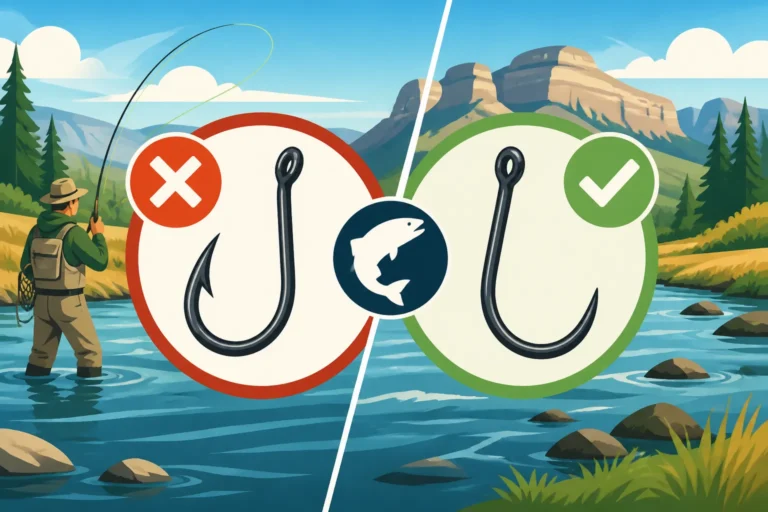
Beyond physical disturbance, the use of certain baits can also have an impact. While live bait is popular for many species, rules can restrict its use, especially in sensitive trout streams, to prevent the introduction of invasive species or diseases. Always check if Are Live Minnows Legal Bait in Wyoming? in your chosen fishing spot. Furthermore, proper catch-and-release techniques are crucial. Even if you're not required to release fish, practicing Catch-and-Release Best Practices for Trout helps sustain fish populations, especially for popular game species like trout. This includes minimizing handling, keeping fish in the water as much as possible, and using barbless hooks, which are even required on some pristine waters like certain sections of the North Platte River.
Deciphering the Rules for Fishing from a Boat in Wyoming
Fishing from a boat unlocks a whole new dimension of angling possibilities in Wyoming. You can cover more water, access deeper sections, and reach those elusive spots that are impossible to cast to from shore. But with that freedom comes a host of additional regulations, ranging from boat registration to mandatory safety gear and rules about how you operate your vessel.
Motorized vs. Non-Motorized Craft: Varying Requirements
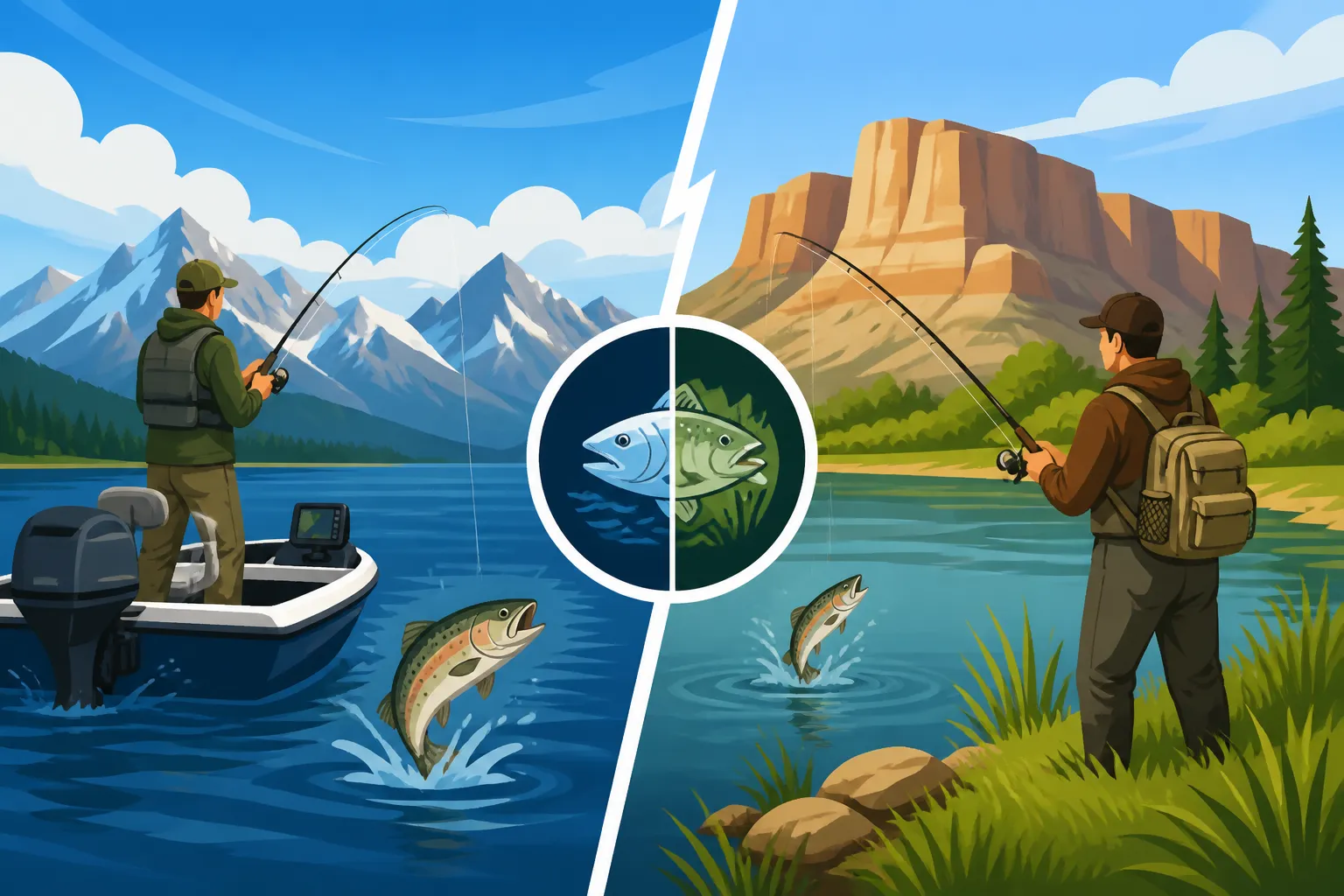
The type of watercraft you're using makes a big difference in Wyoming. A massive bass boat with a powerful outboard motor operating on Flaming Gorge Reservoir has a vastly different set of rules than a solo angler in a float tube on a small mountain lake.
Motorized Vessels: For any boat with a motor, regardless of size, you're looking at registration requirements. This means having your boat titled and registered with the state, displaying registration numbers, and carrying your registration card on board. Think of it like a vehicle for the water. You'll also need to ensure your motor meets any local emission standards, though this is less common for fishing boats. Large reservoirs like Flaming Gorge, Boysen, and Glendo are popular spots for motorized boats, where anglers often employ sophisticated electronics and trolling techniques for species like walleye and lake trout.
Non-Motorized Craft: This category includes everything from canoes, kayaks, and stand-up paddleboards to pontoon boats, drift boats, and even float tubes. While these generally don't require state registration like motorized boats, they still fall under important regulations. Critically, all watercraft in Wyoming must undergo an aquatic invasive species (AIS) inspection before launching, especially if they've been in waters outside Wyoming. This is a huge deal for protecting Wyoming's pristine waters from threats like zebra mussels. Even a small kayak bought off Amazon needs to be clean, drained, and dry before launch, and you might need an inspection.
Boat Launch Access and Permitting
Getting your boat into the water isn't always as simple as backing your trailer down a dirt path. Many popular fishing destinations, especially larger reservoirs and state parks, have designated boat ramps. These ramps are often managed by the WGFD, State Parks, or other agencies and may require a day-use fee or a state parks pass. For example, launching at a ramp within Keyhole State Park or Glendo State Park will typically require a permit. These fees help maintain the facilities, ensuring they're clean and accessible.
On some rivers, like sections of the Snake River or North Platte River, specific put-in and take-out points are established for drift boats and rafts. These access points are crucial for managing traffic and ensuring respectful use of the river. Always research these access points before you go, especially for popular float trips, as parking can be limited during peak season. You can often find detailed maps and information on the WGFD website or through local outfitters.
Safety Gear and Watercraft-Specific Regulations
Safety isn't just a good idea; it's the law when you're on the water in Wyoming. The U.S. Coast Guard, which has jurisdiction on navigable waters, sets general safety standards, and Wyoming's boating regulations often mirror or expand upon these.
Here's a quick rundown of essential safety gear you'll need on most boats:
- Life Jackets (PFDs): You must have at least one wearable personal flotation device (PFD) for every person on board. Children 12 years of age and younger are required to wear a PFD when on a moving vessel.
- Throwable Device: Boats 16 feet or longer (excluding canoes and kayaks) must also carry one throwable PFD (like a ring buoy or cushion).
- Sound-Producing Device: A whistle, horn, or other sound-making device is mandatory to signal other boaters or alert for help.
- Visual Distress Signals: For boats operating between sunset and sunrise, or in conditions of restricted visibility, visual distress signals (flares, orange flag) are usually required.
- Fire Extinguisher: Boats with an enclosed engine compartment or fuel tank are required to carry a fire extinguisher.
- Navigation Lights: If operating between sunset and sunrise, your boat must display proper navigation lights.
Beyond these basics, specific watercraft may have unique rules. For instance, in some areas, only electric motors are allowed to reduce noise and pollution. There might also be speed limits or no-wake zones, especially near shorelines, swimming areas, or marinas. Always familiarize yourself with these local rules before you launch. Carrying Your Wyoming Fishing License in the Field is also essential, whether you're in a boat or on the bank.
| Feature | Bank Fishing | Boat Fishing (General) |
|---|---|---|
| Primary Access | Public easements, parks, accessible private land (with permission) | Public boat ramps, designated put-in/take-out points |
| Land Ownership | Direct impact: must be on public land or have permission for private land | Indirect impact: access point on public land; can float through private on navigable rivers |
| Watercraft Type | None (feet on ground) | Motorized (registration, lights, safety gear) or Non-Motorized (AIS inspection, safety gear) |
| AIS Inspection | Not applicable (unless wading gear is used elsewhere) | Mandatory for all watercraft from out-of-state waters |
| Safety Gear | Minimal (personal safety, first aid) | PFDs (worn by kids 12 & under), throwable device, sound-producing device, fire extinguisher, navigation lights |
| Mobility | Limited to shoreline, wading | Extensive across lakes/rivers, reaching deeper spots |
| Permits/Fees | Fishing license, conservation stamp, sometimes day-use park fees | Fishing license, conservation stamp, boat registration (motorized), boat launch fees, park passes |
| Environmental Footprint | Focus on litter, wading impacts, stream bank erosion | Focus on AIS, fuel spills, propeller damage, wake erosion |
Access Challenges: Public Easements and Private Land Encounters
Wyoming is known for its incredible public lands, but it's also a state with a strong tradition of private land ownership. Navigating this mix is perhaps the biggest challenge for anglers, whether you're on foot or in a boat. The difference between legal access and trespassing can sometimes be as subtle as stepping a few feet off a gravel road.
Identifying Legal Access Points Along Rivers and Lakes
Finding legal access to prime fishing waters in Wyoming can sometimes feel like a treasure hunt. The good news is that the WGFD works hard to secure and maintain public access through various programs, including their Public Access Areas and Walk-in Area (WIA) programs. These areas are typically well-marked with distinctive yellow WGFD signs. These signs are your best friend! They indicate where you can legally park, walk, and fish.
For rivers, pay close attention to maps that show public easements. An easement means the public has a right-of-way to pass through private land to reach public water, or to fish along the banks of a river even if the adjacent land is private. However, these easements usually have strict boundaries – you can't just wander off them. Understanding Where to Find Current Wyoming Fishing Regulations or WGFD online maps is crucial. For example, some stretches of the Green River below Flaming Gorge Dam have excellent public access, while others are bordered by private land that may be leased by outfitters or closed to public access.
Lakes and reservoirs often have more straightforward access points, usually at developed boat ramps or designated recreation areas. However, even on these larger bodies of water, large sections of shoreline might be private. Always consult maps and respect signs.
Respecting Private Property: The Golden Rule
This cannot be stressed enough: Respecting private property is the golden rule of fishing in Wyoming. Even if you believe you have a right to access, if you're met with resistance or find "No Trespassing" signs, it's always best to err on the side of caution and find another spot. Many landowners are friendly and allow access if asked, but showing up unannounced and uninvited can understandably lead to conflict.
A common misconception is the "floating through" rule on navigable rivers. In Wyoming, if a river is deemed "navigable," meaning it can be floated by boat (even a canoe or raft), you generally have the right to float on the water, even if the banks are private. However, the banks themselves are typically still considered private property. This means you generally cannot step out of your boat onto private land to wade, picnic, or retrieve a snagged lure unless you have permission. There's an ongoing legal debate about the exact scope of these rights in Wyoming, so always stay informed and be courteous. If you’re floating the Wyoming's Snake River Fishing Guide, for example, many sections have public launch and take-out points, but the land between is often private.
How Public Access Laws Protect Anglers
While the challenges of private land are real, Wyoming also has robust public access programs designed to protect and enhance angler opportunities. The WGFD's Walk-in Area (WIA) program is a fantastic example. Through agreements with private landowners, the WGFD leases access rights for fishing (and sometimes hunting) on private lands, making these areas accessible to the public. These agreements are a win-win: landowners receive compensation, and anglers gain access to otherwise inaccessible water.
These WIA sites are published annually, and it's essential to have the current maps and respect the specific rules for each site (e.g., some may be foot traffic only, some may be open for certain species only). Ignoring these rules could jeopardize the program for everyone. These programs ensure that even in a state with significant private land, there are ample opportunities for anglers to enjoy Best Places to Fish in Wyoming. Always remember that these access points are a privilege, not an inherent right to cross private land, and treating them with care and respect helps ensure their longevity.
Gear, Safety, and Ethical Considerations for Both Methods
Whether you’re standing on solid ground or rocking gently on the waves, fishing responsibly in Wyoming means thinking about more than just catching fish. It's about preparedness, safety, and ensuring your actions contribute positively to the environment and the angling community. The gear you carry and the approach you take will naturally differ between bank and boat fishing, but the underlying ethical principles remain constant.
Essential Gear Differences for Bank and Boat Fishing
The beauty of bank fishing often lies in its simplicity. You can grab a single rod, a small tackle box or vest, a water bottle, and you're set. Portability is key. Many bank anglers prefer a good pair of waders if they plan to step into the water, and sturdy hiking boots if they're traversing rough terrain to get to a secluded spot. Essential items for bank fishing might include:
- A backpack for carrying snacks, water, and extra layers.
- A small tackle box or fanny pack for lures, hooks, and weights.
- Pliers or a hemostat for hook removal.
- Sunscreen, hat, and sunglasses.
- A measuring tape and scale if you plan to keep fish.
- Waders and wading boots (if applicable).
- A small net, especially for catch-and-release.
For boat fishing, the gear list expands considerably, driven by both convenience and legal requirements. You have more space, so you can bring more specialized equipment, but you also have to account for boat-specific items.
- Boat-specific safety gear: (as mentioned above: PFDs, throwable devices, sound-making device, etc.). You can often find affordable options on Amazon for these necessities.
- Navigation tools: GPS, depth finder, fish finder are common.
- Anchors or trolling motors: For positioning the boat.
- Multiple rods and tackle boxes: To target different species or depths.
- Cooler: For drinks, snacks, and safely storing your catch.
- First-aid kit: More comprehensive than a bank fishing kit due to potential boating hazards.
- Nets, landing tools: Larger and more robust for bigger fish caught from a boat.
For both types of fishing, having a valid Wyoming Fishing License Cost and a copy of the current regulations is non-negotiable.
Safety Protocols: Knowing Your Method's Risks
No matter how you fish, safety should always be your top priority. The risks, however, change significantly.
Bank Fishing Safety:
- Awareness of surroundings: Watch for wildlife (snakes, bears, moose), unstable banks, and slippery rocks.
- Weather: Bank anglers are exposed. Bring appropriate layers and seek shelter during storms.
- Water hazards: Be cautious of fast currents, deep holes, and cold water if wading. A wading staff can be a lifesaver.
- Sun protection: Prolonged exposure can lead to sunburn and heatstroke.
Boat Fishing Safety:
- Pre-launch check: Always check weather forecasts, ensure all safety gear is aboard and accessible, and that your boat is in good working order.
- Water conditions: Be mindful of wind, waves, and submerged obstacles. Large lakes like Wyoming's Flaming Gorge Reservoir Fishing Guide can get very choppy quickly.
- Hypothermia: Even on warm days, cold water immersion is a serious risk. Always dress for the water temperature, not the air temperature.
- Alcohol/Drugs: Boating under the influence is just as dangerous, and illegal, as driving under the influence.
- Communication: Tell someone where you're going and when you expect to return, especially if you're heading to remote waters. Consider carrying a satellite messenger for emergencies.
Minimizing Environmental Impact Regardless of Approach
Every angler shares a responsibility to protect Wyoming's natural resources. This means being mindful of your impact, whether you're on the bank or in a boat.
- Leave No Trace: Pack out all trash, including discarded fishing line, bait containers, and food wrappers. Even biodegradable items should be packed out.
- Aquatic Invasive Species (AIS) Prevention: This is paramount in Wyoming. For boaters, it means "Clean, Drain, Dry" every time. Inspect your boat, trailer, and all gear (including waders and nets) for any plant fragments or hitchhiking organisms. Drain all water from the bilge, live wells, and engine. Dry your boat and gear thoroughly. If you've been in another state's waters, a mandatory inspection at a WGFD check station is required. Bank anglers should also clean and dry their waders and boots between different bodies of water to prevent the spread of microscopic invaders.
- Fish Handling: Practice responsible catch and release, especially for vulnerable species or if you're fishing in a designated "trophy trout" area. Minimize air exposure, handle fish gently with wet hands, and use a dehooking tool.
- Respect Wildlife: Keep a respectful distance from nesting birds, spawning fish, and other wildlife. Your presence should not disturb their natural behavior.
- Ethical Bait Use: Only use legal baits and dispose of unused bait properly. Never introduce non-native species into a water body.
By adhering to these principles, we ensure that Wyoming's incredible fishing opportunities remain vibrant for generations to come.
Situational Exceptions and Special Regulations
Just when you think you have a handle on things, Wyoming's regulations remind you that every water body can be unique. It's not enough to know the general rules; you also need to be aware of specific exceptions and situations that can dramatically change how you can legally fish from a boat or the bank. These can range from seasonal closures to special management zones within popular rivers.
Rules on Designated "Walk-In" or "Boats Prohibited" Waters
Some of Wyoming's most cherished fisheries have specific rules designed to protect their character or sensitive fish populations. You'll encounter waters designated as "Walk-In Fishing Only" or "Boats Prohibited." These are fairly self-explanatory but warrant a closer look.
Walk-In Fishing Only: These areas are often found on smaller streams or specific sections of larger rivers where the goal is to provide a more secluded, wade-fishing experience. They explicitly restrict the use of any watercraft, including drift boats, rafts, kayaks, and float tubes. The idea is to limit pressure, protect stream banks from boat traffic, and offer a tranquil experience away from motors and excessive commotion. If you encounter such a sign, your boat stays on the trailer or shore. These spots are fantastic for those who enjoy the solitude of Fishing Wyoming's Wilderness and Backcountry Lakes.
Boats Prohibited: Similar to walk-in areas, these might apply to small, fragile lakes, ponds, or certain stream sections where any type of watercraft is deemed detrimental to the fishery or ecosystem. It's important to differentiate this from "motorized boats prohibited," where non-motorized craft might still be allowed. Always read the signs and the specific regulations carefully. A common scenario for these rules could be smaller, high-alpine lakes that are stocked with native species like Golden Trout, where minimizing human impact is a high priority.
Navigating Regulations in National Parks and Tribal Lands
Wyoming is home to parts of two iconic national parks, Yellowstone and Grand Teton, and significant tribal lands, particularly the Wind River Reservation. Fishing in these areas is a unique experience, but it comes with an entirely separate set of rules that supersede or complement state regulations.
National Parks:
- Yellowstone National Park: Fishing in Yellowstone requires a specific Yellowstone National Park fishing permit, which is separate from a Wyoming state fishing license. The regulations here are notoriously strict, focusing heavily on native species conservation (like the Yellowstone Cutthroat Trout) and aquatic invasive species prevention. There are specific rules regarding tackle, bait, catch-and-release, and even reporting your catch. For example, Do You Need a Wyoming License to Fish in Yellowstone National Park? – the answer is no, you need a federal permit. Certain waters may be closed to all fishing, or only open to specific methods, or may have mandatory catch-and-kill regulations for invasive species like lake trout in Yellowstone Lake.
- Grand Teton National Park: Fishing in Grand Teton also requires a separate Grand Teton National Park fishing permit. While it often aligns more closely with Wyoming state regulations in some respects, there are still distinct rules. For instance, Do You Need a Wyoming License to Fish in Grand Teton National Park? also has a different answer – you need a park permit. Specific lakes and rivers within the park, such as String Lake or Leigh Lake, will have their own rules regarding boat type, size, and fishing methods.
Tribal Lands:
- Wind River Reservation: Large portions of central Wyoming fall within the Wind River Indian Reservation, home to the Eastern Shoshone and Northern Arapaho tribes. Fishing on tribal lands requires a tribal fishing permit, not a Wyoming state license. Do You Need a License to Fish on the Wind River Reservation? Yes, you absolutely do, and it's a tribal one. These permits can typically be purchased in towns like Fort Washakie or Riverton. The tribes manage their own fisheries with their own regulations, which can differ significantly from state rules regarding seasons, limits, and methods. Always consult tribal regulations before fishing on reservation lands.
Emergency Closures and In-Season Changes
Mother Nature doesn't always cooperate with our fishing plans, and sometimes, the WGFD has to make tough decisions to protect fish populations. Droughts, extreme heat, disease outbreaks, or even major pollution events can trigger emergency closures or in-season regulation changes. These changes can affect specific waters or entire regions and might temporarily prohibit all fishing, restrict certain methods, or implement mandatory catch-and-release rules.
It's absolutely vital to stay informed, especially if you're planning a trip during historically sensitive times (like late summer during a drought). The WGFD will announce these changes via press releases, their website, and sometimes through local signage. You can usually find updates on How Wyoming Game and Fish Announces Emergency Closures through their official channels. Always check before you head out, as arriving at your favorite fishing spot only to find it closed or under special restrictions can be a huge disappointment. These dynamic regulations underscore the importance of being adaptable and understanding that conservation sometimes requires temporary sacrifices for long-term health of our fisheries.
Disclaimer
Please remember that fishing regulations are subject to change. While this guide provides comprehensive information, it is crucial to always consult the most current Wyoming Game and Fish Department regulations booklet or their official website before heading out on any fishing trip. National Park and Tribal Land regulations are separate and must also be strictly adhered to. Your responsibility as an angler is to know and follow all applicable rules.