Guided Fishing on Wyoming’s Flaming Gorge Reservoir
Ah, the majestic Flaming Gorge Reservoir! If you've ever stood on its rugged shores, gazing out at those incredible red rock canyons meeting the deep, clear water, you know it's a place of breathtaking beauty. But let's be honest, for all its splendor, this vast expanse of water can feel intimidating when you're trying to find fish. It’s like searching for a needle in a haystack, a really, really big, scenic haystack. This guide is all about helping you understand why a seasoned fishing guide on Flaming Gorge isn't just a luxury, but often the key to unlocking its fishing potential and creating unforgettable memories.
The Grandeur and Challenge of Flaming Gorge
Flaming Gorge is truly one of Wyoming's (and Utah's, since it straddles both states!) crown jewels when it comes to fishing. It's an immense reservoir, carved out by the Green River, offering incredible depths, intricate shorelines, and a diverse fishery. But its very size and complexity are also its biggest challenges for the uninitiated angler. You might spend days motoring around, casting your line, and seeing nothing but beautiful scenery, all while wondering where the fish are hiding.
Navigating a Sprawling Aquatic Wilderness
Imagine a body of water over 90 miles long, with more than 300 miles of shoreline – that's Flaming Gorge for you. It's not just a big lake; it's a labyrinth of coves, canyons, submerged islands, and intricate bottom structures. Without local knowledge, trying to figure out where the fish might be holding at any given time can be an exercise in frustration. Weather patterns, water temperature, bait fish movements, and even boat traffic can shift fish locations dramatically. A general map will tell you where the water is, but not where the hot spots are. You could easily waste precious fishing time just trying to orient yourself, let alone finding a productive spot.
The Secret Language of Fish Behavior
Fish in a reservoir like Flaming Gorge don't just hang out randomly; they follow patterns dictated by their species, their diet, and the environment. Lake trout, for instance, might be in deep, cold water in the summer, while kokanee salmon could be schooling in specific depths, and smallmouth bass might be hugging rocky points. Knowing when and where to find these species, and what they're likely to be feeding on, is an art form honed over years on the water. A guide isn't just taking you to a spot; they're interpreting the subtle cues of the lake – the water color, the wind, the thermocline – to put you on fish.
Understanding the Regulatory Landscape
While Flaming Gorge is primarily a Wyoming fishery on the northern end, its bi-state nature means there can be subtle differences in regulations. Beyond that, the sheer volume of general Wyoming fishing regulations can be a lot to digest. Things like specific bag limits for different species, length restrictions, or even tackle restrictions can vary. A good guide isn't just a fishing expert; they're a walking encyclopedia of the current rules, ensuring that your trip is not only successful but also completely legal and ethical. You really want to be sure you're following all the guidelines, and a guide removes that stress. After all, the Wyoming Fishing Regulations Every Angler Should Know can be quite detailed!
Why a Professional Guide is a Game Changer on Flaming Gorge
So, you're looking at Flaming Gorge, feeling that mix of excitement and overwhelm. This is precisely where a professional fishing guide steps in. They transform a potentially frustrating guessing game into a focused, productive, and incredibly enjoyable experience. It's like having a local expert lead you on a treasure hunt, knowing exactly where X marks the spot.
Unparalleled Local Knowledge and Experience
Think of your guide as a walking, talking, fish-finding GPS. They've spent countless hours on Flaming Gorge, in every season, under all sorts of conditions. They know the underwater topography like the back of their hand – the hidden drop-offs, the submerged timber, the secret rock piles that hold big fish. They track the movements of baitfish, understand the seasonal migration patterns of different species, and know which lures and techniques are producing results right now. This isn't information you can get from a quick online search; it's hard-earned wisdom passed down or gained through years of dedication. They know Where to Find Kokanee Salmon at Flaming Gorge and Best Depth for Trolling Lake Trout at Flaming Gorge, for example, because they live and breathe it.
Access to Specialized Gear and Techniques
Let's face it, getting into serious reservoir fishing requires a significant investment in specialized gear. High-end boats equipped with powerful sonar, downriggers, planer boards, a dizzying array of rods, reels, and tackle specific to deep-water trolling or jigging – it all adds up quickly. When you hire a guide, you get access to all of this without the enormous upfront cost or the hassle of transporting and maintaining it. They also employ techniques that are highly effective on Flaming Gorge, such as Trolling Tube Jigs for Lake Trout at Flaming Gorge or specific jigging patterns for walleye. This means you're using the right tools for the job, immediately increasing your chances of success.
Enhanced Safety and Peace of Mind
Flaming Gorge is a vast body of water, and while beautiful, it can also be unforgiving. Sudden weather changes, strong winds that whip up dangerous waves, or even simply running out of fuel in a remote arm of the reservoir are real concerns. A professional guide is not only an experienced boat operator but also trained in safety protocols, first aid, and navigating adverse conditions. They know the safe harbors, the best routes, and how to handle emergencies. This allows you to relax and fully immerse yourself in the fishing experience, knowing you're in capable hands. They'll also ensure you understand rules like Carrying Your Wyoming Fishing License in the Field, adding to your peace of mind.
What to Expect on a Guided Fishing Trip at Flaming Gorge
Booking a guided trip on Flaming Gorge isn't just about catching fish; it's about the entire experience. It's a chance to learn, explore, and enjoy the stunning natural beauty with minimal stress. Knowing what's generally included and what the day might look like can help you prepare and make the most of your adventure.
Typical Trip Durations and What They Offer
Most guides on Flaming Gorge offer a few standard trip options to suit different schedules and budgets:
- Half-Day Trips: These usually run for 4-5 hours and are perfect if you have limited time, are testing the waters (literally!), or have younger kids with shorter attention spans. A half-day trip can be very productive, as guides will often focus on a specific species or technique that's known to be biting well in a particular area. It’s a great introduction to the reservoir and what a guide can offer.
- Full-Day Trips: Lasting typically 8-9 hours, full-day trips provide a much more comprehensive experience. You'll have more time to cover different areas of the reservoir, target multiple species, and experiment with various techniques. This allows for a deeper dive into the fishery and a greater chance of landing a wider variety or larger quantity of fish. Many guides will also include a simple lunch or snacks on a full-day excursion. This is often the preferred choice for serious anglers or those wanting to maximize their time on the water.
Regardless of the duration, expect to meet your guide at a designated boat ramp or marina early in the morning, ready to hit the water as the sun rises, often the best time for fishing!
Gear, Bait, and Tackle Provided
One of the biggest perks of a guided trip is not having to worry about fishing equipment. Your guide will provide everything you need for the day:
- Rods and Reels: You'll be using high-quality, well-maintained gear specifically chosen for the types of fish and techniques you'll be employing. No need to bring your own, unless you have a sentimental favorite you absolutely can't fish without (always check with the guide first if you plan to bring your own).
- Bait and Lures: Whether it's live minnows for walleye, specialized trolling lures for lake trout, or kokanee rigs, your guide will have a full arsenal of proven baits and tackle that are currently working on the Gorge. This saves you the expense and guesswork of buying your own.
- Safety Equipment: Life jackets (required for all aboard), first aid kits, emergency communication devices, and other essential safety gear are always on board and up to standard.
- Boat and Fuel: Naturally, a comfortable, safe, and well-equipped fishing boat, fueled up and ready to go, is central to the experience.
It’s truly a walk-on, walk-off experience when it comes to the fishing side of things. All you need to focus on is enjoying the cast and the fight!
Learning Opportunities and Expert Coaching
A guided trip isn't just about getting fish in the boat; it's also a fantastic educational experience. Guides are usually passionate teachers, eager to share their knowledge. Expect to learn:
- Reading your electronics: Your guide will likely show you how to interpret the sonar, identify fish, and understand bottom structure.
- Proper casting and presentation: They can fine-tune your technique for different lures and baits.
- Fish handling and conservation: You'll learn the best practices for safely landing, unhooking, and if desired, releasing fish to ensure their survival. This is especially important for species like lake trout, which can be sensitive to handling.
- Understanding fish behavior: They'll explain why you're fishing a particular spot or using a certain lure, giving you insights into the fish's habits.
This hands-on coaching is invaluable and can significantly improve your skills for future fishing adventures, even if you’re fishing other Wyoming waters like Wyoming's Jackson Lake Fishing Guide or Wyoming's North Platte River Fishing Guide. Many anglers find this learning aspect to be one of the most rewarding parts of a guided trip, making the investment worthwhile beyond just the catch itself.
Selecting the Perfect Guide for Your Flaming Gorge Adventure
Choosing the right guide can make all the difference between a good trip and a truly fantastic one. It's not just about who can put you on the most fish; it's about finding someone whose style, expertise, and personality align with your expectations. Don't just pick the first name you see; do a little homework! Many people start their search on platforms like FishingBooker, which makes it easy to compare various guides and read reviews from other anglers.
Experience, Specializations, and Reputation
When researching guides, look beyond just their years in the business. Consider their specializations:
- Species Focus: Does the guide primarily target Lake Trout (Mackinaw) Fishing in Wyoming, or are they more known for their walleye or kokanee trips? If you have a specific fish in mind, pick a guide who excels at catching it on Flaming Gorge. While most guides are versatile, many have a favorite species or a technique they've truly mastered.
- Boat Type and Capacity: Some guides operate large, comfortable boats perfect for families or groups, while others might run smaller, more agile craft ideal for targeting specific areas. Make sure the boat can comfortably accommodate your party size.
- Reviews and Testimonials: This is crucial. Check online reviews on their website, social media, or dedicated fishing guide platforms. Look for consistent feedback regarding their professionalism, fish-finding ability, teaching style, and personality. A guide with a strong, positive reputation is usually a safe bet. Sites like FishingBooker often have extensive review sections that provide excellent insight into a guide's performance and client experience.
Licensing, Insurance, and Safety Record
This isn't the most exciting part of planning, but it's arguably the most important. A legitimate guide will always operate legally and safely:
- Current Licenses: Ensure your guide holds all necessary state and federal licenses to operate commercially on Flaming Gorge. This usually includes a Wyoming Game and Fish Department outfitter/guide license, and often a U.S. Coast Guard captain's license for larger waters. Don't be shy about asking to see proof; any reputable guide will be happy to show you. This ensures they meet professional standards and are operating within the law.
- Insurance: A good guide will carry liability insurance. This protects both you and the guide in the unlikely event of an accident. It demonstrates their professionalism and commitment to your safety.
- Safety Record: While you likely won't find official records, a guide with a strong focus on safety and well-maintained equipment will have an unblemished record. Ask about their safety procedures and what emergency equipment they carry. How to Choose a Wyoming Fishing Guide elaborates more on these critical considerations.
Communication and Personality Match
Your guide will be your companion for several hours, so a good personality match is important.
- Initial Contact: Pay attention to how quickly and thoroughly they respond to your inquiries. Are they friendly and informative? Do they seem genuinely interested in your trip?
- Communication Style: Some anglers prefer a quiet, focused guide, while others enjoy a more talkative, humorous companion. Think about what kind of interaction you'd prefer and try to get a feel for their style during your initial conversations.
- Flexibility: While guides have their routines, a good one will be somewhat flexible to your group's needs, whether it's focusing more on teaching a beginner, targeting a specific type of fish, or accommodating a specific time request. Discuss your expectations upfront.
A great guide isn't just someone who finds fish; it's someone who makes the entire day enjoyable, educational, and memorable.
Mastering the Techniques: How Guides Fish Flaming Gorge
Flaming Gorge is a deep, complex reservoir, and successful fishing often requires specialized techniques. Guides don't just randomly cast; they employ strategic methods tailored to the specific species they're targeting and the conditions of the day. It’s a masterclass in adapting to the environment.
Trolling for Lake Trout and Kokanee Salmon
Trolling is perhaps the most common and effective technique used by guides on Flaming Gorge, especially for the formidable lake trout (mackinaw) and the delicious kokanee salmon.
- Lake Trout: For lakers, guides often use large spoons, plugs, or tube jigs pulled behind downriggers or weighted lines to reach depths of 50 to 150 feet or more, depending on the season and water temperature. They'll meticulously track contour lines, submerged structures, and baitfish schools on their sonar, often adjusting speed and depth by mere feet to entice a strike. The beauty of a guided trip is that the guide has an array of colors, sizes, and brands of lures, knowing which ones are producing fish on that particular day. They might share insights on Trolling Techniques for Wyoming Reservoirs or even Best Depth for Trolling Lake Trout at Flaming Gorge.
- Kokanee Salmon: Kokanee are often found in suspended schools and require a more finessed trolling approach. Guides will use smaller dodgers or flashers paired with tiny hoochies or spoons, often tipped with corn, at specific depths where the schools are located. Precision in depth control and speed is key to enticing these shy feeders. When targeting kokanee, guides are keenly aware of how sensitive these fish are to changes in light and boat traffic, often working specific patterns in calmer, less trafficked areas.
Jigging for Walleye and Lake Trout
While trolling covers a lot of water, jigging allows for a more vertical, focused presentation, particularly effective over specific structures or when fish are concentrated.
- Walleye: Guides targeting walleye will often use various jigging spoons, blade baits, or soft plastics fished vertically over rocky humps, submerged timber, or along drop-offs. The technique involves a subtle lift-and-drop motion, mimicking an injured baitfish. Walleye are often light biters, so a guide's experience in detecting those subtle takes is invaluable. They know the current patterns for Jigging for Walleye at Boysen Reservoir, which is very applicable to Flaming Gorge as well, understanding that walleye often hug the bottom near structure.
- Lake Trout: Larger, heavier jigs can also be very effective for lake trout, especially when they are schooled up on specific underwater points or pinnacles. Guides will use beefy tube jigs, swimbaits, or heavy spoons, worked aggressively to elicit a reaction strike from these powerful predators. This is often a more active and engaging technique than trolling, providing a real workout!
Casting for Smallmouth Bass and Other Species
Don't forget the shallower waters and rocky shorelines! Flaming Gorge boasts an excellent smallmouth bass fishery, and guides will also lead trips specifically targeting them.
- Smallmouth Bass: Guides will navigate to rocky points, submerged ledges, and areas with broken rock or timber, where smallmouth love to ambush prey. They'll use spinning gear with various soft plastics, crankbaits, or topwater lures, depending on the conditions. Casting accuracy and understanding where bass will hold in relation to structure are vital. This can be a fantastic, fast-paced fishing experience, especially for those who enjoy active casting and sight-fishing.
- Other Opportunities: While less common for dedicated guided trips, guides might also encounter species like channel catfish, brown trout, or rainbow trout, especially in shallower bays or near river inlets. They are always ready to adapt if an opportunity arises, ensuring you have the best possible chance to catch whatever is biting.
The array of techniques and the guide's mastery of each is a testament to their dedication to providing a productive day on the water, regardless of the target species.
Targeting the Giants: Top Species on Flaming Gorge
Flaming Gorge is famous for its diverse and often trophy-sized fish. When you book a guided trip, you're usually going with a specific target in mind, and the guide's expertise in these particular species is what sets them apart. Let's talk about the stars of the show.
The Mighty Lake Trout (Mackinaw)
Without a doubt, the lake trout is the undisputed king of Flaming Gorge. These cold-water leviathans can grow to immense sizes, with individuals weighing in the double digits being relatively common, and true monsters pushing well past 30 pounds.
- The Thrill of the Fight: Hooking a large lake trout is an experience you won't soon forget. Their deep dives and powerful runs will test your tackle and your stamina. Guides know where these behemoths lurk – often in the deep, cold canyons of the reservoir, near schools of baitfish like kokanee salmon or chub. They'll use heavy tackle and specialized trolling or jigging techniques to entice these giants. Many anglers dream of a Wyoming State Record Lake Trout, and Flaming Gorge is definitely a place where that dream could become a reality.
- Seasonal Patterns: Lake trout behavior varies throughout the year. In spring, they might be shallower, making them accessible to a wider range of techniques. In summer, they dive deep into the thermocline, requiring downriggers and precise depth control. Fall sees them moving to shallower spawning areas, which can offer exciting opportunities. A guide’s knowledge of these seasonal shifts is paramount to success. Lake Trout (Mackinaw) Fishing in Wyoming is often the primary reason anglers seek out guides on the Gorge.
The Elusive Kokanee Salmon
For a completely different, yet equally rewarding challenge, many anglers target kokanee salmon. These landlocked sockeye salmon are prized for their delicate, delicious flesh and their spirited fight on light tackle.
- Schooling Behavior: Kokanee are schooling fish, often found suspended in open water, feeding on plankton. Guides use sophisticated sonar to locate these schools and then employ precise trolling techniques with dodgers and small lures. The key is to match the hatch, so to speak, in terms of color and size, and to maintain the exact depth where the fish are holding.
- The "Kokanee Tug": When a kokanee hits, it's often a distinct, strong tug followed by a series of head shakes and short, powerful runs. They're a blast to catch, especially when you get into a hot school! The guide’s expertise in reading the sonar and presenting the lure perfectly to a moving school is what makes the difference between a few fish and a cooler full. You'll definitely want a guide if Kokanee Salmon Fishing in Wyoming is your goal.
The Aggressive Walleye
While often associated with midwestern lakes, Flaming Gorge has a robust and growing walleye population, offering a fantastic opportunity for anglers. These toothy predators are highly sought after for their challenging nature and superb table fare.
- Structure-Oriented: Walleye are typically structure-oriented fish, meaning they relate closely to submerged rocks, ledges, humps, and points. Guides will pinpoint these features using their electronics and then employ jigging or slow-trolling techniques with live bait or artificial lures. They are often most active during low-light conditions, so early morning or late evening trips can be prime.
- Subtle Biters: Walleye are known for their incredibly subtle bite, often feeling like a slight "thump" or extra weight on the line rather than a hard strike. A guide's experience in detecting these nuances and knowing when to set the hook is crucial. Their knowledge from targeting walleye in similar reservoirs, like at Boysen Reservoir's Best Walleye Water, directly translates to success on Flaming Gorge. Walleye Fishing in Wyoming is a growing pursuit on Flaming Gorge.
The Feisty Smallmouth Bass
For those who enjoy active casting and a hard-fighting fish, smallmouth bass offer thrilling action in the warmer waters of Flaming Gorge.
- Rocky Retreats: Smallmouth thrive in the rocky, canyon-like environment of Flaming Gorge. Guides will position the boat to allow for casting to rocky points, submerged boulders, and cliff faces where these agile fish ambush crawfish and baitfish.
- Pound-for-Pound Fighters: Smallmouth are renowned for their incredible fight, often jumping clear of the water and making powerful runs. They're a fantastic target for spin-fishing with crankbaits, jigs, or soft plastics, and are a great option for families or those looking for consistent action. If you're wondering if Is Smallmouth Bass Fishing Good at Flaming Gorge?, the answer is a resounding yes, especially with a guide!
Having a guide who understands the intricacies of each species means you're not just fishing; you're hunting with an expert, dramatically increasing your chances of success and enjoyment.
Essential Preparations for Your Guided Outing
You've booked your guide, you're excited, now what? A little preparation on your part can ensure your guided fishing trip on Flaming Gorge goes smoothly and comfortably. While your guide provides the essential fishing gear, there are definitely things you'll want to take care of yourself.
Securing Your Fishing License
This is paramount. You absolutely, unequivocally, must have a valid Wyoming fishing license before you step on the boat. Your guide cannot sell you one, and they certainly can't take you fishing without one.
- Wyoming Rules: Since Flaming Gorge is largely within Wyoming's borders, you'll need a Wyoming fishing license, even if you're coming from Utah or another state. This means non-residents will need to purchase the appropriate non-resident license. You can choose from annual, daily, or five-day options, depending on your trip duration and plans. Check out Wyoming Fishing License Guide for Nonresidents for all the details.
- Conservation Stamp: Don't forget the Wyoming Conservation Stamp! Most adult annual licenses require one, though some short-term licenses might incorporate it or not require it. Make sure you understand Who Needs Wyoming's Conservation Stamp.
- Where to Buy: The easiest way to get your license is online through the Wyoming Game and Fish Department website. You can also purchase them at authorized license selling agents across the state, like many sporting goods stores and some convenience stores. Buy it well in advance to avoid any last-minute stress!
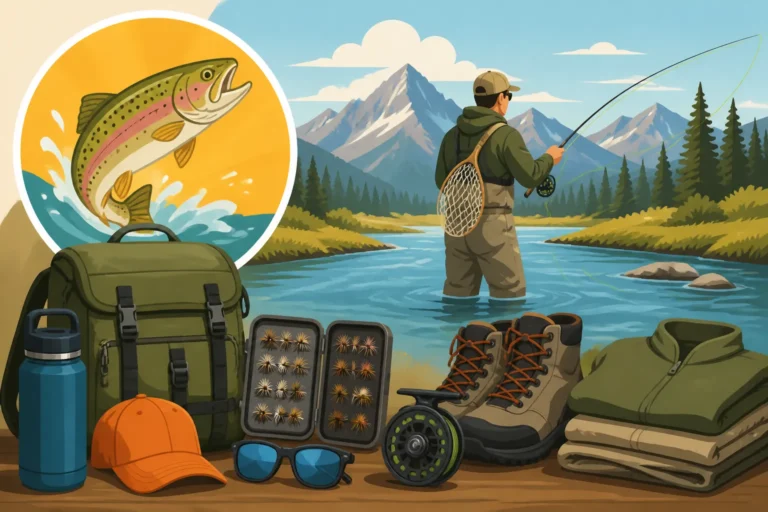
What to Pack and Wear for a Day on the Water
Even on a beautiful day, conditions on Flaming Gorge can change quickly, and being comfortable is key to enjoying your time.
- Layered Clothing: This is the golden rule for Wyoming weather. Start with a base layer (moisture-wicking), add a fleece or warm insulating layer, and top it with a waterproof and windproof outer shell. Even in summer, mornings can be chilly, and afternoon thunderstorms or strong winds are always a possibility.
- Sun Protection: The sun reflects off the water, intensifying its effects. Bring a wide-brimmed hat, polarized sunglasses (essential for spotting fish and protecting your eyes), and high SPF sunscreen. Don't forget lip balm with SPF.
- Food and Drink: While some full-day trips may include lunch, it's always wise to bring plenty of water, snacks, and any specific beverages you prefer. Staying hydrated is crucial.
- Personal Items: A small backpack to keep your personal items organized, any necessary medications, a camera (in a waterproof bag!), and perhaps a small towel.
- Footwear: Wear comfortable, non-slip shoes or boots that can get wet. Open-toed sandals are generally not recommended for safety reasons.
Communication with Your Guide
Before your trip, a quick chat or email exchange with your guide can help set expectations and ensure everything is aligned.
- Confirm Details: Double-check your meeting time and location, and confirm what the guide plans to target.
- Share Your Goals: Do you have a specific species you're dying to catch? Are you more interested in learning techniques? Do you want to keep fish to eat, or is catch-and-release your preference? Let your guide know.
- Ask Questions: This is your opportunity to ask anything you're curious about, from what specific lures they recommend to how many people will be on the boat.
- Dietary Restrictions/Health Concerns: Inform your guide of any allergies, mobility issues, or health concerns that might affect your day on the water.
This pre-trip communication ensures everyone is on the same page, leading to a smoother, more enjoyable, and more successful fishing adventure. It’s part of what makes What to Bring on a Guided Wyoming Fishing Trip so much more personalized.
Understanding the Investment: Costs and Value of a Guided Trip
Let's talk brass tacks: guided fishing trips are an investment. But it’s an investment that often pays dividends in terms of success, learning, and overall experience, especially on a challenging fishery like Flaming Gorge. It's important to understand what contributes to the cost and what value you're truly getting in return. Many anglers use platforms like FishingBooker to compare different guides and their package rates before booking.
What Influences the Price of a Guided Trip
The cost of a guided trip on Flaming Gorge can vary widely based on several factors:
- Duration: As mentioned, half-day trips are generally less expensive than full-day trips.
- Number of Anglers: Most guides charge a base rate for 1-2 anglers, with an additional fee for each extra person, up to the boat's capacity. This covers the additional gear, bait, and attention required.
- Target Species: Some specialized trips, particularly those targeting trophy lake trout with specific gear and techniques, might command a slightly higher price.
- Guide's Experience and Reputation: Highly sought-after guides with years of proven success and excellent reputations often charge a premium, and for good reason—their expertise often translates directly to a better fishing day.
- Inclusions: What's included in the base price? Some guides include lunch, snacks, and non-alcoholic beverages, while others might consider those extras. All reputable guides will include rods, reels, tackle, and bait.
While specific prices aren't static, expect a guided trip to be a significant but justifiable expense for a top-tier outdoor experience.
The Value Proposition: More Than Just Fish
When you break down the cost, you're not just paying for a boat ride and a few fish. You're investing in:
- Expert Knowledge: Years of experience, honed skills, and up-to-the-minute understanding of the fishery. This is invaluable, especially on a complex water like Flaming Gorge.
- Top-Tier Equipment: Access to a professionally maintained boat, advanced electronics, specialized rods, reels, and a full tackle box of proven lures and baits. This equipment would cost tens of thousands of dollars to acquire yourself.
- Safety and Convenience: A professional captain ensuring your safety on the water, handling all the navigation, boat operation, and emergency preparedness. You simply show up, fish, and enjoy.
- Education: Learning new techniques, understanding fish behavior, and improving your overall angling skills. A good guide is a great teacher.
- Stress-Free Day: No worries about launching the boat, finding spots, untangling lines, or even cleaning fish at the end of the day. Your guide handles it all.
- Memories: The photos, the stories, the thrill of hooking into a trophy fish – these are priceless.
Consider the cost in relation to other recreational activities or vacation expenses. For a unique, high-quality outdoor adventure, a guided fishing trip often offers excellent value. It's often the difference between a frustrating blank and a day filled with strikes, learning, and the thrill of the catch. Hiring a Fishing Guide in Wyoming is about maximizing your time and enjoyment.
Gratuity and Expectations
It’s standard practice to tip your fishing guide, much like you would a server or other service professional.
- Tipping Etiquette: A common gratuity ranges from 15-20% of the trip's total cost, assuming your guide provided excellent service, worked hard, and contributed to a positive experience. If they went above and beyond, a higher tip is always appreciated.
- When to Tip: It's typically given at the end of the trip, in cash, directly to your guide.
- Performance-Based: While you hope to catch fish, remember that fishing isn't always predictable. A good tip reflects the guide's effort, professionalism, knowledge, and dedication, regardless of whether you filled the cooler. They can't control the fish, but they can control their effort and attitude. If you're wondering How Much to Tip a Wyoming Fishing Guide, a good rule of thumb is to factor it into your budget when you book.
Beyond the Fish: The Flaming Gorge Experience
While the primary goal of a guided fishing trip is often to catch fish, the overall experience of being on Flaming Gorge with a knowledgeable local goes far beyond what you might land. It's an immersion into one of Wyoming's most stunning natural landscapes.
Unforgettable Scenery and Wildlife Encounters
Flaming Gorge Reservoir is a visual masterpiece. As you motor through the red rock canyons, past towering sandstone cliffs, and into secluded coves, you're treated to breathtaking vistas at every turn.
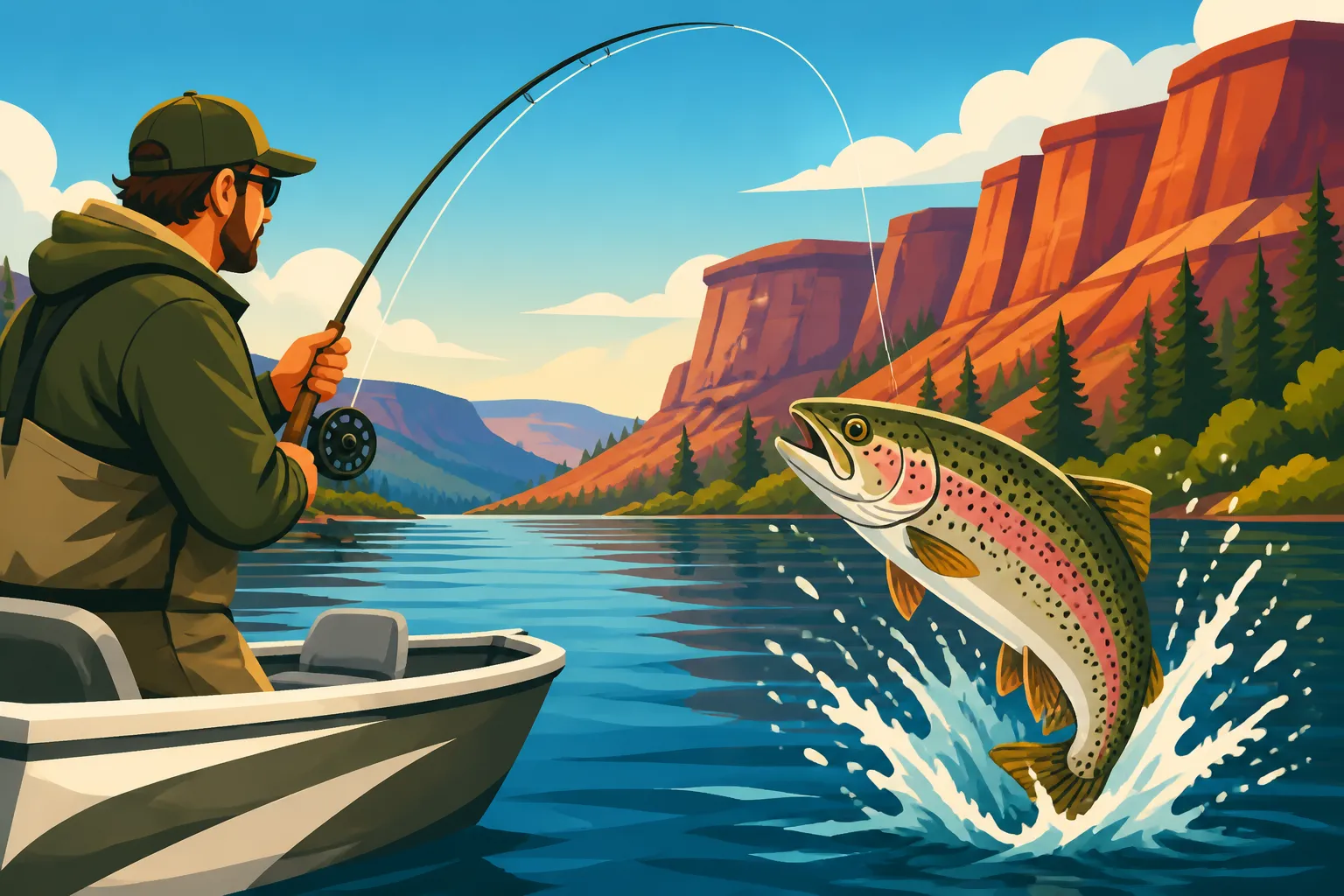
- Geological Wonders: The very geology of the area is astounding. The vibrant reds, oranges, and greens of the rock formations create a dramatic backdrop to the deep blue water. Your guide might even point out specific geological features or historical sites along the shoreline.
- Abundant Wildlife: This vast area is also home to a diverse array of wildlife. You might spot ospreys diving for fish, bald eagles soaring overhead, deer or bighorn sheep grazing on the canyon slopes, or even a bear in a remote area (from a safe distance, of course!). These encounters add an extra layer of wonder to your fishing day and are often highlights remembered long after the fishing tales fade. Imagine landing a trophy fish while an eagle circles overhead—that's the magic of Flaming Gorge!
The Convenience and Relaxation of a Guided Trip
One of the often-underestimated benefits of hiring a guide is the sheer convenience and relaxation it affords. Think about everything you don't have to worry about:
- No Boat Hassle: You don't have to own, maintain, launch, or retrieve a boat. No worries about trailers, ramps, or parking. You simply show up at the dock.
- No Gear Prep: All the rods are rigged, the lures are tied, and the bait is ready. No spending hours before the trip sorting tackle boxes or after the trip cleaning gear.
- Navigation Made Easy: Your guide knows the water intimately. You won't spend time staring at maps or getting lost. You can simply sit back, enjoy the ride, and focus on the fishing.
- Stress-Free Learning: Instead of fumbling with new techniques or gear, your guide provides hands-on instruction in a relaxed environment. You're learning from a pro without the pressure of having to figure it all out on your own.
This level of convenience allows you to fully disconnect from daily stresses and immerse yourself in the natural world, truly savoring every moment of your outdoor adventure. It’s an ideal way to experience Wyoming's Flaming Gorge Reservoir Fishing Guide without any of the logistical headaches.
Creating Lasting Memories with Family and Friends
Ultimately, a guided fishing trip on Flaming Gorge is about making memories. Whether you're introducing kids to fishing, spending quality time with friends, or enjoying a solo adventure, the shared experience is what truly matters.
- Family Fun: Guides are often excellent with children, patiently teaching them to cast, identify fish, and handle their catch. Seeing a child's face light up with their first fish is a truly special moment.
- Shared Adventure: Fishing with a guide allows everyone in your party to participate and enjoy, rather than one person (often the boat owner!) being preoccupied with all the operational tasks. You can all focus on the fishing and the camaraderie.
- Stories for a Lifetime: Even if the fish aren't biting aggressively, the stories you'll gather – from the stunning scenery, the wildlife, the unexpected challenges, and the camaraderie with your guide – will last a lifetime. These are the moments that truly enrich our lives and connect us to the wild beauty of Wyoming.
A guided fishing trip on Flaming Gorge is more than just a day of angling; it's an investment in an enriching, educational, and genuinely unforgettable outdoor experience, surrounded by some of the most spectacular landscapes the West has to offer.
Disclaimer
This article is for general informational purposes only and does not constitute professional advice. Laws, prices and regulations vary by location and change over time. Consult a qualified professional for guidance on your specific situation.