How to Choose a Wyoming Fishing Guide
Planning a fishing trip to Wyoming is exciting, but let's be honest, the sheer number of rivers, lakes, and reservoirs, combined with specialized regulations and ever-changing conditions, can feel overwhelming. You want to make the most of your time in this incredible state, perhaps even catch that trophy trout you've been dreaming of, but you're not sure where to start. This comprehensive guide is here to walk you through the ins and outs of choosing the perfect Wyoming fishing guide, ensuring you pick someone who not only puts you on fish but also makes your adventure unforgettable.
Why Even Consider a Fishing Guide in Wyoming?
You might be an experienced angler, perfectly capable of rigging up a rod and casting a line, so why shell out money for a guide? The truth is, Wyoming's fishing landscape is unlike many other places, and a good guide offers an invaluable advantage that goes far beyond just baiting your hook. It's about maximizing your experience, learning new skills, and safely navigating some truly wild country.
Navigating Complex Waters and Regulations
Wyoming boasts an incredible diversity of fishing opportunities, from the famous blue-ribbon trout streams like the North Platte to the vast, deep reservoirs like Flaming Gorge and Boysen. Each of these unique ecosystems comes with its own set of challenges, and crucially, its own specific regulations. What's legal on one stretch of river might be strictly prohibited just a few miles downstream. This can be incredibly confusing for anyone not intimately familiar with the local rules.
Imagine driving hours to a prime fishing spot only to find out you're using the wrong bait, or your hooks aren't legal for that particular section of water. It's a frustrating scenario many anglers have faced. A local guide lives and breathes these regulations. They know the Wyoming Fishing Regulations Every Angler Should Know like the back of their hand, including specific nuances like barbless hook requirements on certain rivers (e.g., Barbless Hook Requirements on the North Platte River) or special slot limits on particular lakes. They ensure you stay on the right side of the law, which saves you from potential fines and lets you focus entirely on the joy of fishing. Beyond just the rules, they know the specific access points, the seasonal changes in water flow, and where the fish are likely holding at any given time, which is knowledge you simply can't gain from a map or a quick online search.
Maximizing Your Catch and Experience
Let's face it, we all want to catch fish when we go out. While there are no guarantees in fishing, hiring a guide significantly increases your odds. These professionals spend hundreds, if not thousands, of hours on the water each year. They understand fish behavior in local conditions, know what flies or lures are currently most effective, and can adapt their techniques to whatever the day throws at you.
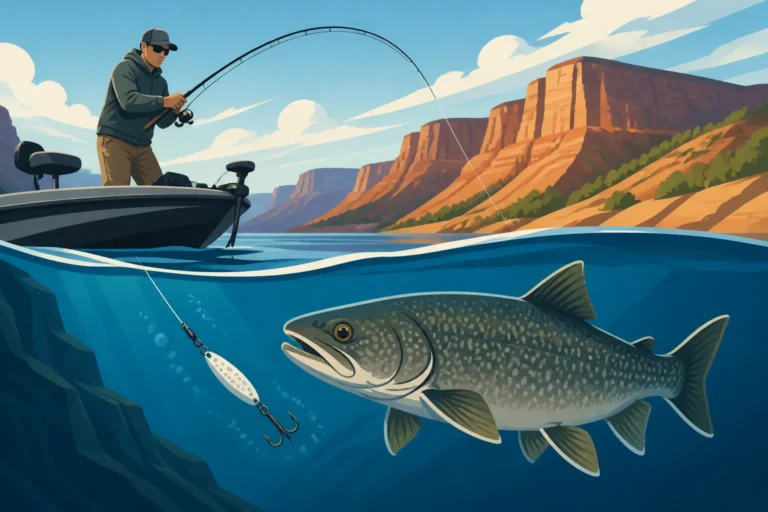
For instance, they know when Brown Trout in Wyoming's Tailwaters are on the bite, or the best methods for Trolling Techniques for Wyoming Reservoirs to target elusive lake trout. If you're new to fly fishing, a guide can teach you essential Fly Fishing Techniques for Wyoming Trout Streams or help you perfect your cast. Even if you're a seasoned angler, they can introduce you to new patterns, presentations, or retrieve methods that are locally effective. Beyond just catching fish, a guide enhances the entire experience. They provide local insights, share stories, and take care of the logistics, allowing you to relax and soak in the breathtaking Wyoming scenery. It’s not just about fish; it's about making memories and gaining a deeper appreciation for the environment.
Accessing Remote and Private Waters
Some of Wyoming's most pristine and productive fishing waters are difficult to access, either requiring specialized equipment to reach or located on private lands. This is where a guide truly shines. Many of the best guides hold commercial permits to operate on national park lands, such as within Grand Teton National Park or Yellowstone National Park, giving them unique access to incredible fisheries like the Snake River or Yellowstone Lake. Fishing Rules Inside Grand Teton National Park and Fishing Rules Inside Yellowstone National Park can be quite specific, and a permitted guide ensures you comply.
They might have relationships with private landowners, offering access to stretches of rivers that are otherwise off-limits to the general public. For remote high-alpine lakes, a guide might organize a multi-day backcountry trip, complete with pack horses, to reach waters that few ever see. Without a guide, navigating these areas, understanding the permits required, or even knowing where to begin can be a daunting task. A guide essentially unlocks doors to unparalleled fishing adventures you might not otherwise experience.
Understanding Different Types of Guided Trips in Wyoming
Just as there are many ways to fish, there are many types of guided trips. Understanding the different options available is crucial to choosing one that aligns with your expectations, physical abilities, and fishing goals. Wyoming offers a diverse range of experiences, from relaxing floats down scenic rivers to intense ice fishing expeditions.
Float Trips vs. Wade Trips
These are two of the most common types of guided trips on Wyoming's rivers and streams, each offering a distinct experience.
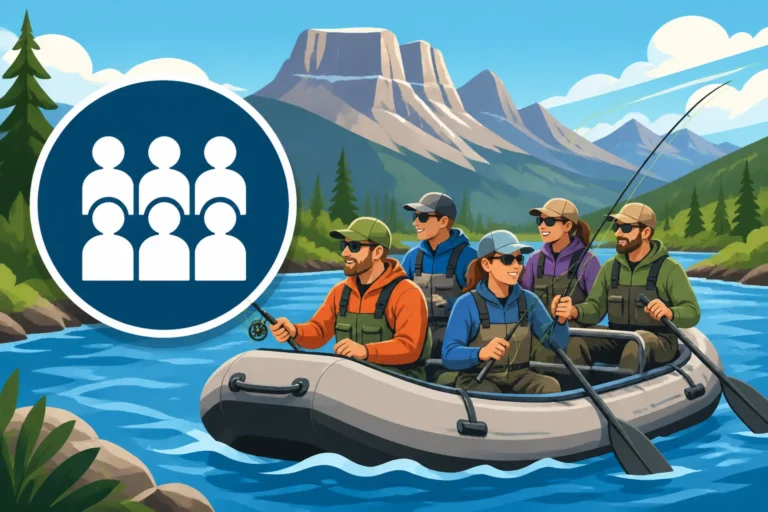
Float Trips: Often conducted in drift boats or rafts, float trips allow you to cover significant stretches of river, accessing water that's often unreachable from the bank. This is particularly popular on larger rivers like the North Platte or the Snake River. The guide rows the boat, positioning you for ideal casts into prime holding water – riffles, runs, and undercut banks. The advantage here is mobility; you can move from one productive spot to another efficiently, targeting different types of water and fish. It's generally less physically demanding than wading, making it a great option for those with limited mobility, families with children, or anyone who simply wants to relax and enjoy the scenery while fishing. Float Trips on Wyoming's Snake River are iconic, offering stunning views alongside world-class fishing. Many guides on platforms like FishingBooker clearly list whether their trips are float or wade-based.
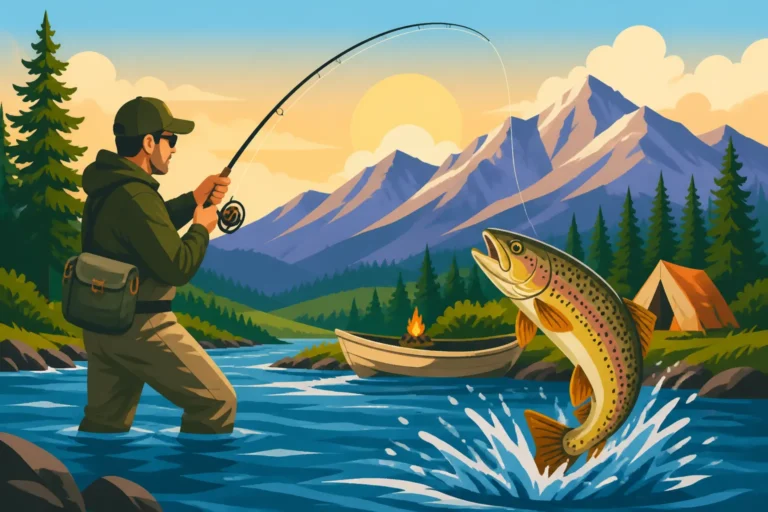
Wade Trips: For a more intimate fishing experience, wade trips involve walking along the riverbank and into the water. This allows for a slower pace, giving you the chance to meticulously fish specific pockets, observe insect hatches, and truly connect with the environment. Wade trips are often preferred by serious fly anglers who enjoy the challenge of stalking fish and presenting a perfect fly. They can be more physically demanding, requiring comfortable wading boots and the ability to navigate uneven terrain and currents. While you won't cover as much distance as a float trip, the focus is on quality over quantity, often leading to a deeper understanding of the water and the fish within it. Some smaller streams or specific sections of larger rivers are ideal for wade fishing.
Species-Specific vs. Multi-Species Trips
Your target species can significantly influence the type of guide and trip you choose.
Species-Specific Trips: Many anglers come to Wyoming with a particular fish in mind, whether it's the famed Cutthroat Trout Fishing in Wyoming, a monstrous Lake Trout Mackinaw Fishing in Wyoming from a deep reservoir, or a cunning Walleye Fishing in Wyoming. Guides who specialize in a particular species have honed their techniques, gear, and knowledge to maximize your chances of success for that specific fish. They know the habits of a brown trout during its fall spawn run on the North Platte, or the preferred depths and lures for lake trout at Flaming Gorge. If you have a singular goal, like catching a personal best for a specific species, seeking out a specialist is often the best approach. Many outfitters on FishingBooker allow you to filter guides by target species, making it easier to find someone focused on your specific quarry.
Multi-Species Trips: Sometimes, the goal isn't just one fish, but a broader fishing experience, or perhaps you're fishing with family and want a variety of action. Multi-species trips aim to catch whatever is biting and available in the chosen waters. On a reservoir like Boysen, this might mean jigging for walleye in the morning and then targeting rainbow trout or smallmouth bass in the afternoon. On some rivers, you might encounter rainbow, brown, and cutthroat trout all in one day. These trips are fantastic for beginners, families, or anglers who simply enjoy the variety and are open to different types of fishing throughout the day. They often provide a more relaxed atmosphere with less pressure to achieve a single "trophy" goal.
Full-Day vs. Half-Day Options
Your available time, budget, and stamina will dictate whether a full-day or half-day trip is right for you.
Half-Day Trips: These typically last around 4-5 hours and are a great option for those with limited time, beginners, or families with younger children who might have a shorter attention span. They offer a taste of guided fishing without the full commitment. Many half-day trips focus on easily accessible, productive waters to maximize fishing time. While you might not explore as much water or have as many opportunities as a full-day trip, they can still be incredibly rewarding. For example, a Snake River Half-Day Float Trip Cost might be perfect for a quick afternoon outing near Jackson.
Full-Day Trips: Lasting anywhere from 8-10 hours, full-day trips offer a much more immersive experience. You'll cover more ground, have more time to experiment with different techniques, and often reach more remote or productive waters. These trips usually include lunch, snacks, and drinks, making it a truly comprehensive outing. They're ideal for serious anglers who want to maximize their time on the water, explore diverse sections of a river or lake, or target a specific trophy fish. The extended time allows for more educational opportunities with your guide, deeper conversations, and a more relaxed pace overall. Of course, they also come with a higher Snake River Full-Day Float Trip Cost than their half-day counterparts.
Key Factors When Evaluating a Wyoming Fishing Guide
Once you know the type of trip you're looking for, the next step is to evaluate potential guides. This is where you separate the good from the truly great, ensuring your investment leads to a safe, productive, and memorable experience. Don't be afraid to dig deep and ask questions; a reputable guide will be happy to answer them.
Licensing and Insurance
This is, without a doubt, the most critical factor. A legitimate Wyoming fishing guide must be properly licensed and insured. Operating without these credentials is illegal and puts both you and the guide at significant risk.
Wyoming Game and Fish Department (WGFD) Outfitter License: Any individual or company offering guided fishing services in Wyoming must hold an outfitter license issued by the WGFD. This license ensures they meet certain requirements and are accountable to the state. It's also vital to confirm they have the correct permits for the specific waters you intend to fish. For example, guiding within national parks (like Grand Teton or Yellowstone) requires additional special use permits from the National Park Service. Always ask for proof of their current WGFD outfitter license and any necessary permits for the areas you'll be visiting. What Makes a Guide Legal to Operate in Wyoming covers this in more detail.
Liability Insurance: A reputable guide will carry liability insurance. This protects both you and the guide in the unlikely event of an accident or injury during the trip. While fishing is generally safe, accidents can happen, whether it's a slip on a rocky bank, a rogue fly hook, or a boat incident. Knowing your guide is insured provides peace of mind. Never book with a guide who can't provide proof of current, adequate insurance. Platforms like FishingBooker often vet their guides for proper licensing and insurance, adding an extra layer of security for anglers.
Experience and Specialization
While a new guide might be enthusiastic, experience often translates to better fishing outcomes and a smoother trip. Look for guides with a proven track record.
Years of Guiding Experience: A guide who has spent many seasons on the water will have an intimate knowledge of local patterns, hatches, and fish behavior. They've seen all types of weather, water conditions, and fishing pressure, and they know how to adapt. Ask how long they've been guiding, and specifically how long they've guided on the waters you plan to fish. A guide with 20 years on the North Platte will likely have a much deeper understanding than someone new to the area.
Water and Species Specialization: Does the guide specialize in fly fishing for trout on small streams, or are they experts at jigging for walleye on large reservoirs? Some guides are generalists, which is fine for multi-species trips, but if you're targeting something specific, a specialist will be more effective. For example, if you dream of a trophy brown trout, find a guide known for Streamer Fishing for Wyoming Brown Trout during the fall spawn. If you're heading to Boysen, you might want a guide experienced in Jigging for Walleye at Boysen Reservoir. Matching the guide's specialization to your fishing goals is key. Don't hesitate to ask about their favorite waters and what species they are most passionate about guiding for.
Communication and Personality
The guide-angler relationship is a big part of the trip's success. You'll be spending a full day (or more) with this person, so compatibility matters!
Clear and Timely Communication: Before you even step foot in the boat, pay attention to how a guide communicates. Do they respond promptly to inquiries? Are they clear about what's included, what's expected, and any costs? Good communication sets the stage for a smooth trip. A guide who is hard to reach or vague about details can cause unnecessary stress.
Patience and Teaching Style: If you're a beginner, or bringing kids, you need a patient guide who is also a good teacher. Some guides are phenomenal anglers but might lack the patience or instructional skills to effectively teach a novice. Ask about their approach to teaching and working with different skill levels. A good guide will explain techniques, offer tips, and provide encouragement, making the learning process enjoyable. If you're an experienced angler, you'll still want a guide who is engaging and can share insights without being condescending. Look for reviews that mention a guide's personality and teaching ability. Many profiles on sites like FishingBooker feature reviews that highlight these aspects.
Where to Find and Book a Reputable Wyoming Fishing Guide
Now that you know what to look for, where do you actually start your search? There are several excellent avenues for finding a reputable Wyoming fishing guide, each with its own advantages.
Online Platforms and Directories
In our digital age, online booking platforms have become incredibly popular, and for good reason. They offer convenience, transparency, and a vast selection.
Benefits of Platforms like FishingBooker: Websites like FishingBooker act as central hubs where numerous licensed fishing guides and charter captains list their services. You can often filter by location (e.g., Jackson Hole, Casper), target species, type of trip (float, wade, ice fishing), and even boat features. A huge advantage is the presence of customer reviews. Reading about other anglers' experiences can give you an honest perspective on a guide's personality, professionalism, and fishing success. These platforms often streamline the booking process, handle payments, and sometimes even offer guarantees. When browsing FishingBooker, for instance, you can easily compare pricing, availability, and the specific inclusions of each trip. This saves you the headache of calling multiple individual guides and allows for easy comparison shopping.
Official State Websites: The Wyoming Game and Fish Department website sometimes has lists of licensed outfitters, though these might not include all the detailed information or reviews found on commercial platforms. It's a good place to cross-reference a guide's license.
Local Fly Shops and Outfitters
For many, the heart of the local fishing scene is the fly shop. These brick-and-mortar establishments are invaluable resources.
Local Expertise: Fly shops are staffed by passionate anglers who often live and breathe the local waters. They know which guides are reputable, what the current fishing conditions are like, and who specializes in what. Walking into a shop in Casper or Jackson Hole and asking for recommendations can yield excellent results, often leading you to guides who might not heavily advertise online. They can offer insights you won't find anywhere else, such as current hatches, water levels, and even a guide's recent success stories. For example, a shop near the North Platte River could tell you exactly which guides are crushing it on the Miracle Mile Stretch of Wyoming's North Platte River that week.
Direct Booking and Gear: Many fly shops either employ their own guides or have strong relationships with independent guides, allowing you to book directly through them. They often serve as the meeting point for trips and can ensure you have any necessary gear, flies, or licenses (e.g., Wyoming Fishing License Guide for Nonresidents) before your trip. This can be particularly helpful if you need to rent waders or purchase specific flies recommended by your guide.
Word-of-Mouth and Referrals
Sometimes, the best recommendations come from trusted sources.
Friends, Family, and Online Communities: If you know someone who has fished in Wyoming, ask them about their experiences and if they have a guide they'd recommend. A personal referral often comes with a level of trust and insight you can't get from an anonymous online review. Additionally, online fishing forums and social media groups dedicated to Wyoming fishing can be great places to ask for recommendations and hear unbiased opinions from fellow anglers. Just remember to verify any recommendations with the guide's licensing and insurance information.
Questions to Ask Before You Book Your Wyoming Fishing Guide
Booking a guide is an investment, and like any investment, you want to be well-informed. Don't be shy about asking specific questions before committing. A good guide will appreciate your thoroughness.
Logistics and Inclusions
These questions ensure you know exactly what you're paying for and what you need to bring.
- "What exactly is included in the price?" This is critical. Does it cover rods, reels, flies, bait, and tackle? What about waders and boots? Are snacks, drinks, or lunch provided (especially on a full-day trip)? Clarify if the Wyoming Conservation Stamp Cost or your actual fishing license is included, or if you need to purchase these separately. Most guides do not include the license in the trip price, so make sure you understand Where and How to Buy a Wyoming Fishing License beforehand.
- "What is your typical schedule for the day?" Knowing when you'll meet, when you'll be on the water, and when the trip concludes helps you plan your day. This is especially important if you have other plans or a long drive back to your accommodation.
- "Where do we meet, and how do we get to the fishing spots?" Some guides pick you up, while others have a designated meeting spot like a fly shop or boat ramp. Confirm transportation arrangements, especially if you're fishing in remote areas.
- "Is there a maximum number of anglers per trip?" Most float trips accommodate two anglers, while wade trips can sometimes take three, but always confirm the group size to avoid surprises.
Trip Structure and Expectations
These questions help align your goals with what the guide can realistically offer.
- "What species do you typically target on this water at this time of year?" This confirms their specialization and ensures it matches your interests. For example, if you're fishing the Green River in spring, you might want to know if they're focused on rainbow trout or early-season browns.
- "What techniques will we be using?" Will it be fly fishing, spin fishing, bait fishing, or a mix? Knowing this allows you to prepare mentally and physically, and ensure you're comfortable with the methods. If you're keen on Dry Fly Fishing on the North Platte River, make sure the guide primarily focuses on that if conditions allow.
- "What is your philosophy on catch-and-release versus keeping fish?" Many guides practice strict catch-and-release, especially for native or trophy fish. If you hope to keep a legal limit for a meal, discuss this upfront. Be aware of specific rules like Why Lake Trout Are Considered a Problem in Yellowstone Lake, where keeping them is encouraged, or Catch-and-Release Rules on Wyoming Waters where it may be required.
- "What happens if the weather turns bad or water conditions change?" Wyoming weather can be unpredictable. Ask about their policy for inclement weather, high water, or other unforeseen circumstances. Do they offer alternative dates or refunds?
Pricing, Deposits, and Cancellation Policies
Understanding the financial aspects is crucial to avoid any unpleasant surprises.
- "What is the total cost, and are there any additional fees I should be aware of?" Get a clear, all-inclusive price. Ask about potential charges for lost flies, broken gear, or extended trip times. Clarify if gratuity is included or expected (it usually isn't, and How Much to Tip a Wyoming Fishing Guide is important to know).
- "What is your deposit policy, and when is the final payment due?" Most guides require a deposit to secure your booking, with the balance due on the day of the trip.
- "What is your cancellation policy?" This is very important. Life happens, and sometimes plans change. Understand the guide's policy regarding cancellations by you or by them (due to weather, unforeseen circumstances, etc.). What are the refund terms (e.g., Cancellation Policy for Jackson Hole Guides)? This needs to be clearly laid out in writing.
Preparing for Your Guided Wyoming Fishing Trip
You've done your homework, picked your guide, and booked your trip! Now it's time to get ready for the actual adventure. A little preparation on your part can go a long way in ensuring a smooth and enjoyable day for everyone.
What to Bring and Wear
Wyoming's weather can be famously unpredictable, often swinging from warm sunshine to cold rain or even snow in a single day, regardless of the season. Dressing in layers is absolutely essential.
Clothing:
- Layers are key: Start with a moisture-wicking base layer, add a fleece or wool mid-layer, and finish with a waterproof and windproof outer shell (jacket and pants). Even on sunny days, mornings can be chilly, and afternoon storms can roll in quickly.
- Hat: A wide-brimmed hat provides sun protection, while a warm beanie is crucial for colder days, especially if you're on a boat.
- Gloves: Fingerless gloves can be great for sun protection and grip, while warmer gloves are needed for colder seasons or ice fishing (e.g., What to Wear Ice Fishing in Wyoming).
- Socks: Wool or synthetic socks are better than cotton for comfort and warmth, even if they get wet.
- Footwear: If wading, wear appropriate wading boots. For float trips, closed-toe shoes that can get wet are often best.
Essentials to Pack:
- Valid Wyoming Fishing License & Conservation Stamp: Your guide cannot provide these for you. Make sure you have your Wyoming Fishing License Guide for Nonresidents or resident license and stamp purchased and accessible. Many outfitters recommend having a physical copy or a clear digital image on your phone.
- Polarized Sunglasses: These are not just for comfort; they're crucial for eye protection from hooks and for seeing fish in the water.
- Sunscreen and Lip Balm: The Wyoming sun, especially at higher elevations, is intense.
- Snacks and Water: While some guides provide these, bringing your own extra snacks and water is always a good idea.
- Camera: To capture those unforgettable moments, whether it's a trophy fish or the stunning landscapes.
- Small Backpack: To keep your personal items organized and protected from the elements.
Communicating Your Goals
Your guide is there to help you have the best possible day on the water. The more clearly you communicate your expectations, the better they can tailor the experience to you.
Be Honest About Your Skill Level: Don't exaggerate your fishing prowess. If you're a beginner, say so. If you haven't cast a fly rod in years, let them know. This allows the guide to provide appropriate instruction and patience, ensuring you feel comfortable and supported, rather than frustrated. If you need help with specific techniques, mention that too.
State Your Priorities: What's most important to you for this trip?
- Catching lots of fish? Your guide will focus on high-probability spots and techniques.
- Catching a trophy fish of a specific species? This might mean targeting different water or using specialized methods, and potentially fewer fish overall.
- Learning new techniques? The guide can spend more time on instruction and less on constant casting.
- Enjoying the scenery and relaxation? They can choose a route that emphasizes beautiful views and a leisurely pace.
- Bringing kids or introducing someone new to fishing? The guide can adjust the day to be more family-friendly, perhaps focusing on action over size, and providing extra patience and fun.
Open and honest communication with your guide before and during the trip ensures everyone is on the same page and working towards a shared, enjoyable experience.
Tipping Etiquette
Tipping your fishing guide is customary, much like tipping in other service industries. It’s a way to acknowledge their hard work, expertise, and dedication, regardless of how many fish were caught.
Standard Gratuity: While there's no strict rule, a common guideline for tipping a fishing guide in Wyoming is 15-20% of the trip's total cost. For exceptional service or if the guide went above and beyond (e.g., braved terrible weather, taught you a lot, worked extra hard to find fish), a higher tip is certainly appreciated.
When to Tip: Tips are typically given at the end of the trip, directly to the guide. Cash is usually preferred, but some guides may accept other forms of payment.
Why Tip Even on Slow Days: Remember, a guide's effort, knowledge, and service remain constant, even if the fish aren't cooperating. Weather, water conditions, and fish moods are factors largely out of their control. Your tip reflects your appreciation for their professionalism, their expertise in guiding you through the environment, their safety efforts, and their dedication to making your day enjoyable, even if the bite was slow. They've spent years honing their craft, scouting locations, maintaining equipment, and enduring all kinds of conditions to provide you with an experience. How Much to Tip a Wyoming Fishing Guide is often a question people forget to ask, but it's an important part of showing respect for their profession.
| Trip Feature | Float Trip (River) | Wade Trip (River/Stream) | Reservoir Boat Trip (Lake) | Guided Ice Fishing |
|---|---|---|---|---|
| Primary Goal | Cover distance, access mid-river, scenic views | Intimate experience, detailed water reading, focused | Target deepwater species, troll large areas | Winter fishing, unique conditions, specific species |
| Key Advantage | Efficient, less physically demanding, comfortable | Deep connection to water, highly educational | Access expansive waters, utilize sonar/electronics | Access frozen-in fish, specialized gear |
| Target Species | Trout (Rainbow, Brown, Cutthroat), Grayling, Whitefish | Trout (Rainbow, Brown, Cutthroat, Brook, Golden) | Lake Trout, Walleye, Kokanee Salmon, Rainbow Trout | Trout, Walleye, Perch, Ling (Burbot) |
| Physical Demand | Low to Moderate (mostly sitting, some casting) | Moderate to High (walking, wading, balancing) | Low to Moderate (mostly sitting, occasional casting) | Moderate (walking on ice, drilling holes, handling gear) |
| Typical Inclusions | Boat, guide, rods/reels, flies/tackle, lunch/drinks | Guide, rods/reels, flies/tackle, snacks/drinks | Boat, guide, rods/reels, lures/bait, electronics | Shelter, auger, heaters, rods/reels, bait/lures |
| Ideal For | Groups, families, sightseers, covering water | Experienced fly anglers, focused learning, solitude | Trophy hunters, diverse species, open water | Hardy anglers, winter enthusiasts, unique challenge |
Disclaimer
This article is for general informational purposes only and does not constitute professional advice. Laws, prices and regulations vary by location and change over time. Consult a qualified professional for guidance on your specific situation.