Fishing Rules Inside Yellowstone National Park
Oh, the allure of fishing in Yellowstone! It sounds like a dream, doesn't it? Casting a line in waters surrounded by geysers and bison. But let me tell you, it can also be a real headache trying to untangle the web of regulations that come with fishing in a national park that crosses state lines. Anglers often find themselves scratching their heads, wondering if their usual Wyoming, Montana, or Idaho license is even valid here, or if there's some secret handshake they need to know. This guide is here to clear up all that confusion, walking you through the specific, often unique, fishing rules you must follow to enjoy the incredible waters within Yellowstone National Park legally and responsibly.
The Unique Landscape of Yellowstone's Fishing Regulations
Fishing inside Yellowstone National Park is a completely different ballgame compared to angling in the surrounding states of Wyoming, Montana, or Idaho. It's easy to assume that because you're in Wyoming, your state fishing license would cover you, but that's a common misconception that can lead to a lot of trouble. The park operates under its own set of federal regulations, which are designed primarily to protect its unique ecosystem and native species.
Why Yellowstone Isn't Like Fishing the Rest of Wyoming
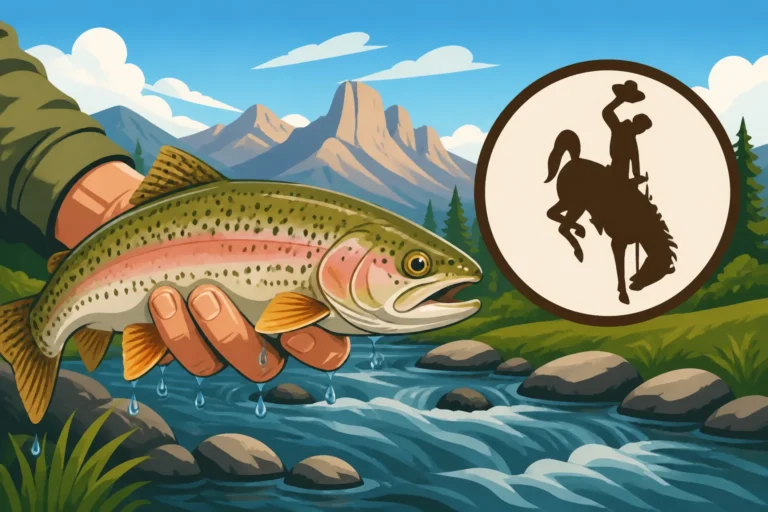
When you step foot into Yellowstone, you're entering a special jurisdiction. Think of it less like fishing a typical river or lake in Wyoming and more like an international border crossing for your tackle box. The primary goal of Yellowstone's fishing regulations isn't just to manage harvest, but to protect and restore native fish populations, particularly the Yellowstone Cutthroat Trout, and to combat invasive species. This means rules can be far more stringent and specific than what you might be used to in other areas.
You might be accustomed to the general rules laid out in the Wyoming Fishing Regulations Every Angler Should Know, but those simply don't apply here. Even if you're fishing a stretch of river that flows directly from Yellowstone into, say, the North Platte, the rules change the moment you cross the park boundary. It's crucial to understand this distinction because ignorance of the law is never an excuse, especially in a national park with dedicated rangers patrolling the waters.
Federal vs. State Authority in the Park
This is where a lot of the confusion stems from. Yellowstone National Park is managed by the National Park Service (NPS), a federal agency. This means that federal laws and NPS-specific regulations supersede state laws within the park boundaries. So, your Wyoming Fishing License Guide for Nonresidents or any other state-issued license for that matter, won't cut it inside the park.
The NPS has its own agenda, often focusing on ecological preservation first and recreational fishing second. This isn't a criticism; it's just a different priority than state game and fish departments, which often balance conservation with promoting angling opportunities. For instance, the specific rules on bait, hooks, and species possession limits are set by the NPS to achieve their conservation goals, and they are rigorously enforced by park rangers.
Essential Licenses and Permits for Yellowstone
So, if your regular state license won't work, what do you need? This is one of the most important pieces of information for any angler planning a trip to Yellowstone. Skipping this step is a sure-fire way to face hefty fines and spoil your adventure.
The Mandatory Yellowstone National Park Fishing Permit
To legally fish anywhere within the boundaries of Yellowstone National Park, you are required to purchase a specific Yellowstone National Park fishing permit. This permit is unique to the park and is not interchangeable with any state fishing license. It's your ticket to casting lines in iconic waters like Yellowstone Lake, the Yellowstone River, or any of the park's countless streams and backcountry lakes.
These permits are relatively inexpensive and can be purchased online through the park's official website, or in person at visitor centers, general stores, or authorized concessionaires inside the park. They come in different durations: a 3-day permit, a 7-day permit, or an annual permit. Choosing the right one depends on the length of your stay and how much fishing you plan to do. It’s always a good idea to buy it in advance, especially during peak season, to avoid delays. Make sure to carry your permit with you at all times while fishing, either as a physical copy or a digital one on your phone, as rangers frequently check. You can usually find a durable, waterproof permit holder on Amazon that will keep your permit safe and accessible.
Do You Still Need a Wyoming, Montana, or Idaho State License?
This is the big question that trips up countless anglers every year: Do You Need a Wyoming License to Fish in Yellowstone National Park? The answer is a definitive no. Your Wyoming, Montana, or Idaho state fishing license is not valid for fishing within Yellowstone National Park. Period. It doesn't matter if you're a resident or a nonresident; once you're inside the park, state licenses become irrelevant for fishing purposes.
The federal permit you purchase directly from Yellowstone National Park covers all your fishing activities within the park's designated waters. This means you don't need to worry about the specific requirements for a Wyoming Conservation Stamp Cost or comparing Resident vs Nonresident Fishing Licenses in Wyoming while you're inside the park. These state-level concerns can be set aside. However, if you plan to fish outside the park before or after your Yellowstone adventure, then you will need to purchase the appropriate state licenses for those waters.
Understanding Yellowstone's Specific Fishing Regulations
Yellowstone's regulations are meticulously designed to manage its fisheries, focusing heavily on conservation. These rules are non-negotiable and apply to every angler, regardless of experience level.
Special Catch and Release Rules and Native Species Protection
The core philosophy behind Yellowstone's fishing rules is the protection of native species and the removal of invasives. For native fish, such as the Yellowstone Cutthroat Trout, regulations are generally very strict, often mandating catch-and-release with certain gear restrictions to ensure their survival. This means using specific hook types and handling fish with the utmost care. It’s a stark contrast to some Catch-and-Release Rules on Wyoming Waters outside the park, which might have more leeway.
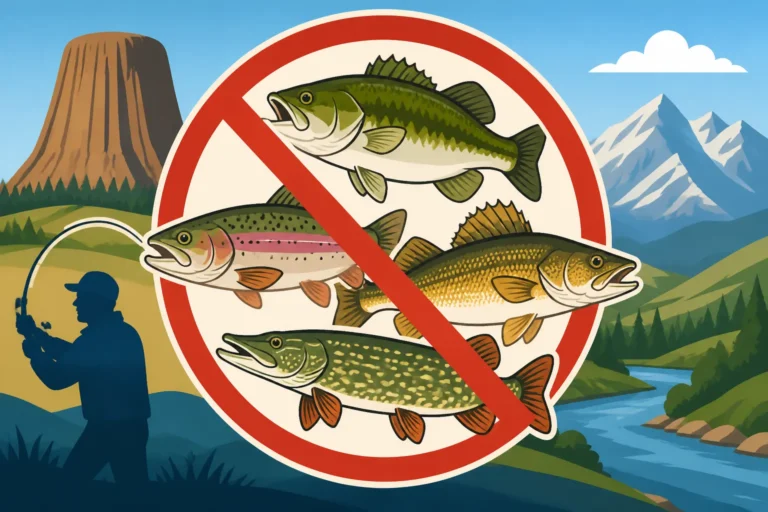
For non-native, invasive species, like Lake Trout (Mackinaw) in Yellowstone Lake, the rule is usually "kill all you catch." This isn't just a suggestion; it's a mandatory part of the park's ecological restoration efforts. These invasive species can decimate native populations, and anglers are enlisted as a critical part of the solution. So, when you're targeting Lake Trout in Yellowstone, be prepared to harvest them responsibly. The park may even offer incentives or special access for those participating in these removal efforts, as highlighted in Is Helping Remove Lake Trout From Yellowstone Lake a Guided Trip Option?.
Gear, Bait, and Lure Restrictions Inside the Park
Yellowstone imposes strict rules on the type of gear you can use, primarily to protect fish from unnecessary harm and prevent the spread of aquatic invasive species.
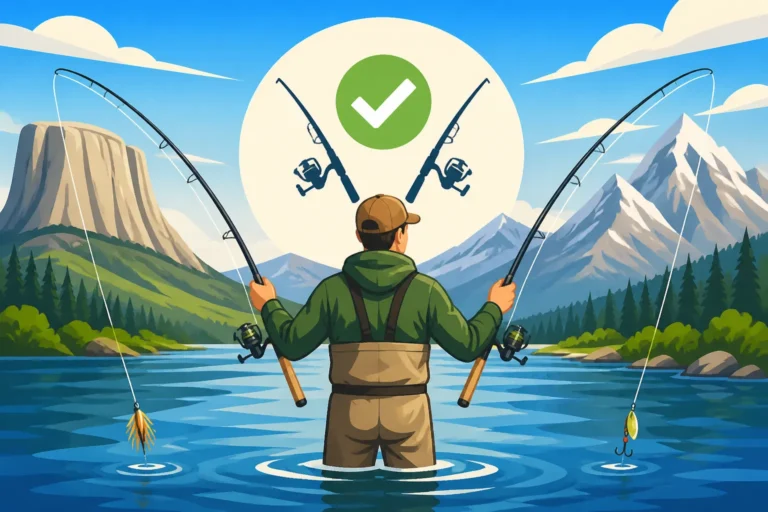
- Artificial Lures Only: With very few exceptions, only artificial lures are permitted. This means no live bait, no dead bait, no bait fish, no worms, no salmon eggs, no corn, and no powerbait. If it's organic and consumable by a fish, it's probably prohibited. The rationale is two-fold: to prevent the introduction of foreign organisms (like parasites or baitfish eggs) into the park's pristine waters and to reduce the likelihood of deep hooking, which can be fatal to fish intended for release.
- Barbless Hooks: All hooks must be barbless. This rule is designed to minimize injury to fish that are to be released, allowing for easier and quicker unhooking. If your hooks come barbed, you must pinch the barbs down flat with pliers. This is a common requirement on many trophy trout waters, such as the Barbless Hook Requirements on the North Platte River, but in Yellowstone, it's almost universal.
- Single-Point Hooks: While not always universal, many areas within the park, particularly those designated for native trout protection, may require single-point hooks. Always check the current regulations booklet for the specific water you plan to fish.
- Felt-Soled Waders: In a growing effort to prevent the spread of aquatic invasive species, some areas, including Yellowstone, have prohibited the use of felt-soled wading boots. Felt can harbor and transport microscopic organisms from one water body to another. It's a good idea to invest in rubber-soled wading boots if you plan to fish in Yellowstone and other sensitive areas. You can find excellent options on Amazon.
Water-Specific Closures and Seasons
Yellowstone National Park is a dynamic environment, and its waters are subject to various closures and specific fishing seasons. These can change throughout the year due to wildlife activity, spawning runs, or environmental concerns like low water levels or high water temperatures.
- Opening and Closing Dates: Generally, the fishing season in Yellowstone typically opens on the Saturday of Memorial Day weekend (late May) and closes on October 31st. However, specific rivers, streams, and lakes may have different opening and closing dates. For example, some high-elevation lakes might remain ice-bound until much later in the season.
- Emergency Closures: Just like state agencies sometimes announce How Wyoming Game and Fish Announces Emergency Closures, the NPS can implement emergency closures for parts of rivers or entire lakes if conditions warrant, such as during extreme heat that stresses fish, or to protect spawning areas. It is imperative to check the official Yellowstone National Park website or inquire at a visitor center for the most up-to-date information before you head out. A quick search on your phone could save you a citation.
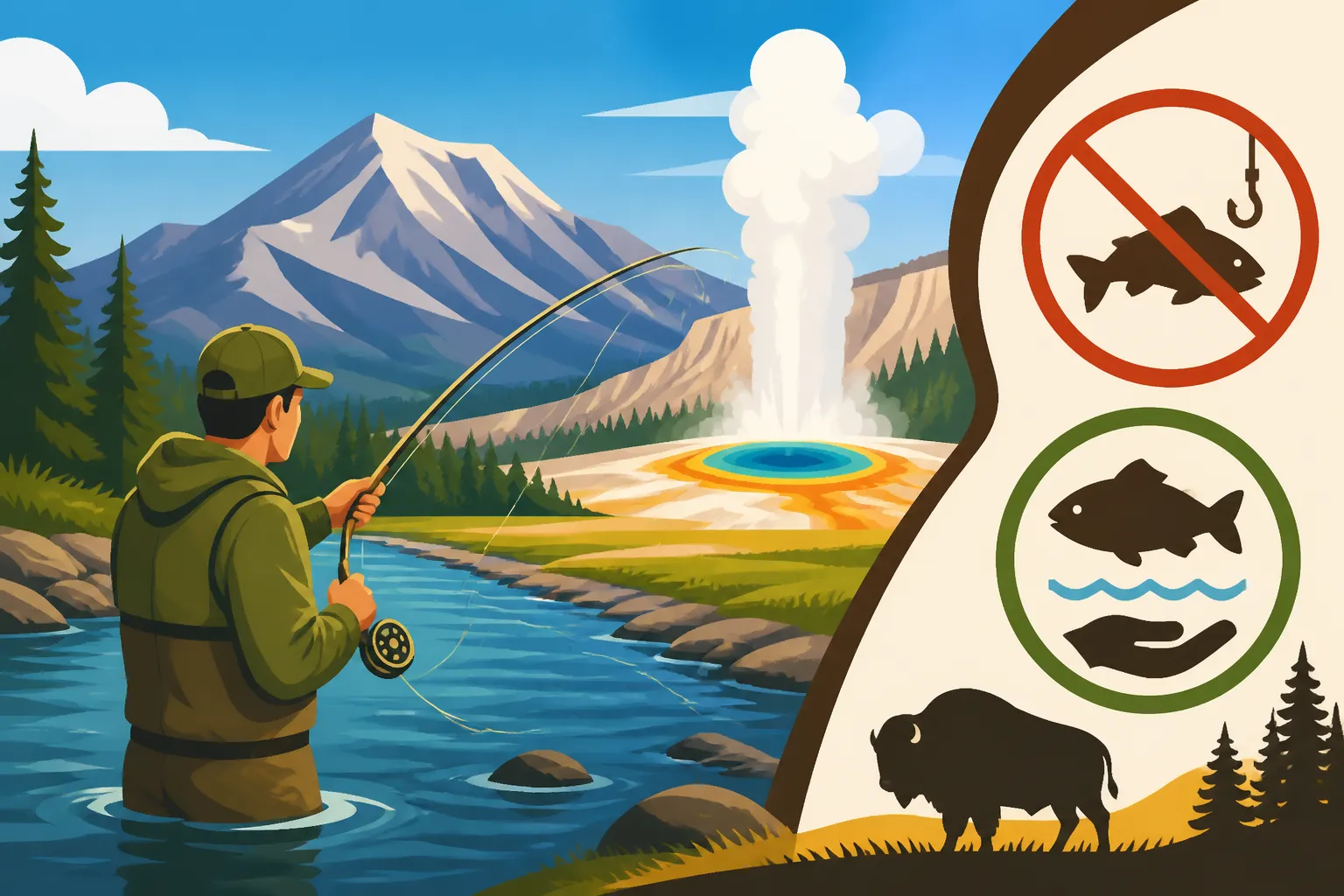
- Thermal Features: Fishing is strictly prohibited in or near any thermal features, such as hot springs, geysers, or fumaroles. These areas are fragile, dangerous, and often contain unique thermophilic organisms.
- Bridge Restrictions: Often, fishing is not permitted from or immediately adjacent to bridges. This is for safety reasons, both for anglers and for vehicular and pedestrian traffic.
Targeting Native vs. Non-Native Species
The ecological balance of Yellowstone's waters is a constant focus for park biologists. This directly impacts the fishing regulations, dictating what you can keep and what you must release.
The Battle Against Lake Trout in Yellowstone Lake
One of the most significant conservation efforts in Yellowstone centers around Yellowstone Lake and its invasive Lake Trout (also known as Mackinaw). These aggressive, non-native predators were illegally introduced and have wreaked havoc on the native Yellowstone Cutthroat Trout population, which is a foundational species in the park's ecosystem. The cutthroat are a vital food source for numerous other wildlife species, including grizzly bears, otters, and raptors.
Because of this severe threat, the park has a mandatory "kill all Lake Trout caught" policy in Yellowstone Lake and its tributaries. Anglers are considered partners in this massive undertaking. It's a unique situation where you are actively encouraged, and indeed required, to harvest every Lake Trout you catch, regardless of size. This intense management strategy is critical to the survival of the native cutthroat. If you're wondering Why Lake Trout Are Considered a Problem in Yellowstone Lake, it’s because they outcompete and prey heavily on the native trout, disrupting the entire food web. The Wyoming's Lake Trout Removal Efforts in Yellowstone Lake are a monumental task, and anglers play a significant role.
Protecting Yellowstone Cutthroat Trout
The Yellowstone Cutthroat Trout (Identifying a Yellowstone Cutthroat Trout) is the park's iconic native fish and is considered a keystone species. Its health is directly tied to the health of the broader ecosystem. Therefore, regulations for cutthroat are typically geared towards their protection and recovery.
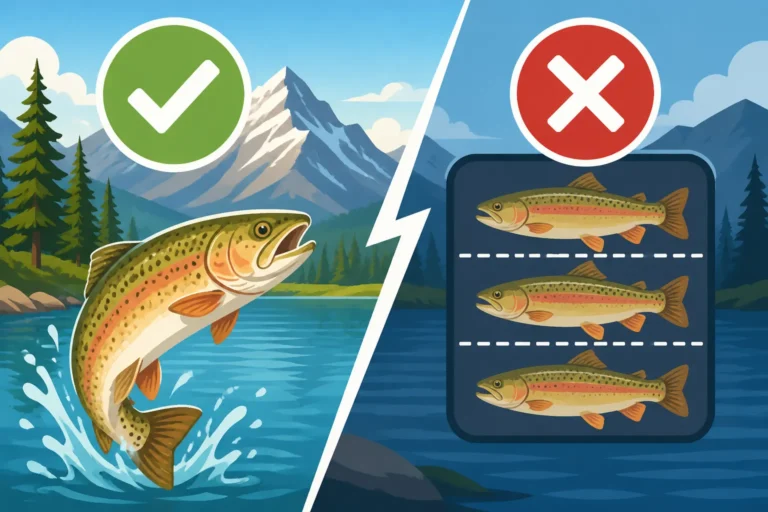
In most waters where cutthroat are present, the rule is strict catch-and-release, often with mandatory barbless, artificial lures to minimize stress and injury. Anglers are encouraged to handle these fish minimally, keeping them in the water as much as possible, and to release them quickly and carefully. The park's goal is to allow these populations to recover and thrive naturally. While How Many Trout Over 16 Inches You Can Keep in Wyoming might be a relevant question elsewhere, inside Yellowstone, the emphasis shifts dramatically to protecting these unique native fish from any harvest.
Where You Can and Cannot Fish in Yellowstone
Yellowstone is vast, but not all waters are open to fishing. Understanding access points and restricted areas is key to a successful and legal trip.
Designated Fishing Waters and Access Points
The vast majority of Yellowstone's major rivers and lakes are open for fishing, providing anglers with an incredible array of opportunities. These include the famous Yellowstone River, Slough Creek, Soda Butte Creek, Lamar River, Gardner River, Gallatin River, Firehole River, and Madison River. Of course, Yellowstone Lake is also open, offering a unique opportunity to target those invasive Lake Trout.
Access to these waters varies widely. Some areas, like parts of the Madison or Gardner Rivers, have easy roadside access. Others, particularly in the backcountry, require significant hiking, sometimes many miles, to reach pristine stretches. Always consult a detailed park map and current regulations to identify legal access points and ensure you're not trespassing or entering sensitive areas. Many park maps, including highly detailed topographical versions, are available on Amazon for planning your excursions.
Restricted Areas and Closed Waters
Just as important as knowing where to fish is knowing where you cannot fish. Several areas within Yellowstone are permanently closed to fishing for safety, ecological, or aesthetic reasons.
- Thermal Areas: As mentioned, any waters directly associated with thermal features (hot springs, geysers, fumaroles) are off-limits. This includes streams or lakes that are heated by geothermal activity. The dangers are obvious, but these unique environments also house delicate microbial mats and other life forms that are easily disturbed.
- Visitor Use Areas: Certain high-traffic visitor areas, such as around major bridges, boat docks, or developed areas, may have specific closures or restrictions to ensure public safety and enjoyment.
- Wildlife Protection Zones: Occasionally, areas may be temporarily or permanently closed to fishing to protect wildlife, such as during critical nesting periods for birds or when sensitive species are present. For example, some areas might be closed to protect grizzly bear foraging areas.
- Specific Stream Sections: Some small, sensitive stream sections or spawning areas might also be closed to protect vulnerable fish populations. Always check the park's fishing regulations booklet for a comprehensive list of all closed waters. Ignoring these can lead to fines and potentially impact important conservation efforts.
Best Practices for Responsible Angling in Yellowstone
Being a responsible angler in Yellowstone means more than just following the rules; it means being an active steward of this incredible natural wonder.
Preventing the Spread of Aquatic Invasive Species
Aquatic invasive species (AIS) are one of the greatest threats to Yellowstone's aquatic ecosystems. Organisms like New Zealand mudsnails, whirling disease, and various non-native plant species can hitch a ride on your gear, boat, or waders and devastate native fish populations. The park takes this threat very seriously, and so should you.
The mantra is "Clean, Drain, Dry." Before entering Yellowstone, and especially when moving between different water bodies within the park, you must:
- Clean: Inspect and remove all mud, plants, and debris from your waders, boots, rods, reels, lines, and any other gear.
- Drain: Drain all water from your boat, livewell, bilge, and any other water-holding compartments.
- Dry: Allow all your gear to dry completely for at least 5 days, or longer if possible, before using it in a different water body. If you can't dry it, then freeze it, or disinfect it with a bleach solution (check park guidelines for specifics).
- Boat Inspections: If you're planning to launch a boat in Yellowstone Lake, it will undergo a mandatory AIS inspection by park staff. This is a critical step in preventing the introduction of dangerous invasives like zebra or quagga mussels.
These efforts go beyond just basic Wyoming Fishing Regulations Every Angler Should Know and reflect a national park's responsibility to protect its unique biological heritage. It’s not an inconvenience; it’s a necessity for preserving the wild character of Yellowstone.
Respecting Wildlife and the Park Environment
Fishing in Yellowstone means sharing the landscape with an abundance of wildlife, including bison, elk, bears, and various bird species. It's paramount to practice wildlife-safe behaviors and maintain a minimal impact on the environment.
- Bear Safety: Always carry bear spray and know how to use it. Be alert and make noise while hiking to your fishing spots to avoid surprising wildlife. If you're fishing in prime grizzly country, like the Lamar Valley, be extra vigilant.
- Keep Your Distance: Never approach wildlife, no matter how docile they appear. Use a zoom lens for photos. If an animal is on the path to your fishing spot, wait patiently for it to move.
- Pack It In, Pack It Out: Leave no trace behind. This means all trash, including discarded fishing line, food wrappers, and anything else you brought in, must be packed out. Discarded fishing line is especially dangerous for birds and other animals.
- Stay on Trails: When accessing fishing areas, stick to designated trails or existing game trails to prevent trampling fragile vegetation or disturbing wildlife.
- Ethical Fish Handling: When practicing catch-and-release, handle fish gently and quickly. Keep them in the water as much as possible. Use a rubber mesh net (often available on Amazon) rather than knotted nylon, which can strip off a fish's protective slime coat.
By adhering to these principles, you not only ensure your own safety and a legal fishing trip but also contribute to the long-term health and beauty of Yellowstone National Park for future generations.
Disclaimer
The information provided in this guide is intended for general informational purposes only and is subject to change. Yellowstone National Park's fishing regulations are updated annually and may be modified in-season due to environmental factors or management needs. Always consult the official Yellowstone National Park fishing regulations pamphlet or the park's official website for the most current and authoritative information before planning your fishing trip. Failure to comply with park regulations can result in fines and penalties.