Wyoming’s Yellowstone Lake Fishing Guide
You've set your sights on Yellowstone Lake, one of the most iconic and undeniably challenging fishing destinations in Wyoming, and you might be feeling a mix of excitement and apprehension. It's not just another lake; it's a vast, high-altitude ecosystem within a national park, meaning the rules are different, the fish behave uniquely, and success often hinges on understanding its specific quirks. This comprehensive guide is here to untangle the complexities, highlight the unique conservation efforts, and equip you with the knowledge to make your Yellowstone Lake fishing trip both memorable and successful.
Understanding Yellowstone Lake's Unique Fishery
Yellowstone Lake isn't just a body of water; it's a complex, living system with its own delicate balance, a balance that has faced significant challenges over the past few decades. Anglers coming here need to understand that this isn't your typical recreational fishery. Your fishing efforts, particularly for certain species, play a direct role in the ongoing conservation battle. It's a place where every cast can contribute to a larger ecological goal, which is a powerful and unique aspect of fishing here.
The Lake Trout Challenge and Its Impact
For many years, the native Yellowstone Cutthroat Trout thrived as the dominant apex predator in Yellowstone Lake. They were a cornerstone of the entire Yellowstone ecosystem, providing a vital food source for grizzlies, osprey, eagles, and other wildlife. Then, sometime in the 1980s or early 1990s, an invasive species arrived: the lake trout (or Mackinaw). Nobody knows for sure how they got there – perhaps illegally stocked, perhaps via accidental transfer – but their presence changed everything.
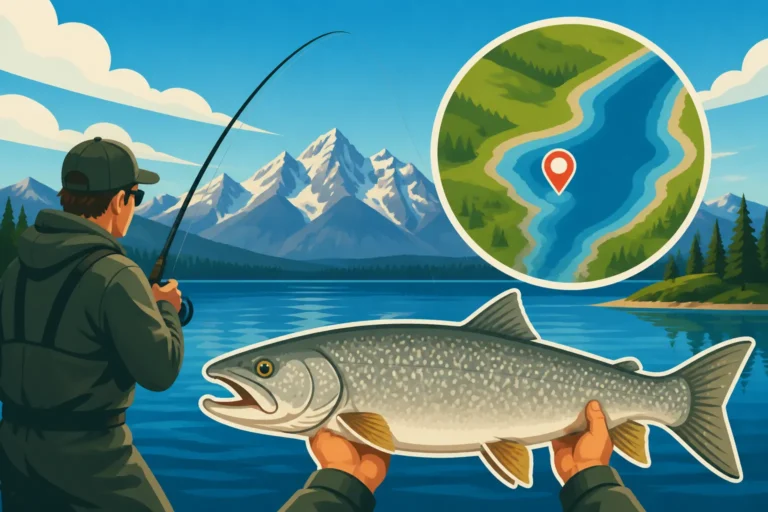
Lake trout are voracious predators, growing much larger and living longer than cutthroat. They also spawn in deeper waters, making their eggs less accessible to the native wildlife that relies on the shallower-spawning cutthroat eggs. The impact was devastating. Cutthroat populations plummeted, threatening the entire food web that depends on them. Imagine a domino effect where one introduced species threatens an entire ecosystem. This is why when you hear about fishing on Yellowstone Lake, the conversation almost immediately turns to Why Lake Trout Are Considered a Problem in Yellowstone Lake. The park service has been fighting a long, hard battle to suppress lake trout numbers through extensive netting and removal programs, a critical effort to protect the native fish. Your fishing, specifically targeting and retaining lake trout, is a direct contribution to this massive conservation project.
Yellowstone Cutthroat Trout: The Native Struggle
The Yellowstone Cutthroat Trout is truly a gem, not just because of its beauty but because it's the only trout species native to the Yellowstone ecosystem east of the Continental Divide. These fish are characterized by their vibrant colors and, of course, the distinctive red-orange slash marks under their jaw that give them their name. Before the lake trout invasion, they were incredibly abundant, a testament to a healthy, balanced environment. Now, their survival is an uphill climb.
While anglers are encouraged to target lake trout, the management of native cutthroat is strictly regulated. The goal is to allow these populations to recover, and every effort is made to minimize stress on them. This often means catch-and-release only, using specific gear, and handling them with the utmost care. It's a stark contrast to the aggressive take-all-you-can approach for lake trout. Understanding how to differentiate them is crucial, and learning Identifying a Yellowstone Cutthroat Trout will be key before you even cast a line. These rules reflect the park's deep commitment to restoring the ecological integrity of this unique national treasure.
Specific Park Regulations vs. Wyoming State Laws
One of the biggest confusions for anglers, especially those visiting from outside the state, is the difference between fishing regulations in a national park versus those in the rest of Wyoming. Yellowstone National Park operates under its own specific set of rules and regulations, separate from the Wyoming Game and Fish Department's statewide regulations. This means your standard Wyoming Fishing Regulations Every Angler Should Know might not apply here.
For Yellowstone Lake, you'll need a special Yellowstone National Park fishing permit, not a Wyoming state fishing license. The rules regarding species limits, bait, seasons, and gear can also vary significantly. For example, possession limits for lake trout are much more liberal (or rather, non-existent, encouraging unlimited harvest), while cutthroat trout are often subject to catch-and-release rules or strict slot limits. It's vital to remember that ignorance of the rules is no excuse, and park rangers are diligent in enforcing these regulations. Always consult the official Yellowstone National Park fishing regulations pamphlet, available at visitor centers and ranger stations, before heading out. Trust me, it's better to read it thoroughly than to face a hefty fine or, worse, unknowingly harm the fishery.
Getting Your Yellowstone Lake Fishing Permit
Before you even think about rigging a rod or launching a boat, you absolutely must secure the proper fishing permit for Yellowstone National Park. This isn't just a suggestion; it's a legal requirement, and it’s distinct from a standard state license. Skipping this step can lead to significant penalties, spoiling an otherwise incredible trip. The park has very clear guidelines to ensure that all angling activities align with their conservation goals.
Where to Obtain Your Yellowstone National Park Permit
Unlike purchasing a Wyoming Fishing License Guide for Nonresidents or a Wyoming Resident Fishing License Cost online through the state's Game and Fish website, Yellowstone National Park permits are typically purchased directly from the National Park Service. You can't just pick one up at any Walmart or general store outside the park boundaries that sells Wyoming state licenses.
The most common and convenient places to get your Yellowstone permit are at park visitor centers, ranger stations, or authorized concessionaires within the park itself. For instance, if you're staying at Lake Village or Grant Village, you'll find places nearby. Many backcountry offices or even some general stores inside the park also sell them. Make sure you get the physical permit and keep it with you, along with a valid photo ID, at all times while fishing. This is crucial for compliance, as park rangers conduct regular checks, and you don't want to be caught without the right paperwork.
Permit Costs and Validity Periods
The cost of a Yellowstone National Park fishing permit is quite reasonable, especially when you consider the unique opportunity you're getting. Permits are usually available for different durations: a 3-day permit, a 7-day permit, or an annual permit. The specific costs can change from year to year, so it's always best to check the current rates on the official Yellowstone National Park website or at a park facility when you arrive.
It's important to understand that these permits are valid for fishing only within Yellowstone National Park boundaries. They do not grant you permission to fish in surrounding national forests or other waters outside the park. The validity period begins on the day you specify at the time of purchase and runs for the consecutive days you’ve selected. So, if you buy a 3-day permit and activate it on a Monday, it will be valid through Wednesday. There’s no flexibility to skip days, so plan your fishing days accordingly to get the most value out of your purchase. Always make sure the dates align with your planned fishing excursions within the park.
Special Rules for Kids and Seniors
Yellowstone National Park is a fantastic place to introduce children to fishing, and they have specific provisions for younger anglers. Generally, children aged 15 and under do not need to purchase a fishing permit to fish in Yellowstone. This is a wonderful initiative that removes a financial barrier for families and encourages the next generation of conservationists. However, even if they don't need a permit, they must still abide by all the park's fishing regulations, including catch limits, bait restrictions, and species identification rules.
For seniors, the situation is a bit different. While many state fishing licenses offer discounts or exemptions for senior residents, Yellowstone National Park does not typically have special discounted fishing permits for seniors. Everyone aged 16 and older, regardless of age, must purchase a valid fishing permit to fish in the park. This differs from Do Seniors Need a License to Fish in Wyoming? which might have state-specific senior discounts. Again, always double-check the current regulations to ensure you're fully compliant before heading out. The park's focus is on ecosystem management, and permit fees contribute directly to these vital efforts, which benefit all visitors.
Navigating Yellowstone Lake: Access and Boating Rules
Yellowstone Lake is massive, covering 136 square miles with 141 miles of shoreline. It's also at an elevation of 7,732 feet, making it the largest high-altitude lake in North America. This isn't a small pond you can just launch a canoe into anywhere. Its sheer size and location within a protected national park mean there are very strict rules about how you access it and what kind of vessels you can use. Understanding these regulations is paramount, not just for legal compliance, but for your safety as well.
Public Access Points and Boat Ramps
Given its protected status, access to Yellowstone Lake is carefully managed. You can't just pull off the road and launch a boat anywhere you please. The primary public access points for boats are located at the developed areas of the lake. The most well-known boat ramp is at Bridge Bay, near Lake Village. This facility provides ample parking and a sturdy ramp suitable for most trailered boats. There's also usually a marina operation there for rentals and supplies.
Another access point, though often more challenging due to size and weather, is near Grant Village. Shoreline fishing is permitted in many areas, but always be aware of signage indicating restricted zones or sensitive wildlife habitats. Always consult the park map and current regulations for the most up-to-date information on boat launches and shore access. It's also important to note that you might be subject to boat inspections for aquatic invasive species, a critical measure to protect the lake's delicate ecosystem. These inspections are mandatory and designed to keep harmful invaders out.
Motorized and Non-Motorized Boating Restrictions
The park maintains strict control over the types of watercraft allowed on Yellowstone Lake to preserve its wilderness character and minimize environmental impact. Generally, both motorized and non-motorized vessels are permitted, but with specific regulations. If you plan to bring your own boat, whether a powerboat, sailboat, canoe, kayak, or stand-up paddleboard, you'll need to obtain a separate Yellowstone National Park boating permit. This is in addition to your fishing permit.
Motorized boats have horsepower limits and are generally restricted to certain areas of the lake. They must also meet specific length and beam requirements. Non-motorized vessels offer more flexibility, allowing access to some of the more remote bays and coves that motorized boats cannot reach. However, all vessels, regardless of type, must be inspected by park staff for aquatic invasive species before launching onto any park waters. This inspection process helps prevent the spread of harmful organisms that could further damage the lake's ecosystem. Remember, floating in a small craft like a kayak on such a vast, deep, and often windy lake requires careful planning and safety precautions.
Safety Considerations on Such a Large, High-Altitude Lake
Fishing on Yellowstone Lake is an adventure, but it comes with significant inherent risks that demand respect and preparedness. This is not a calm, predictable body of water. Its high elevation contributes to rapidly changing weather conditions; a sunny morning can quickly turn into a stormy afternoon with high winds, large waves, and dramatic temperature drops. Hypothermia is a serious concern, even in summer, if you are unexpectedly exposed to cold water.
Always check the marine weather forecast before heading out, and be prepared for sudden changes. Personal flotation devices (PFDs) are not just recommended; they are legally required for every person on board, and children under 13 must wear them at all times while on a moving vessel. Carry extra layers of clothing, rain gear, plenty of water, and emergency signaling devices. Cell service is spotty or nonexistent across much of the lake, so don't rely on your phone for communication in an emergency. Inform someone of your float plan, including your intended route and estimated return time. The park service emphasizes safety above all else, and knowing the potential dangers and preparing for them is crucial for a successful and safe trip.
Targeting Fish in Yellowstone Lake: Species and Techniques
Fishing on Yellowstone Lake isn't just about catching fish; it's about participating in a critical conservation effort. Your primary target here should align with the park's goals: reducing the population of invasive lake trout while protecting the native Yellowstone Cutthroat Trout. This means you’ll often be employing very different strategies and attitudes depending on which species you encounter.
Mastering Lake Trout Mackinaw Techniques
When fishing for lake trout on Yellowstone Lake, the mantra is "catch as many as you can and keep them all." This isn't typically how we approach fishing, but it's vital for the health of the native fishery. Lake trout are deep-water predators, especially in large, cold lakes like Yellowstone. They often congregate near structures, drop-offs, and deep humps.
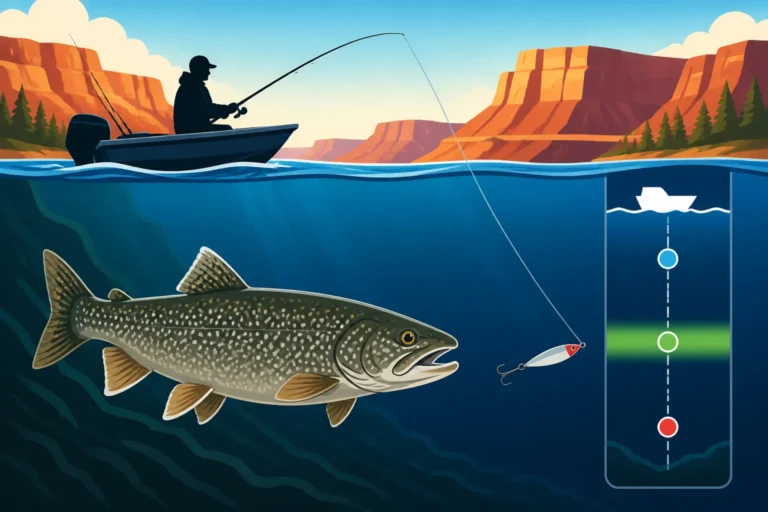
Successful lake trout fishing on Yellowstone Lake usually involves trolling or vertical jigging in deeper water. For trolling, downriggers are incredibly effective for getting your lures down to the 50-150 foot range where these fish often hold. Large spoons, like those from Johnson or Daredevle, or tube jigs in white, silver, or glow-in-the-dark patterns, are popular choices. The Trolling Techniques for Wyoming Reservoirs are highly applicable here. Look for areas with abrupt depth changes, underwater points, or where you mark baitfish on your sonar. Vertical jigging directly over these structures with heavy spoons or large soft plastics can also be very productive. Remember, the park encourages aggressive angling for these fish, so don't hesitate to use heavier gear designed for larger, deeper-dwelling fish. You're doing a service to the ecosystem by removing them.
Ethical Angling for Yellowstone Cutthroat Trout
While the emphasis is on lake trout removal, you might still encounter Yellowstone Cutthroat Trout, especially closer to shore or in shallower bays. For these native fish, the rules are very different, focusing on catch-and-release to aid their recovery. Most areas of the lake require that any cutthroat caught must be immediately and carefully released.
To ensure the highest survival rate for released cutthroat, use single, barbless hooks. Avoid using bait, as fish are more likely to swallow bait deeply, causing internal damage. Artificial flies or lures, such as small spoons, spinners, or soft plastic jigs, are preferred. When you catch a cutthroat, handle it as little as possible. Keep it in the water if you can, remove the hook quickly with forceps, and avoid touching its gills or squeezing its body. If you must take it out of the water for a quick photo, keep it brief, and support its full body weight. This practice aligns with the park's deep commitment to restoring the cutthroat populations. Knowing Catch-and-Release Rules on Wyoming Waters can give you a general idea, but always check the specific park regulations for nuances.
Bait and Lure Restrictions
Yellowstone National Park has very strict regulations regarding bait and tackle, primarily aimed at preventing the introduction of aquatic invasive species and protecting the native fish. Live bait, including minnows, crayfish, and worms, is generally prohibited throughout the park, including Yellowstone Lake. The risk of introducing non-native species or diseases from live bait is simply too high for such a sensitive ecosystem.
Only artificial lures and flies are typically allowed. This means anything that doesn't use organic material as bait. Common choices include spinnerbaits, spoons, jigs, and flies. Many anglers find success with these artificial presentations. Check the current regulations for any specific exceptions or further limitations, as these can sometimes change. For example, scented artificial baits might be considered "bait" in some contexts. Always err on the side of caution and assume that anything that looks or smells like food is prohibited unless explicitly stated otherwise. This focus on artificial lures also promotes a more sporting and challenging form of angling, ensuring that you're truly testing your skills against the fish.
| Feature | Lake Trout (Mackinaw) | Yellowstone Cutthroat Trout |
|---|---|---|
| Status in Lake | Invasive, target for removal | Native, protected, focus on recovery |
| Primary Habitat | Deep, cold water (50-150+ ft), near structure | Shallower, cooler waters, near shorelines, stream mouths |
| Typical Size | 18-30 inches, can exceed 40 inches and 20+ lbs | 10-20 inches, rarely over 24 inches |
| Angler Goal | Catch and keep all you catch | Catch and release immediately and carefully |
| Recommended Gear | Heavy rods, baitcasters, downriggers, large spoons, tube jigs | Light to medium rods, flies, small spinners, spoons, barbless hooks |
| Bait Allowed? | No live bait, only artificial lures/flies | No live bait, only artificial lures/flies |
| Distinctive Mark | Light spots on dark body, deeply forked tail | Black spots (often concentrated towards tail), red-orange slash under jaw |
Best Times and Seasons to Fish Yellowstone Lake
Yellowstone Lake sits at a high elevation, which means its fishing season is relatively short compared to lower-elevation waters. Weather and ice conditions play a huge role in determining when and where you can fish. Understanding these seasonal nuances is key to planning a successful trip and knowing what to expect from the fish.
Early Season: Ice-Out and Spring Opportunities
The exact timing of "ice-out" on Yellowstone Lake varies each year, typically occurring in late May to early June. This is a highly anticipated event for anglers, as it marks the official start of the open water fishing season. If you're wondering When Yellowstone Lake Ice Out Usually Happens, it generally falls between late May and early June, but checking current conditions is always best. Immediately after ice-out, the fishing can be fantastic, especially for lake trout.
In the early season, the water temperatures are still very cold, and lake trout may be found in slightly shallower waters before retreating to their deeper haunts as the summer progresses. This can make them a bit more accessible for anglers. The weather, however, can be unpredictable, ranging from sunny and calm to cold, windy, and even snowy. Being prepared for all conditions with appropriate layers and rain gear is essential. This early window provides a unique opportunity to target active lake trout before the summer crowds arrive and before the fish go really deep.
Summer Fishing: Peak Season and Deep Water Tactics
Summer, from late June through August, is the peak season for visitors to Yellowstone National Park, and consequently, for fishing on Yellowstone Lake. During these months, the weather is generally warmer and more stable, making for more comfortable boating and fishing. However, as the surface waters warm, the lake trout will typically retreat to the deeper, colder parts of the lake.
This means that successful summer fishing for lake trout almost always involves deep-water tactics, such as trolling with downriggers or heavy vertical jigging. You'll need to locate fish anywhere from 80 to 200 feet deep. This is where good sonar and GPS become invaluable, helping you pinpoint structure and schools of baitfish. While cutthroat trout are mostly catch-and-release, they can be found in cooler areas, often near stream inlets or deeper shorelines, particularly early in the morning or late in the evening. Understanding How Water Temperature Affects Trout Feeding is critical, as fish metabolism slows down in extreme heat, but they'll seek out their preferred thermal zones. Despite the deeper challenge for lake trout, summer offers the most consistent good weather and plenty of daylight hours for exploring this magnificent lake.
Fall Fishing: Pre-Spawn Lake Trout and Cooler Weather
As September rolls in and the summer crowds begin to thin, Yellowstone Lake enters its autumn phase, which can offer some exceptional fishing. The cooler air temperatures bring down the water temperature, signaling to the lake trout that their spawning season is approaching. This often means they become more active and can move into slightly shallower areas in preparation.
During the fall, lake trout can be incredibly aggressive as they feed heavily before their spawn. This is an excellent time for trolling or jigging, and you might find them in depths that were previously unproductive during the heat of summer. While the fishing can be superb, anglers must also contend with the rapidly changing weather characteristic of the Yellowstone region in autumn. Snowstorms can arrive unexpectedly, and high winds are common, especially on such a large body of water. Early mornings can be frosty, requiring warm clothing. Despite the weather challenges, fall fishing on Yellowstone Lake can reward anglers with some of the most exciting action, and often with fewer people on the water.
Conservation and Ethics on Yellowstone Lake
Fishing on Yellowstone Lake isn't just a recreational activity; it's a vital part of a broader conservation strategy aimed at restoring the lake's ecological balance. Every angler plays a role in this effort, and understanding the ethics and specific regulations is paramount. This isn't just about following rules; it's about being a responsible steward of a national treasure.
Mandatory Lake Trout Retention and Euthanasia
This is arguably the most unique and important regulation on Yellowstone Lake: the mandatory retention and euthanasia of all legally caught lake trout. Unlike almost any other fishery in the world where catch-and-release is often encouraged for conservation, here, it's the opposite for lake trout. If you catch a lake trout, you must keep it and kill it. Releasing live lake trout back into the lake is strictly prohibited and can result in severe penalties.
This rule directly supports the Wyoming's Lake Trout Removal Efforts in Yellowstone Lake program. By removing every lake trout caught, anglers are actively participating in reducing the population of this invasive species, thereby giving the native Yellowstone Cutthroat Trout a fighting chance to recover. It's crucial that anglers understand this directive and are prepared to humanely dispatch any lake trout they catch. This might feel counterintuitive for some, but it is a necessary measure to protect the native ecosystem. Be sure to have a method for quickly and humanely dispatching fish, such as a sturdy club or fish bonker, on board.
Preventing the Spread of Aquatic Invasive Species
Yellowstone National Park is extremely vigilant about preventing the introduction of aquatic invasive species (AIS), such as zebra mussels, quagga mussels, and New Zealand mudsnails. These invaders can devastate ecosystems, clog waterways, and are nearly impossible to eradicate once established. The park's pristine waters are one of its most valuable assets, and protecting them from AIS is a top priority.
All vessels, including motorized boats, canoes, kayaks, and even stand-up paddleboards, are required to undergo a mandatory inspection by park staff before launching onto any park waters, including Yellowstone Lake. This isn't just a formality; it's a thorough check to ensure your boat is "Clean, Drained, and Dry." You might be asked to provide proof of prior inspections or wash records. Anglers must also ensure all their gear – waders, boots, nets, and tackle – is clean and dry before entering park waters. This includes checking the pockets of your What to Wear Ice Fishing in Wyoming suit, should you be fishing during the colder months on other state waters. These preventative measures, while sometimes requiring extra time and effort, are absolutely critical for protecting the unique and fragile aquatic environments of Yellowstone. Don't underestimate their importance.
Respecting Wildlife and the Ecosystem
Fishing in Yellowstone National Park means you're operating in one of the world's premier wildlife habitats. Encounters with bears, bison, elk, and other animals are common, and it's your responsibility to know how to act safely and respectfully. Maintain safe distances from all wildlife, especially bears and bison, which can be unpredictable and dangerous. Carrying bear spray and knowing how to use it is always recommended when in bear country.
Beyond large mammals, be mindful of nesting birds, fragile vegetation, and the overall wilderness character of the park. Avoid disturbing spawning beds or sensitive habitats. Pack out everything you pack in, leaving no trace of your visit. This includes all fishing line, bait containers, and any other litter. Remember, you are a visitor in a wild place, and your actions have an impact. The park's beauty and ecological health depend on the respectful behavior of every visitor. Taking the time to understand Fishing Rules Inside Yellowstone National Park also covers these broader ecological considerations, not just the fishing specifics.
Essential Gear for a Yellowstone Lake Fishing Adventure
Heading out onto Yellowstone Lake requires more than just a fishing rod. The sheer size of the lake, its high elevation, and the unpredictable mountain weather demand careful consideration of your gear, both for fishing success and, more importantly, for your safety and comfort. Don't underestimate the conditions – preparedness is your best friend here.
Rod and Reel Setups for Lake Trout and Cutthroat
Given the dual focus on lake trout removal and cutthroat conservation, you'll likely want versatile gear or even separate setups. For lake trout, you'll need a stout setup capable of handling powerful, deep-dwelling fish. A medium-heavy to heavy action rod, around 6 to 7.5 feet, paired with a reliable baitcasting or large spinning reel spooled with 20-30 lb braided line and a fluorocarbon leader of similar strength, is a good starting point. This setup will give you the backbone needed for How Deep Lake Trout Live in Flaming Gorge and on Yellowstone Lake. If you're trolling with downriggers, a shorter, more flexible rod designed for this technique can also be beneficial.
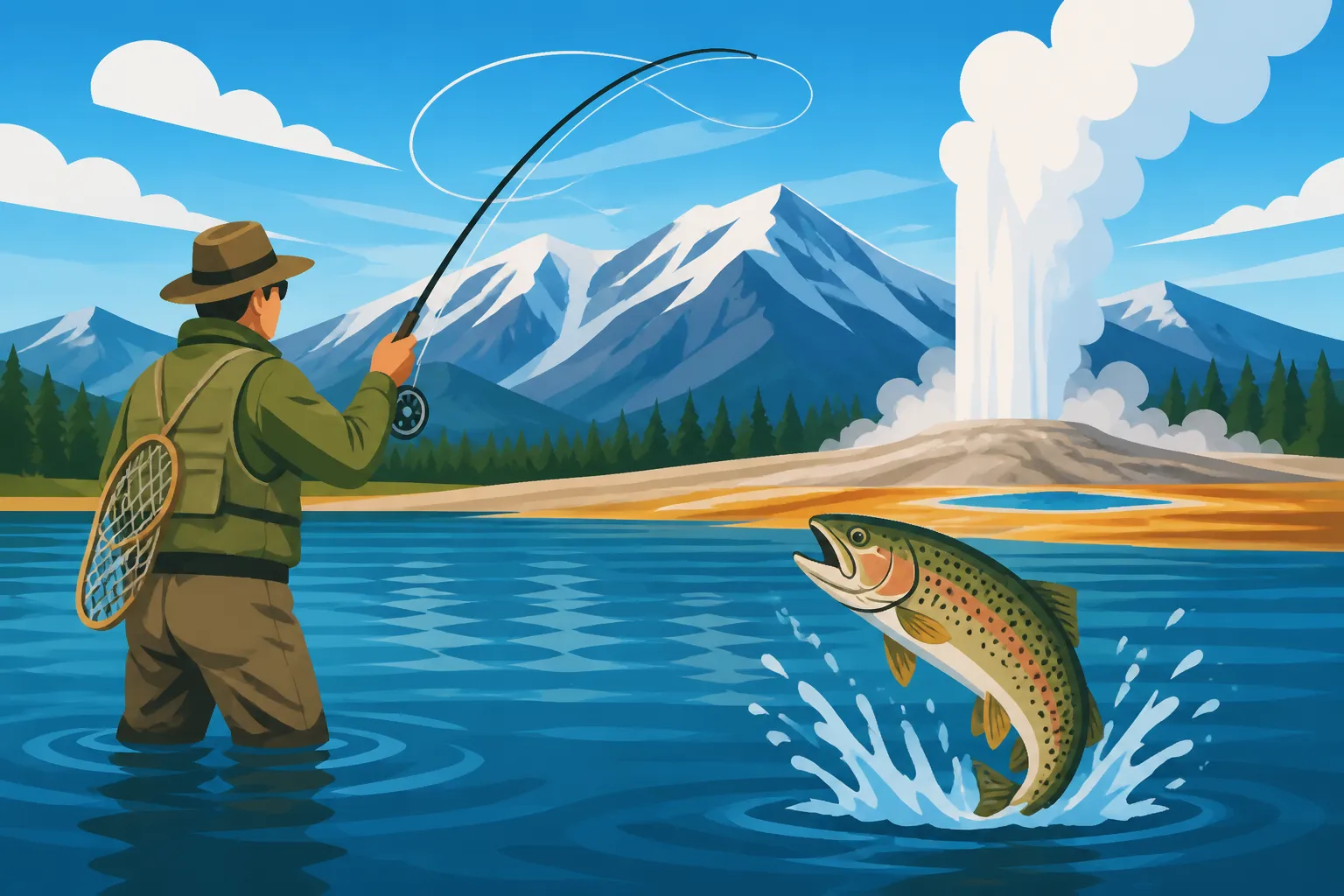
For the native Yellowstone Cutthroat Trout, a lighter touch is required for ethical catch-and-release. A medium-light to medium action spinning rod, 6.5 to 7 feet, with a small to medium spinning reel spooled with 4-8 lb monofilament or fluorocarbon line, is ideal. If you're a fly angler, a 5 or 6-weight fly rod with a floating line would be perfect for casting flies to cruising cutthroat near shore or stream mouths. Always ensure your hooks are barbless for cutthroat, and have forceps readily available for quick, stress-free releases.
Appropriate Apparel for Mountain Weather
The weather on Yellowstone Lake can change on a dime, often swinging wildly from bright sunshine to cold rain, strong winds, or even snow, all within a single day. Layering is not just a recommendation; it's a necessity. Start with a moisture-wicking base layer, add an insulating mid-layer like fleece or wool, and top it off with a waterproof and windproof outer shell. Even in summer, pack a warm hat and gloves, especially if you plan to be out on the water early or late.
Consider waterproof boots for boat fishing or wading along shorelines. Sunglasses are a must to protect your eyes from the intense high-altitude UV rays and to spot fish. Don't forget sunscreen and lip balm with SPF. Remember, How Cold Is Too Cold to Fish in Wyoming? often depends more on adequate clothing than the actual air temperature. Being uncomfortable due to inadequate clothing will quickly diminish the enjoyment of your trip, so invest in good quality, versatile outdoor apparel.
Safety Gear: Always a Priority
Yellowstone Lake is a vast, cold, and often unforgiving environment, making safety gear non-negotiable. First and foremost, every person on a boat must have a U.S. Coast Guard-approved personal flotation device (PFD). Children under 13 must wear a PFD at all times while on a moving vessel. It's a legal requirement and, more importantly, a life-saving device.
Beyond PFDs, always carry a first-aid kit, emergency signaling devices (like a whistle, mirror, or flare gun), and a knife. A fully charged waterproof VHF radio is highly recommended for communication, as cell service is unreliable. Carry extra food and water, even for a half-day trip, in case of unexpected delays. A marine chart of Yellowstone Lake will help you navigate and identify potential hazards or productive fishing spots. If you're fishing from a boat, ensure it's equipped with all the legally required safety equipment, such as fire extinguishers, sound-producing devices, and navigation lights if you plan to be out near dawn or dusk. Being prepared for the unexpected is the hallmark of a responsible angler on Yellowstone Lake.
Hiring a Guide for Yellowstone Lake
While many anglers enjoy the challenge of figuring out a new fishery on their own, Yellowstone Lake presents unique complexities – from its vastness and ever-changing conditions to its specific regulations and conservation directives. For many, especially first-time visitors or those with limited time, hiring a professional fishing guide can be an invaluable investment.
Why a Local Guide Makes a Difference
A licensed Yellowstone Lake fishing guide offers far more than just a ride on a boat. They possess an intimate knowledge of the lake's vast waters, including the ever-shifting locations where lake trout congregate and where native cutthroat might be found. They understand How Water Temperature Affects Trout Feeding on this specific body of water and can interpret real-time conditions. They know the best techniques, the most effective lures, and how to operate safely in unpredictable weather.
Furthermore, a local guide is an expert on the park's specific fishing regulations, which can be confusing for newcomers. They'll ensure you're compliant with all permit requirements, catch-and-release protocols for cutthroat, and the mandatory retention of lake trout. Their expertise dramatically increases your chances of success, helps you navigate the lake efficiently, and ensures your trip adheres to the park's conservation goals. You'll spend less time searching and more time fishing, often with better results than if you went solo.
Finding a Licensed Yellowstone National Park Outfitter
It's absolutely crucial to hire a guide who is properly licensed to operate within Yellowstone National Park. The park has a strict permitting system for commercial operators, and only those with the appropriate National Park Service permits are legally allowed to guide fishing trips on Yellowstone Lake. Do not book with an unlicensed guide; it can lead to legal issues for both you and the guide, and these individuals often do not carry the necessary insurance or adhere to park standards.
When searching for a guide, start by looking for outfitters explicitly advertising trips within Yellowstone National Park, not just "Wyoming fishing guides." You can often find reputable outfitters through the park's official website or by contacting visitor centers. Websites like FishingBooker are excellent resources for finding and booking licensed guides. They often list guides who specialize in Yellowstone Lake and clearly state their certifications. Always ask to confirm their Yellowstone National Park commercial use authorization or permit number before booking. This verification step ensures you're hiring a legitimate and experienced professional.
What to Expect from a Guided Trip
A guided fishing trip on Yellowstone Lake typically includes the guide's expertise, their boat, all the necessary fishing gear (rods, reels, tackle, and sometimes even a few flies), and often snacks and drinks. Depending on the length of the trip (half-day or full-day), lunch might also be provided. You'll still need to purchase your own Yellowstone National Park fishing permit, as guides are not authorized to sell them.
Most guides will provide an orientation to the lake's regulations, focusing on the mandatory lake trout retention and proper handling of cutthroat. They'll show you how to use the equipment, help you locate fish, and teach you effective techniques. Your guide will also prioritize your safety, monitoring weather conditions and making sound decisions. Expect to learn a lot about the lake, its ecology, and the conservation efforts underway. Don't forget to discuss Tipping Etiquette for Wyoming Fishing Guides beforehand, as tipping your guide is customary and appreciated for good service. A guided trip on Yellowstone Lake is an immersive educational experience as much as it is a fishing adventure.
Disclaimer
Fishing is an outdoor activity with inherent risks. Always be aware of weather conditions, water hazards, and wildlife. Follow all local, state, and national park regulations. Ensure you have the proper licenses and permits before fishing. This guide is for informational purposes only and does not replace official regulations or professional advice. Always prioritize safety and environmental stewardship.