When Wyoming Rivers Are Least Crowded
Oh, the dream of fishing a pristine Wyoming river, the only sound being the rush of water and the hum of your line, is often met with the reality of elbow-to-elbow anglers during peak season. It’s incredibly frustrating to travel all that way, envisioning solitude, only to find your favorite hole already occupied. If you're yearning for those quieter moments and more personal encounters with Wyoming's incredible trout, this guide is here to walk you through the best times and strategies to find those elusive, least crowded spots on Wyoming rivers.
Understanding Wyoming's Fishing Seasons and Crowds
Wyoming's reputation as a world-class fishing destination is well-deserved, attracting anglers from all corners of the globe. This popularity, while a testament to the quality of the fishing, also means that certain times of the year and specific locations can become incredibly busy. It’s a double-edged sword: everyone wants to experience the magic, but too many people can certainly dilute that magic.
The Allure of Peak Season and Its Downsides
There’s a reason why late spring, summer, and early fall are considered "peak season" in Wyoming. The weather is generally glorious – warm days, crisp nights, and blue skies that stretch forever. The hatches are often prolific, offering incredible dry fly opportunities, and the fishing for a variety of species can be spectacular. Rivers like the North Platte, the Snake, and the Green become buzzing hubs of activity, with drift boats lining up at popular put-ins and wade anglers staking out their favorite runs.
The downside, as many of us have experienced, is the sheer volume of people. What you hoped would be a tranquil escape can feel more like a competition for space. Parking lots overflow, popular access points are crowded, and you might find yourself waiting for a prime casting spot or sharing a run with multiple other anglers. It can take away from the meditative quality of fishing and make it harder to truly connect with the natural environment, not to mention making the fish a lot warier. It's tough when your idea of a peaceful day on the water involves anything but constant company.
Factors Influencing Angler Traffic
Several factors converge to create these crowded conditions. First and foremost, warmer weather and school holidays bring families and vacationers. Weekends are always busier than weekdays, regardless of the season, simply because that’s when most people have time off. Easily accessible public land and well-known "blue-ribbon" stretches of river, like parts of the Miracle Mile or Gray Reef, naturally draw more attention. These spots are famous for a reason – they hold big fish and offer consistent action – but their fame also means they rarely offer true solitude during the high season.
Guided fishing trips also contribute to the traffic. While guides are fantastic for showing you the ropes and getting you on fish, they often operate in the most productive and accessible areas, leading to more boats and wade anglers in concentrated spots. If you're considering a guided trip, it’s worth asking your outfitter about less trafficked options if solitude is a priority for you. Hiring a Fishing Guide in Wyoming can be an excellent experience, but manage your expectations for crowded waters during peak times.
Prime Times for Solitude: Off-Peak Seasons
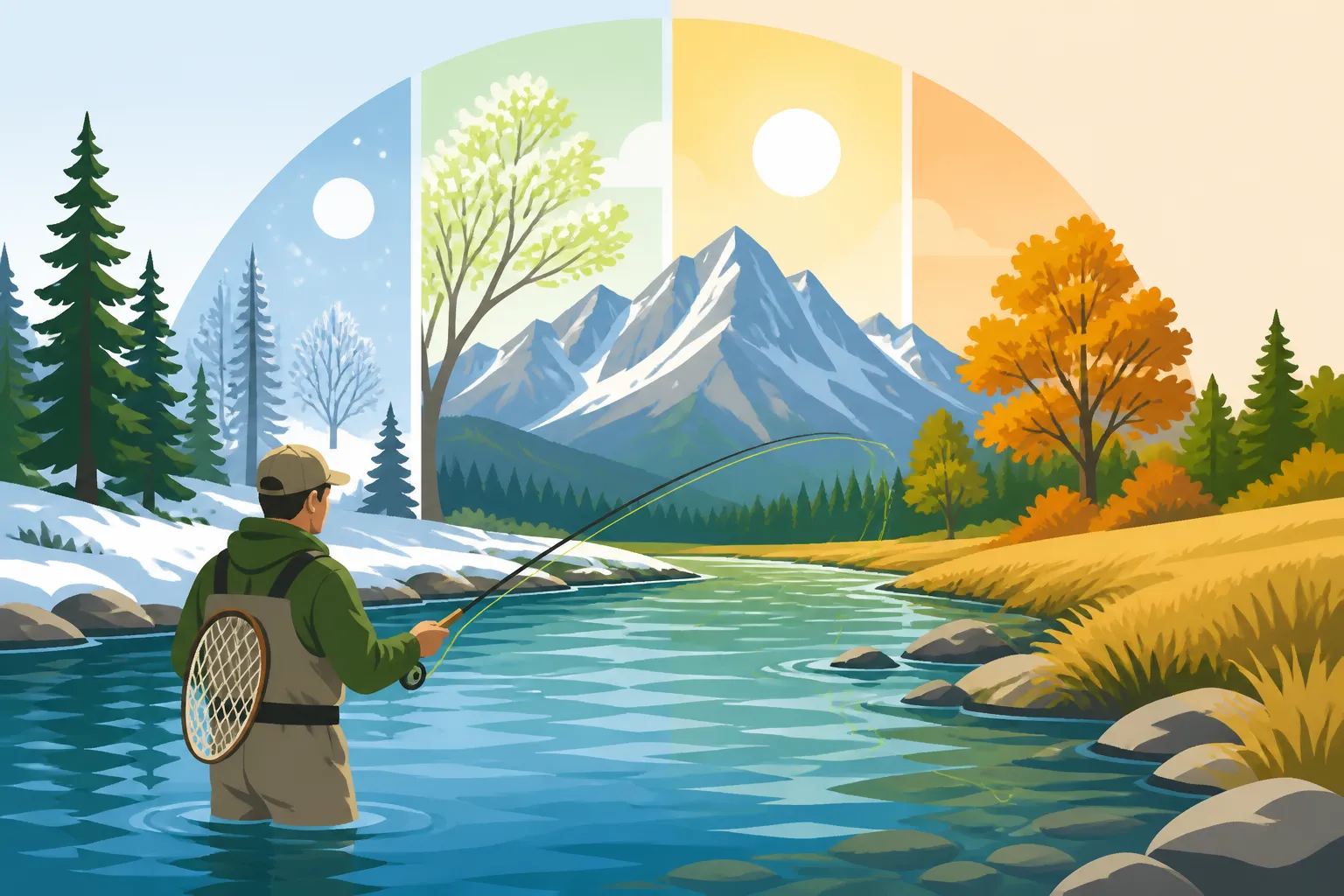
If your main goal is to find peace and quiet on Wyoming's rivers, you'll need to think outside the traditional summer box. The secret lies in embracing the "shoulder" seasons and even the depths of winter, when many fair-weather anglers have packed away their gear. These periods offer unique challenges but reward the persistent and prepared angler with unparalleled solitude.
Embracing the Early Spring Pre-Runoff
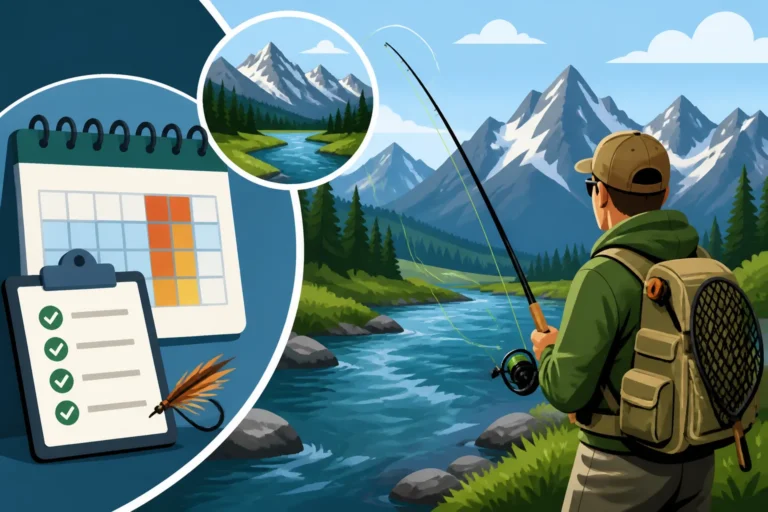
Early spring, typically late March through April, before the major snowmelt (runoff) begins, can be a fantastic time to find quiet waters. The air is still crisp, and snow might still linger in shaded areas, but the sun is getting stronger, and the fish are waking up from their winter lethargy. Many anglers haven't yet dusted off their rods, meaning you'll have much more river to yourself.
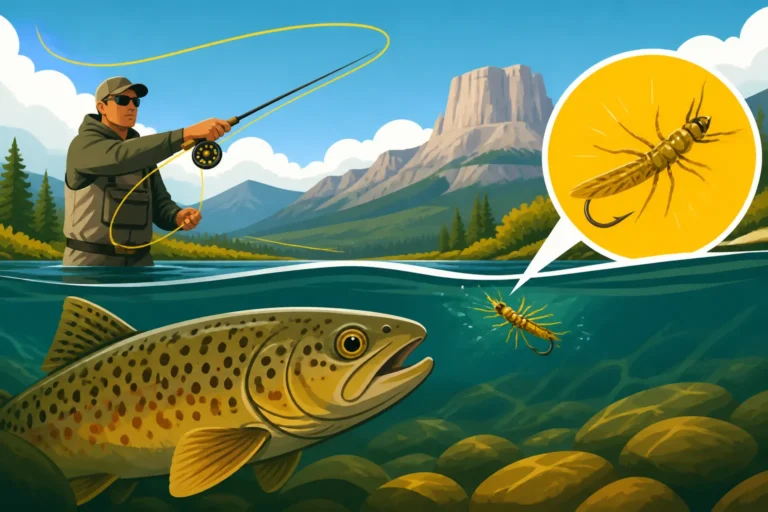
The fish, especially trout, are often hungry and aggressive, looking to pack on calories after a long winter. Nymphing techniques can be incredibly effective during this period, as insects are primarily subsurface. You might encounter early hatches of midges or even some small stoneflies. The challenge here is the unpredictable weather – you could have a beautiful sunny day followed by a snow squall, sometimes within hours. Dressing in layers and being prepared for anything is key. Don't underestimate the rewards of a frosty morning turning into a warm afternoon with no one else in sight. For more on what to expect, check out Wyoming Spring Fishing: What to Expect.
Navigating the Runoff Season
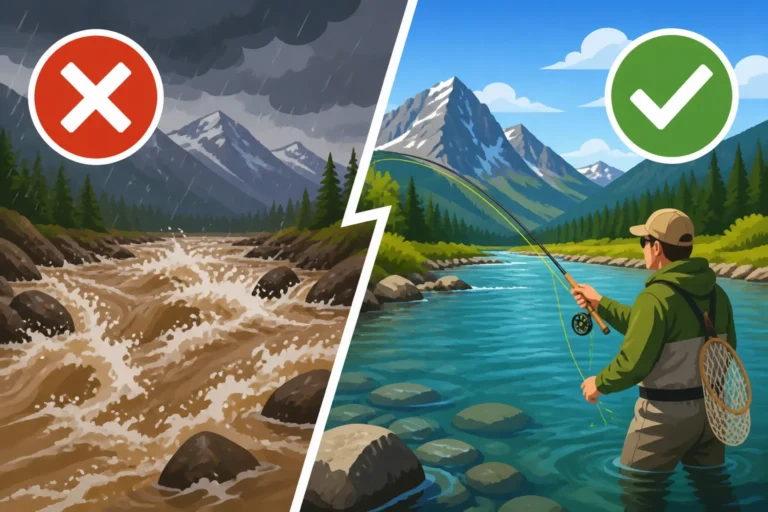
Runoff is often seen as the bane of a fly angler's existence, and for good reason. It typically occurs from late May through early July, when the mountain snowpack melts rapidly, turning clear rivers into muddy torrents. Water levels rise dramatically, currents become powerful, and visibility drops to near zero. Most anglers simply put their rods away during this time, creating a golden opportunity for those who know how to fish it.
The trick during runoff is to target specific types of water. Tailwaters, which are rivers flowing out of large dams (like the North Platte below Pathfinder or Flaming Gorge), often remain clear and fishable year-round because the water released from the bottom of the reservoir is consistent in temperature and turbidity. Smaller tributary streams that don't drain massive snowfields might also clear up sooner or remain fishable with certain techniques. Big streamers and worms fished in slower eddies, seams, and near the banks can be incredibly productive for aggressive trout looking for an easy meal in the churning water. The solitude during runoff is almost guaranteed, as most anglers are waiting for the rivers to clear. If you're willing to embrace the challenge, it can be incredibly rewarding. Learn more about techniques in Fishing Wyoming During Spring Runoff.
The Shoulder Season Sweet Spot Late Fall and Early Winter
As summer fades and autumn colors blaze across the landscape, Wyoming's rivers begin to quiet down. This period, from late September through November, offers some of the most spectacular fishing of the year with significantly reduced crowds. The weather is generally stable, though cooler, and the scenery is simply breathtaking. Many anglers pack it in after the last major summer holiday, but the fishing often gets even better for those willing to brave a chill.
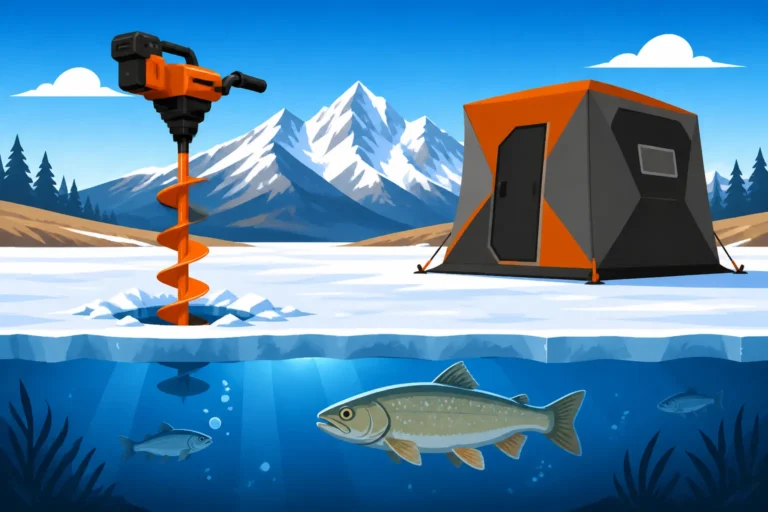
Late fall is prime time for brown trout, as they begin their spawning migration, becoming more aggressive and often moving into shallower areas. Streamer fishing can be phenomenal, but nymphing and even some dry fly action can persist on warmer days. As December approaches, the crowds thin out even more, and while the air gets colder, the fish are still active. Many reservoirs and larger rivers don't freeze over completely until later in winter, offering excellent pre-ice fishing opportunities. The quiet, crisp air and often snowy banks create a serene atmosphere that is hard to beat. Just remember to bundle up! For those interested in the famous brown trout runs, our guide on Wyoming Fall Fishing for Migrating Browns has great insights.
Strategies Beyond Season: Finding Seclusion Year-Round
While timing your trip to off-peak seasons is the most effective way to avoid crowds, there are also year-round strategies you can employ to find solitude on Wyoming's rivers. Sometimes, it's not just when you go, but how and where you choose to fish.
Weekdays Over Weekends and Holidays
This might seem obvious, but it’s probably the single most impactful adjustment you can make to reduce your encounters with other anglers. Weekends and major holidays (like Memorial Day, Fourth of July, Labor Day) are invariably the busiest times on any popular Wyoming river. People flock to the outdoors when they have time off work or school.
If your schedule allows, plan your fishing trips for Tuesdays, Wednesdays, or Thursdays. You'll be amazed at the difference even a single weekday can make in terms of reduced boat traffic, fewer cars at access points, and more open water. If a long weekend trip is unavoidable, try to extend it by arriving on a Thursday afternoon or staying until a Monday morning, taking advantage of the quieter edges of the weekend. Even just hitting the water an hour or two earlier than everyone else on a Saturday can grant you precious time alone.
Targeting Less-Known Waters or Sections
Wyoming is a vast state with an incredible amount of public land and thousands of miles of rivers and streams. While the "celebrity" rivers get all the press, there are countless smaller creeks, forgotten stretches of larger rivers, and less accessible drainages that offer excellent fishing and almost guaranteed solitude. These often require a bit more effort, whether it’s a longer drive on a dirt road, a hike in, or some dedicated map scouting.
Don’t be afraid to look beyond the big names. Pull out detailed maps (paper maps are often best for this, or apps like OnX Hunt) and look for blue lines that don’t have paved roads running right alongside them. Explore tributary streams, headwaters, or sections of larger rivers that might have limited public access but can be reached via a hike-in easement or by floating past popular wade-fishing spots. Remember that "less-known" doesn't necessarily mean "less productive." These hidden gems can hold surprisingly good fish, often less pressured and more eager to bite. For deeper exploration, consider Least Crowded Trout Water in Wyoming for some ideas.
Embracing Different Techniques and Times of Day
Another way to escape the crowds is to fish when and how others aren’t. While most anglers are on the water from mid-morning to late afternoon, consider fishing at first light or staying out for the evening hatch and into the dark. Night fishing, while requiring a different set of skills and safety precautions, offers an incredible sense of solitude and can be extremely productive for large, wary trout that are more active after sunset.
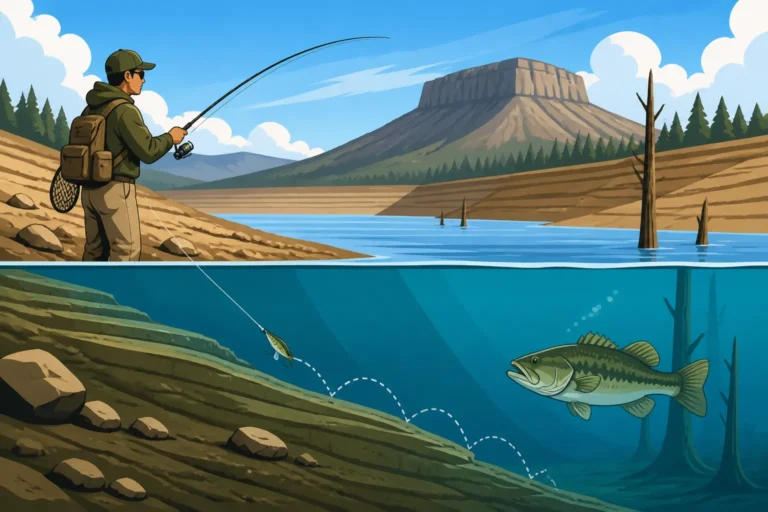
Similarly, if everyone else is fly fishing, consider spin fishing in certain areas where it's legal and effective, or vice-versa. Sometimes simply changing your approach, such as targeting warmer waters for different species (like bass or pike in reservoirs), can put you in less crowded environments. Flexibility in your methods and your schedule can unlock a whole new world of quiet fishing opportunities. For those adventurous enough, delve into Night Fishing Techniques for Wyoming Waters.
Planning Your Solitude-Focused Trip
Successfully finding solitude on Wyoming's rivers isn't just about showing up during the right month. It requires careful planning, preparation, and a willingness to adapt to conditions. A little homework goes a long way in ensuring your trip is less about dodging other anglers and more about the peaceful pursuit of fish.
Researching Conditions and Regulations
Before you even leave home, dedicate time to researching the specific areas you plan to visit. Water flows, temperatures, and clarity can change dramatically from week to week, especially during the shoulder seasons. The Wyoming Game and Fish Department website is an invaluable resource, offering real-time streamflow data and detailed regulation booklets. Pay close attention to water-specific closures or special regulations that might dictate certain baits or techniques.
Weather forecasts in Wyoming, particularly in the mountains, can be notoriously fickle. Always check the extended forecast, but be prepared for anything. A sunny 60-degree day can quickly turn into a snowy 30-degree afternoon. Having an understanding of these variables will allow you to pack appropriately and choose the best spots for current conditions, increasing your chances of success and comfort. Our guide on Where to Find Current Wyoming Fishing Regulations is an excellent starting point.
Gear Up for Variable Conditions
Fishing during the off-peak seasons, when you’re most likely to find solitude, means dealing with potentially more challenging weather. Layering is paramount. Think moisture-wicking base layers, insulating fleeces or down jackets, and a waterproof/windproof outer shell. A good pair of waders and wading boots is essential, even if you plan to bank fish, as riverbanks can be muddy or snowy. Hand warmers, a thermos of hot coffee, and plenty of snacks can make a huge difference in your comfort levels when the temperature drops.
Consider investing in quality gear that can handle the elements. A sturdy backpack to carry extra layers, water, and food, along with essential fishing tackle, will be your best friend. Don't forget a headlamp for those early morning starts or late evening finishes. You can find a lot of reliable gear from brands like Amazon, which makes it easy to stock up on essentials like merino wool socks, waterproof gloves, or a robust fishing backpack designed for all-day excursions. Being well-equipped means you can stay out longer and be more comfortable when the crowds are gone. If you're planning for winter, What to Wear Ice Fishing in Wyoming has some great advice on staying warm that applies broadly to cold-weather river fishing too.
Respecting the Resource and Other Anglers
Even when you find that perfect, solitary stretch of river, it’s crucial to remember that we’re all sharing this incredible natural resource. Practice good catch-and-release techniques to ensure the health of the fish population for future generations. Pack out everything you pack in – leave no trace. This not only keeps the environment pristine but also ensures continued access for everyone.
If, by chance, you do encounter another angler, give them plenty of space. A friendly nod is usually sufficient, and moving well upstream or downstream from them is considered standard etiquette. Most anglers seeking solitude appreciate the same courtesy. The goal is to enjoy your quiet time without infringing on someone else's. Remember, those moments of solitude on a Wyoming river are a precious gift, and by being a responsible and respectful angler, you help preserve that experience for yourself and others. For more on ethical angling, consider Catch and Release Best Practices for Trout.
| Season | Typical Months | Crowding Level | Weather Outlook | Fish Behavior (General) | Recommended Techniques (General) | Challenges |
|---|---|---|---|---|---|---|
| Early Spring | Late March – April | Low | Variable, cool to cold | Waking up, actively feeding | Nymphing, Streamers, some dry flies | Unpredictable weather, cold temperatures |
| Runoff | Late May – Early July | Very Low | Warming, often rainy | Aggressive, near banks/eddies | Streamers, Worms, heavy nymphs | High, turbid water, strong currents |
| Summer | Mid-July – Early Sept. | High | Warm, sunny | Active, feeding on hatches | Dry flies, Nymphing, Streamers | High crowds, heat, technical fishing |
| Fall | Late Sept. – Nov. | Moderate to Low | Cool, crisp, beautiful | Spawning runs (Browns), active | Streamers, Nymphing, some dry flies | Colder temps, shorter days |
| Early Winter | Dec. – Early Jan. | Very Low | Cold, snowy | Slower, congregating in deep pools | Nymphing, Streamers, dead drifting | Freezing guides, ice, limited access |
Disclaimer
This article is for general informational purposes only and does not constitute professional advice. Laws, prices and regulations vary by location and change over time. Consult a qualified professional for guidance on your specific situation.