How to Rig a Tip-Up for Lake Trout
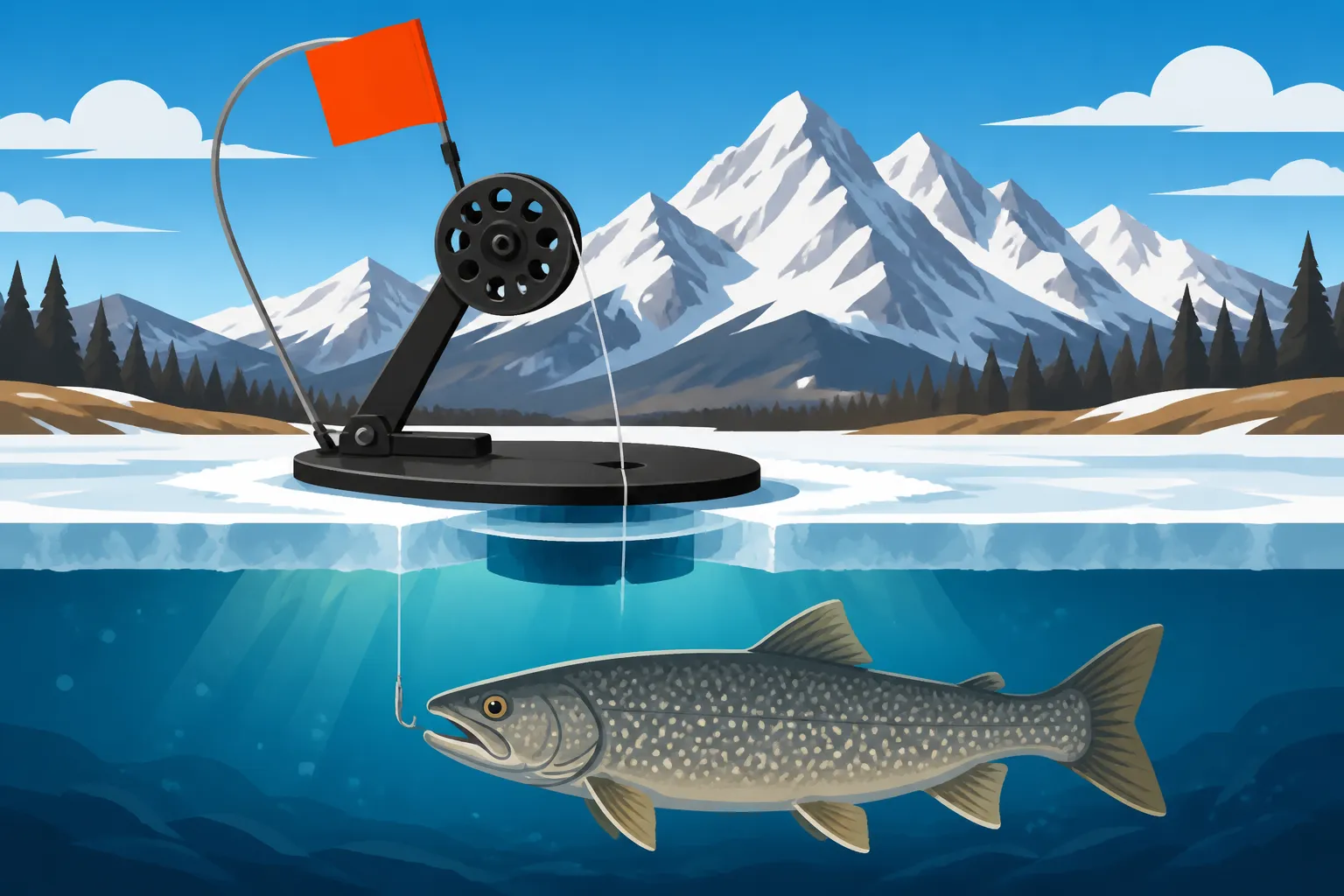
There’s nothing quite like the rush of a flag popping up on your tip-up, signaling that a big, deep-water predator has taken the bait. But let's be honest, trying to connect with a trophy lake trout through a small hole in the ice can be one of the most frustrating yet rewarding experiences in Wyoming fishing. These magnificent fish often cruise deep, making them elusive targets. This guide is all about demystifying the process, walking you through exactly how to rig a tip-up to increase your chances of hooking into one of Wyoming's impressive lake trout.
The Allure and Challenge of Lake Trout on Ice
Lake trout, or Mackinaw as they're often called, are a different beast entirely when it comes to ice fishing. Unlike shallower-dwelling species, these fish prefer the cold, dark depths, and coaxing them to bite can test even the most seasoned angler's patience. But with the right setup, a tip-up can be your secret weapon.
Why Lake Trout Are Such an Ice Fishing Quarry
Imagine a fish that thrives in frigid water, often patrolling depths of 40 to 100 feet or more, occasionally even deeper. That's your typical lake trout. They're built for endurance and power, making them incredible fighters, especially when you're battling them up through an ice hole. Their size alone can be intimidating; Wyoming is home to some truly massive lake trout, particularly in places like Flaming Gorge Reservoir. The challenge lies in reaching them, presenting an enticing meal, and then having the fortitude to wait. They're not always aggressive, and sometimes you'll find them cruising lazily, requiring a very specific presentation to pique their interest. Plus, they're often structure-oriented, meaning they'll hang around submerged points, humps, or drop-offs, which can be tricky to locate under a thick sheet of ice.
How Tip-Ups Level the Playing Field for Deep-Water Fish
This is where the humble tip-up shines. Think of it as a force multiplier for your efforts. When you're jigging one rod, you're covering a single spot. But with tip-ups, which allow you to spread out your lines (within legal limits, of course!), you're essentially scouting a wider area. Lake trout are nomadic; they're constantly moving, searching for their next meal. By deploying several tip-ups across different depths and structural features, you significantly increase your chances of intercepting a cruising fish.
The passive nature of a tip-up is also a huge advantage. You can set it, bait it, and let it sit while you focus on jigging another hole or simply enjoying the tranquil winter landscape. The bait sits perfectly still or drifts ever so slightly with subtle currents, which can be exactly what a wary laker wants – an easy meal that isn't aggressively moving. It's a game of patience and probability, and tip-ups masterfully tip those scales in your favor.
Assembling Your Lake Trout Tip-Up Arsenal
Getting ready to rig a tip-up for lake trout means starting with the right tools. Skimping on gear here can lead to heartbreak when that flag finally flies, and you're battling a true Wyoming laker.
Selecting the Ideal Tip-Up for Wyoming Winters
When choosing a tip-up for the harsh realities of a Wyoming winter, durability and thermal protection are key. You'll find a few main types:
- Traditional Wooden Tip-Ups: These are the classics. They're often robust, simple, and effective. The main drawback is that they don't offer much insulation for your ice hole, which can freeze up quickly in sub-zero temperatures, especially if you're fishing a longer session.
- Plastic/Metal Frame Tip-Ups: These come in various designs, some more compact and portable than wood. Look for models with a sturdy spool and flag mechanism that won't freeze easily. Brands like Amazon offer a wide array of options, from basic models to more advanced designs.
- Thermal Tip-Ups (or Insulated Tip-Ups): These are often round or square, designed to sit directly over the ice hole. They have a lid that covers the hole, trapping heat and preventing it from freezing over. This is an absolute game-changer in Wyoming's brutal cold, saving you from constantly re-drilling or chipping ice. For serious lake trout anglers, a thermal tip-up is almost a necessity, especially when targeting those deeper fish that might take longer to find.
Whichever you choose, ensure the flag mechanism is sensitive enough to detect a subtle bite but robust enough not to trip falsely in the wind. A good quality tip-up will have a smooth spool and a mechanism that's easily adjustable for tension.
The Right Line and Leader for Subsurface Battles
This is perhaps the most critical component of your tip-up rig for lake trout. You need strength, abrasion resistance, and a bit of stealth.
- Main Line: Forget monofilament for your main line. You need something heavy-duty and low-stretch to handle deep water and powerful fish. Braided line is the undisputed champion here. I recommend at least 30-pound test, but 50-pound or even 65-pound test isn't overkill, especially if you're targeting those monsters in Flaming Gorge or Jackson Lake. The low stretch of braid gives you excellent sensitivity, even at extreme depths, and its thinner diameter cuts through the water better. Brands like PowerPro or Sufix are popular choices, and you can find a wide range of options on Amazon. Spool at least 100-150 yards, if not more, especially if you're going after those truly deep-dwelling lakers.
- Leader Material: Directly tying braid to your hook isn't ideal for wary lake trout. You need a leader that's nearly invisible and incredibly abrasion-resistant. Fluorocarbon leader material is the way to go. It has a similar refractive index to water, making it virtually invisible, and it's much more resistant to nicks and scrapes from sharp ice edges or fish teeth than monofilament. I typically use 15- to 25-pound test fluorocarbon, depending on the main line and the size of the fish I expect. A good leader length is usually 3 to 6 feet; this provides enough stealth without being too unwieldy. Connect your braid to your fluorocarbon leader using a strong knot like an Albright or an FG knot. Practice these knots at home before you're out on the ice with numb fingers!
Hooks, Sinkers, and the Art of Bait Presentation
The final components bring your bait to life (or rather, keep it looking dead and enticing).
- Hooks: For lake trout on tip-ups, you're usually using larger dead baits.
- Treble Hooks: A popular choice, especially if you're using larger cut bait or whole dead baitfish. A good size would be a #2 or #4 treble, depending on your bait. They offer multiple points for hook penetration, increasing your chances of a solid hookup.
- Single Hooks: Some anglers prefer a single, stout O'Shaughnessy or octopus hook in a 2/0 to 4/0 size, particularly if they're using a quick-strike rig with a small bait fish. This can sometimes lead to a better hookset in the corner of the fish's mouth, making for an easier release if you're not keeping the fish. Circle hooks are also an option if you want to ensure the fish is hooked in the jaw and reduce gut-hooking, especially if you’re fishing Catch-and-Release Rules on Wyoming Waters
- Sinkers: You need enough weight to get your bait down quickly and hold it at the desired depth, even in currents.
- Egg Sinkers or Bullet Sinkers: These are commonly used above a barrel swivel. The weight slides freely on your main line. I typically use anywhere from 1/2 ounce to 1.5 ounces, depending on depth and current.
- Drop Shot Weights: Some anglers prefer to use a drop shot style, with the weight below the bait on a short tag end of the leader, which can give your bait a more natural presentation.
- Swivels: A quality barrel swivel or ball-bearing swivel is essential to prevent line twist, especially if your bait spins slightly on the way down or in current. Tie your main line to one end of the swivel and your fluorocarbon leader to the other.
Remember, you can find a lot of these specialized hooks, sinkers, and swivels easily through retailers like Amazon, often in bulk packs, which is convenient for avid ice anglers.
Step-by-Step Guide to Rigging Your Tip-Up
Now that we've gathered our components, let's put it all together. This isn't just about tying knots; it's about creating a reliable system that will perform when that massive lake trout decides to make a run.
Spooling Your Line Safely and Securely
First things first: properly spooling your tip-up. This might seem elementary, but a poorly spooled line can lead to tangles, frustrating snags, and even lost fish.
- Attach the Main Line to the Spool: Most tip-up spools have a small hole or notch. Thread your braided main line through this and tie a secure knot, like an Arbor knot, to hold it in place. Make sure it's snug.
- Wind the Line Evenly: Begin winding your braided line onto the spool. It's crucial to apply consistent tension and spool it on as evenly as possible. An unevenly spooled line is prone to tangles and "memory," which can cause it to jump off the spool at the slightest tug. Fill the spool almost to the brim, leaving about 1/8 to 1/4 inch from the edge. This generous amount of line is vital when you're targeting deep-dwelling lake trout; you never know how far they might run after taking the bait!
- Secure the End: Once spooled, you'll have your tag end ready for the rest of your rig.
Crafting the Perfect Leader and Hook Setup
This is where the finesse comes in. A strong yet subtle connection between your main line and hook is what will ultimately fool a wary lake trout.
- Attach Swivel and Sinker: On the end of your main braided line, tie a heavy-duty barrel swivel. An improved clinch knot or Palomar knot works well for braid, just ensure you make enough turns (at least 7-8 for braid) to prevent slippage. Above this swivel, slide your egg or bullet sinker onto the main line. The swivel will act as a stop for the sinker, keeping it from sliding down to your hook.
- Connect Fluorocarbon Leader: To the other end of the barrel swivel, tie your 3 to 6-foot section of fluorocarbon leader. Again, an improved clinch or Palomar knot is reliable. This leader is your invisibility cloak, making your rig less detectable to discerning lake trout.
- Tie on the Hook: Finally, tie your chosen hook (treble or single) to the end of the fluorocarbon leader. A snell knot is excellent for straight-shank hooks, providing a strong, in-line pull. For eyed hooks, an improved clinch or Palomar will work. Ensure all your knots are thoroughly tightened and trimmed cleanly.
Mastering Depth and Attaching Your Bait
Now that the rig is complete, it's time to set the depth and get that tempting offering into the water.
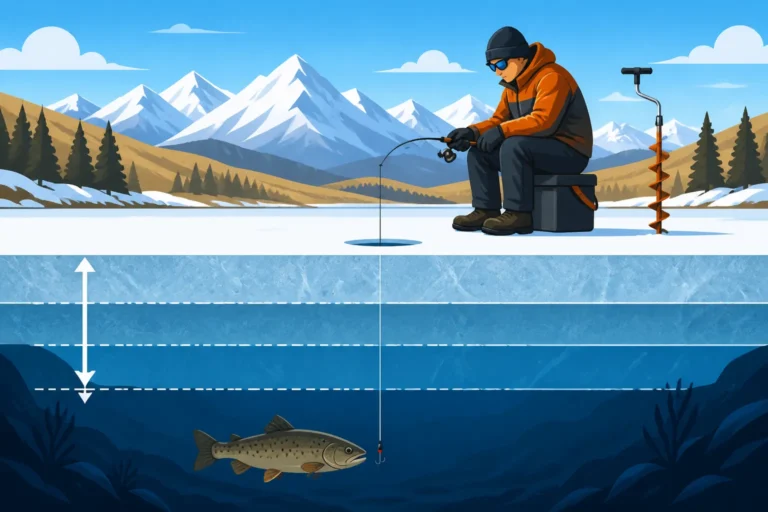
- Finding Your Depth: Lake trout are often found near structure or where baitfish congregate. Use a fish finder or flasher to locate these areas and identify potential holding depths. Alternatively, use a clip-on depth finder or a heavy weight to find the bottom. Drop your rig down until the weight hits bottom, then reel up about 1-5 feet. You want your bait to be just off the bottom, hovering in the lake trout's strike zone. Remember, these fish often cruise just above the bottom. For example, if you're fishing How to Fish Deep Structure for Lake Trout in a reservoir like Flaming Gorge, you might find them anywhere from 60 to 120 feet deep, so be prepared to adjust.
- Securing Your Bait: For lake trout, natural bait is often king. Dead baitfish like ciscoes, smelt, sucker meat, or even large shiners are highly effective. You can often find these at local bait shops in Wyoming or even order specialized options from Amazon for delivery.
- Whole Baitfish: If using a whole dead baitfish, run one point of your treble hook (or the single hook) through the back of the fish, just behind the dorsal fin, ensuring it hangs naturally. If you're using a quick-strike rig, position the hooks for optimal striking.
- Cut Bait: For larger cut bait (e.g., a chunk of a cisco), thread the hook through the skin side once or twice, making sure it's securely attached and presenting a good scent trail.
- Setting the Trip Mechanism: Most tip-ups have an adjustable tension setting for the flag. For lake trout, you want a slightly higher tension than for panfish, but not so high that the fish feels too much resistance and drops the bait. Adjust it so it holds your bait steady but will easily trip when a laker pulls.
Deploying Your Tip-Ups and Landing Those Lakers
Rigging is just the beginning. The real art of tip-up fishing for lake trout lies in strategic placement and knowing how to react when that flag finally springs up.
Strategic Placement for Maximum Coverage
Think of your tip-ups as a grid for discovery. You’re trying to find where the lake trout are cruising, and they often aren’t in one consistent depth.
- Fan Out: If you're allowed multiple tip-ups (and we'll cover Wyoming's rules in a bit), fan them out across different depths and areas. For example, if you're fishing a submerged point, place one shallow (say, 30 feet), one mid-depth (60 feet), and one deep (90 feet). This helps you pinpoint the active depth for the day.
- Follow Structure: Lake trout love structure. Look for underwater contours, humps, old river channels, or transitions from soft to hard bottom. Use your mapping software or a fish finder to identify these features and place your tip-ups accordingly. These areas are natural ambush points for predatory fish.
- Consider the Wind and Currents: While lake trout are deep, currents can still play a role. If there’s a noticeable current, try to place your tip-ups so your bait drifts naturally into likely holding areas. This is also where a slightly heavier sinker can come in handy.
Remember, the goal is to cover as much prime real estate as possible, increasing your chances of an encounter with one of these deep-water giants.
The Art of the Flag: When to Strike
The flag goes up! Your heart pounds. But don't just grab the line and yank! Lake trout are notorious for "mouthing" the bait before fully committing.
- Observe the Run: When the flag goes up, watch the spool. Is the line steadily peeling off? Is it a short burst and then a pause? A big lake trout will often take the bait, swim off for a bit, stop to turn the bait in its mouth, and then start a powerful, steady run.
- Let Them Eat It: This is the hard part for many anglers. Resist the urge to set the hook immediately on the first run. Give the fish time to fully ingest the bait. If the fish stops, wait for the next run to begin. A good rule of thumb is to let them take at least 10-20 feet of line on that second, sustained run.
- The Hookset: Once you feel that consistent pull, it's time. Grab the line firmly, feeling for the weight of the fish. When you feel that solid resistance, pull upwards with a long, sweeping motion. Don't yank violently, but apply steady, firm pressure to ensure the hook penetrates. Lake trout have tough mouths, so a good hookset is crucial.
- The Fight: Once hooked, be prepared for a fight! These fish will peel line, often making powerful runs. Keep steady pressure on the line, and if the fish dives under the ice, move quickly to another hole (if legal and safe) or try to coax it back to your original hole. Take your time, don't rush the fight, and try to keep its head pointed towards the hole.
Common Pitfalls and How to Fish Smarter
Even with the perfect rig, things can go wrong. Being aware of common mistakes can save you a lot of frustration.
- Fishing Too Shallow: Lake trout are, by definition, lake trout. They like depth. While they might occasionally cruise shallower areas, especially during low light or if baitfish move up, your best bet is often in deeper water or on deep structure. Don't be afraid to fish 80-120 feet deep.
- Wrong Bait or Presentation: A tiny minnow isn't going to cut it for a fish that can weigh 20-30 pounds. Use substantial dead bait, and make sure it's presented naturally, not spinning erratically.
- Not Monitoring Your Tip-Ups: It's easy to get distracted jigging, but a tip-up flag can go up and down quickly. Periodically check your tip-ups, especially after a period of quiet.
- Impatience: Lake trout fishing is a waiting game. There will be long stretches without action. Bring a thermos of coffee, some snacks, and warm layers. Patience is rewarded.
- Ignoring Conditions: Pay attention to barometric pressure, light conditions, and especially the How Water Temperature Affects Trout Feeding at different depths. Sometimes slight adjustments to depth can make all the difference. You can always find good cold-weather gear, from insulated boots to portable shelters, on Amazon to make those long waits more comfortable.
Wyoming-Specific Wisdom for Lake Trout Ice Anglers
Wyoming offers some world-class lake trout opportunities, but success requires not just good technique, but also an understanding of local regulations and conditions.
Premier Wyoming Lake Trout Destinations
When you talk about lake trout in Wyoming, a few names immediately come to mind, and for good reason:
- Flaming Gorge Reservoir: This vast reservoir, straddling the Wyoming-Utah border, is legendary for its massive lake trout. Fish in the 20-30 pound range are common, and much larger ones are caught every year. The deep, clear waters and abundant forage (like kokanee salmon and ciscoes) allow these fish to grow to immense sizes. Popular winter access points include the Buckboard Crossing and Lucerne areas. Expect to fish deep here, often 80-150 feet. It's truly a destination where you might catch a Wyoming State Record Lake Trout.
- Jackson Lake: Located within Grand Teton National Park, Jackson Lake also offers fantastic lake trout fishing. While not as prone to the giants of Flaming Gorge, it boasts a healthy population of feisty lakers. The scenery here is unparalleled, making for an unforgettable ice fishing experience. Just be sure to check specific park regulations, as they can differ from statewide rules. This is a great spot if you’re fishing Jackson Lake Fishing Guide.
- Pinedale Area Lakes: While not as famous for giants, lakes like Fremont Lake and Half Moon Lake near Pinedale offer good opportunities for smaller, yet still respectable, lake trout. These high-alpine lakes provide a serene fishing experience, often with less pressure.
- Lake DeSmet: In northeastern Wyoming, Lake DeSmet near Buffalo also holds a population of lake trout. While not typically producing the trophy sizes of Flaming Gorge, it can offer consistent action for respectable fish.
Before heading out, always check the local conditions and regulations for your chosen body of water.
Navigating Wyoming's Ice Fishing Regulations
Wyoming has specific rules that govern ice fishing, especially concerning how many lines you can use. Don't assume anything; always consult the current Wyoming Game and Fish Department (WGFD) regulations booklet. You can usually find a copy at license vendors, WGFD offices, or on their website.
- Number of Lines: Generally, in Wyoming, an angler is allowed to use up to six fishing rods or six lines with a valid fishing license. This limit often includes tip-ups. So, if you're using six tip-ups, you cannot also be actively jigging with a rod. It's crucial to know the exact rules for Two-Pole and Multiple-Rod Rules in Wyoming before you hit the ice.
- Bait Restrictions: Certain waters might have bait restrictions. For instance, some waters prohibit the use of live baitfish to prevent the spread of aquatic invasive species. Always verify if your chosen bait is legal for the water you're fishing.
- Licenses and Stamps: Don't forget your Wyoming Fishing License Guide for Nonresidents or resident license and the required The Wyoming Conservation Stamp and What It Covers. Enforcement officers do patrol the ice. It’s important to carry your license with you, whether it's a physical copy or a digital one on your phone, as outlined in Carrying Your Wyoming Fishing License in the Field.
Ignorance of the law is not an excuse, and violating regulations can lead to hefty fines and even loss of fishing privileges. Always check Wyoming Fishing Regulations Every Angler Should Know before you go.
Braving the Wyoming Winter: Safety and Comfort
Wyoming winters are no joke. Temperatures can plummet, and fierce winds can make even a mild day feel brutal. Safety and comfort are paramount when ice fishing for lake trout.
- Ice Thickness: Never venture onto ice without knowing it's safe. A general rule of thumb is at least 4 inches of clear, solid ice for foot travel, but this is a minimum. For snowmobiles or ATVs, you need much thicker ice. Always check local ice conditions and measure ice thickness regularly as you move. A good resource for understanding How Thick Ice Needs to Be to Fish Safely is essential.
- Dress in Layers: Hypothermia is a real danger. Wear multiple layers of warm, moisture-wicking clothing. A good quality ice fishing suit is a worthwhile investment. Don't forget insulated boots, a warm hat, and gloves or mittens. Check out What to Wear Ice Fishing in Wyoming for more details.
- Shelter: A portable ice fishing shelter, whether a pop-up or a flip-over style, can dramatically improve your comfort on a windy or bitterly cold day. They provide a wind break and can be heated, turning a miserable experience into an enjoyable one.
- Safety Gear: Always carry safety picks, a throw rope, and a fully charged cell phone. Fish with a buddy whenever possible. Let someone know where you're going and when you expect to return. For a complete list, consult an Ice Fishing Gear Checklist for Wyoming Lakes.
- Stay Hydrated and Fed: Even in the cold, it’s easy to get dehydrated. Bring plenty of water, and warm drinks in a thermos are a godsend. Pack high-energy snacks to keep your body fueled.
By being prepared, understanding the intricacies of rigging a tip-up for lake trout, and respecting Wyoming's regulations and conditions, you'll be well on your way to enjoying some truly memorable ice fishing adventures and potentially landing a fish of a lifetime.
Disclaimer
Fishing regulations, conditions, and ice safety recommendations can change rapidly. Always consult the most current Wyoming Game and Fish Department regulations before heading out. The information provided here is for general guidance and educational purposes only. Prioritize your safety and adhere to all local laws and advisories.