Guided Fly Fishing Trips in Jackson Hole, Wyoming
There's nothing quite like standing in the crisp morning air, surrounded by the towering peaks of the Teton Range, with the gentle murmur of a wild river in your ears. But for many aspiring anglers, or even seasoned veterans visiting for the first time, the sheer scale and wildness of Jackson Hole's waters can feel incredibly intimidating. You want to experience the magic of fly fishing for native cutthroat trout, but you're not sure where to start, what flies to use, or even how to read those complex currents. This comprehensive guide is here to walk you through everything you need to know about booking and enjoying a guided fly fishing trip in Jackson Hole, ensuring you get the most out of your Wyoming adventure without the usual guesswork and frustration.
Why Jackson Hole is a Fly Fishing Paradise (and Why You Might Need a Guide)
Jackson Hole isn't just a pretty face; it's a true fly fishing mecca, a place where the wild West meets world-class trout fishing. The landscape itself is enough to take your breath away, but beneath those majestic mountains flow rivers and streams teeming with fish. However, with that beauty comes a certain level of wildness and complexity that can be tough to navigate on your own. This isn't your average stocked pond, and that's precisely why it's so appealing – and why a local expert can make all the difference.
The Unique Waters of Jackson Hole
When we talk about fly fishing in Jackson Hole, we're really talking about a diverse tapestry of aquatic environments, each with its own character and challenges. The crown jewel, of course, is the Snake River, but it's far from the only game in town. Understanding these different waters is key to appreciating what a guide brings to the table.
The Snake River is undoubtedly the star of the show here. Famous for its healthy population of native Snake River Fine-Spotted Cutthroat Trout, it offers a varied fishing experience. Some stretches are wide and braided, perfect for long, graceful casts from a drift boat, while others narrow into more intimate channels requiring precise wading and technical presentations. The river's character changes dramatically from season to season, and even from mile to mile, presenting a continuous puzzle for anglers. Learning its rhythms, knowing where the fish hold in different flows, and understanding its unique insect life is a lifetime pursuit for many.
Beyond the main stem of the Snake, Jackson Hole is also home to countless smaller tributaries and creeks. These can be hidden gems, often requiring more stealth and technical casting under overhanging willows and tight quarters. Think about places like Flat Creek, which runs right through the National Elk Refuge, offering surprisingly good fishing for those who know its secrets. These smaller waters often hold incredible beauty and solitude but can be extremely challenging for the uninitiated due to their intimate nature and spooky fish.
Then there are the alpine lakes nestled high in the Teton Wilderness and surrounding ranges. Accessible only by strenuous hikes or horseback, these pristine waters offer a completely different experience. Imagine casting to eager cutthroat or golden trout in a lake surrounded by jagged peaks, far from any road. While incredibly rewarding, reaching and effectively fishing these high-altitude spots requires specialized knowledge of trail systems, weather patterns, and mountain fishing tactics. It's a true backcountry adventure, and not for the faint of heart or those without proper preparation.
The Challenge of Wyoming's Wild Waters
It’s one thing to see a beautiful river, and another to truly understand it. Wyoming's wild waters, especially in a place like Jackson Hole, present a unique set of challenges that can quickly overwhelm an angler without local experience. This isn't about simply casting a line; it's about connecting with a complex, dynamic ecosystem.
One of the biggest hurdles is reading the water. This isn't just looking at the surface; it's about interpreting currents, identifying submerged structure, understanding depth changes, and knowing where fish are likely to hold given the time of day, water temperature, and insect activity. A seemingly featureless stretch of water might hide a subtle current seam that's a fish highway, or an undercut bank that serves as a prime feeding lie. Without an experienced eye, you might cast over dozens of fish without ever knowing they were there. It's a skill that takes years to hone, and a guide has already put in that time for you.
Next, there's the intricate world of matching the hatch. Fly fishing is often called "matching the hatch" for a reason. Trout feed predominantly on insects, and their diet can change dramatically from hour to hour, let alone day to day. Knowing which insects are active (or "hatching") on a particular water at a specific time, and then selecting the right imitation fly from a bewildering array of patterns, sizes, and colors, is a constant challenge. For instance, tiny midges might be the meal of choice in the early spring, while larger stoneflies dominate in summer, followed by grasshoppers in late summer, and various mayflies and caddis throughout the year. A guide carries a vast selection of local patterns and can instantly tell you what the fish are keying in on, saving you hours of frustrating trial and error.
Finally, navigating access can be a headache, even for public waters. While Wyoming has excellent public access, understanding where public land ends and private property begins, knowing designated fishing access points, and being aware of specific regulations tied to different stretches of river can be confusing. There are also designated wilderness areas where motorized access is restricted, requiring specific permits or knowledge of pack trails. A guide not only knows the prime fishing spots but also understands the legalities and etiquette of accessing them, ensuring you stay on the right side of the law and respect landowners.
When a Guide Becomes Your Best Asset
Given the complexities and unique characteristics of Jackson Hole's fishing, a guide isn't just a luxury; they can be an absolute game-changer, turning a potentially frustrating trip into an unforgettable success. They bridge the gap between aspiration and achievement, making the challenging waters accessible and enjoyable.
Firstly, a guide brings unparalleled local knowledge. They've spent countless hours on these specific rivers and lakes, through all seasons and conditions. They know where the fish are hiding after a cold front, which banks produce during a specific hatch, and how to approach a particular run to avoid spooking fish. This intimate understanding means you spend less time searching and more time fishing in productive waters. It's like having a cheat sheet for the entire river system.
Secondly, they prioritize your safety and efficiency. Navigating a river, especially from a drift boat, requires skill and awareness of hazards like submerged rocks, sweepers, and strong currents. A professional guide is not only an expert boatman but also trained in wilderness first aid and knows how to handle unexpected situations, from sudden weather changes to medical emergencies. They'll also get you to the best spots efficiently, maximizing your time on the water rather than struggling with logistics or getting lost.
Perhaps most importantly, a guide offers skill development and instruction. Whether you're a complete novice who needs to learn the basics of casting and knot tying, or an experienced angler looking to refine your technique for specific situations, a guide is a patient and knowledgeable teacher. They can provide real-time feedback on your cast, explain why fish are holding where they are, demonstrate proper fly presentation, and teach you how to "read" the river yourself. This isn't just about catching fish; it's about becoming a better angler, long after the trip is over. It's a fantastic way to accelerate your learning curve and gain confidence in a new environment.
What to Expect from a Guided Fly Fishing Trip in Jackson Hole
So, you’ve decided to take the plunge and book a guided trip – excellent choice! But what exactly does that entail? For many, the idea of a "guided trip" is vague, conjuring images of either a stern instructor or someone just pointing at fish. In reality, it's a dynamic experience tailored to you, and understanding the common formats and inclusions will help you set realistic expectations and make the most of your investment.
Trip Types: Float, Wade, and Combo
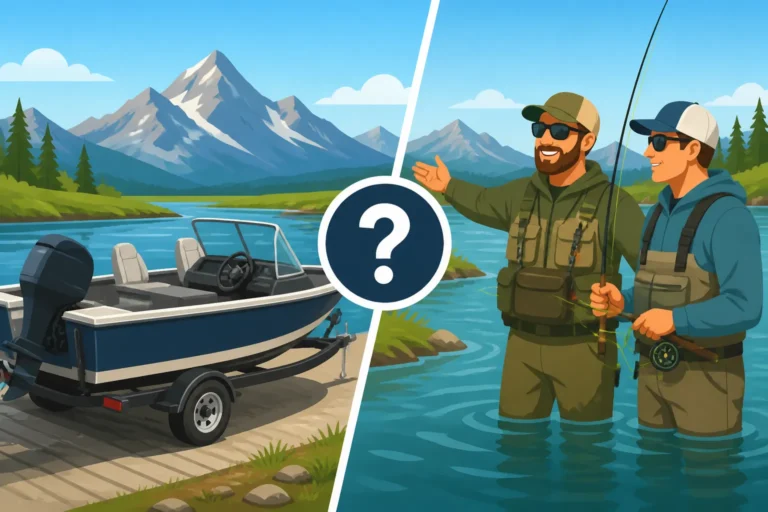
Guided trips in Jackson Hole generally fall into a few distinct categories, each offering a different way to experience the water and target fish. Your choice often depends on your physical ability, preferred fishing style, and what you hope to achieve.
Float trips are, without a doubt, the most popular option on the larger rivers like the Snake. You'll typically be in a drift boat or raft, expertly maneuvered by your guide, allowing you to cover significant stretches of river and access water that would be impossible to reach from the bank. This style is fantastic for several reasons: it's less physically demanding than wading, making it suitable for all ages and fitness levels; it allows you to see a lot of diverse water throughout the day; and it often presents more opportunities for longer, more graceful casts to fish holding in seams and runs. Most of your fishing will be done from the boat, though guides often pull over in prime spots to allow for short wading opportunities. It’s an immersive way to experience the grandeur of the landscape while focusing on fishing.
Wade trips, on the other hand, offer a more intimate and often more technically demanding experience. These trips focus on specific sections of smaller rivers, creeks, or even particular holes on larger rivers, which are best fished on foot. You'll be walking, scrambling over rocks, and getting into the water with your waders and boots. This style is ideal for anglers who enjoy more technical casting in tight quarters, want to focus on a particular type of water, or simply prefer the feeling of being "in" the river rather than on it. Wade trips often allow for more targeted approaches to individual fish and can be incredibly rewarding for those who like the challenge. They are also a great option for those seeking solitude on smaller, less-trafficked waters.
Some outfitters also offer combo trips, which provide the best of both worlds. These might start with a float down a river section, stopping at various points for extended wading and focused fishing, or perhaps dedicating a half-day to a float and another half-day to exploring a smaller stream on foot. This flexibility allows you to experience the diverse fishing opportunities Jackson Hole has to offer and can be a great way to discover your preferred style if you're new to the area. When booking, consider what kind of experience you're after and discuss these options with your chosen outfitter.
Inclusions: What Your Trip Typically Covers
Understanding what's included in the price of your guided trip is crucial for avoiding surprises and budgeting effectively. While specifics can vary slightly between outfitters, there are some common inclusions you can generally count on.
Foremost among inclusions is all necessary fishing gear. This typically means high-quality fly rods and reels, rigged and ready for the day's conditions, along with a wide selection of flies specifically chosen for the local waters and current hatches. This is a huge benefit, as it saves you the expense and hassle of buying or transporting specialized equipment, and ensures you're using the right tools for the job. Some guides will also provide waders and wading boots, though it's always wise to confirm this beforehand, especially if you have a specific size requirement. If you prefer to use your own gear, that's almost always an option, but the guide will still have flies and backups ready if needed.
Most full-day trips also include food and drink. This usually means a hearty streamside lunch, often with a gourmet touch, along with an ample supply of snacks and non-alcoholic beverages (water, sodas, juice). A half-day trip might include snacks and drinks but generally not a full meal. These provisions ensure you stay energized and hydrated throughout your time on the water, without having to worry about packing your own. Don't hesitate to mention any dietary restrictions or preferences when booking.
Crucially, your trip includes expert instruction and local knowledge. This is the core value of a guided trip. Your guide will teach you casting techniques, proper fly presentation, how to identify different insect hatches, where fish are likely to be holding, and crucial catch-and-release best practices. They'll also share insights into the local ecosystem, conservation efforts, and even fascinating historical tidbits about the area. This isn't just about catching fish; it's about learning and appreciating the entire experience, and they are your personal mentor for the day.
Typical Day on the Water
While every trip is unique, a general framework outlines what your guided fly fishing day in Jackson Hole might look like, helping you mentally prepare for the adventure ahead.
Your day usually begins with a meeting with your guide at a pre-arranged location, often an outfitter shop in Jackson, or sometimes directly at a convenient boat launch or wade-in point. This initial meeting is a great opportunity to get acquainted, discuss your fishing goals for the day, and for the guide to assess your experience level. They'll review the plan for the day, discuss current water conditions, and help you get fitted for any necessary gear like waders or boots if you don't have your own.
After this, you'll travel to your fishing location. For float trips, this means driving to a designated put-in point on the river. For wade trips, it might be a shorter drive to a specific access point on a smaller stream. During this drive, your guide will often share more insights about the area, local wildlife, and what to expect on the water. Once at the launch point, your guide will give a quick safety briefing, covering important aspects like boat safety, wading precautions, and how to safely handle and release fish.
Then it's time to hit the water! For float trips, you'll settle into the drift boat. For wade trips, you'll gear up and head into the stream. The guide will begin by observing your casting and offer on-water instruction and tips as needed. They'll help you spot fish, choose flies, and perfect your presentation. Fishing will be interspersed with moving to new spots, whether drifting downstream in a boat or walking along the bank of a wade-able stream. Around midday on a full-day trip, your guide will pull over to a scenic spot for a streamside lunch, offering a relaxing break and a chance to refuel.
The afternoon typically involves more fishing, continuing to refine techniques and explore different sections of water. Your guide will constantly be assessing conditions, looking for active fish, and making adjustments to maximize your chances of success. As the day draws to a close, you'll head back towards the take-out point or original meeting spot, often reflecting on the day's highlights and perhaps even planning your next adventure. It's a full day of immersion in the natural beauty and thrilling challenge of Wyoming's fly fishing.
Choosing the Right Fly Fishing Guide in Jackson Hole
Deciding to hire a guide is the first great step; finding the right guide is the next. Jackson Hole has many talented guides and reputable outfitters, but like any service, there are differences in style, expertise, and personality. Making an informed choice ensures your trip aligns with your expectations and creates the most memorable experience. Think of it like choosing a hiking partner for a tough trail – compatibility matters.
Key Factors to Consider
When you're sifting through the options, a few critical factors should guide your decision-making process. These aren't just about finding someone with a license; they're about finding someone who will enhance your specific trip.
First and foremost is the guide's experience and local knowledge. How long have they been guiding in Jackson Hole? Do they specialize in the particular waters you want to fish (e.g., the Snake River, smaller creeks, or high-alpine lakes)? A seasoned guide who knows the river like the back of their hand will understand the subtle nuances of different flows, the best spots during specific hatches, and where fish hold under varying conditions. For example, a guide who has spent decades on the Snake River Fine-Spotted Cutthroat Trout will have an incredible advantage in helping you target them effectively. Don't be shy about asking about their background and specific river experience.
Next, consider the guide's personality and teaching style. Are you looking for a quiet, patient teacher, or a more jovial, energetic companion? Do you prefer hands-on instruction or more independent fishing with guidance as needed? A guide who is a good fit for your personality can significantly enhance your enjoyment of the day. Some guides excel with complete beginners, breaking down casting and technique with infinite patience, while others are geared more towards experienced anglers looking for a high-volume fish count. Think about what kind of interaction makes you feel most comfortable and productive.
Finally, think about their specializations. Some guides are dry fly gurus, others are master nymph fishermen, and some excel at throwing streamers for large predatory trout. If you have a particular technique you want to learn or a specific type of fish you're hoping to target (say, a trophy brown trout in the fall), look for a guide known for that expertise. Similarly, some guides specialize in family-friendly trips, while others might focus on hardcore backcountry excursions. Knowing what you want out of the day will help you narrow down guides who are truly passionate and skilled in those areas.
Finding Reputable Outfitters and Guides
With so many choices, figuring out where to start your search can feel a bit like looking for a needle in a haystack. Thankfully, there are several reliable avenues for finding reputable outfitters and individual guides in the Jackson Hole area.
One of the most efficient ways to explore options is through online directories and booking platforms. Websites like FishingBooker are excellent resources, allowing you to browse multiple local guides and outfitters, compare their services, read reviews from past clients, and often book directly. This can save you a lot of time calling individual operations. You can filter by trip type, duration, and even target species, giving you a comprehensive overview of the market. Beyond these platforms, many local fly shops and outfitter websites in Jackson Hole also list their guide teams, often with bios that highlight their specialties and experience. Checking these directly can give you a more personal feel for their offerings.
Another incredibly valuable source is personal recommendations and word-of-mouth. If you know friends or family who have fished in Jackson Hole, ask them about their experiences and who they recommend. Online forums and local fishing groups can also be a good place to ask for insights. People are often eager to share positive guiding experiences. Local fly shops in Jackson Hole are also treasure troves of information; the staff often have intimate knowledge of the local guides and can point you towards someone who matches your needs.
When considering any guide or outfitter, always confirm their licensing and permits. In Wyoming, fishing guides and outfitters must be licensed by the Wyoming Board of Outfitters and Professional Guides. If fishing in Grand Teton National Park or Yellowstone National Park, additional permits from the National Park Service are required. This isn't just bureaucracy; it ensures that your guide is professionally vetted, insured, and adheres to safety and ethical standards. Any reputable outfitter will proudly display their licensing information or be happy to provide it upon request. For more details, you might want to look into articles like What Makes a Guide Legal to Operate in Wyoming.
Questions to Ask Before Booking
Once you've shortlisted a few potential guides or outfitters, it's time to ask some specific questions. These inquiries will help clarify expectations, ensure transparency, and ultimately help you make the best decision for your trip. Don't be afraid to be thorough; a good guide will appreciate your diligence.
Start by asking what exactly is included in the trip price. We touched on this earlier, but it's important to get explicit confirmation from the specific outfitter you're considering. Does it cover all gear, flies, lunch, and non-alcoholic beverages? Are waders and boots provided, or do you need to bring your own? Knowing these details upfront prevents any unexpected costs or inconveniences on the day of your trip.
Inquire about the guide-to-angler ratio and group size limits. Most float trips accommodate one or two anglers per guide/boat for optimal instruction and comfort. If you have a larger group, you'll likely need multiple guides and boats. Clarify this to ensure your group can fish together comfortably or if separate arrangements will be made.
It's also crucial to understand the cancellation policy. Life happens, and sometimes plans change. What are the terms for rescheduling or cancellation due to weather, personal emergency, or other unforeseen circumstances? Knowing this ahead of time can save you stress and potential financial loss. A guide or outfitter should have a clear, written policy they can share with you. Cancellation Policy for Jackson Hole Guides is a good resource to review on general expectations for the area.
Finally, don't hesitate to ask about the guide's experience with your specific skill level and goals. If you're a beginner, ask if they have experience teaching new anglers. If you're hoping to target a specific fish or learn a particular technique, confirm they have expertise in that area. For instance, if you're keen on honing your dry fly presentation, ask if they're particularly skilled in that area and if the current conditions are conducive to it. These conversations help tailor the experience to your desires. You can find more comprehensive advice on this in How to Choose a Wyoming Fishing Guide.
Costs and Logistics: Planning Your Guided Adventure
Booking a guided fly fishing trip in Jackson Hole is an investment in an unforgettable experience. Like any investment, understanding the financial aspects and logistical preparations is key to a smooth and stress-free adventure. It's not just about the guide's fee; there are other considerations that contribute to the overall cost and ensure you're ready for your day on the water.
Understanding Trip Pricing: Half-Day vs. Full-Day
The primary determinant of your trip's cost will be its duration and the number of anglers. Guided trips are typically offered as either half-day or full-day excursions, each with its own price point and benefits.
Full-day trips are generally the most popular choice for fly fishing in Jackson Hole, and for good reason. They offer a comprehensive experience, allowing ample time to travel to prime fishing locations, receive thorough instruction, explore different stretches of water, and enjoy a leisurely streamside lunch. A full day provides the most opportunity to learn new techniques, refine your casting, and truly settle into the rhythm of the river. While they come at a higher price, the extended time on the water often translates into a more relaxed and productive outing, especially for those who travel a long way to get here.
Half-day trips, on the other hand, are a fantastic option if you're on a tighter budget, have limited time, or are introducing children or complete beginners to the sport. They typically run for about four to five hours and focus on a specific river section, providing a concentrated dose of fishing. While you might not cover as much water or get as much in-depth instruction as on a full-day trip, they can still be incredibly rewarding and offer a taste of Jackson Hole's world-class fishing. They are also a great way to squeeze in a fishing adventure if you have other activities planned for your vacation.
The price for either option also varies based on the number of anglers in your party. Most guide services charge a base rate for one or two anglers, with an additional fee for a third person if the boat or guide can accommodate them. It's rare to have more than two anglers per drift boat to ensure ample casting room and individual attention from the guide. Always clarify the pricing structure with the outfitter based on your group size. Remember that these prices cover the guide's expertise, gear, logistics, and often food, making it a valuable all-inclusive experience.
Essential Preparations: Licenses, Clothing, and Personal Items
Beyond the financial aspect, a few key preparations are vital for a successful and comfortable day on the water. Overlooking these details can lead to unnecessary stress or discomfort.
First and foremost, you absolutely need a Wyoming fishing license and a Conservation Stamp. These are non-negotiable legal requirements for anyone aged 14 and older fishing in Wyoming's public waters. You can purchase these online through the Wyoming Game and Fish Department website, at various license selling agents throughout the state (like local sporting goods stores or even some Walmart locations), or sometimes directly through your outfitter (though it's always best to acquire it in advance to save time on your trip day). The type of license you need (annual, daily, or five-day) will depend on the length of your stay. For more information, check out resources like Wyoming Fishing License Guide for Nonresidents or Who Needs Wyoming's Conservation Stamp. Make sure to carry your license with you while fishing, either physically or digitally on your phone.
Next, focus on appropriate clothing. The weather in Jackson Hole can be notoriously unpredictable, even in summer, so layering is key. Think moisture-wicking base layers, a fleece or insulated mid-layer, and a waterproof/windproof outer shell jacket. Even on a sunny day, a sudden afternoon thunderstorm can roll through, or a cool breeze can pick up on the river. A wide-brimmed hat for sun protection and polarized sunglasses are also essential – they not only protect your eyes but also help you see fish beneath the water's surface. Your guide will likely provide waders and boots for wade trips, but for float trips, comfortable shoes are sufficient unless you plan to do a lot of wading.
Finally, don't forget personal items that will enhance your comfort and enjoyment. Sunscreen is crucial to prevent sunburn, even on cloudy days. A small backpack or dry bag for personal items, a camera to capture the stunning scenery (and your trophy fish!), and any personal medications you might need are highly recommended. While your guide will provide water, bringing an extra reusable water bottle is always a good idea. By preparing these essentials, you ensure your focus remains on the fishing and the breathtaking environment around you.
Tipping Etiquette and Expectations
Tipping your guide is a standard practice in the outdoor guiding industry and is a crucial part of their income. It's a way to express your appreciation for their hard work, expertise, and dedication to making your trip a success.
While there's no strict rule, the generally accepted industry standard for a good fishing guide is 15-20% of the total trip cost. For exceptional service or if the guide went above and beyond (e.g., navigated difficult conditions, taught you a lot, or helped you land a personal best fish), you might consider tipping a bit more. Conversely, if you feel the service was unsatisfactory, you can adjust accordingly, but it's often a good idea to communicate any issues directly with the outfitter first.
It's important to remember that guides work incredibly hard, often from before sunrise until well after sunset, preparing gear, scouting water, teaching, and ensuring your safety and enjoyment. A significant portion of their professional life is dedicated to ensuring you have a great experience. Tips acknowledge this effort.
You typically present the tip at the end of the day, usually in cash. If you prefer to tip via credit card, check with your outfitter beforehand, as not all operations have this capability, or some might charge a processing fee. If you're part of a group, it's customary for one person to collect contributions from everyone and present a single tip to the guide. Don't feel awkward about it; guides expect it, and it's a vital part of the industry. For more detailed advice, you can always consult articles like How Much to Tip a Wyoming Fishing Guide.
Mastering Techniques on Jackson Hole's Rivers with a Guide
Fly fishing isn't just about catching fish; it's about the dance between angler and environment, the precise presentation of an imitation to a wild creature. While many techniques exist, understanding how to apply them to Jackson Hole's unique waters is where a guide truly shines. They're not just showing you where to cast, but how to cast, and why a certain presentation matters in a given situation.
Dry Fly Fishing: The Art of the Surface Take
There’s an undeniable thrill to dry fly fishing – watching a trout rise gracefully to sip your fly from the surface. In Jackson Hole, especially during the prime summer months, dry fly fishing can be spectacular, and a guide is instrumental in helping you master this delicate art.
Dry fly fishing is all about presentation and observation. You're trying to fool a trout into thinking your artificial fly is a natural insect floating on the surface. This requires delicate, accurate casts that land softly, and a "drag-free drift," meaning your fly floats naturally with the current, just like a real bug. Learning to mend your line – making subtle adjustments to avoid the current pulling your fly unnaturally – is a critical skill. A guide will not only point out rising fish but will also help you refine your casting mechanics, ensuring your fly lands with precision and floats convincingly over a trout's feeding lane. They'll show you how to read the water for subtle currents that might "drag" your fly and teach you the necessary line management to counteract them.
Your guide will also be your resident expert on matching the hatch. Jackson Hole rivers experience various insect hatches throughout the season. From the smaller mayflies and caddis of spring and early summer to larger stoneflies and grasshoppers in mid-summer, knowing what the trout are feeding on is paramount. Your guide will have an extensive fly box, packed with local patterns that mimic the prevalent insects. They can quickly identify the current hatch, tie on the correct fly, and explain why that particular pattern is effective. Imagine struggling with a small fly in bright sun, only for your guide to switch you to a larger, more visible pattern that immediately starts getting strikes – that's the power of their knowledge. For a good read on this, check out Dry Fly Fishing on the North Platte River which talks about similar principles.
The biggest benefit of having a guide for dry fly fishing is their ability to teach you to read rises and anticipate takes. Trout often rise in specific patterns, and a guide can help you interpret these subtle cues – is it a slow, deliberate sip, indicating a tiny midge, or an aggressive splash for a larger hopper? They'll position the boat or yourself in the best possible spot to make your cast, explain exactly where to present the fly, and help you anticipate when to set the hook. This real-time coaching is invaluable for improving your dry fly game and maximizing your chances of experiencing that exhilarating surface strike.
Nymphing and Streamer Fishing: Getting Deeper
While dry fly fishing gets all the glory, the reality is that trout often feed subsurface. Nymphing and streamer fishing are techniques designed to target fish feeding on immature insects (nymphs) or larger baitfish (streamers) and are often the most productive methods, especially when fish aren't rising. Your guide will be a master of these techniques.
Nymphing involves presenting weighted flies (nymphs) that imitate the larval and pupal stages of aquatic insects drifting along the river bottom. There are several effective nymphing techniques, and your guide will introduce you to the ones best suited for the conditions. Indicator nymphing uses a strike indicator (a small bobber) to detect subtle takes as your flies drift along. Your guide will teach you how to properly set up a nymph rig with the right amount of weight and indicator placement, and how to read the indicator for even the slightest pause or twitch that signals a bite. This often means learning how to properly stack split shot on your leader, choosing the right size and color of indicator for varying light conditions, and understanding how to mend your line upstream to get a perfect, drag-free drift.
For those who want a more direct connection, tight-line nymphing (often called Euro Nymphing) eliminates the indicator, relying on feeling the strike through the line and rod tip. This is a more advanced technique but incredibly effective in certain situations, especially in faster, more complex currents. Your guide can provide hands-on instruction in these nuanced techniques, helping you understand how to control your drift and feel for those often-subtle strikes. Nymphing Techniques for Wyoming Tailwaters provides similar context for nearby rivers and techniques that apply here too. They'll often have specialized rods for this technique as well.
Streamer fishing is a more aggressive tactic, designed to imitate baitfish, leeches, or other larger prey that big trout key in on. It’s often used to target larger, more predatory brown trout and lake trout. This involves casting larger, often weighted, streamer flies and retrieving them with varying strips and pauses to mimic a swimming baitfish. Your guide will teach you different retrieve patterns – short, aggressive strips, long slow pulls, or erratic jerks – and explain when each might be most effective. They’ll also help you choose the right streamer patterns and colors for the current water conditions, especially if the water is a bit off-color or if you're targeting specific areas like deep pools or undercut banks. If you're interested in Streamer Fishing for Wyoming Brown Trout, a guide can be invaluable in teaching you the nuances of this exciting method.
A guide’s role here is crucial: they'll ensure you have the correct weighted rigs, explain the subtle art of detecting a subsurface strike (which can be just a slight hesitation in your line), and teach you how to effectively retrieve streamers to provoke an aggressive strike. They understand the water columns and where to present your flies to get them into the fish's feeding zone.
Reading the Water Like a Pro
One of the most valuable long-term skills a guide can impart is the ability to "read the water." This isn't just about identifying good spots; it's about understanding why fish choose to be there and how to approach those spots strategically. It's a fundamental skill that transforms a casual caster into a thoughtful angler. How to Read Water When Trout Fishing covers this in detail, but a guide offers hands-on, real-time application.
Your guide will teach you how to identify classic trout holding lies: riffles, runs, pools, seams, and undercut banks.
- Riffles are shallow, fast-moving sections where the water breaks over rocks. They're oxygen-rich and often productive, as trout sit in calmer pockets, waiting for food to drift by.
- Runs are deeper, smoother sections with consistent current, often holding larger fish.
- Pools are deep, slow-moving areas, providing refuge and often holding fish in their deeper, cooler waters, especially during warmer parts of the day.
- Seams are where fast and slow currents meet, creating a natural food conveyor belt where trout can hold with minimal effort.
- Undercut banks offer excellent cover and shelter, making them prime holding spots for wary trout.
A guide's insight goes beyond simple identification; they’ll explain why fish hold in these specific spots and how currents impact presentation. They'll teach you to think like a trout: where would you sit to conserve energy while maximizing feeding opportunities? They’ll show you how the speed and direction of the current influence where you should cast, how much line you need, and how to manage your drift to keep your fly in the strike zone for as long as possible. For instance, they might point to a subtle eddy behind a large boulder and explain why a large brown trout might be lurking there, waiting for confused insects.
This real-time instruction on the river is far more effective than reading a book. Your guide can literally stop the boat, point to a specific feature, explain its significance, and then demonstrate how to fish it. They can help you visualize the unseen currents beneath the surface and predict how your fly will behave. This empowers you to make smarter casting decisions and develop a deeper understanding of the river's ecology, which will benefit your fishing for years to come, long after your guided trip concludes.
Best Seasons and Target Species for Jackson Hole Fly Fishing
Jackson Hole offers year-round fishing opportunities, but the experience can vary dramatically depending on the season. Understanding these seasonal shifts, and the primary fish species you'll encounter, is key to planning your trip and setting realistic expectations. Your guide will be a master of these seasonal nuances, ensuring you're in the right place at the right time.
Spring, Summer, and Fall: What to Expect Each Season
The progression of seasons dictates everything from water levels and temperatures to insect hatches and fish behavior. Each period presents its own unique charm and challenges for anglers.
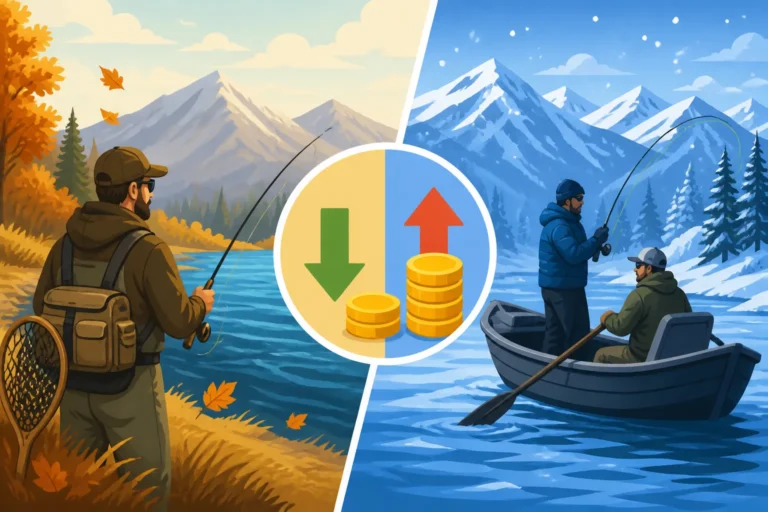
Spring (April – June): This is a season of transition. Early spring can offer fantastic fishing, especially on warmer days, before the main snowmelt begins. However, as the mountain snows begin to melt in earnest, runoff becomes the dominant factor, typically from late May through much of June. This causes rivers like the Snake to swell, become muddy, and often unfishable. While challenging, some smaller, freestone creeks might clear sooner, and stillwaters like the smaller lakes can offer good opportunities as they thaw. Guides during this period will often focus on these clearer alternatives or tailwaters below dams where flows are regulated. When the runoff subsides and rivers begin to clear, usually towards late June, fishing can explode with hungry trout. Expect some variability, and definitely check out resources like Wyoming Spring Fishing: What to Expect for more details.
Summer (July – August): This is prime time in Jackson Hole. By July, the runoff has typically subsided, and river levels stabilize and clear. The weather is generally warm and pleasant, making for comfortable days on the water. This is when dry fly fishing truly shines, with abundant hatches of caddis, mayflies, and stoneflies, alongside terrestrial insects like grasshoppers and ants. Trout are actively feeding on the surface, making for exciting visual fishing. This is also when high-alpine lakes become fully accessible and highly productive. However, summer is also peak tourist season, meaning popular spots can see more angler pressure. Your guide will know the less-trafficked areas and the best times to fish them. You can get more information on this season by reading Wyoming Summer Fishing: Peak Season Tips.
Fall (September – November): Many seasoned anglers consider fall to be the absolute best time for fly fishing in Jackson Hole. The crowds of summer dissipate, the leaves turn to brilliant gold, and the fishing can be exceptional. Cooler temperatures mean trout become more active, and larger fish, particularly brown trout, begin their pre-spawn migrations upriver, offering opportunities for trophy catches on streamers. October can be a phenomenal month for this. While dry fly fishing is still possible, nymphing and streamer techniques often become more productive as fish feed aggressively to fatten up for winter. The crisp air and stunning scenery make for an incredibly picturesque fishing experience. Wyoming Fall Fishing for Migrating Browns offers more insight into this exciting season. As winter approaches in November, ice begins to form on some stillwaters, marking the shift to ice fishing season for many.
Focus on the Snake River Fine-Spotted Cutthroat
While various trout species inhabit Jackson Hole's waters, the undisputed star is the Snake River Fine-Spotted Cutthroat Trout. This native subspecies of cutthroat is celebrated for its beauty, willingness to take a fly, and its importance to the region's natural heritage.
The Snake River Fine-Spotted Cutthroat (often just called "Snake River Cutthroat") is distinguishable by its distinctive red "slash" marks under the jaw and its numerous small, dark spots concentrated towards the tail. Unlike some other cutthroat subspecies, its spots are generally finer and more evenly distributed. These fish are native to the Snake River drainage and are a keystone species in the ecosystem. They are highly valued for their wild genetics and often aggressive takes, making them a fantastic target for fly anglers. A good read on this species is Snake River Fine-Spotted Cutthroat Trout. For identification tips, refer to Identifying a Yellowstone Cutthroat Trout.
Conservation efforts are ongoing to protect and enhance populations of this native species. Many rivers in the area are managed as "wild trout fisheries," emphasizing catch-and-release practices to maintain healthy populations. Your guide will be deeply committed to these conservation principles, teaching you proper fish handling techniques to ensure the health and survival of every trout you catch.
While the cutthroat is the primary target, you might also encounter brown trout and, less commonly, rainbow trout or cutbows (a hybrid of cutthroat and rainbow). Brown trout are particularly prevalent in the fall, especially in certain river sections and tributaries, offering a different challenge with their often more elusive and larger nature. Your guide will know which waters hold which species and can tailor your trip accordingly.
Notable Fishing Spots in Jackson Hole
One of the greatest advantages of a guided trip is gaining access to and knowledge of the best fishing spots. While a guide won't reveal all their secret spots (and we won't either!), we can give you a general idea of the famed waters you'll likely explore.
The Snake River itself is a vast network of water. Guided float trips often cover various sections, from the highly accessible stretches near the town of Jackson to more remote and scenic sections within Grand Teton National Park or the National Elk Refuge. Popular put-in and take-out points allow guides to float specific "stretches" of river, each offering different characteristics. Your guide will choose the best stretch for the day's conditions, your skill level, and what fish are active. For example, some stretches are known for their consistent dry fly action, while others might be better for nymphing through deeper runs. For a detailed guide on this, explore Fishing Wyoming's Snake River Below Jackson Lake Dam.
Beyond the main Snake, the smaller tributary creeks mentioned earlier, such as Flat Creek on the National Elk Refuge (which has very specific regulations and seasons), offer unique wade-fishing opportunities. These are typically more technical, requiring stealth and accurate casting, and provide a stark contrast to the big river experience.
For stillwater enthusiasts or those looking for a different challenge, Jackson Lake, located within Grand Teton National Park, offers opportunities for lake trout and cutthroat, often requiring different techniques like trolling or deeper presentations, especially from a boat. While not exclusively fly-fishing focused, fly anglers can find success near inlets and shallower banks, particularly early and late in the season. You can learn more about this by checking out Jackson Lake's Best Shoreline Fishing Spots in Wyoming.
Your guide's local expertise means they know precisely where to go, considering factors like current weather, recent fish activity, and angler pressure, to give you the best chance of success and an unforgettable experience on these truly remarkable waters.
Here's a quick comparison of wade vs. float trips:
| Feature | Wade Trip | Float Trip |
|---|---|---|
| Access | On foot, limited to accessible bank sections | Covers miles of river by boat, accesses remote water |
| Physicality | Moderate to high (walking, scrambling, wading) | Low to moderate (mostly seated, occasional wading) |
| Intimacy | Highly intimate, focus on specific pools/runs | Broader overview, constant new scenery |
| Casting | Often technical, tight quarters | More open, allows for longer casts |
| Best For | Technical anglers, smaller streams, solitude | Covering water, beginners, larger rivers, scenery |
| Gear | Waders & boots essential | Waders optional (sometimes provided) |
Disclaimer
This article is for general informational purposes only and does not constitute professional advice. Laws, prices and regulations vary by location and change over time. Consult a qualified professional for guidance on your specific situation.